Gardening is a rewarding hobby, but it can be challenging when pests invade and plants struggle to thrive.
Fortunately, there are simple and effective hacks that can help you maintain a healthy garden while keeping pests at bay.
Here are seven gardening hacks that will enhance plant growth and protect your garden from unwanted visitors.
1. Use Coffee Grounds for Fertilization and Pest Control
Why It Works
Coffee grounds are rich in nitrogen, which helps improve soil fertility and encourages healthy plant growth. Additionally, their slightly acidic nature can deter pests like slugs and snails.
How to Use:
- Fertilizer: Sprinkle used coffee grounds around the base of your plants to enrich the soil.
- Pest Repellent: Create a barrier of coffee grounds around plants to deter slugs and snails.
2. Plant Companion Plants
Why It Works
Companion planting involves growing certain plants together to enhance growth, improve soil health, and repel pests naturally.
Examples:
- Marigolds: Plant marigolds near tomatoes, peppers, and beans to repel aphids, nematodes, and whiteflies.
- Basil: Grow basil near tomatoes to enhance flavor and repel mosquitoes, flies, and hornworms.
- Chives: Plant chives near roses and carrots to repel aphids and carrot flies.
3. Create Natural Pest Sprays
Why It Works
Natural pest sprays made from household ingredients can effectively control pests without harming beneficial insects or the environment.
Recipes:
- Garlic Spray: Blend a few garlic cloves with water and strain. Spray on plants to deter aphids, spider mites, and whiteflies.
- Neem Oil: Mix neem oil with water and a few drops of dish soap. Spray on plants to control a wide range of pests, including aphids, beetles, and caterpillars.
4. Mulch with Straw or Grass Clippings
Why It Works
Mulching helps retain soil moisture, suppress weeds, and regulate soil temperature. It also provides a barrier against certain pests.
How to Use:
- Application: Spread a layer of straw or grass clippings around the base of your plants. This helps keep the soil moist, reduces weed growth, and can deter slugs and snails.
5. Attract Beneficial Insects
Why It Works
Beneficial insects like ladybugs, lacewings, and predatory beetles can help control pest populations naturally.
How to Attract:
- Plant Diversity: Grow a variety of flowering plants such as dill, fennel, and cosmos to attract beneficial insects.
- Provide Shelter: Create habitats by adding rocks, logs, and insect hotels to your garden.
6. Use Epsom Salt for Healthier Plants
Why It Works
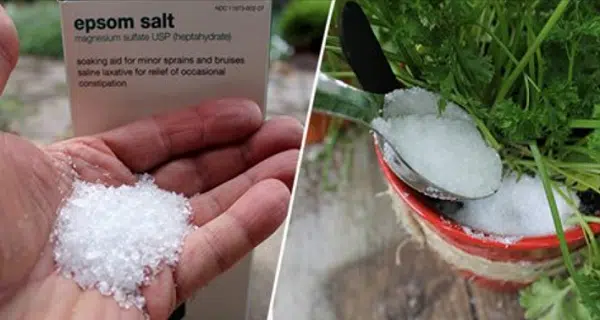
Epsom salt is a natural source of magnesium and sulfate, which are essential for plant growth. It can help improve flower blooming and enhance the green color of leaves.
How to Use:
- Foliar Spray: Dissolve 2 tablespoons of Epsom salt in a gallon of water and spray on plant leaves.
- Soil Amendment: Sprinkle Epsom salt around the base of plants, particularly tomatoes and peppers, and water thoroughly.
7. Install Physical Barriers
Why It Works
Physical barriers can prevent pests from reaching your plants, reducing damage without the need for chemicals.
Types of Barriers:
- Row Covers: Use lightweight fabric row covers to protect plants from insects while allowing light and water to penetrate.
- Copper Tape: Place copper tape around the edges of garden beds and pots to deter slugs and snails.
Keeping your garden healthy and pest-free doesn’t have to involve harsh chemicals or complicated methods.
By using these simple gardening hacks, you can enhance plant growth, improve soil health, and naturally deter pests.
Try incorporating these tips into your gardening routine to enjoy a thriving and productive garden.