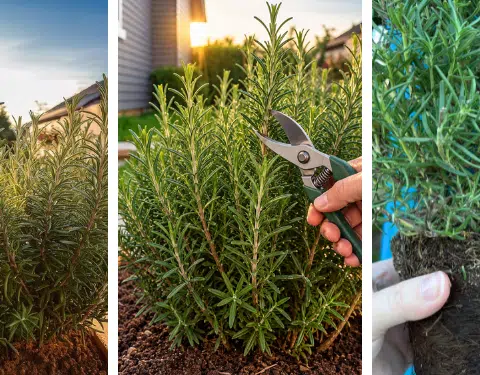
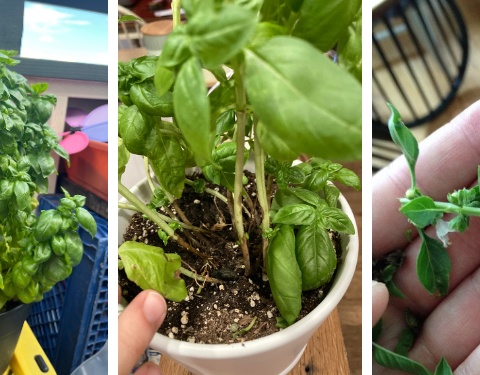
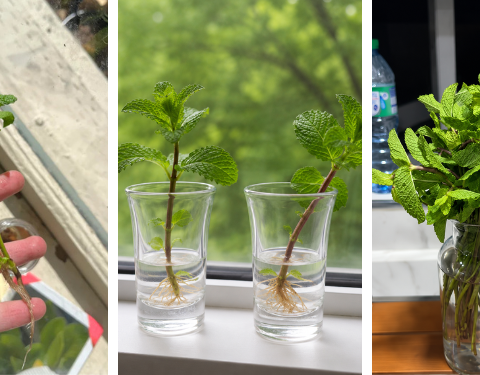
Lemon-scented herbs add a refreshing, citrusy aroma to gardens, kitchens, and homemade products. These herbs not only provide delightful scents but also offer various culinary and medicinal benefits.
Here are five of the best lemon-scented herbs to grow and enjoy for their fragrant leaves and versatile uses.
1. Lemon Verbena
Lemon verbena is a deciduous shrub with long, narrow leaves that exude a powerful lemon scent. It produces small, white or lavender flowers.
Uses:
Culinary: Use leaves to flavor teas, desserts, and marinades.
Medicinal: Known for its digestive benefits and used in herbal teas to soothe stomach issues.
Aromatherapy: Use in potpourri, sachets, or to make lemon-scented oils.
Growing Tips:
Light: Full sun.
Soil: Well-drained, moderately fertile soil.
Water: Water regularly but do not overwater.
Maintenance: Prune back in late winter to encourage new growth.
2. Lemon Balm
Lemon basil is an annual herb with bright green leaves that have a distinct lemon scent and flavor. It produces small, white flowers.
Uses:
Culinary: Perfect for adding a citrusy flavor to pestos, salads, and fish dishes.
Medicinal: Contains antioxidants and is used in teas for its potential health benefits.
Aromatherapy: Crush leaves to release their scent or use in herbal arrangements.
Growing Tips:
Light: Full sun.
Soil: Rich, well-drained soil.
Water: Keep soil consistently moist.
Maintenance: Pinch back regularly to prevent flowering and encourage bushy growth.
3. Lemongrass
Lemongrass is a tall, perennial grass with long, slender leaves that emit a strong lemon fragrance. It’s commonly used in Asian cuisine.
Uses:
Culinary: Essential in Thai and Vietnamese dishes, teas, and soups.
Medicinal: Used in teas for its digestive and anti-inflammatory properties.
Aromatherapy: Extract essential oil for use in diffusers or homemade insect repellents.
Growing Tips:
Light: Full sun.
Soil: Well-drained, rich soil.
Water: Keep soil consistently moist but ensure good drainage.
Maintenance: Trim regularly to prevent the plant from becoming too leggy.
4. Lemon Basil
Lemon balm is a perennial herb in the mint family known for its bright, lemony fragrance. The leaves are heart-shaped with a slightly crinkled texture.
Uses:
Culinary: Add fresh leaves to salads, teas, and desserts for a zesty flavor.
Medicinal: Known for its calming effects, lemon balm is often used in teas to reduce anxiety and promote sleep.
Aromatherapy: Use the leaves to make essential oils or add to potpourri for a refreshing scent.
Growing Tips:
Light: Prefers full sun to partial shade.
Soil: Well-drained, fertile soil.
Water: Keep soil consistently moist but not waterlogged.
Maintenance: Regularly trim to encourage bushy growth and prevent flowering.
5. Lemon Thyme
Lemon thyme is a low-growing perennial with small, aromatic leaves that have a distinct lemon scent. It produces tiny pink or lavender flowers.
Uses:
Culinary: Use in marinades, soups, and roasted dishes for a citrusy twist.
Medicinal: Has antiseptic and antifungal properties; can be used in homemade cleaning products.
Aromatherapy: Crush leaves to release their refreshing aroma or use in herbal sachets.
Growing Tips:
Light: Full sun.
Soil: Well-drained soil.
Water: Water moderately; thyme is drought-tolerant once established.
Maintenance: Trim back after flowering to maintain shape and encourage new growth.
Incorporating lemon-scented herbs into your garden or home can provide a refreshing, citrusy aroma and a variety of culinary and medicinal benefits.
Whether you’re adding them to your favorite dishes, brewing a soothing tea, or simply enjoying their fragrance, these five lemon-scented herbs—lemon balm, lemon thyme, lemongrass, lemon verbena, and lemon basil—are sure to enhance your gardening and culinary experiences.
Sweet basil (Ocimum basilicum) is the undisputed crown jewel of the summer herb garden. Whether your goal is to blend batches of vibrant, emerald-green
Raised bed gardening is a transformative strategy for herb cultivation, offering a level of environmental control that traditional in-ground plots cannot match. By elevating