It’s no secret that a diet rich in colorful fruits and vegetables is essential for maintaining good health.
Fresh produce provides a powerhouse of vitamins, minerals, and antioxidants, helping to boost immunity, support digestion, and reduce the risk of chronic diseases.
But here’s the catch—many people unknowingly discard some of the most nutritious parts of their favorite fruits and vegetables: the peels!
Peeling away the skins reduces fiber content, removes essential vitamins, and wastes powerful plant compounds that contribute to overall wellness.
So, before you reach for that peeler, let’s dive into the top 10 fruit and vegetable peels you should start eating today—and why they’re so good for you!
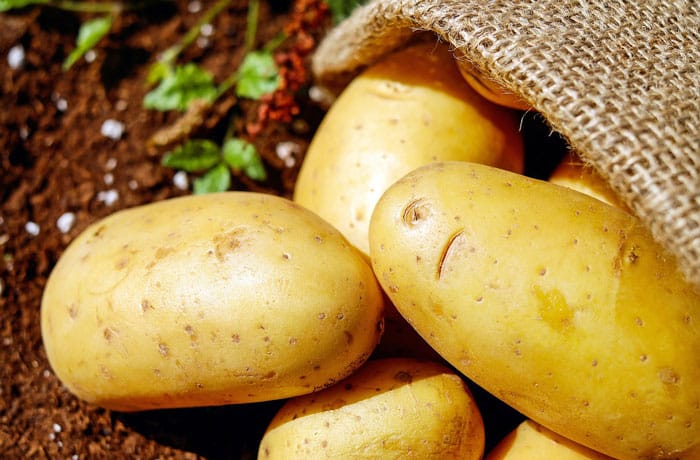
1. Potatoes – The Skin is a Nutritional Goldmine
Potatoes are often thought of as starchy comfort food, but they are surprisingly low in calories (a medium potato has only 168 calories) and packed with essential nutrients, including vitamins C and B6, magnesium, potassium, fiber, and zinc.
Why You Should Eat the Skin:
- More Fiber & Nutrients – Potato skins contain more fiber, calcium, iron, phosphorus, and folate than the flesh alone.
- Antioxidant Powerhouse – Unpeeled potatoes are rich in flavonoids, carotenoids, and electrolytes, all of which support heart health and immunity.
- Better Cooking Method – Baking your potatoes with the skin on helps retain these beneficial nutrients, while boiling can cause nutrients to leach into the water.
Best Way to Eat: Bake or roast potatoes with the skin intact for a crispy, nutrient-packed side dish!
2. Carrots – More Than Just Beta-Carotene
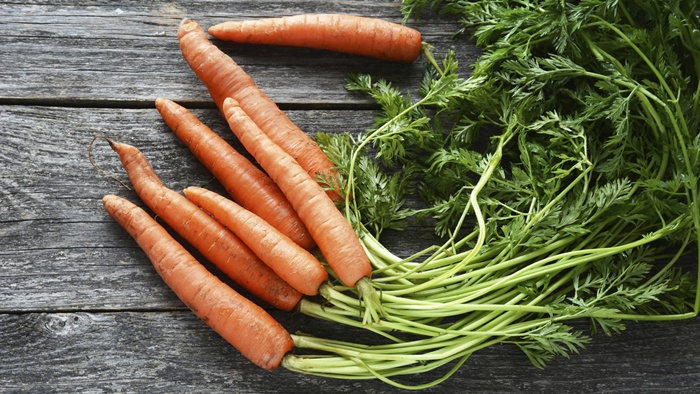
Carrots are well known for their high beta-carotene content, which promotes eye health, but their peel contains additional phytochemicals that aren’t found in the inner flesh.
Why You Should Eat the Skin:
- Extra Polyacetylenes – Found just beneath the peel, these compounds have been linked to anticancer, antifungal, antibacterial, and anti-inflammatory benefits.
- Boosts Serotonin Levels – Carrot peels may naturally help enhance mood and reduce stress.
Best Way to Eat: Simply wash your carrots thoroughly and enjoy them raw, roasted, or stir-fried—no peeling needed!
3. Cucumbers – A Skin Packed with Hydration & Antioxidants
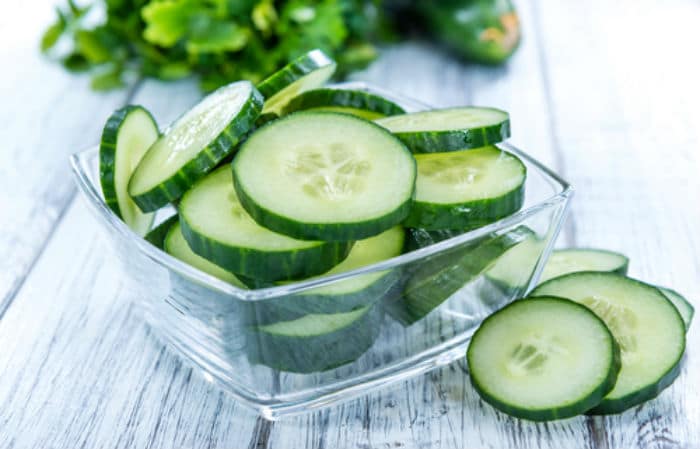
Cucumbers are made up of 95% water, making them a super-hydrating addition to any diet. But did you know that most of their nutrients are found in the skin?
Why You Should Eat the Skin:
- Higher Fiber & Potassium – The peel contains extra fiber and potassium, which support digestion and heart health.
- Rich in Cancer-Fighting Compounds – Cucumber skin is loaded with flavonoids, lignans, and triterpenes, which protect against cancer, inflammation, and heart disease.
Best Way to Eat: Eat organic cucumbers with the peel intact to avoid synthetic waxes or pesticides.
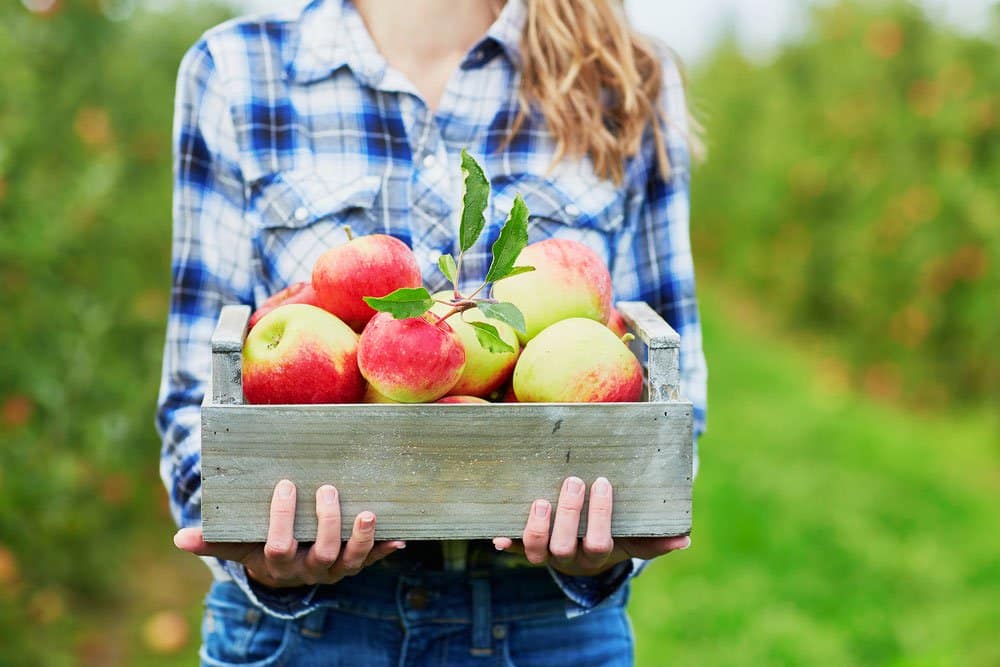
4. Apples – The Peel is a Superfood on Its Own
Apples are already a great source of fiber and vitamin C, but their true nutritional power lies in the skin.
Why You Should Eat the Skin:
- Packed with Pectin – Apple peels are rich in pectin, a fiber that helps regulate blood sugar and support gut health.
- Loaded with Phytochemicals – Apple peels contain quercetin, triterpenoids, and polyphenols, which have been linked to lung health, cardiovascular benefits, and reduced inflammation.
Best Way to Eat: Wash apples well and enjoy them whole for maximum benefits.
5. Eggplant – A Shield Against Free Radicals
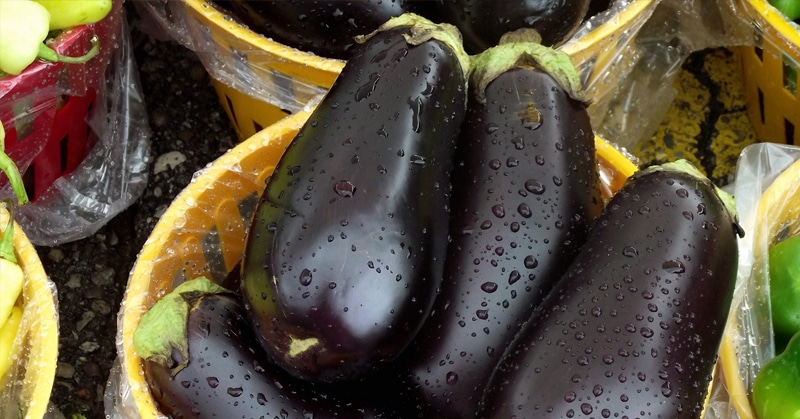
Eggplant is naturally high in fiber, vitamins B1 and B6, potassium, and folate, but the real power is in the skin.
Why You Should Eat the Skin:
- Rich in Nasunin – A potent antioxidant found only in the skin, nasunin protects cells from damage and supports brain function.
- Packed with Anthocyanins – These compounds help reduce inflammation and fight oxidative stress.
Best Way to Eat: Keep the skin on when grilling, roasting, or stir-frying—just choose younger eggplants for a more tender peel.
6. Kiwi – The Skin is 3x Higher in Fiber!
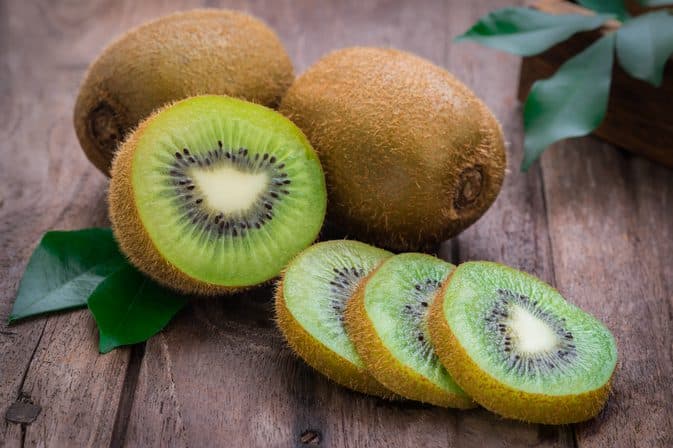
The fuzzy brown kiwi skin might seem unappetizing, but it’s actually completely edible and loaded with nutrients!
Why You Should Eat the Skin:
- 3x More Fiber – Kiwi peels contain triple the fiber of the flesh.
- Boosts Immunity – The skin has more antioxidants, vitamin C, and folate than the inner fruit.
Best Way to Eat: Scrub the kiwi under water to remove excess fuzz and eat it whole!
7. Mango – The Peel Beats the Pulp in Antioxidants
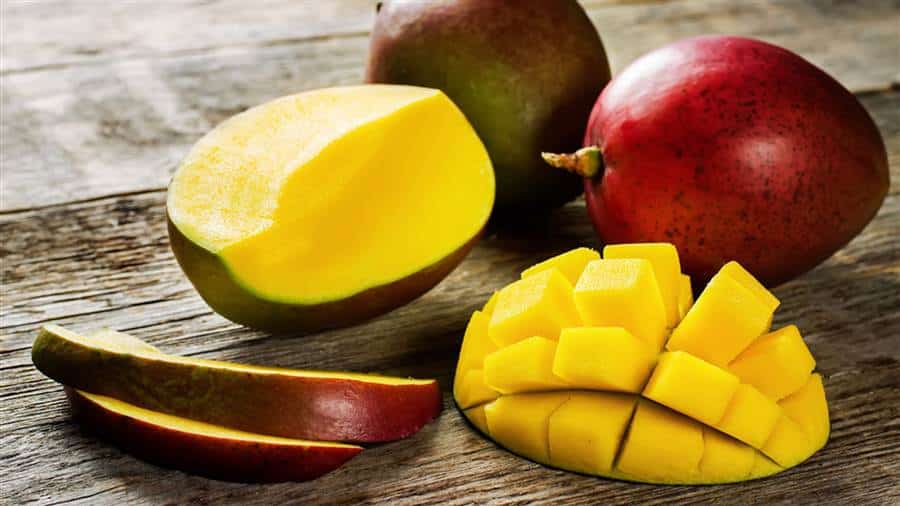
Mango flesh is delicious and nutritious, but its skin is even more powerful.
Why You Should Eat the Skin:
- More Flavonoids & Polyphenols – Mango peels contain more antioxidants than the fruit itself.
- Natural Weight Management – Mango skin has compounds similar to resveratrol, known for reducing body fat and preventing obesity.
Warning: Mango peels contain urushiol, the same compound found in poison ivy. If you have a sensitivity, avoid the skin!
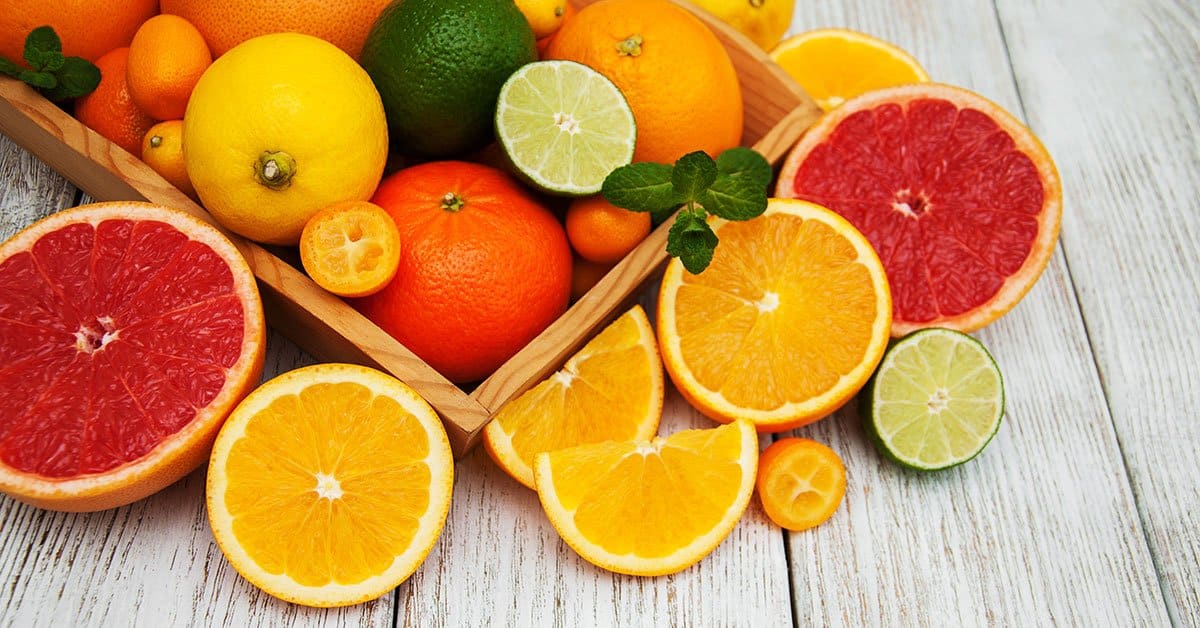
8. Citrus Fruits – The Power of the Peel
Citrus peels contain powerful antioxidants, yet they’re often discarded.
Why You Should Eat the Skin:
- Rich in Flavonoids – Citrus peels contain compounds that reduce inflammation and improve insulin resistance.
- Supports Heart Health – Some studies suggest citrus peels can lower cholesterol levels.
Best Way to Eat: Use citrus zest in teas, smoothies, or baked goods.
9. Bananas – A Natural Mood Booster
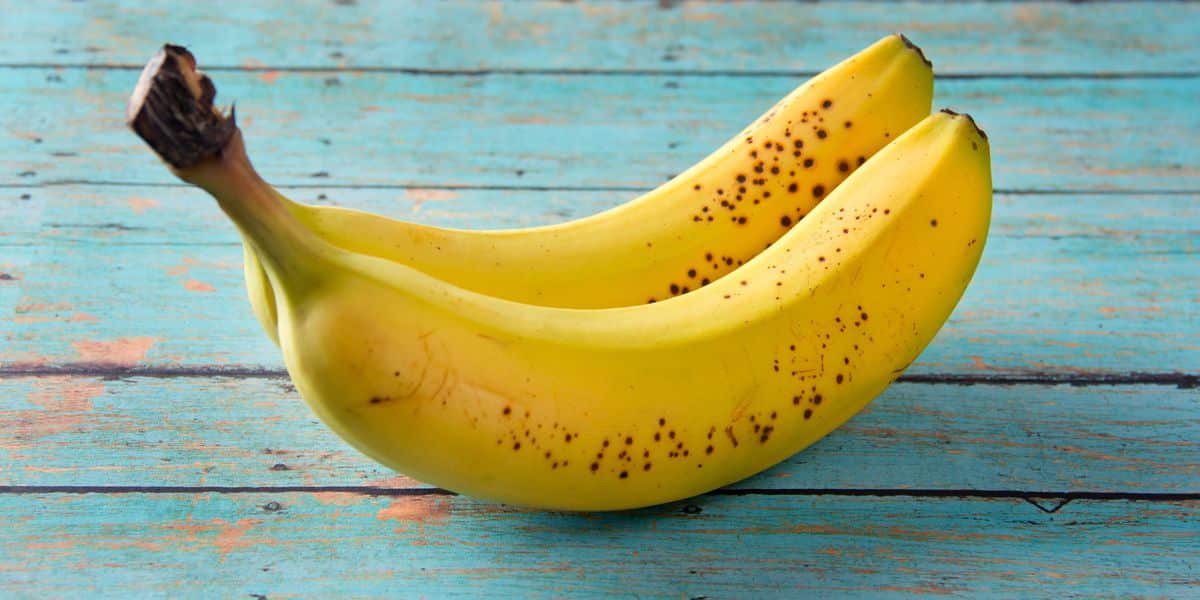
Banana peels might seem inedible, but they are actually nutrient-dense!
Why You Should Eat the Skin:
- Packed with Antioxidants & Lutein – Supports eye and skin health.
- Contains Tryptophan – A precursor to serotonin, which helps boost mood naturally.
Best Way to Eat: Blend banana peels into smoothies or tea for a nutrition boost.
10. Watermelon – Don’t Toss the Rind!
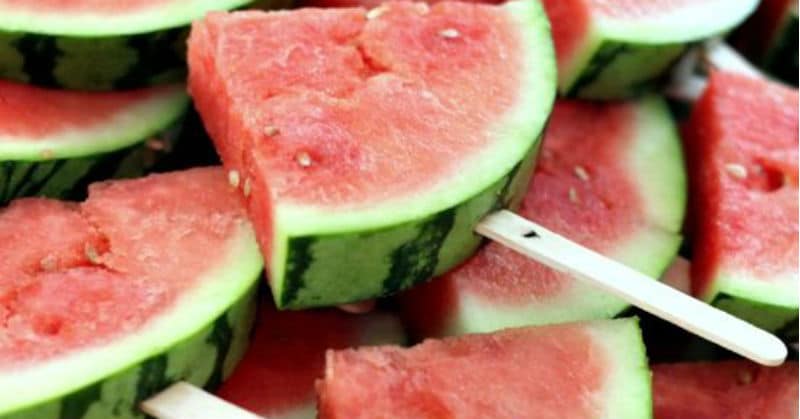
The pink flesh of watermelon gets all the attention, but the rind is a hidden gem!
Why You Should Eat the Rind:
- High in Citrulline – An amino acid that may improve circulation and heart health.
- Rich in Vitamins C & B6 – Supports immune function and energy levels.
Best Way to Eat: Stir-fry, pickle, or blend into smoothies or juices.
By keeping the skins on, you can maximize nutrient intake, reduce waste, and enjoy a more balanced diet.