During the hot summer months, many of us rely on artificial air-conditioning to stay comfortable at home and work. However, excessive use of AC units can increase electricity bills, harm respiratory health, and even contribute to environmental pollution.
What if there was a way to cool your home naturally without electricity? The good news is that you can air-condition your space using plants!
By introducing certain air-purifying and cooling plants into your indoor environment, you can enjoy a fresh, toxin-free, and naturally cooler home. These plants not only lower the temperature and increase humidity but also enhance your home’s aesthetic appeal.
Let’s explore five incredible plants that serve as natural cooling systems, helping you beat the heat in the most eco-friendly way possible.
Why Choose Plants Over Artificial Air-Conditioning?
Switching to a natural cooling system by using plants offers multiple advantages:
- Saves Money – Reduces electricity bills by minimizing AC usage.
- Air Purification – Removes toxins such as benzene, formaldehyde, and carbon monoxide.
- Eco-Friendly – Reduces energy consumption and carbon footprint.
- Humidity Control – Increases indoor moisture levels, preventing dry skin and respiratory issues.
- Boosts Mental Health – Enhances mood, reduces stress, and increases focus and productivity.
Unlike artificial cooling devices that can circulate bacteria and dry out the air, plants provide a safe, natural, and continuous cooling effect without negative side effects.
1. Areca Palm (Dypsis lutescens) – The Air-Purifying Giant
The Areca Palm is one of the best plants for naturally cooling and purifying indoor air. Known for its ability to remove toxins like carbon dioxide and formaldehyde, this tropical plant helps maintain a comfortable temperature by increasing humidity levels.
Key Benefits:
- Filters airborne toxins and pollutants.
- Increases humidity, preventing dry skin and respiratory issues.
- Adds a refreshing tropical feel to any space.
Care Tips:
- Place in bright, indirect sunlight.
- Water regularly, keeping the soil slightly moist.
- Choose a plant with a thicker trunk, as it is easier to maintain.

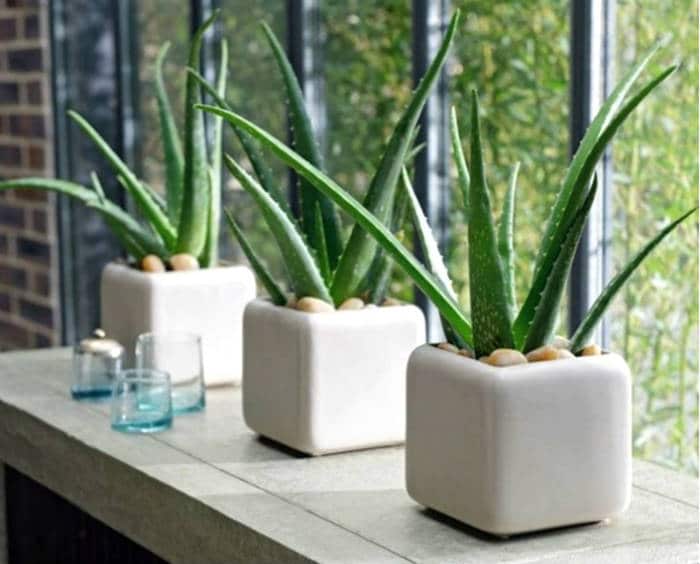
2. Aloe Vera – The Cooling & Healing Powerhouse
Aloe Vera is famous for its medicinal properties, but did you know that it also acts as a natural air conditioner? This plant absorbs excess heat, helping to maintain a cooler indoor environment. Additionally, it removes harmful toxins like benzene and formaldehyde, often released from cleaning agents and paints.
Key Benefits:
- Lowers air temperature and prevents indoor overheating.
- Purifies air by removing chemical toxins.
- Provides soothing gel for burns and skin irritation.
Care Tips:
- Prefers bright, indirect sunlight.
- Water sparingly (only when the soil is dry).
- Place near windows for maximum air-purification effects.
3. Ficus Tree (Ficus benjamina) – The Weeping Fig for Fresh Air
The Ficus tree, also called the Weeping Fig, is an excellent plant for cooling down indoor spaces. It effectively removes pollutants, dust, and toxins while maintaining a fresh, clean atmosphere.
Key Benefits:
- Acts as a natural air filter, reducing airborne toxins.
- Helps regulate oxygen levels, keeping rooms fresh and cool.
- Enhances indoor aesthetics with its lush green foliage.
Care Tips:
- Needs bright, indirect light – place near windows or patios.
- Keep soil moderately moist.
- Avoid sudden temperature changes to prevent leaf drop.

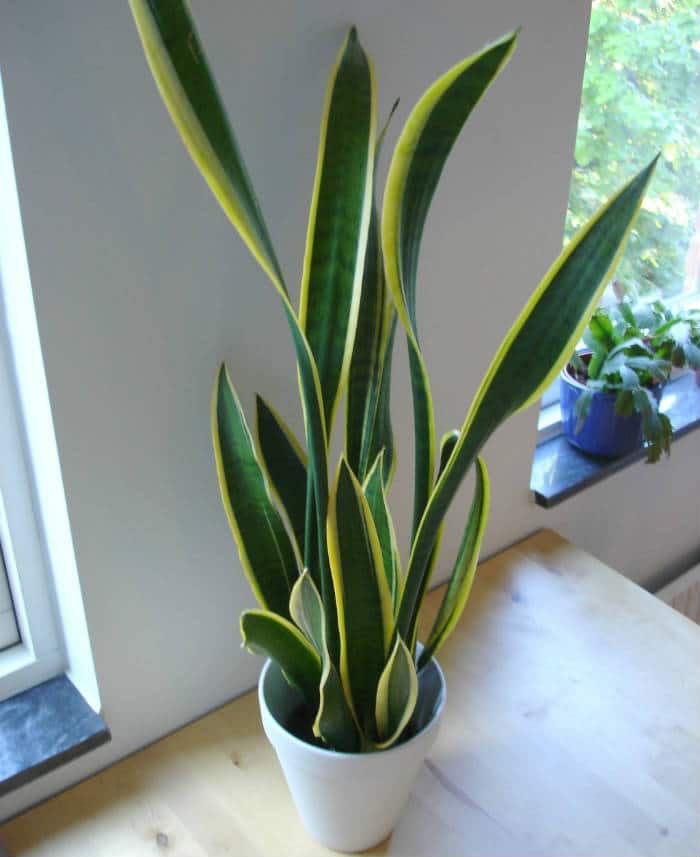
4. Snake Plant (Sansevieria trifasciata) – The Oxygen-Boosting Bedroom Plant
Unlike most plants that absorb oxygen at night, the Snake Plant continues to release oxygen 24/7, making it the perfect bedroom companion. It also absorbs excess carbon dioxide, helping to maintain a cooler and fresher indoor environment.
Key Benefits:
- Enhances indoor air quality by producing oxygen even at night.
- Reduces heat accumulation, preventing stuffiness in rooms.
- Extremely low-maintenance and drought-tolerant.
Care Tips:
- Requires minimal watering (water once every 2-3 weeks).
- Thrives in low-light conditions, but prefers indirect sunlight.
- Keep in bedrooms for optimal cooling and air purification.
5. Boston Fern (Nephrolepis exaltata) – The Natural Humidifier
The Boston Fern is a fantastic air-purifying and humidity-enhancing plant that helps regulate indoor temperature naturally. It’s particularly effective in filtering formaldehyde, xylene, and other airborne toxins.
Key Benefits:
- Increases humidity, preventing dry skin and throat irritation.
- Acts as a natural humidifier in air-conditioned rooms.
- Provides instant cooling effects without noisy AC units.
Care Tips:
- Keep in indirect sunlight or shaded areas.
- Mist regularly to maintain high humidity levels.
- Water frequently, ensuring the soil stays consistently moist.

By incorporating these natural cooling plants into your home, you can reduce reliance on artificial air-conditioning, save energy, and create a healthier, eco-friendly indoor environment.