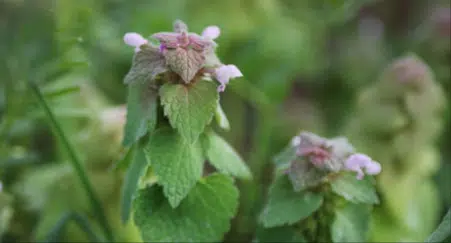
Purple dead-nettle (Lamium purpureum), often considered a common garden weed, is actually a powerful plant with numerous health benefits.
Known for its distinctive purple-tinged leaves and small pink flowers, this hardy plant grows abundantly in gardens, fields, and roadsides.
Despite its “weed” status, purple dead-nettle offers a variety of medicinal, nutritional, and practical uses that make it worth keeping around.
In this article, we’ll explore the surprising benefits of purple dead-nettle and how you can use it effectively for health and wellness.
What is Purple Dead-Nettle?
Purple dead-nettle is a member of the mint family (Lamiaceae) and is often confused with its cousin, the stinging nettle. Unlike stinging nettle, purple dead-nettle does not sting, making it easy and safe to handle.
It is characterized by its heart-shaped, hairy leaves that have a purple tint at the top and small tubular pink or purple flowers.
Health Benefits of Purple Dead-Nettle
- Anti-Inflammatory Properties
Purple dead-nettle has natural anti-inflammatory properties that help reduce inflammation and swelling in the body. It can be particularly helpful for soothing skin irritations, minor cuts, and burns.
- How It Works: The plant contains compounds like flavonoids and phenolic acids, which have been shown to reduce inflammation and promote healing.
- Rich in Antioxidants
This plant is packed with antioxidants, including vitamin C, which helps fight free radicals in the body, reducing oxidative stress and supporting overall health.
- Benefit: Consuming antioxidant-rich foods like purple dead-nettle may help reduce the risk of chronic diseases such as heart disease and cancer.
- Supports Immune Health
Purple dead-nettle is known to have antibacterial and antiviral properties that can help boost the immune system and protect against common infections.
- How It Works: Compounds in the plant, such as tannins, help inhibit the growth of harmful bacteria and viruses, supporting the body’s natural defense mechanisms.
- Nutrient-Rich
Purple dead-nettle is a good source of vitamins A and C, iron, fiber, and other essential nutrients. These nutrients contribute to overall health, including improved digestion, better vision, and stronger immunity.
- Benefit: Adding this plant to your diet can provide a nutrient boost, especially in early spring when other greens may not yet be available.
- Natural Allergy Relief
The plant is known to help alleviate allergy symptoms such as sneezing, runny nose, and itchy eyes due to its natural anti-inflammatory and antihistamine properties.
- How It Works: By reducing inflammation and blocking histamine response, purple dead-nettle can help lessen the severity of seasonal allergies.
- Promotes Wound Healing
Purple dead-nettle has astringent properties that help stop bleeding and promote the healing of minor wounds and cuts. It is often used as a natural first-aid remedy for scrapes and insect bites.
- How It Works: The tannins in the plant help contract tissues and reduce bleeding, while its antibacterial properties prevent infection.
How to Use Purple Dead-Nettle
1. Culinary Uses
Purple dead-nettle can be eaten raw or cooked and makes a great addition to many dishes due to its mild, slightly sweet flavor.
- Salads: Add young purple dead-nettle leaves and flowers to salads for a nutritious boost.
- Smoothies: Blend fresh leaves into smoothies for added vitamins and minerals.
- Soups and Stews: Use purple dead-nettle as a nutrient-dense green in soups, stews, or stir-fries.
2. Tea for Immune Support
Purple dead-nettle tea is an excellent way to enjoy its health benefits, especially for boosting immunity and relieving allergies.
- How to Make: Steep a handful of fresh or dried purple dead-nettle leaves in boiling water for 10-15 minutes. Strain and enjoy with honey or lemon.
- Benefit: Drink this tea regularly during allergy season or whenever you feel a cold coming on.
3. Topical Applications for Skin Health
Purple dead-nettle can be used externally to soothe skin irritations, cuts, and burns.
- Poultice: Crush fresh leaves into a paste and apply directly to the affected area to reduce swelling, pain, and redness.
- Salve: Infuse purple dead-nettle leaves in olive oil for several weeks, then strain and mix with beeswax to create a healing salve for minor cuts, scrapes, and insect bites.
4. Homemade Infusions for Hair and Scalp Health
The antibacterial properties of purple dead-nettle make it an excellent choice for homemade hair rinses that promote a healthy scalp.
- How to Make: Infuse dried purple dead-nettle leaves in boiling water, let it cool, and use it as a final rinse after shampooing to help reduce dandruff and promote healthy hair.
5. Natural Dye
Purple dead-nettle can be used to make a natural dye for fabrics, yarns, or Easter eggs.
- How to Use: Boil the leaves and flowers in water with a little vinegar to extract a soft, greenish-yellow dye that can be used for natural dyeing projects.
Tips for Harvesting Purple Dead-Nettle
- Identify Correctly: Make sure you correctly identify purple dead-nettle, as it can be easily mistaken for other similar plants. Look for its characteristic heart-shaped leaves with a purple tint and small pink or purple flowers.
- Harvest Young Plants: Harvest young plants in early spring when they are tender and less bitter.
- Use Fresh or Dried: Purple dead-nettle can be used fresh or dried for various purposes. To dry, spread the leaves and flowers in a single layer and store them in a cool, dark place.
Purple dead-nettle is much more than just a common weed—it’s a valuable plant with a wide range of health benefits and uses.
From boosting immunity and relieving allergies to promoting wound healing and providing essential nutrients, this plant deserves a place in your garden and your home remedies.
Whether you use it in tea, salads, salves, or natural dyes, purple dead-nettle offers many benefits that make it worth keeping around.