Gardening is a rewarding and fulfilling hobby, but it can also be time-consuming and challenging without the right tricks up your sleeve.
Whether you’re a beginner gardener or an experienced green thumb, these genius gardening life-hacks will make your gardening experience easier, more productive, and enjoyable!
From using kitchen scraps to improve soil quality to DIY pest control solutions, these tips will help you grow stronger, healthier plants while saving time and effort.
1. Use Eggshells as Natural Fertilizer
Eggshells are an excellent source of calcium, which helps strengthen plant cell walls and prevent issues like blossom end rot in tomatoes and peppers.
How to Use Eggshells in Your Garden:
✔ Crush eggshells into small pieces and sprinkle them around plants.
✔ Grind them into powder and mix into soil before planting.
✔ Soak eggshells in water overnight to make an easy liquid fertilizer.
🌿 Pro Tip: Eggshells also act as a natural pest deterrent, keeping slugs and snails away from your plants!
2. Use Coffee Grounds to Enrich Soil
Used coffee grounds are packed with nitrogen, phosphorus, and potassium, making them a great natural fertilizer.
How to Use Coffee Grounds in Your Garden:
✔ Sprinkle used coffee grounds directly on soil to improve fertility.
✔ Mix into compost bins for a rich organic amendment.
✔ Brew coffee ground “tea” by steeping them in water and using it to water plants.
🌱 Pro Tip: Coffee grounds also help repel pests like ants, slugs, and cats from digging in your garden beds.
3. Start Seeds in Citrus Peels
Citrus peels make excellent biodegradable seed starters, providing nutrients as they decompose.
How to Do It:
✔ Cut an orange, lemon, or grapefruit in half and remove the fruit.
✔ Fill the peel with potting soil and plant a seed inside.
✔ Once seedlings are strong, plant the entire peel into the ground.
🍊 Pro Tip: The slow decomposition of citrus peels releases nutrients into the soil, feeding your plants as they grow!
4. Use Plastic Bottles for DIY Drip Irrigation
If you’re tired of constantly watering your plants, create a simple DIY drip irrigation system using plastic bottles.
How to Set Up DIY Drip Irrigation:
✔ Poke holes in the sides of a plastic bottle.
✔ Bury the bottle next to your plant, leaving the top exposed.
✔ Fill with water and let it slowly hydrate the roots.
💦 Pro Tip: This method is perfect for tomatoes, cucumbers, and peppers, keeping them hydrated even on the hottest days!
5. Bananas for Bloom Boosting
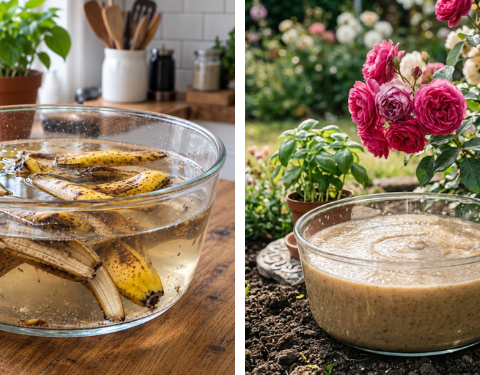
Banana peels are rich in potassium and phosphorus, essential for flowering plants and fruit production.
How to Use Bananas in Your Garden:
✔ Bury banana peels around the base of plants.
✔ Blend peels into a natural liquid fertilizer.
✔ Add them to your compost pile to break down and enrich the soil.
🍌 Pro Tip: Roses love banana peels! Bury one near the roots for bigger, more vibrant blooms.
6. Grow Herbs in Water Instead of Soil
Many herbs like basil, mint, and rosemary grow just as well in water as they do in soil.
How to Grow Herbs in Water:
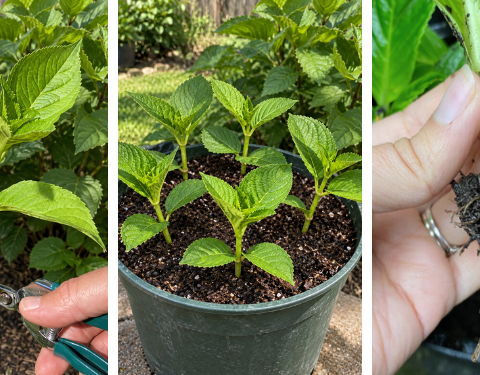
✔ Take fresh herb cuttings and remove lower leaves.
✔ Place the cuttings in a glass jar filled with water.
✔ Change the water every few days and watch your herbs flourish!
🌿 Pro Tip: This method allows you to grow fresh herbs year-round indoors without the hassle of soil!
7. Companion Planting for Natural Pest Control
Companion planting is an organic way to control pests and improve plant health by strategically placing plants together.
Best Companion Plant Pairings:
✔ Tomatoes + Basil → Basil repels tomato hornworms.
✔ Carrots + Onions → Onions deter carrot flies.
✔ Cabbage + Marigolds → Marigolds keep aphids and cabbage moths away.
🌻 Pro Tip: Planting chives or garlic near roses prevents aphid infestations.
8. Epsom Salt for Greener Plants
Epsom salt is a natural source of magnesium and sulfur, both essential for healthy plant growth.
How to Use Epsom Salt in the Garden:
✔ Dissolve 1 tablespoon in a gallon of water and spray on plant leaves.
✔ Sprinkle around plant bases to improve soil quality.
✔ Use for tomatoes, peppers, and roses to enhance flower and fruit production.
🌱 Pro Tip: Yellowing leaves? A little Epsom salt solution can help restore their vibrant green color!
9. Vinegar for Natural Weed Control
Avoid toxic herbicides by using vinegar to kill unwanted weeds naturally.
How to Use Vinegar for Weed Control:
✔ Mix white vinegar with a few drops of dish soap.
✔ Spray directly on weeds, avoiding surrounding plants.
✔ Apply on a sunny day for the best results.
🌿 Pro Tip: Vinegar also helps clean gardening tools and remove rust or mineral buildup!
10. Keep Soil Moist with Mulching
Mulching is an easy way to conserve water, regulate soil temperature, and prevent weeds.
Best Mulching Materials:
✔ Grass clippings – Adds nitrogen to the soil.
✔ Straw or hay – Great for vegetable gardens.
✔ Wood chips or bark – Ideal for flower beds.
🌱 Pro Tip: Mulch reduces the need for frequent watering while keeping soil cool and moist.
Final Thoughts: Make Gardening Easier and More Fun!
With these 10 genius gardening life-hacks, you can:
✔ Grow healthier, more productive plants.
✔ Reduce pests and diseases naturally.
✔ Save time, effort, and money in your garden.
🌿 Start incorporating these hacks today and enjoy a thriving, beautiful garden! 🌻🍅🌾