Air pollution isn’t just an outdoor problem—it’s an issue inside our homes too! In fact, indoor air can be even more polluted than outdoor air due to dust, mold, and toxic chemicals found in household products.
So, how can you improve your home’s air quality without spending a fortune on purifiers? The answer is simple: add air-purifying plants!
Plants naturally filter the air, removing toxins and releasing fresh oxygen. Here are some of the best indoor plants to keep your air clean and your home healthier!
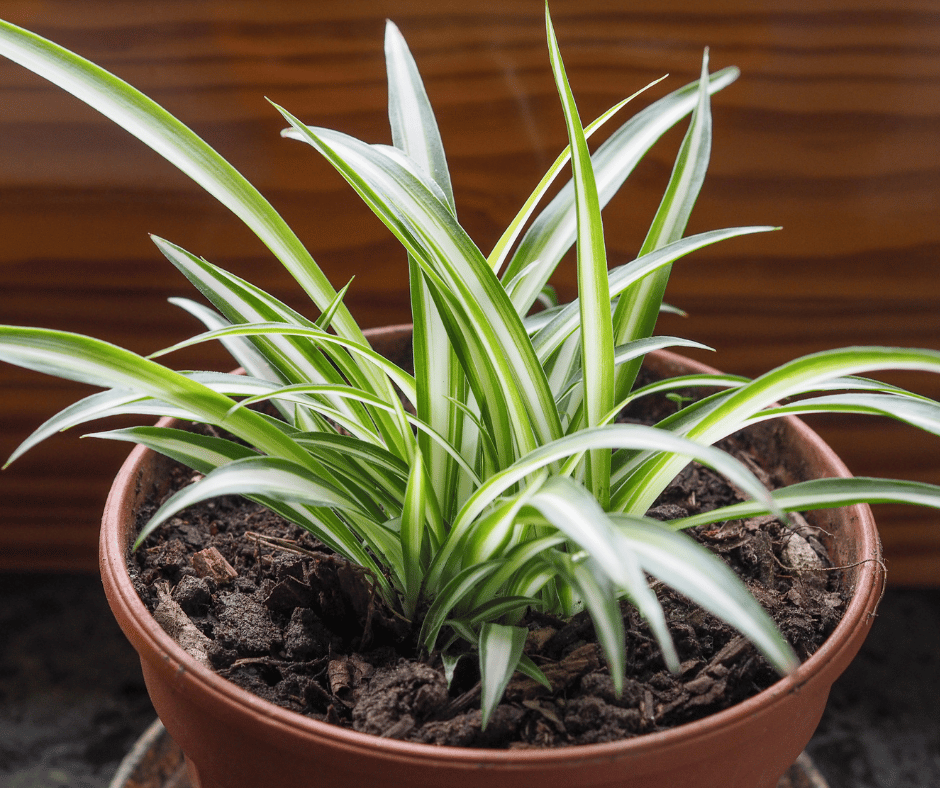
1. Spider Plant (Chlorophytum comosum)
If you tend to forget about watering, the spider plant is perfect for you! It’s low-maintenance and thrives in indirect sunlight.
✅ Air-Purifying Benefits: Removes formaldehyde and xylene from the air.
✅ Care Tips: Water occasionally and keep in indirect light.
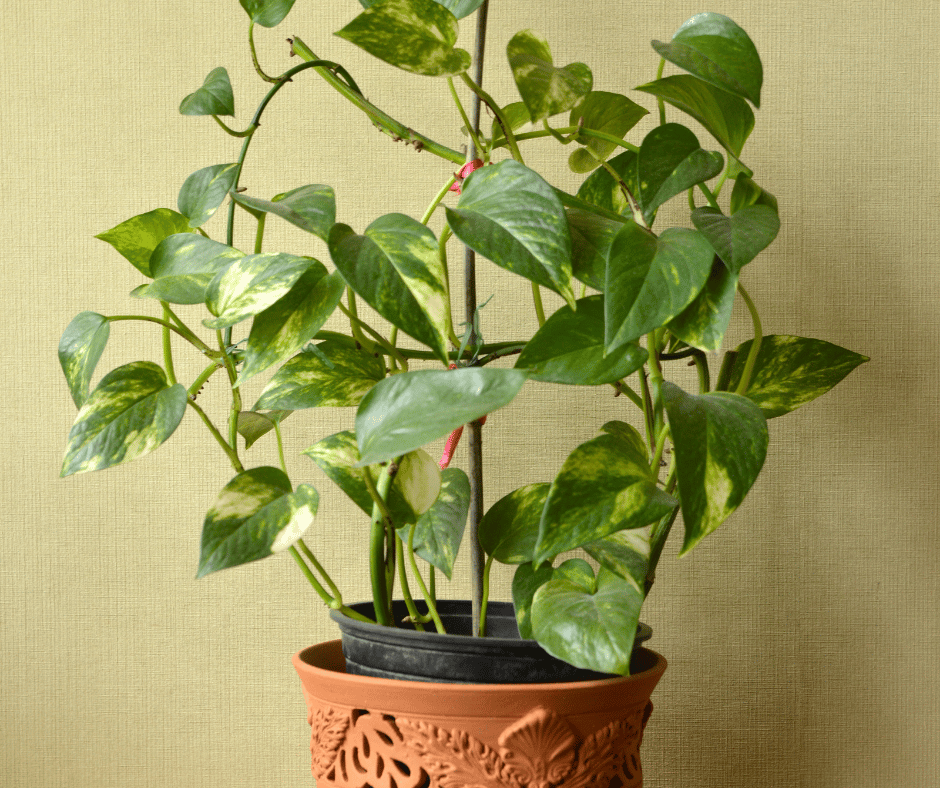
2. Golden Pothos (Epipremnum aureum)
Golden Pothos is an easy-growing vine that thrives in various lighting conditions, making it ideal for any room.
✅ Air-Purifying Benefits: Filters benzene, formaldehyde, xylene, toluene, and carbon monoxide.
✅ Care Tips: Place in bright, indirect light and water when soil feels dry.
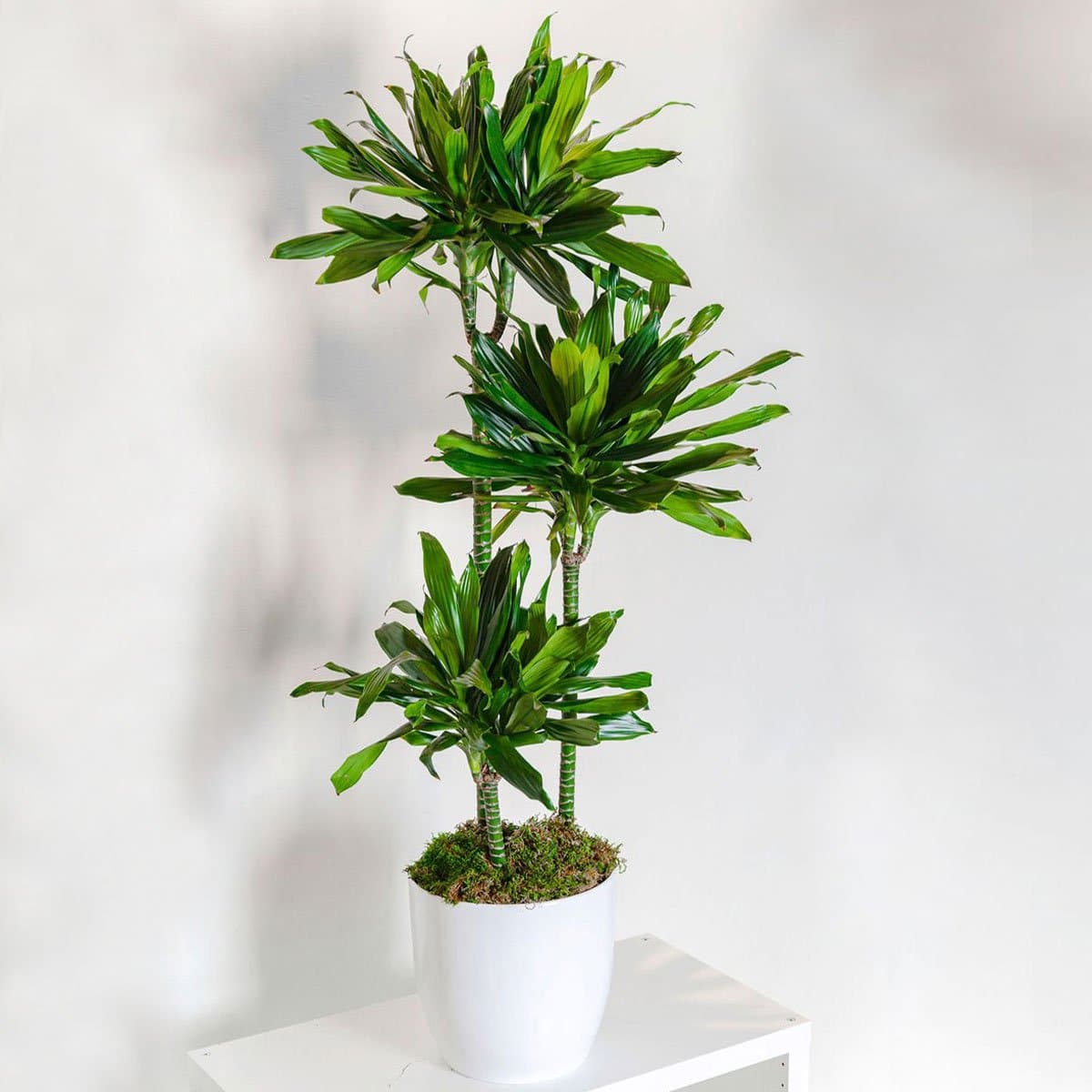
3. Dracaena (Dracaena spp.)
With its long, tropical leaves, Dracaena is both decorative and functional in removing airborne toxins.
✅ Air-Purifying Benefits: Absorbs benzene, formaldehyde, and trichloroethylene.
✅ Care Tips: Prefers moderate light and occasional watering.
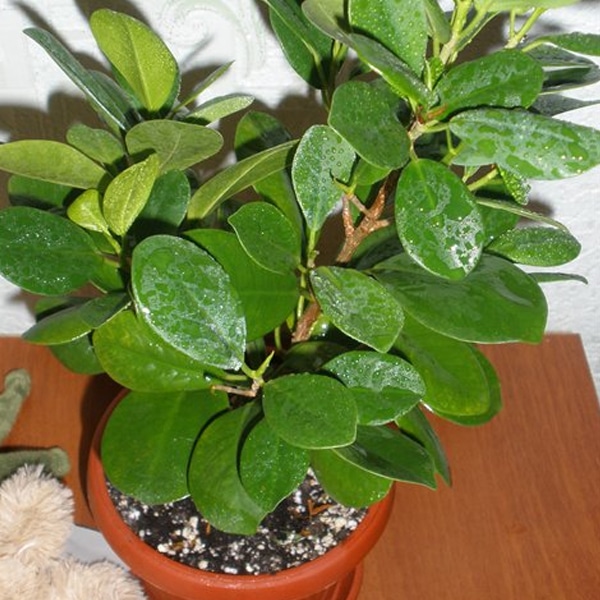
4. Ficus/Weeping Fig (Ficus benjamina)
This elegant indoor tree helps filter harmful chemicals from the air while adding a touch of greenery.
✅ Air-Purifying Benefits: Removes benzene, formaldehyde, and trichloroethylene.
✅ Care Tips: Needs bright, indirect sunlight and occasional watering (allow soil to dry between waterings).
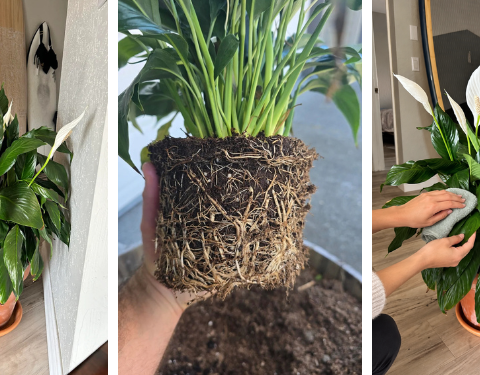
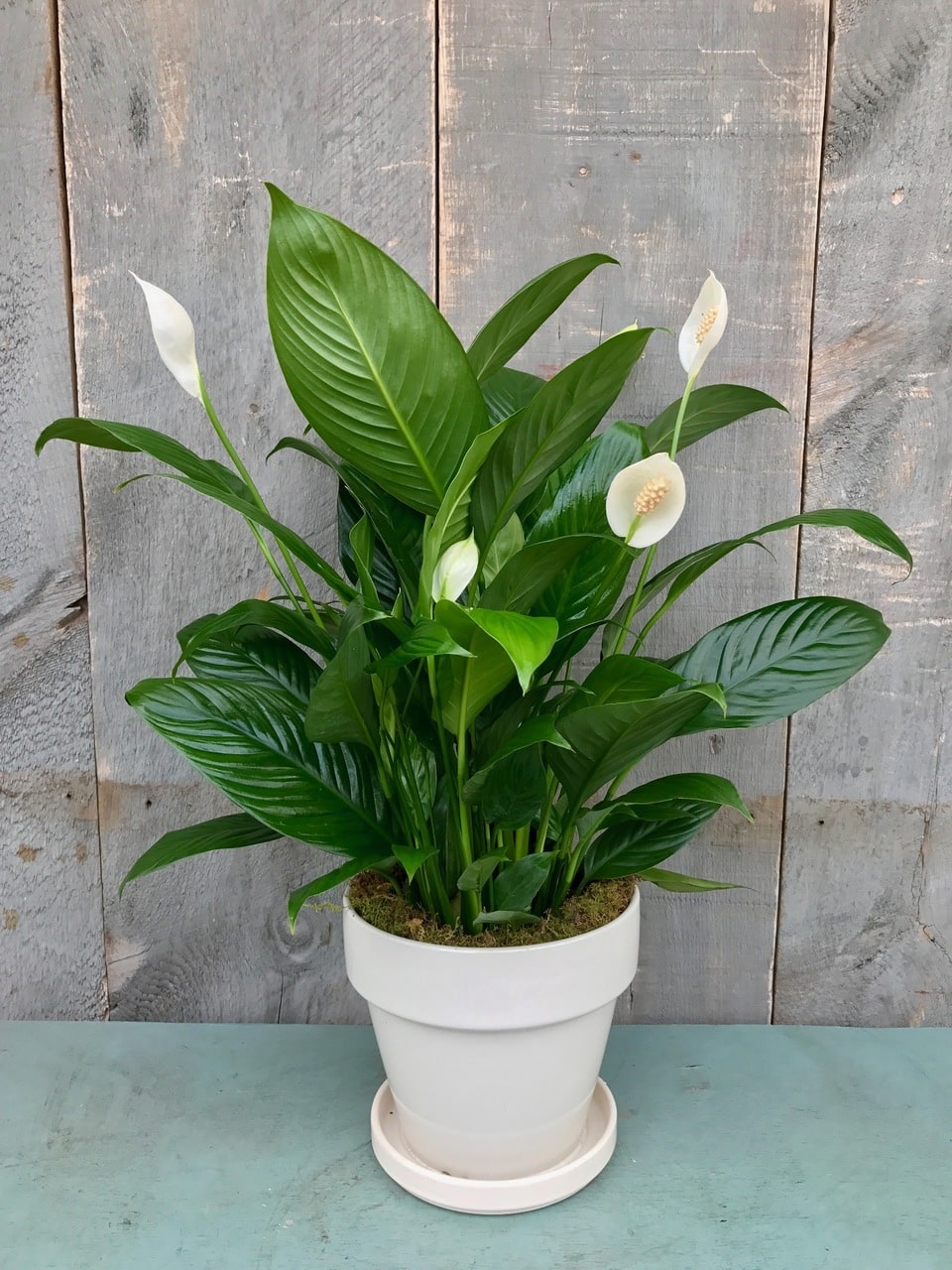
5. Peace Lily (Spathiphyllum)
Not only is the Peace Lily visually stunning, but it’s also one of the best plants for removing toxins from your home.
✅ Air-Purifying Benefits: Absorbs ammonia, benzene, formaldehyde, and trichloroethylene.
✅ Care Tips: Prefers low to moderate light and requires regular watering.
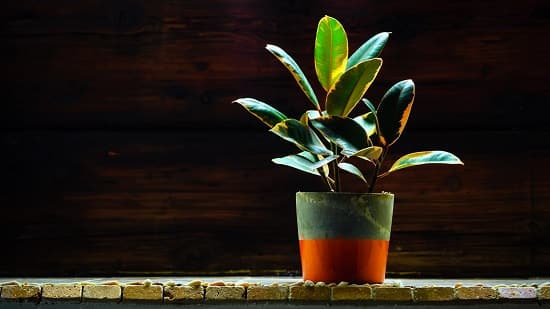
6. Rubber Plant (Ficus elastica)
With its thick, glossy leaves, the Rubber Plant is both striking and effective in filtering indoor air.
✅ Air-Purifying Benefits: Eliminates carbon monoxide, formaldehyde, and trichloroethylene.
✅ Care Tips: Thrives in bright, indirect light and needs occasional watering.
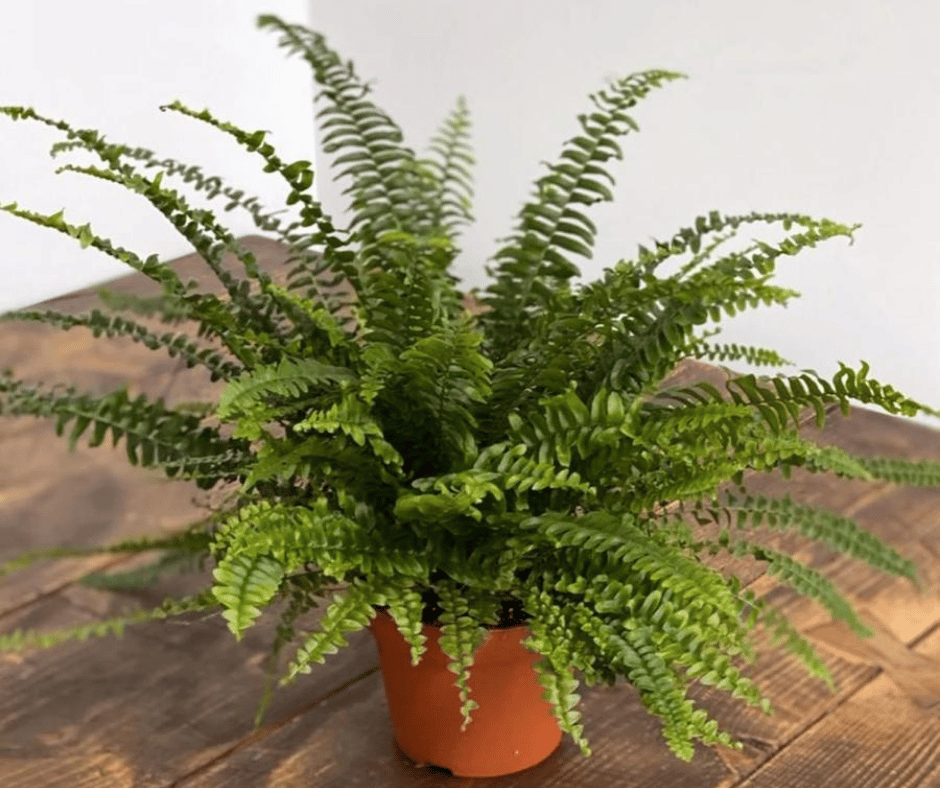
7. Boston Fern (Nephrolepis exaltata)
Boston Ferns are excellent at increasing humidity levels, making them a great choice for dry indoor spaces.
✅ Air-Purifying Benefits: Removes formaldehyde and xylene while adding moisture to the air.
✅ Care Tips: Needs indirect light and frequent misting to maintain humidity.
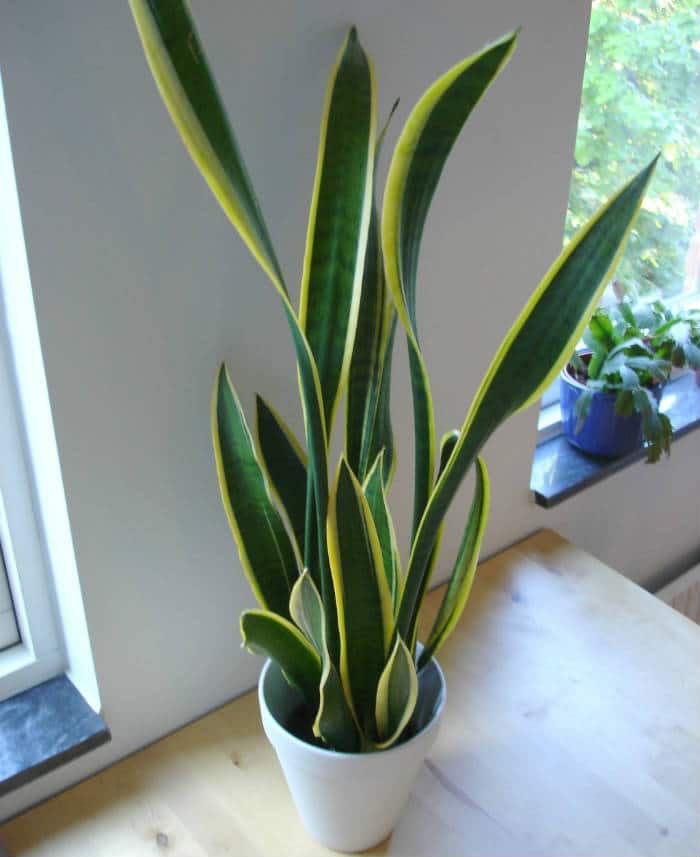
8. Snake Plant (Sansevieria trifasciata)
Also known as Mother-in-Law’s Tongue, the Snake Plant is one of the best plants for filtering toxins and requires minimal care.
✅ Air-Purifying Benefits: Absorbs benzene, formaldehyde, trichloroethylene, and nitrogen oxides.
✅ Care Tips: Thrives in low light and dry conditions, making it perfect for bathrooms or kitchens.
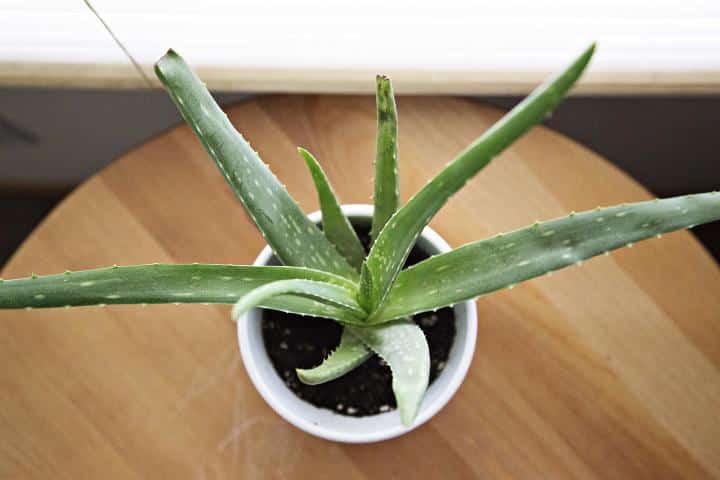
9. Aloe Vera (Aloe barbadensis miller)
This low-maintenance succulent is known for its medicinal properties and air-purifying abilities.
✅ Air-Purifying Benefits: Removes formaldehyde from the air.
✅ Care Tips: Needs bright sunlight and occasional watering.
Breathe Easier with Indoor Plants
Adding just a few of these air-purifying plants can make a significant difference in your home’s air quality.
They’re a natural, budget-friendly solution to reducing indoor toxins while bringing a touch of nature into your space.