Basil is not just a delicious culinary herb – it’s a symbol of summer gardens, fragrant foliage, and rich flavors that can elevate everything from pasta sauces to fresh salads.
But growing basil successfully, especially in abundance, requires more than just planting seeds and hoping for the best.
If you’ve ever had basil go to seed too early, develop yellow leaves, or struggle to produce healthy growth, you’re not alone. This guide is for every gardener who wants to master the art of basil cultivation.
In this comprehensive article, you’ll learn 9 essential basil growing tips that will help you grow a lush, flavorful, and long-lasting basil crop whether you’re growing in containers, raised beds, or directly in the ground.
1. Choose the Right Basil Variety for Your Needs
Not all basil is created equal. There are more than 50 varieties, each with distinct characteristics in flavor, size, and appearance. Choosing the right one for your climate and purpose will drastically increase your success.
Common Types of Basil:
- Genovese Basil: Best for traditional Italian cooking. Large, tender leaves and sweet flavor.
- Thai Basil: Spicy, anise-like flavor. Great for Asian dishes. Purple stems and flowers.
- Lemon Basil: Citrusy aroma, ideal for fish and desserts.
- Purple Basil (e.g., ‘Dark Opal’): Ornamental and flavorful. Makes a stunning garnish.
- Holy Basil (Tulsi): Used in teas and traditional medicine. Strong, clove-like scent.
Tip: If you’re growing for pesto or fresh use, stick with Genovese or Sweet Basil.
2. Start Seeds Indoors (or Know When to Direct Sow)
Starting basil from seed can give you a head start, especially if you live in a cooler climate.
Starting Indoors:
- Begin 4–6 weeks before your last expected frost date.
- Use a lightweight, well-draining seed-starting mix.
- Keep the soil consistently moist and warm (70–75°F).
- Provide 12–14 hours of light daily via a sunny window or grow lights.
Direct Sowing:
- Wait until all danger of frost has passed and the soil temperature is at least 60°F.
- Sow seeds 1/4 inch deep and keep moist until germination (usually 5–10 days).
Pro Tip: Basil hates cold, so don’t rush it outdoors. A single cold night below 50°F can stunt your plant permanently.
3. Basil Loves the Heat – Give It Full Sun
Basil thrives in warm, sunny conditions. To reach its full leafy potential, provide:
- At least 6–8 hours of full sun daily.
- Warm, well-draining soil (65°F and above).
- Protection from strong winds or drafts.
In northern climates or early spring, consider growing basil in containers so you can move them to maximize sun exposure.
4. Use Well-Draining, Nutrient-Rich Soil
Basil is relatively low-maintenance, but poor soil can cause yellowing leaves, poor flavor, and slow growth.
Ideal Soil Conditions:
- Loamy and rich in organic matter (add compost before planting).
- pH level between 6.0 and 7.5.
- Good drainage is critical. Avoid soggy soil, which leads to root rot.
Mix in a balanced organic fertilizer at planting time, and continue to feed basil every 3–4 weeks with a diluted liquid fertilizer or compost tea.
5. Pinch for Bushier Growth and Better Yield
One of the biggest secrets to prolific basil? Pinching. Basil naturally wants to flower and go to seed, but that signals the end of leaf production.
How to Pinch Basil:
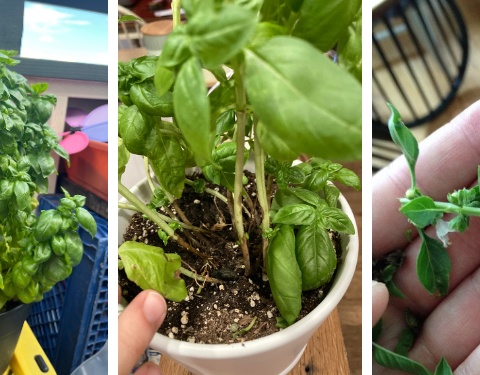
- Once your plant has at least 6 sets of leaves, pinch off the central stem just above a leaf node.
- Continue to pinch the top few inches every week or two to encourage branching.
- Always pinch flowers as soon as they appear. Flowering reduces leaf flavor and production.
Tip: Regular harvesting = healthier, bushier plants. Never be afraid to use your basil!
6. Water Correctly (But Don’t Overdo It)
Basil loves moisture but hates soggy roots. Striking the right balance is key.
Watering Tips:
- Water deeply once the top inch of soil feels dry.
- In hot weather, you may need to water daily.
- Water at the base of the plant to avoid fungal diseases.
- Avoid overhead watering, especially in humid climates.
Yellowing leaves, drooping, or root rot are all signs of too much water.
7. Keep Basil from Bolting (Going to Seed)
Bolting is when basil starts to flower and go to seed. This usually happens in hot weather or when the plant feels stressed.
How to Prevent Bolting:
- Pinch flowers regularly before they bloom.
- Harvest frequently to redirect energy into leaf growth.
- Provide mulch to retain moisture and reduce soil temperature.
- Grow in partial afternoon shade if your summers are very hot.
If your basil bolts, you can still use the leaves, but the taste may turn bitter.
8. Harvest the Right Way (And Often)
Harvesting basil the right way increases production and prolongs the life of the plant.
Best Practices:
- Always harvest in the morning when leaves are most flavorful.
- Never remove more than 1/3 of the plant at once.
- Use clean scissors or pinch just above a leaf node.
- Encourage multiple stems to grow by cutting above leaf pairs.
Want a bigger harvest? Harvest more often!
9. Grow Basil Indoors During Cold Months
Don’t let basil season end with summer. You can grow basil indoors year-round with the right setup.
Indoor Basil Growing Tips:
- Use a 6–8 inch pot with good drainage.
- Place in the sunniest window possible (south-facing preferred).
- Supplement with grow lights if light is insufficient.
- Keep indoor temperatures between 65–80°F.
Indoor basil may not grow as large or fast, but it will still yield enough for fresh garnishes and cooking.
Bonus Tips for Growing Basil Like a Pro
- Mulch around basil plants to retain soil moisture and suppress weeds.
- Avoid planting basil near rue or sage, which can stunt its growth.
- Companion plant with tomatoes and peppers. Basil improves their flavor and helps repel pests like thrips and aphids.
- Use fresh basil often in cooking. The more you use it, the more you’ll get.
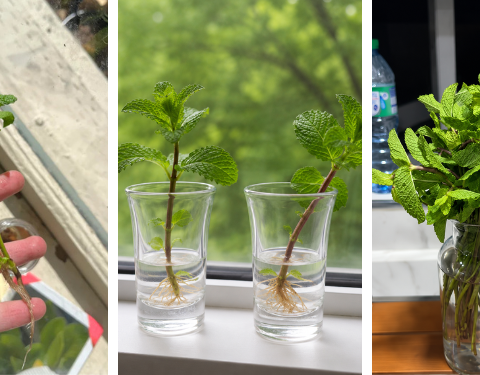
- Try propagating basil from cuttings in water for endless supply.
Common Basil Growing Problems and How to Solve Them
| Problem | Cause | Solution |
|---|---|---|
| Yellow leaves | Overwatering or nutrient deficiency | Improve drainage and apply balanced fertilizer |
| Small leaves | Lack of sun or nutrients | Move to sunnier spot and fertilize |
| Wilting | Under or overwatering | Check soil moisture and adjust watering schedule |
| Black spots | Fungal disease | Remove infected leaves and avoid overhead watering |
Growing basil can be one of the most rewarding gardening experiences.
Whether you’re cultivating a lush herb bed, dotting containers on your balcony, or tucking basil among your tomato plants, this fragrant herb is a must-have.
By following these 9 essential tips – selecting the right variety, pinching, proper watering, and more – you’ll enjoy endless harvests of fresh, aromatic leaves all season long.