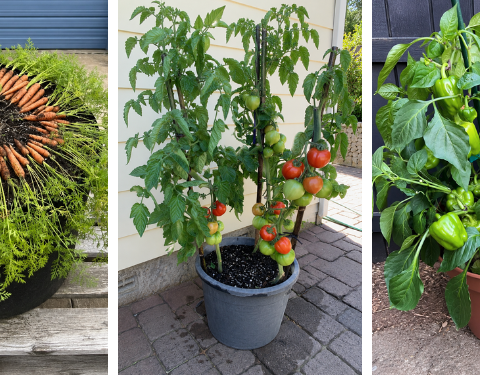
Tomatoes are a favorite in many gardens due to their versatility, delicious taste, and nutritional value. However, successfully growing tomatoes isn’t just about good soil, sunlight, and watering; it’s also about the plants you choose to grow nearby.
Some plants can enhance tomato growth, repel pests, and even improve flavor, while others can do more harm than good.
In this article, we’ll discuss seven plants you should never plant with tomatoes and four that make perfect companions to ensure a bountiful harvest.
1. Cabbage Family (Brassicas: Cabbage, Broccoli, Cauliflower, Kale)
Why They Don’t Get Along
Tomatoes and members of the cabbage family (Brassicas) such as cabbage, broccoli, cauliflower, and kale should never be planted together. Brassicas are heavy feeders that require a lot of nutrients, which can compete directly with tomatoes for essential resources like nitrogen and potassium.
Key Issues:
- Nutrient Competition: Both tomatoes and Brassicas are nutrient-demanding, leading to competition for nutrients, which can stunt the growth of both plants.
- Allelopathy: Some Brassica plants release chemicals that inhibit the growth of neighboring plants, including tomatoes.
2. Corn
Why They Don’t Get Along
Corn is another plant that does not make a good neighbor for tomatoes. Both plants are susceptible to a common pest: the corn earworm (also known as the tomato fruitworm). Planting them together can increase the risk of a widespread pest infestation.
Key Issues:
- Pest Attraction: The corn earworm and tomato fruitworm are attracted to both plants, making it easier for them to spread between crops.
- Space Competition: Both corn and tomatoes grow tall and need plenty of space, which can lead to crowding and reduced airflow, encouraging fungal diseases.
3. Dill
Why They Don’t Get Along
Dill is a common herb that can be beneficial for some plants but not for tomatoes. While young dill plants can initially support tomato growth by attracting beneficial insects, mature dill can stunt tomato growth and inhibit fruit production.
Key Issues:
- Growth Inhibition: Mature dill releases chemicals that can stunt tomato growth.
- Allelopathic Effects: Dill can affect the growth of tomato roots, leading to reduced vigor and fruit production.
4. Fennel
Why They Don’t Get Along
Fennel is a plant that is notorious for its poor compatibility with most vegetables, including tomatoes. It produces a substance that inhibits the growth of nearby plants.
Key Issues:
- Allelopathy: Fennel releases chemicals that can hinder the growth of tomatoes and other plants, reducing their productivity.
- Pest Issues: Fennel does not repel any of the common tomato pests and can even attract aphids and slugs.
5. Potatoes
Why They Don’t Get Along
Tomatoes and potatoes are both members of the nightshade family (Solanaceae), making them susceptible to the same diseases and pests, such as blight. Planting them together increases the risk of spreading diseases and attracting pests.
Key Issues:
- Disease Spread: Both tomatoes and potatoes are highly susceptible to blight, and planting them together can result in a rapid spread of the disease.
- Pest Attraction: Common pests like aphids, beetles, and potato beetles are attracted to both plants.
6. Walnut Trees
Why They Don’t Get Along
Walnut trees, particularly black walnut, produce a chemical called juglone, which is toxic to many plants, including tomatoes. This compound can leach into the soil from the tree’s roots, leaves, and nuts, affecting nearby plants.
Key Issues:
- Juglone Toxicity: Tomatoes are highly sensitive to juglone, which can cause wilting, yellowing, and death of the plant.
- Soil Contamination: The toxic effects of juglone can persist in the soil, affecting tomato plants for several years.
7. Eggplants
Why They Don’t Get Along
Like tomatoes, eggplants are also part of the nightshade family. While they may seem like a compatible pair, planting them together can be problematic because they share many of the same pests and diseases.
Key Issues:
- Pest Overlap: Common pests such as aphids, whiteflies, and spider mites target both tomatoes and eggplants.
- Disease Susceptibility: Both plants are vulnerable to verticillium wilt, bacterial wilt, and blight, increasing the risk of disease spread when planted together.
8. Peppers
Why They Don’t Get Along
Peppers and tomatoes are both members of the nightshade family and have similar growing requirements. However, planting them together can increase the risk of disease and pest problems.
Key Issues:
- Shared Pests and Diseases: Both plants are susceptible to the same pests (such as aphids and whiteflies) and diseases (like blight and bacterial spots).
- Nutrient Competition: Tomatoes and peppers are both heavy feeders that require ample nutrients, leading to competition for resources if planted too close together.
9. Carrots
Why They Don’t Get Along
Carrots may not seem like a bad companion at first glance, but they can cause some problems when planted near tomatoes. As tomato plants grow, they develop extensive root systems that can compete with the more delicate roots of carrots.
Key Issues:
- Root Competition: Tomato roots can overshadow and interfere with the growth of carrot roots, leading to smaller carrots.
- Harvesting Difficulties: The large root systems of tomatoes can make it difficult to harvest carrots without damaging both crops.
4 Plants You Should Plant with Tomatoes
While avoiding these troublesome companions, there are several plants that tomatoes love to grow near. Here are four great companions that benefit your tomato plants:
1. Basil
Why It Works:
Basil is a classic companion plant for tomatoes. Its strong aroma is believed to repel pests like aphids, whiteflies, and mosquitoes. Many gardeners also claim that basil enhances the flavor of tomatoes when grown together.
Benefits:
- Pest Control: Repels harmful insects.
- Improved Flavor: Some gardeners swear by basil’s ability to make tomatoes taste sweeter.
Planting Tip:
Plant basil around the base of tomato plants, spaced about 12-18 inches apart.
2. Marigolds
Why It Works:
Marigolds are known for their pest-repellent properties. They can deter nematodes, whiteflies, and other pests that commonly attack tomatoes. Plus, marigolds add a pop of color to your garden.
Benefits:
- Pest Repellent: Reduces harmful nematode populations and deters other pests.
- Aesthetic Appeal: Adds beauty and diversity to your garden beds.
Planting Tip:
Plant marigolds along the borders of your tomato bed or intersperse them among the tomato plants.
3. Garlic
Why It Works:
Garlic is an excellent companion for tomatoes because its strong scent can deter pests like aphids, spider mites, and whiteflies. Garlic also has antifungal properties that may help protect tomatoes from certain diseases.
Benefits:
- Pest Control: Deters many common pests.
- Disease Prevention: Can help prevent fungal infections in tomato plants.
Planting Tip:
Plant garlic cloves around your tomato plants in the early spring or fall for best results.
4. Nasturtiums
Why It Works:
Nasturtiums act as a trap crop for aphids, drawing them away from tomato plants. They also deter whiteflies and other pests while adding beauty to your garden with their bright flowers.
Benefits:
- Trap Crop: Attracts aphids away from tomatoes.
- Pest Deterrent: Deters whiteflies and other pests.
Planting Tip:
Plant nasturtiums around the edges of your tomato bed or intersperse them among the plants.
Choosing the right companions for your tomatoes is essential for a healthy and productive garden.
By avoiding plants like cabbage family members, corn, dill, fennel, potatoes, eggplants, and walnut trees, you can reduce the risk of competition, disease, and pest problems. Instead, opt for companions like basil, marigolds, garlic, and nasturtiums to enhance growth, deter pests, and promote a thriving garden environment.