Hanging baskets aren’t just for flowers—they’re also a practical and beautiful way to grow fresh herbs, especially when space is limited.
Whether you’re gardening on a balcony, patio, or simply want to add greenery to your porch or kitchen wall, hanging baskets can help you maximize vertical space while enjoying the sights, scents, and flavors of fresh herbs all season long.
Unlike traditional garden beds or containers, hanging baskets provide excellent drainage, easy access for harvesting, and decorative charm.
Many herbs thrive in these conditions, especially those that prefer drier soil and plenty of sunlight.
Here are the 8 best herbs for hanging baskets, along with tips on how to grow each one for a bountiful, aromatic harvest.
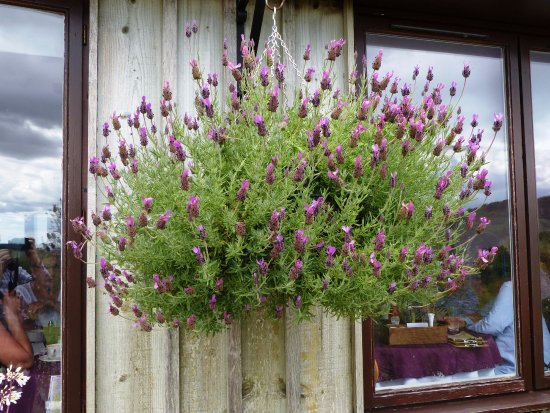
1. Lavender
Lavender is a beloved herb known for its calming fragrance, purple blooms, and ability to attract pollinators like bees and butterflies.
This drought-tolerant herb is perfect for hanging baskets, especially in sunny locations.
Growing tips:
- Choose a basket at least 12 inches in diameter for proper root space.
- Use a well-draining potting mix and line the basket with coir or moss.
- Plant lavender from small transplants or seeds directly in the center.
- Place the basket in full sun (at least 6–8 hours daily).
- Allow the soil to dry slightly between waterings, as lavender dislikes soggy roots.
- Prune spent blooms to encourage new growth and longer flowering.
Lavender not only adds elegance to your space but can also be harvested for sachets, teas, and homemade skincare.
2. Mixed Salad Leaves
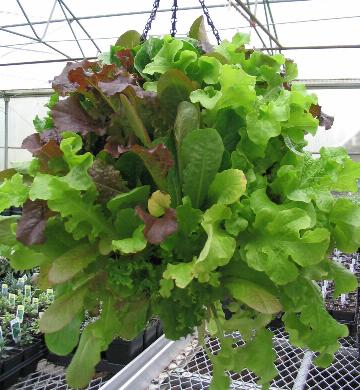
Leafy greens may not be the first thing that comes to mind for hanging baskets, but they’re surprisingly well-suited—especially cut-and-come-again salad mixes.
These include baby spinach, lettuce, arugula, and mustard greens.
Growing tips:
- Choose a shallow, wide basket with good drainage.
- Sow seeds densely in spring or fall for the best flavor and growth.
- Combine with edible flowers like pansies, nasturtiums, or violets for visual appeal and color in your salads.
- Place in partial sun to prevent bolting during hot weather.
- Harvest regularly by snipping leaves with scissors, encouraging new growth.
Mixed salad leaves are great for small-space gardeners who want a quick, continuous supply of fresh greens.
3. Nasturtiums
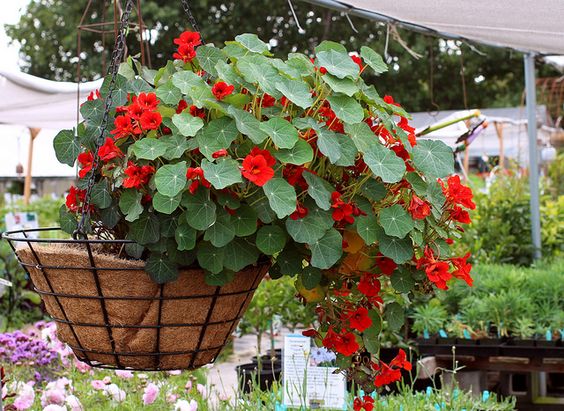
Nasturtiums are vibrant, trailing flowers that double as an edible herb. Both the leaves and blossoms are peppery and flavorful, making them perfect for spicing up salads or garnishing dishes.
Growing tips:
- Choose a basket with plenty of room for trailing vines to hang over the sides.
- Use a light, well-draining potting mix.
- Plant seeds or seedlings around the edges of the basket to create a cascading effect.
- Nasturtiums prefer full sun but tolerate partial shade.
- Water regularly, but allow soil to dry between waterings to prevent root rot.
Beyond their ornamental value, nasturtium seeds can be pickled and used as a substitute for capers.
4. Thyme
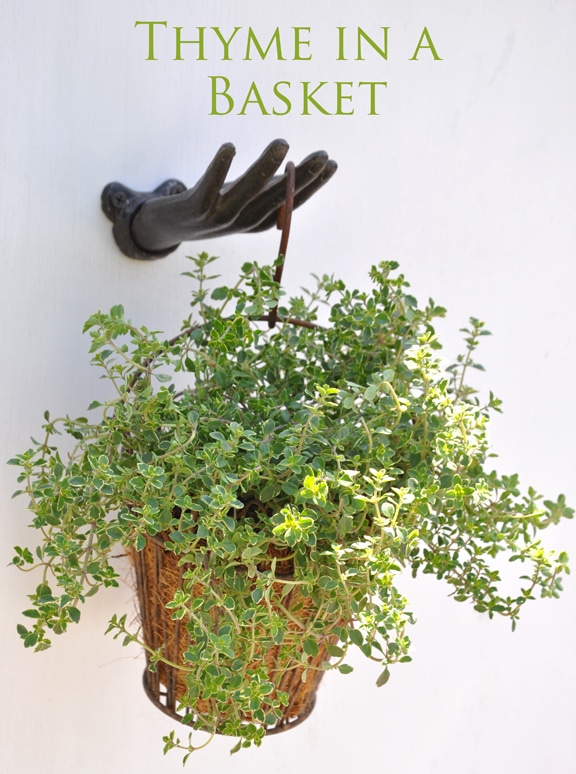
Thyme is a compact, spreading herb with tiny aromatic leaves. It thrives in the well-drained environment of hanging baskets and is ideal for Mediterranean-style arrangements.
Growing tips:
- Choose a sunny location with at least 6 hours of direct light daily.
- Plant thyme in a hanging basket with other herbs like rosemary, oregano, and marjoram for a mixed herb display.
- Water sparingly—thyme prefers dry soil and can rot if overwatered.
- Trim the stems regularly to promote bushy growth and prevent legginess.
Thyme is a culinary staple that enhances meats, vegetables, stews, and marinades, and it looks beautiful spilling over the sides of a hanging basket.
5. Parsley
Parsley is a biennial herb that is often grown as an annual. It has vibrant green, feathery leaves and a bright, slightly bitter flavor. Parsley adds freshness to dishes and is packed with vitamins.
Growing tips:
- Parsley is slow to germinate, often taking 2–3 weeks to sprout from seed.
- Use a nutrient-rich potting mix, and add a tablespoon of granulated fertilizer when planting.
- Space seeds or seedlings about 6 inches apart.
- Keep soil consistently moist, especially during hot spells.
- Place the basket in a sunny or partly shaded area.
Snip outer leaves as needed and enjoy parsley in soups, salads, sauces, or as a natural breath freshener.
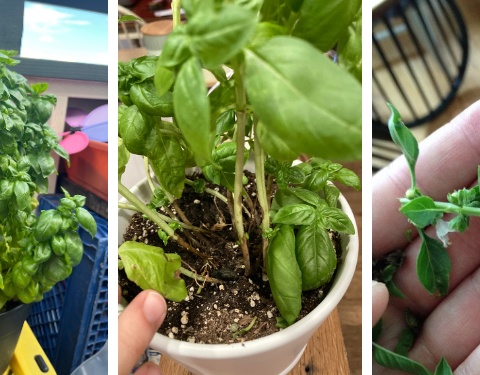
6. Basil
Basil is a fast-growing, sun-loving herb with lush leaves that thrive in baskets. Its aromatic foliage makes it one of the most popular herbs for home gardeners.
Growing tips:
- Use a 12-inch or larger basket with good drainage.
- Plant from seed or transplant in spring after the last frost.
- Mix a tablespoon of fertilizer into the potting soil if it’s not pre-fertilized.
- Sow two seeds and thin to one strong plant after germination.
- Keep the basket in full sun (at least 6 hours daily).
- Water when the soil feels dry to the touch, and avoid wetting the leaves.
Basil grows rapidly and responds well to pruning, so regular harvesting encourages fuller growth. Use fresh in pesto, salads, pasta, and more.
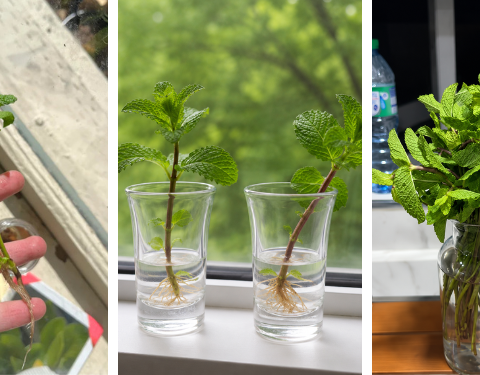
7. Mint
Mint is a fragrant, hardy herb that grows aggressively—making it perfect for a contained hanging basket where it won’t take over the garden.
There are many varieties to choose from, including peppermint, spearmint, and chocolate mint.
Growing tips:
- Mint prefers partial sun to filtered light and rich, moist soil.
- Use a basket with a deep liner and ensure it retains moisture without becoming waterlogged.
- Plant from seed, cuttings, or root divisions.
- Water regularly and harvest when the plant reaches 4–6 inches tall.
- Prune often to keep the plant compact and prevent leggy growth.
Mint is a great addition to teas, cocktails, sauces, and desserts, and it also helps repel pests like mosquitoes.
8. Oregano
Oregano is a sun-loving perennial herb with small, fuzzy leaves and a strong, earthy flavor. It grows beautifully in hanging baskets and pairs well with many other herbs.
Growing tips:
- Choose a basket with excellent drainage and plant in full sun.
- Oregano can be grown from seed, but transplanting starter plants is faster and more reliable.
- Water only when the top inch of soil is dry.
- Trim the plant regularly to encourage bushiness and prevent flowering, which can cause leaves to become bitter.
Oregano is a key herb in Mediterranean cuisine, ideal for pizzas, pasta sauces, marinades, and roasted vegetables.
Growing herbs in hanging baskets is not only space-saving and practical, but it also brings visual interest and delicious aromas to your garden, balcony, or patio.
From the cascading beauty of nasturtiums to the earthy fragrance of thyme and the culinary versatility of basil and oregano, these herbs will thrive in containers with the right care and location.
Whether you’re working with limited space or simply want to keep your favorite kitchen herbs within easy reach, hanging baskets offer an elegant and efficient solution.
Choose a combination of herbs that suit your cooking preferences and growing conditions, and you’ll enjoy fresh, flavorful harvests all season long—right from your doorway.