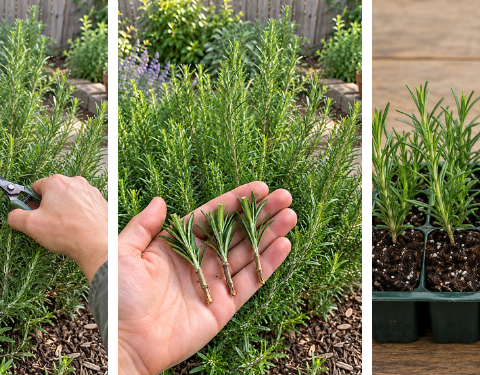
July is the golden window for lavender (Lavandula) propagation.
By mid-summer, the frantic rush of spring growth has slowed, and the current season’s stems have transitioned into semi-ripe wood—firm and woody at the base, but still green, flexible, and active at the tip.
This specific physiological state means the stem holds the perfect balance of carbohydrates and natural rooting hormones.
If you want to expand your lavender hedge for free and ensure massive, robust plants next spring, you cannot treat these cuttings like delicate spring softwoods or tough winter hardwoods.
Propagating lavender in the intense heat of July requires specific steps to manage transpiration, encourage rapid cell division, and build a resilient root matrix before winter dormancy hits.
Here are the 7 essential things you must do with your lavender cuttings this July to set them up for explosive growth next season.
The Propagation Science: Why July Stems are Different
To maximize your success rate, you need to understand what is happening inside a lavender stem during mid-summer.
Unlike many perennials that root easily in plain water, lavender is a Mediterranean shrub adapted to arid, low-nutrient soils.
Because the base of a July cutting has begun to lignify (turn woody), it resists fungal pathogens much better than soft spring tissue. However, because the tip is still actively growing, the cells are primed for division.
When separated from the parent plant, these stems redirect their energy away from producing leaves and toward creating an underground root architecture.
Mid-Summer Propagation Matrix
Before gathering your tools, use this reference matrix to ensure your cutting environment balances summer heat with root development needs:
| Propagation Metric | Optimal Target Range | Biological Purpose |
| Cutting Length | 3 to 4 Inches (7.5–10 cm) | Minimizes moisture loss while leaving enough nodes for root sites |
| Substrate Blend | 70% Perlite or Sharp Sand / 30% Peat or Coir | Ensures rapid drainage to eliminate the risk of stem rot |
| Ambient Temperature | 65°F to 75°F (18°C–24°C) | Stimulates cell division without cooking unrooted tissue |
| Rooting Timeline | 4 to 6 Weeks | The window required to transition from calloused stem to viable roots |
7 Essential Steps for July Lavender Cuttings
1. Harvest Non-Flowering, Semi-Ripe Side Shoots
Do not waste your time trying to propagate stems that currently have flower buds or spent blooms at their tips.
Flowering stems are chemically programmed to expend all their energy on reproduction and seed production, leaving little to no resources for root development.
Look at the base of your lavender plant for healthy, vigorous side shoots that have emerged this spring. Choose stems where the top is green and leafy, but the base has changed color from bright green to a soft tan or brown.
2. Take a “Heel” Cutting for Maximum Hormone Density
While a straight cut across a stem can work, utilizing the “heel” technique drastically improves your success rate with woody Mediterranean herbs like lavender.
Instead of cutting the side shoot off with shears, grip the base of the shoot and pull it gently downward away from the main branch.
It should detach with a small strip or “heel” of the main stem’s bark attached to its base. This heel contains a high concentration of cambium cells and natural rooting hormones, making it the ideal spot for rapid root development.
3. Strip the Lower Foliage to Control Transpiration
Because your July cuttings do not have roots yet, they cannot pull water from the soil. However, they will continue to lose moisture into the dry summer air through their leaves—a process called transpiration. If you leave too many leaves on the stem, the cutting will dehydrate and die within days.
Carefully strip away all the leaves from the lower two-thirds of the cutting, leaving only a small cluster of 4 to 6 leaves at the very tip.
Use a sharp thumbnail or a clean razor blade to slice off the tiny, ragged tail of the heel if it is longer than a quarter of an inch, keeping the base neat and tidy.
4. Wound the Base and Dip in Rooting Inoculant
To speed up root formation before the colder autumn temperatures arrive, give the callousing tissue a targeted chemical push.
Use the edge of a clean knife to gently scrape away a tiny sliver of the outer bark on one side of the stripped stem, exposing the bright green cambium layer underneath.
Dip the wounded base and the heel into water, then press it into a high-quality organic rooting powder or gel. The wounding encourages the cells to heal by forming roots, while the hormone powder accelerates the process.
5. Stick Into a Sterile, High-Drainage Substrate Matrix
Standard potting soils or garden dirt are far too heavy and rich for lavender propagation. They hold onto moisture like a sponge, which starves the developing root zones of oxygen and invites deadly fungal rot (damping off).
6. Construct a Ventilated Micro-Climate Dome
July heat can easily dry out unrooted cuttings. To prevent this, you need to create a humid environment that keeps the leaves hydrated while the roots form underneath.
-
The Technique: Cover your nursery pots with a clear plastic propagation dome, a modified plastic bottle, or a clear plastic bag supported by wooden skewers.
-
The Caveat: Lavender hates stagnant, stagnant air. Make sure to cut a few ventilation holes in the plastic cover or open it for 10 minutes every day to let fresh air circulate, keeping fuzzy gray mold from growing on your new plants.
7. Place in Bright, Indirect Light and Acclimatize for Winter
Direct mid-summer sunlight hitting a plastic-covered tray will act like an oven, cooking your cuttings in minutes.
-
The Management: Place your propagation tray in a spot that receives bright, indirect light, such as beneath a garden shade cloth, on a covered patio, or on a north-facing windowsill indoors. Keep the soil slightly damp but never waterlogged.
-
The Winter Plan: After 4 to 6 weeks, tug gently on a stem. If you feel resistance, roots have formed! Remove the plastic dome completely. Leave the young plants in a sheltered space, like an outdoor cold frame or an unheated greenhouse, through the autumn and winter. This allows them to build a massive, cold-hardy root system, ready to be planted out into your garden beds next spring.
Troubleshooting Common Mid-Summer Cutting Issues
If your propagation project runs into trouble, use this quick-reference guide to spot and fix issues early:
Stems Turning Black from the Base Up
-
The Diagnosis: This is classic stem rot, caused by overwatering, a heavy potting mix, or a lack of ventilation under your humidity dome.
-
The Fix: Discard the blackened cuttings immediately. Reduce your watering schedule, open your humidity dome more often to improve airflow, and make sure your substrate has plenty of sand or perlite.
Leaves Yellowing and Dropping Off the Tip
-
The Diagnosis: The cutting is likely experiencing extreme heat stress or direct sunlight, causing it to drop leaves to save water.
-
The Fix: Move the propagation tray to a cooler, fully shaded spot with indirect light, and ensure the humidity level under the dome remains steady.
Propagating lavender from semi-ripe cuttings in July is one of the most rewarding skills an organic gardener can master.
By selecting non-flowering side shoots, utilizing the heel technique, using a fast-draining substrate, and protecting the stems from direct summer sun, you work in harmony with the plant’s natural growth cycle.