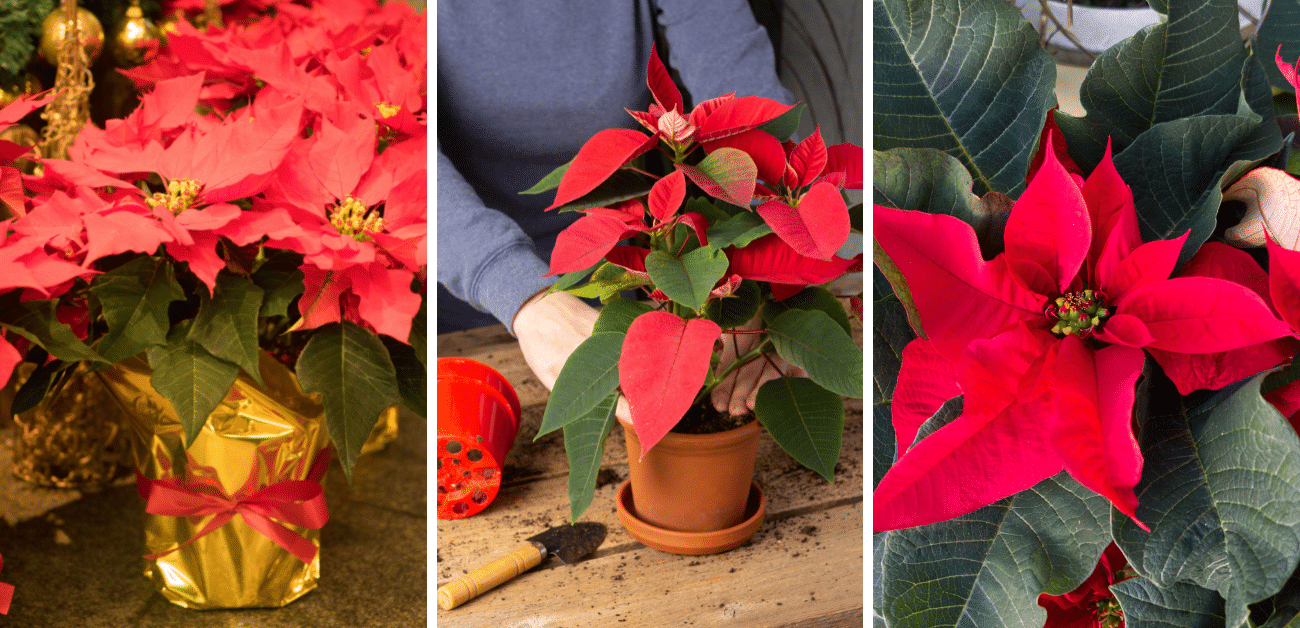
Poinsettias are the quintessential symbol of holiday cheer. Their vibrant red, white, or pink bracts brighten homes, churches, and businesses, becoming focal points of festive décor.
Yet, many people discover the hard way that poinsettias can quickly deteriorate, dropping leaves and fading long before New Year’s Day arrives.
While these plants are often viewed as disposable holiday decorations, they’re actually long-lasting tropical shrubs with the potential to thrive well into the new year – and even for years afterward.
The secret lies in understanding what poinsettias need – and what mistakes to avoid.
Whether you’re bringing home a single poinsettia or transforming your entire home into a floral wonderland, this guide will help you keep your plants looking lush, colorful, and healthy throughout the holiday season and beyond.
Here are 7 critical mistakes to avoid with poinsettias – and exactly what to do instead.
Mistake 1: Letting Poinsettias Get Cold
Poinsettias might be sold in chilly December, but they’re native to the warm, tropical regions of Mexico. These plants hate cold temperatures and are extremely sensitive to drafts.
The Problem:
- Exposure to temperatures below 50°F (10°C) can damage leaves and bracts.
- Sudden cold drafts from doorways, windows, or vents cause leaf drop.
- Chilling injury often appears as yellowing leaves or sudden wilting.
How to Avoid It:
- Keep poinsettias in rooms between 60-72°F (15-22°C).
- Avoid placing plants near exterior doors, drafty windows, or heating vents.
- Transport poinsettias carefully from the store. Cold air outside, even for a few minutes, can harm them. Ask stores to wrap plants in a protective sleeve during winter purchases.
Bonus Tip: Never leave a poinsettia in a cold car while running errands. Take it straight home!
Mistake 2: Overwatering or Letting Soil Stay Soggy
One of the most common poinsettia mistakes is overwatering. People often assume poinsettias need constant moisture, but soggy soil suffocates roots and leads to root rot.
The Problem:
- Wet soil causes leaves to droop and drop.
- Roots begin rotting, leading to rapid plant decline.
- Water collecting in decorative foil wrappers prevents drainage.
How to Avoid It:
- Check soil moisture before watering. Stick your finger an inch into the soil. Water only if it feels dry.
- Remove any decorative foil or punch holes in the bottom to allow excess water to drain.
- Always empty saucers beneath pots after watering so the plant doesn’t sit in water.
Proper Watering Routine:
- Water thoroughly until water runs out of the drainage holes.
- Allow the soil surface to dry before watering again.
Remember, poinsettias prefer slightly moist – but never waterlogged – soil.
Mistake 3: Placing Poinsettias in Dark Corners
Poinsettias might tolerate moderate indoor light, but they thrive in bright, indirect sunlight. Many people place their plants in dim corners, thinking the vibrant bracts need less sun.
In truth, insufficient light causes color to fade and leaves to drop prematurely.
The Problem:
- Low light results in pale or dropping leaves.
- Plants become leggy and weak.
- Bracts lose vibrancy and appear dull.
How to Avoid It:
- Place poinsettias near a sunny window, but avoid direct afternoon sun, which can scorch leaves.
- East- or west-facing windows are excellent locations.
- Rotate the plant every few days to ensure all sides receive light.
If your room is dark during winter, consider supplementing with a grow light for a few hours each day.
Mistake 4: Exposing Poinsettias to Ethylene Gas
Ethylene gas, a naturally occurring plant hormone, accelerates aging in plants and can devastate poinsettias.
Many household sources produce ethylene, including:
- Ripe fruit (like apples and bananas)
- Gas stoves or heaters
- Cigarette smoke
The Problem:
- Bracts and leaves yellow and drop prematurely.
- Flower buds fail to open.
- Plants decline rapidly with seemingly no reason.
How to Avoid It:
- Keep poinsettias away from ripening fruit bowls.
- Avoid placing plants near gas appliances.
- Maintain good air circulation indoors.
This often-overlooked detail can mean the difference between vibrant poinsettias and a plant that loses its showy color in days.
Mistake 5: Ignoring Humidity Levels
Indoor air during winter becomes extremely dry thanks to heating systems. Poinsettias originate in tropical environments where humidity levels are far higher.
Dry air stresses the plant, leading to leaf drop and a faded appearance.
The Problem:
- Dry indoor air causes leaf edges to brown.
- Leaves drop prematurely.
- Plant loses overall vibrancy and health.
How to Avoid It:
- Group poinsettias with other plants to create a more humid microclimate.
- Place the plant on a humidity tray (a shallow tray filled with water and pebbles).
- Run a humidifier in the room to keep moisture levels around 40-50%.
Avoid misting the plant directly, as moisture on leaves can lead to fungal issues.
Mistake 6: Forgetting to Remove Decorative Foil
Holiday poinsettias are often sold wrapped in shiny, festive foil covers. While pretty, this foil can become a death trap for your plant.
The Problem:
- Foil traps excess water, causing soggy soil.
- Roots become waterlogged, leading to root rot.
- Airflow around the roots is limited.
How to Avoid It:
- Remove the decorative foil entirely, or:
- Punch several drainage holes in the bottom of the foil.
- Always empty excess water from the foil wrapper after watering.
A poinsettia in a proper, drained pot has a much higher chance of surviving the holidays—and thriving into the new year.
Mistake 7: Thinking Poinsettias Are Disposable
Perhaps the biggest mistake people make is assuming poinsettias are one-season wonders destined for the trash after the holidays.
But poinsettias can be kept alive year-round—and even re-bloom next holiday season with the right care.
The Problem:
- Plants get discarded after bracts fade.
- People miss out on the joy of nurturing a living plant through the seasons.
How to Avoid It:
- Continue watering and caring for the plant after the holidays.
- In spring, prune the plant back to about 6 inches tall.
- Move it outdoors once temperatures stay above 60°F (15°C).
- Fertilize regularly during the growing season.
- Bring the plant indoors before fall temperatures drop.
- To re-bloom, give the plant 14-16 hours of complete darkness daily from late September until mid-November, with bright light during the daytime.
This light/dark cycle triggers the colorful bracts to return for another holiday display.
Bonus Tips for Long-Lasting Poinsettias
Beyond avoiding these major mistakes, a few extra steps will help keep your poinsettia thriving:
- Inspect Before Buying: Choose plants with dark green leaves, vibrant bracts, and no signs of wilting or yellowing. Avoid plants displayed near drafty store doors.
- Check Soil Moisture: The pot should feel slightly heavy, indicating moist soil. Extremely dry pots may mean the plant has been stressed.
- Avoid Touching Bracts: Oils and pressure from your fingers can damage delicate bracts.
- Fertilize After Holidays: Don’t fertilize poinsettias during blooming. Wait until spring growth begins.
Frequently Asked Questions
Are poinsettias poisonous to pets or children?
Poinsettias have a long-standing reputation for toxicity, but they are only mildly toxic if ingested. They can cause stomach upset but are not deadly. However, it’s still wise to keep them out of reach of curious pets or children.
Can poinsettias be planted outside?
In USDA zones 9-11, poinsettias can be planted outdoors as shrubs. In cooler climates, they must be kept indoors or brought inside during winter.
Why are my poinsettia’s leaves falling off?
Leaf drop usually results from sudden temperature changes, drafts, overwatering, or low light. Adjust growing conditions and avoid moving the plant frequently.
How long do poinsettias live?
With proper care, poinsettias can live several years. Many people keep the same plants for multiple seasons and enjoy getting them to re-bloom.
Poinsettias have earned their place as icons of holiday décor, but they deserve more than a brief stay in our homes before ending up in the compost bin.
With a little understanding and the avoidance of these seven key mistakes, your poinsettias can remain dazzling and healthy throughout the entire holiday season – and potentially for many years to come.