Houseplants are more than just trendy home décor—they’re also natural wellness boosters.
Scientific studies continue to show that indoor plants offer a wide range of health benefits, from improving air quality and humidity to enhancing mental clarity, reducing stress, and even improving sleep.
Whether you’re looking to breathe cleaner air, boost your mood, or create a healthier indoor environment, adding the right plants to your home can make a real difference.
In this article, we’ll explore six powerful houseplants that improve your health, backed by science and loved by indoor gardeners worldwide.
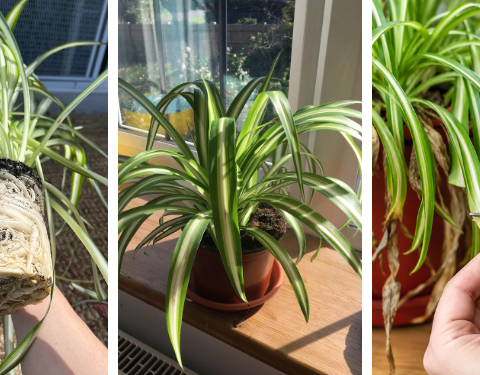
1. Spider Plant (Chlorophytum comosum)
Best for: Air purification and humidity control
The Spider Plant is one of the easiest indoor plants to grow—and one of the most effective at improving air quality.
According to NASA’s Clean Air Study, it can remove up to 90% of toxins like carbon monoxide, formaldehyde, and xylene from the air.
Health Benefits:
-
Improves indoor air quality by absorbing pollutants
-
Increases humidity, which helps ease respiratory conditions and dry skin
-
Safe for pets, making it ideal for households with animals
Care tip: Thrives in indirect sunlight and only needs watering once the top inch of soil is dry.
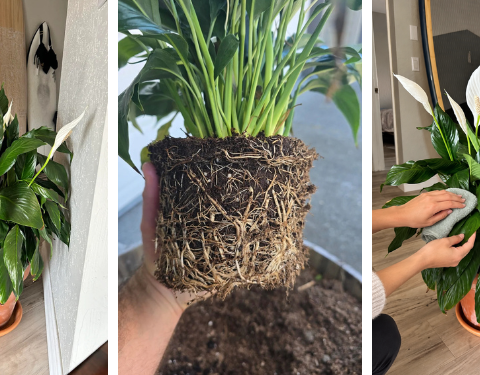
2. Peace Lily (Spathiphyllum ‘Mauna Loa’)
Best for: Mold and toxin removal
The Peace Lily is an elegant flowering plant known for its air-purifying power. It removes toxins such as benzene, formaldehyde, trichloroethylene, and even airborne mold spores, making it ideal for bathrooms and kitchens.
Health Benefits:
-
Improves respiratory health by removing airborne mold and mildew
-
Helps reduce allergy symptoms caused by poor indoor air
-
Enhances indoor aesthetics with calming white blooms
Care tip: Keep the soil consistently moist and place in a shaded, humid environment.
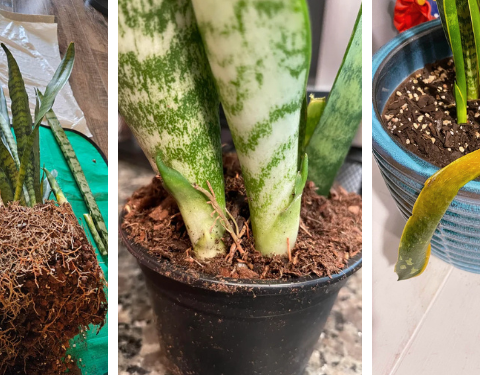
3. Snake Plant (Sansevieria trifasciata)
Best for: Nighttime oxygen production and toxin removal
Also known as Mother-in-Law’s Tongue, the Snake Plant is one of the best houseplants for oxygen production—especially at night. Unlike most plants, it converts CO₂ to O₂ while you sleep, making it an excellent choice for bedrooms.
Health Benefits:
-
Helps reduce indoor allergens and remove toxins like formaldehyde and toluene
-
Supports better sleep quality
-
Requires very little maintenance
Care tip: Water sparingly and keep in a well-lit space. Avoid overwatering to prevent root rot.
4. Aloe Vera
Best for: Skin health and air purification
Aloe Vera is not only a healing plant for skin irritations and minor burns—it also cleans the air of harmful chemicals like formaldehyde and benzene, commonly found in household cleaners and paints.
Health Benefits:
-
Gel soothes burns, sunburns, cuts, and skin inflammation
-
Purifies air and improves oxygen flow
-
Boosts skin hydration when used as a natural moisturizer
Care tip: Prefers bright, indirect sunlight and should be watered only when the soil is dry.
5. Lavender (Lavandula angustifolia)
Best for: Stress relief and sleep support
Lavender isn’t just for essential oils. Growing a lavender plant indoors can fill your space with a naturally calming fragrance that supports relaxation and sleep.
Health Benefits:
-
Reduces stress, anxiety, and depression
-
Supports better sleep by calming the nervous system
-
Can be used in tea, bath soaks, or as a gentle home fragrance
Care tip: Needs bright sunlight and good air circulation. Avoid overwatering and ensure well-draining soil.
6. English Ivy (Hedera helix)
Best for: Allergy relief and air purification
English Ivy is a fast-growing vine that’s highly effective at removing airborne mold, formaldehyde, and fecal particles—making it especially useful in bathrooms or pet-friendly homes.
Health Benefits:
-
Reduces symptoms of asthma and allergies
-
Improves respiratory health by filtering mold spores from the air
-
Enhances overall indoor air quality
Care tip: Thrives in indirect light and appreciates higher humidity. Keep it out of reach of pets and children, as the leaves are toxic if ingested.
Bonus Benefits of Houseplants
Beyond their individual benefits, having houseplants in your home can provide overall wellness support:
1. Mental Health Boost
Studies show that indoor plants can reduce anxiety, depression, and fatigue while boosting focus and memory retention.
2. Productivity and Creativity
Offices with plants have been shown to increase employee productivity by up to 15%, according to research from the University of Exeter.
3. Natural Humidifiers
Many houseplants release moisture into the air, improving humidity levels and helping to prevent dry skin, sore throats, and respiratory irritation—especially during winter.
Tips for Success with Houseplants
Even if you’re not a gardening expert, these tips can help you grow healthy, beneficial indoor plants:
-
Choose beginner-friendly plants like snake plants, spider plants, and pothos
-
Avoid overwatering—more houseplants die from excess moisture than from drought
-
Use well-draining pots and soil
-
Keep leaves dust-free to improve photosynthesis and air purification
-
Rotate plants occasionally for even growth and light exposure
Adding houseplants to your living space is one of the easiest and most effective ways to support your physical and mental health.
From purifying your air to enhancing your sleep and reducing stress, these natural green companions offer more than just beauty—they help create a healthier, happier home.
Whether you’re new to indoor gardening or simply looking to enhance your home with health-boosting greenery, these six houseplants are an excellent place to start.