We all know how important a good night’s sleep is. Poor sleep can affect everything—from your mood and memory to your heart health and immune system.
If you’re struggling with insomnia, waking up frequently, or just not feeling rested, the solution might be greener than you think.
Certain houseplants do more than just beautify your space—they also purify the air, reduce stress, and even release calming scents that promote restful sleep.
In fact, studies show that indoor plants can lower cortisol levels, reduce anxiety, and improve overall sleep quality.
If you’re ready to turn your bedroom into a natural sleep sanctuary, here are five of the best plants to help you sleep better, backed by science and centuries of wellness wisdom.
1. Lavender (Lavandula angustifolia)
Known for: Its calming scent and anxiety-reducing effects.
Lavender is perhaps the most famous plant for promoting relaxation and improving sleep. Its gentle floral aroma is widely used in aromatherapy for treating anxiety, insomnia, and restlessness.
Benefits of Lavender in the Bedroom:
-
Reduces heart rate and blood pressure: Studies have shown that inhaling lavender before bed can slow down your nervous system, preparing your body for rest.
-
Decreases anxiety: Inhaling lavender essential oil is proven to reduce symptoms of anxiety and promote a sense of calm.
-
Improves sleep quality: One study found that women who smelled lavender before bed experienced deeper and more restful sleep.
How to Grow Lavender Indoors:
-
Needs bright, direct sunlight for at least 4–6 hours a day.
-
Water when the soil is dry to the touch.
-
Choose a pot with excellent drainage to avoid root rot.
-
Prune lightly to encourage bushy growth and strong fragrance.
Pro tip: Place your lavender pot near a sunny window and gently rub the leaves at night to release more scent before bedtime.
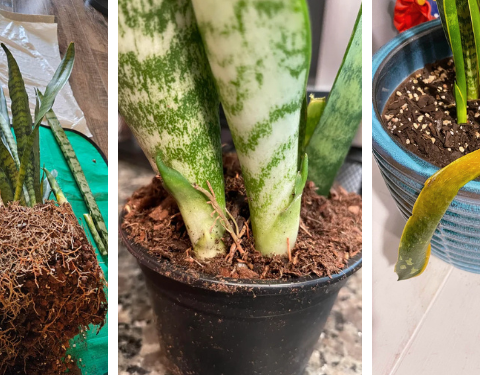
2. Snake Plant (Sansevieria trifasciata)
Known for: Its air-purifying abilities and night-time oxygen production.
The snake plant, also called “mother-in-law’s tongue,” is one of the best air-purifying plants, according to NASA’s Clean Air Study.
What makes it unique is that it continues to release oxygen even at night—a rare trait among houseplants.
Benefits of the Snake Plant:
-
Purifies indoor air by removing toxins like formaldehyde, benzene, and xylene.
-
Improves oxygen levels while you sleep.
-
Low maintenance and thrives in low-light conditions, making it ideal for bedrooms.
Care Instructions:
-
Tolerates low to bright indirect light.
-
Only water when the soil is completely dry.
-
Avoid overwatering—it prefers being on the dry side.
-
Doesn’t require frequent repotting or feeding.
Pro tip: Place a few snake plants around your bedroom to increase oxygen and reduce air pollutants for better breathing and deeper sleep.
3. Jasmine (Jasminum officinale)
Known for: Its sweet, soothing scent that calms the nervous system.
Jasmine’s tiny white blossoms don’t just look pretty—they exude a powerful, sweet fragrance that has been shown to reduce anxiety and improve sleep quality.
This plant is a natural mood stabilizer, often used in traditional remedies for insomnia and depression.
Sleep-Enhancing Benefits of Jasmine:
-
Lowers anxiety levels and promotes calmness.
-
Encourages deeper, more restful sleep.
-
Can help reduce restlessness during the night.
-
Boosts alertness and mood the following day.
Growing Tips:
-
Prefers bright, indirect sunlight and cool temperatures.
-
Keep soil evenly moist but not soggy.
-
Ensure good air circulation around the plant.
-
Can be trained to grow as a small trellis or hanging plant.
Pro tip: The fragrance of jasmine is strongest at night—making it the perfect natural sedative to keep by your bed.
4. Aloe Vera (Aloe barbadensis miller)
Known for: Nighttime oxygen production and health-boosting properties.
Aloe Vera is famous for its soothing gel used to treat burns and skin irritations—but it’s also a powerful air purifier.
Like the snake plant, Aloe releases oxygen at night, making it one of the best bedroom plants for improving air quality as you sleep.
Why Aloe Vera Belongs in Your Bedroom:
-
Emits oxygen at night, enhancing air quality.
-
Filters out harmful airborne toxins like benzene and formaldehyde.
-
Easy to grow and nearly indestructible.
-
Offers a natural remedy for cuts, burns, and dry skin.
Care Guidelines:
-
Needs bright, indirect sunlight (south- or west-facing window is ideal).
-
Water deeply but infrequently—only when the soil is completely dry.
-
Use a cactus/succulent soil mix with good drainage.
Pro tip: Snap off a leaf to use the gel for skin issues—keeping this plant by your bed helps you sleep and heal.
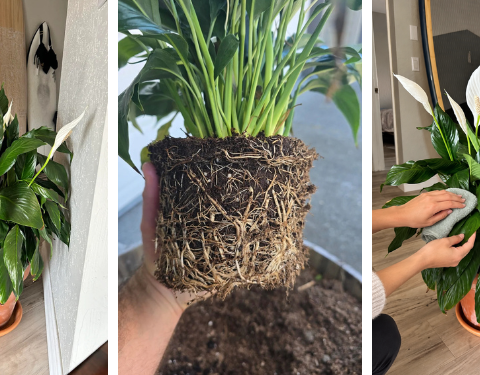
5. Peace Lily (Spathiphyllum)
Known for: Air purification and increasing room humidity.
The Peace Lily is not just elegant—it’s a powerhouse plant for improving indoor air.
It removes mold spores from the air and increases humidity by up to 5%, which helps reduce dry nose, throat, and skin irritation—common causes of poor sleep.
Health Benefits of the Peace Lily:
-
Filters indoor air pollutants such as formaldehyde, benzene, and ammonia.
-
Boosts humidity, which helps with respiratory conditions.
-
Its lush foliage and white blooms add a serene, calming presence to your bedroom.
-
Can reduce airborne microbes and suppress allergens.
Growing and Care Tips:
-
Prefers low to medium light; avoid direct sun.
-
Keep soil slightly moist, but don’t overwater.
-
Mist occasionally to boost humidity.
-
Keep out of reach of pets and children—mildly toxic if ingested.
Pro tip: Peace lilies will droop when they need water—an easy built-in reminder!
If you’re looking for a natural way to improve your sleep, these five plants—Lavender, Snake Plant, Jasmine, Aloe Vera, and Peace Lily—are not only beautiful additions to your bedroom, but also functional allies in your nightly routine.
They help reduce anxiety, clean the air, raise humidity, and promote a tranquil atmosphere—without the side effects of synthetic sleep aids.
Just a few well-chosen plants can turn your bedroom into a soothing sleep sanctuary, helping you wake up refreshed, energized, and ready for the day.