Insects play a vital role in our ecosystem—but that doesn’t mean we want them invading our homes or damaging our gardens.
Whether it’s mosquitoes buzzing around your porch, ants marching across the kitchen, or aphids feasting on your tomatoes, bugs can quickly go from being a nuisance to a serious problem.
The good news is that you don’t have to rely on harsh chemical sprays to keep insects away. There are plenty of natural, safe, and effective ways to repel insects using ingredients you likely already have at home or in your garden.
Here are 23 natural ways to repel insects—indoors and outdoors—without compromising your health, pets, or the environment.
1. Citronella Oil
One of the most well-known natural insect repellents, citronella oil is derived from lemongrass and is highly effective against mosquitoes, flies, and gnats. Use it in candles, sprays, or diffusers to keep bugs away from outdoor areas.
2. Lavender
Lavender is loved by humans but hated by mosquitoes, moths, fleas, and flies. Plant it around your home, or use lavender essential oil in sachets or sprays for indoor use.
3. Peppermint Oil
The strong aroma of peppermint oil repels ants, spiders, mosquitoes, and fleas. Mix 10–15 drops of peppermint oil with water and a drop of dish soap in a spray bottle. Spray around doorways, windows, and baseboards.
4. Lemon Eucalyptus Oil
Approved by the CDC as a natural mosquito repellent, lemon eucalyptus oil contains PMD, a compound proven to keep mosquitoes at bay for hours. Dilute it with a carrier oil and apply to skin before going outdoors.
5. Garlic Spray
Garlic isn’t just for cooking—it’s a powerful natural insect deterrent. Mix crushed garlic with water and let it steep overnight. Strain and spray it around garden plants or home entry points to repel aphids, beetles, and mosquitoes.
6. Neem Oil
Extracted from the neem tree, neem oil is a natural pesticide used widely in organic gardening. It repels and disrupts the life cycle of over 200 insect species including aphids, spider mites, and whiteflies. Mix with water and a few drops of dish soap before spraying on plants.
7. Vinegar and Water Spray
A mixture of white vinegar and water can deter ants and fruit flies. Spray it on kitchen counters, trash bins, or wherever ants are entering. Add essential oils like eucalyptus or tea tree oil for extra potency.
8. Cucumber Peels
Did you know ants and cockroaches dislike cucumber peels? Place cucumber slices or peels near problem areas like sinks and corners to deter these pests naturally.
9. Bay Leaves
Bay leaves contain compounds that repel weevils, moths, and other pantry pests. Place whole bay leaves inside cupboards, dry food containers, and drawers to keep bugs away.
10. Cinnamon
Cinnamon acts as a natural repellent against ants and other crawling insects. Sprinkle ground cinnamon at entry points or mix cinnamon oil with water to spray around windows and cracks.
11. Diatomaceous Earth
This fine powder, made from fossilized algae, is lethal to insects with exoskeletons (like ants, fleas, and bedbugs) but safe for humans and pets. Sprinkle food-grade diatomaceous earth around baseboards, garden beds, and pet areas.
12. Basil
Basil is not only a delicious herb but also a great mosquito repellent. Plant it near outdoor seating areas or crush its leaves and rub them on your skin for natural protection.
13. Lemongrass
Containing the same compound as citronella, lemongrass is a mosquito-fighting powerhouse. Grow it in pots or flowerbeds, especially near entryways and patios.
14. Tea Tree Oil
Tea tree oil has strong antimicrobial and insect-repelling properties. It works particularly well against lice, mosquitoes, and ants. Mix with water and a few drops of carrier oil for a natural bug spray.
15. Cedarwood
The scent of cedar repels moths, ticks, and fleas. Use cedarwood essential oil in a spray or place cedar chips in closets and under furniture for long-lasting protection.
16. Onions
Slicing onions and placing them in bowls of water can help deter mosquitoes and other insects inside the home. The strong sulfur compounds are unpleasant to pests.
17. Marigolds
These cheerful flowers are excellent at repelling nematodes, aphids, whiteflies, and mosquitoes. Plant marigolds throughout your vegetable garden or near doors and windows.
18. Cloves
Cloves have a strong smell that repels flies, moths, and mosquitoes. Stick cloves into citrus peels or scatter whole cloves in the kitchen or pantry for natural insect control.
19. Tansy
This lesser-known herb produces a strong fragrance that keeps away ants, moths, and mosquitoes. Plant it along your garden borders or crush its leaves and use them as a natural repellent.
20. Rosemary
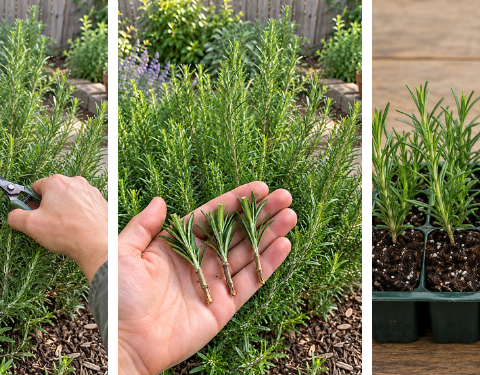
Rosemary is both ornamental and practical. Burn a few sprigs on the grill to keep mosquitoes and flies away during outdoor gatherings. You can also make rosemary-infused oil sprays.
21. Eucalyptus Leaves or Oil
Eucalyptus has a fresh scent and is excellent for repelling flies and mosquitoes. Use eucalyptus oil in a diffuser or crush the leaves and place them in sachets around your home.
22. Citrus Peels
Citrus peels—especially lemon and orange—naturally repel ants, fleas, and spiders. Rub the peels along door frames and windowsills, or dry them and place in closets.
23. Catnip
Catnip isn’t just for cats—it’s been shown to be more effective than DEET in repelling mosquitoes in some studies. Plant it in pots or crush its leaves and apply to exposed skin with a carrier oil.
Bonus Tips for Preventing Insect Infestations Naturally
In addition to using natural repellents, follow these best practices to prevent insects from invading your home and garden:
Keep Your Home Clean and Dry
Insects are attracted to crumbs, standing water, and food scraps. Keep counters clean, take out the trash regularly, and fix any leaky faucets.
Seal Entry Points
Caulk windows, seal baseboards, and close up cracks to stop insects from entering your home in the first place.
Remove Standing Water
Mosquitoes breed in stagnant water. Regularly empty birdbaths, plant trays, pet bowls, and gutters.
Rotate Repellents
Just like pests can build resistance to chemicals, they may also get used to a single scent. Rotate natural repellents for the best long-term results.
Insects are an inevitable part of nature, but that doesn’t mean they have to take over your space.
With these 23 natural ways to repel insects, you can create a safe, chemical-free environment that protects your home, garden, pets, and family from unwanted pests.
By using a combination of herbs, essential oils, pantry items, and clever gardening practices, you’ll not only reduce insect populations but also contribute to a healthier ecosystem—without relying on synthetic pesticides.