A garden bursting with colorful flowers can transform any outdoor space into a personal sanctuary.
But for beginner gardeners, choosing the right plants can be overwhelming – especially when you’re not sure which flowers are the easiest to grow and care for.
The good news? You don’t need a green thumb or years of experience to enjoy a vibrant flower bed. Some blooms are remarkably easy to grow from seed, bulb, or division, and they thrive with minimal attention.
Whether you’re planting directly in garden soil, using containers on a balcony, or adding color to a small patio, these flowers offer big rewards with very little effort.
In this guide, you’ll discover 20 of the best easy-to-grow flowers for beginners—along with growing tips to help your garden thrive from the start.
Why Choose Easy-to-Grow Flowers?
- Low Maintenance: Minimal pruning, feeding, and pest control needed.
- Versatility: Many grow well in containers, garden beds, or hanging baskets.
- Color Variety: These flowers bloom in a wide range of colors and sizes.
- Beginner-Friendly: Perfect for new gardeners or those short on time.
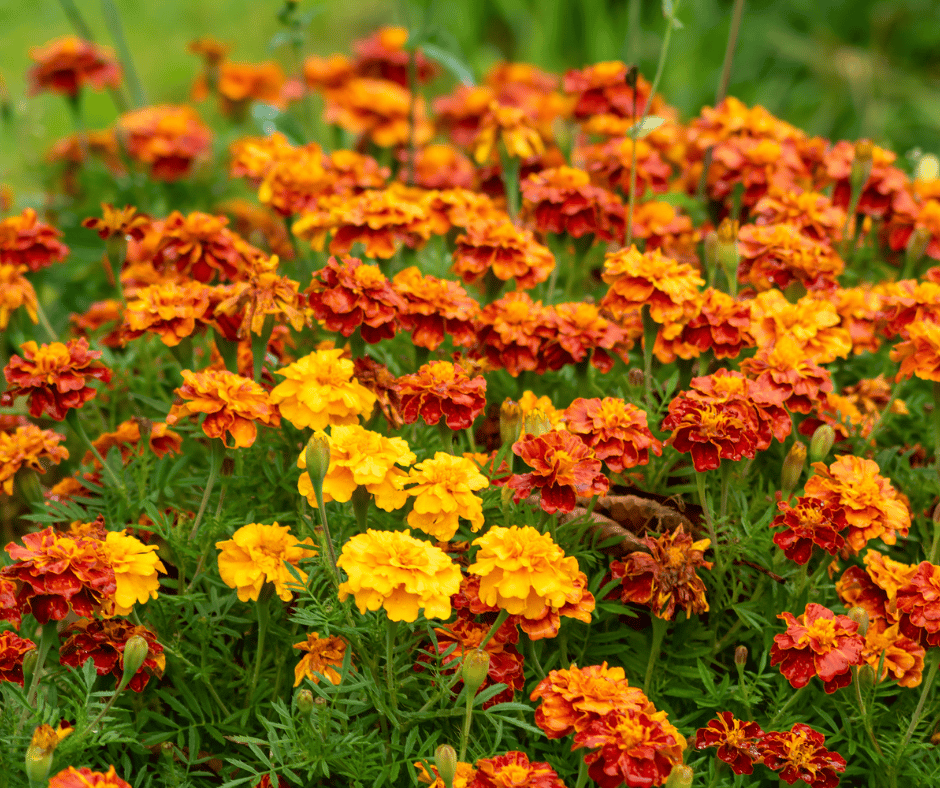
1. Marigold (Tagetes spp.)
Why it’s great: Marigolds are cheerful, fast-growing annuals that thrive in sunny spots and bloom all summer long. Their scent also deters common garden pests.
- Sunlight: Full sun
- Soil: Well-draining, average soil
- Colors: Yellow, orange, red, gold
- Great for: Borders, vegetable gardens, pots
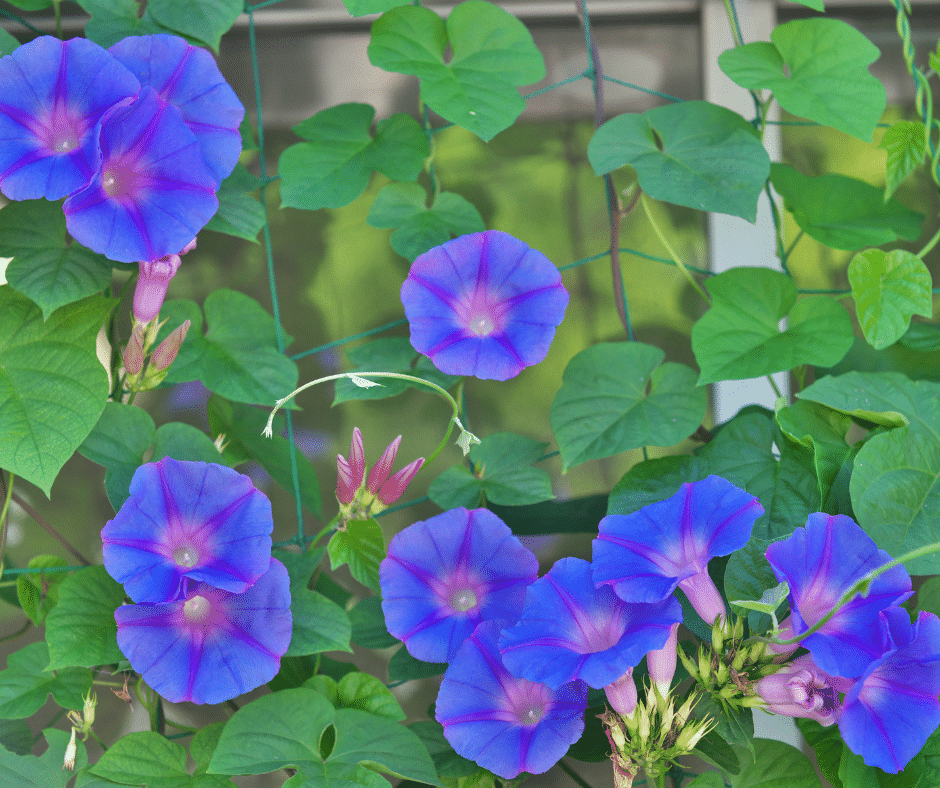
2. Morning Glory (Ipomoea spp.)
Why it’s great: These vining flowers grow quickly from seed and produce trumpet-shaped blooms that open in the morning and close by afternoon.
- Sunlight: Full sun
- Soil: Well-drained, moist soil
- Colors: Purple, blue, pink, white
- Great for: Trellises, fences, balcony railings
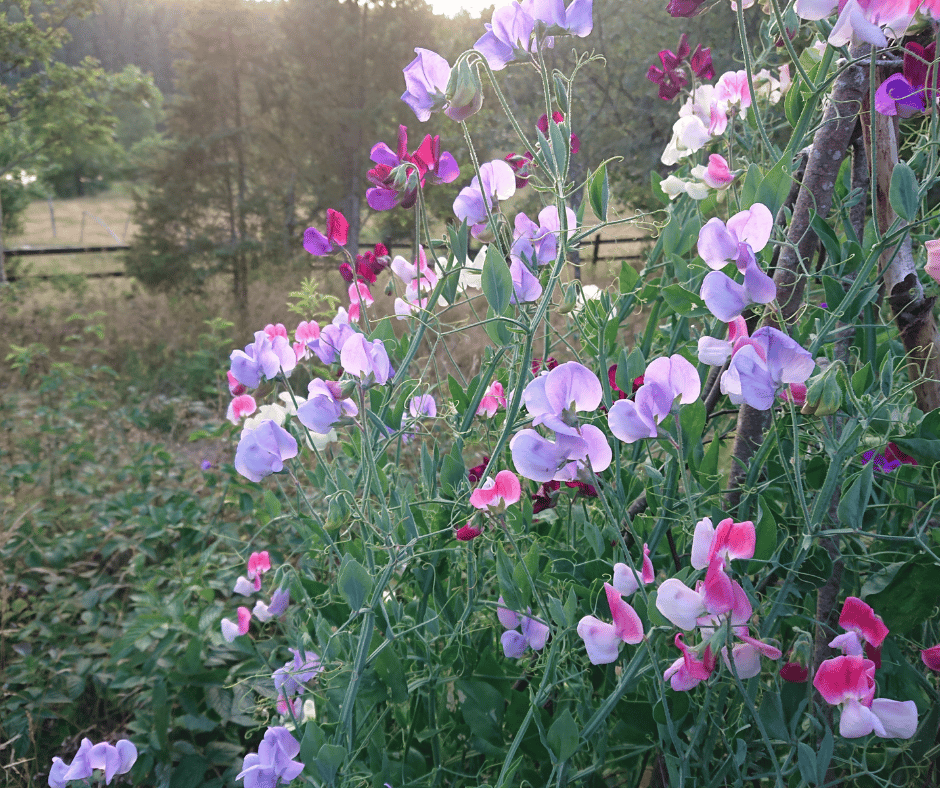
3. Sweet Peas (Lathyrus odoratus)
Why it’s great: Sweet peas offer delicate blooms and a lovely fragrance. They prefer cooler weather and are ideal for spring and fall planting.
- Sunlight: Full sun to part shade
- Soil: Loamy, moist, well-drained
- Colors: Pink, white, lavender, blue
- Great for: Arbors, trellises, containers
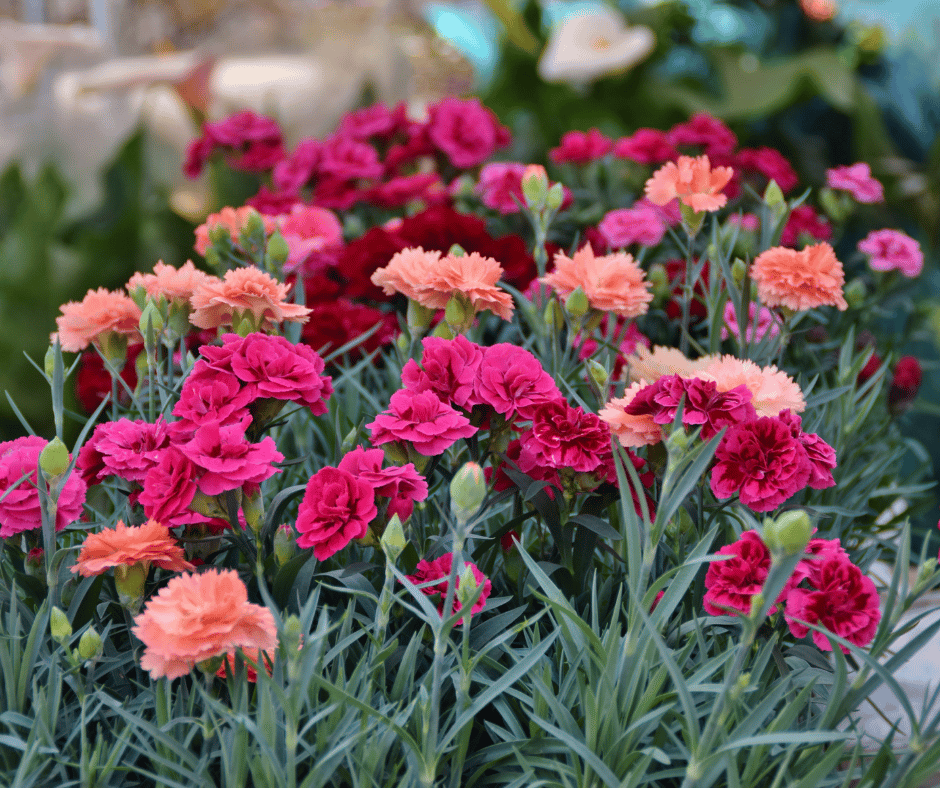
4. Carnation (Dianthus caryophyllus)
Why it’s great: Carnations are easy to grow from seed or cuttings and provide long-lasting, clove-scented blooms that work beautifully in bouquets.
- Sunlight: Full sun
- Soil: Loamy, slightly alkaline, well-drained
- Colors: Red, pink, white, yellow
- Great for: Cutting gardens, borders, containers
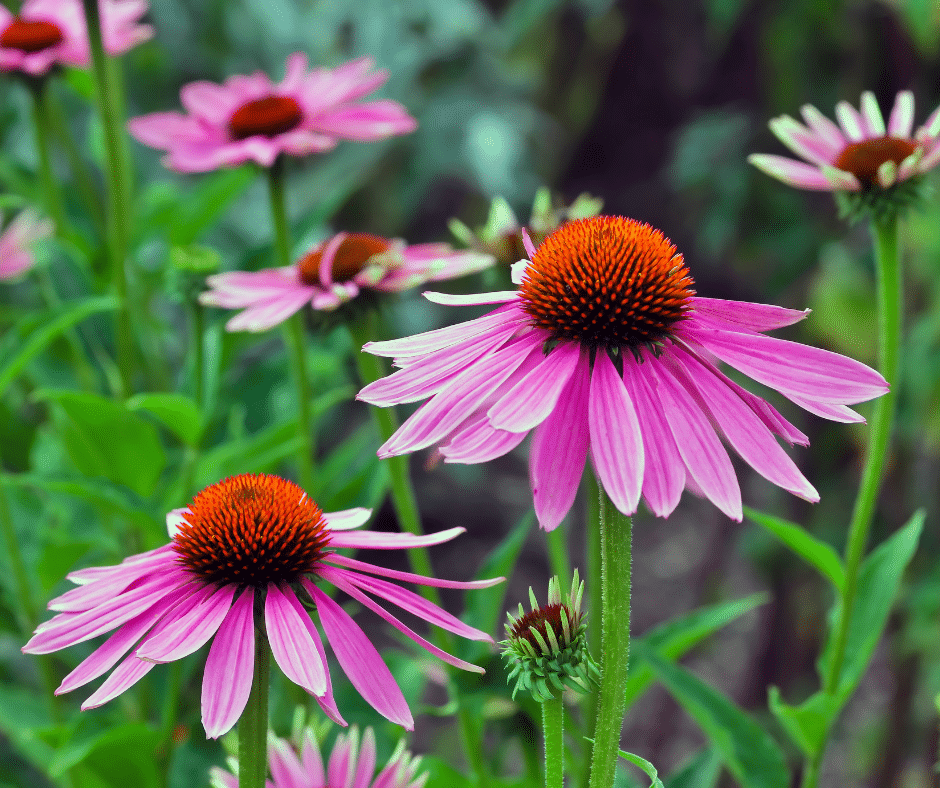
5. Coneflower (Echinacea purpurea)
Why it’s great: A tough perennial that attracts pollinators and withstands drought, heat, and poor soil. It returns year after year with little effort.
- Sunlight: Full sun
- Soil: Well-drained, sandy or loamy
- Colors: Purple, white, pink, orange
- Great for: Pollinator gardens, wildflower beds
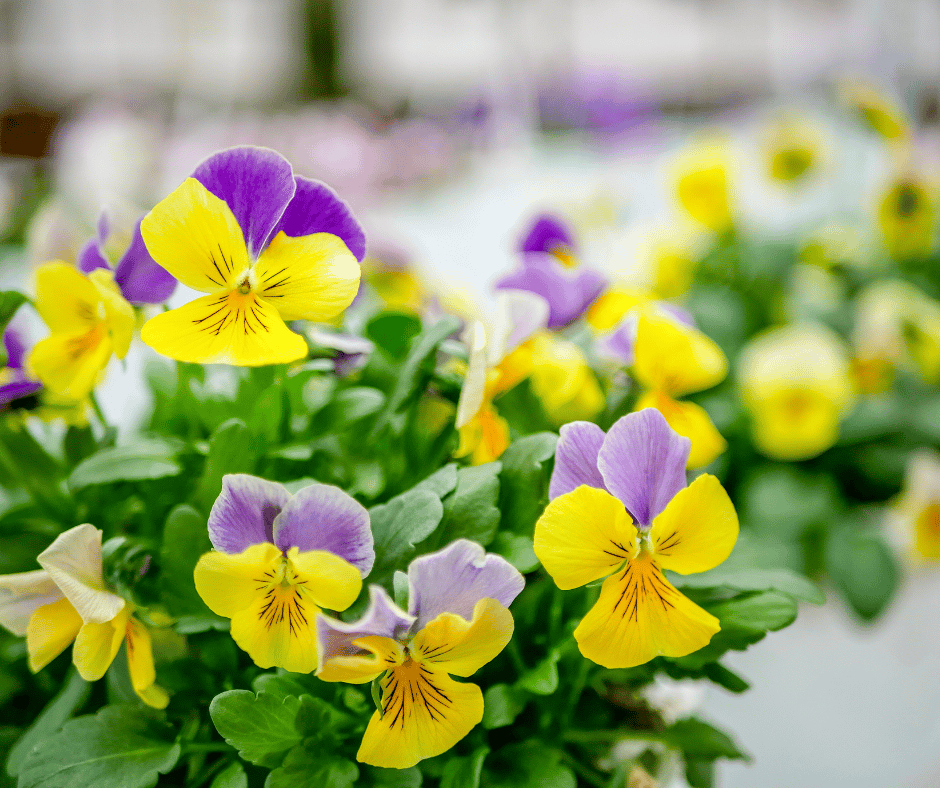
6. Pansy (Viola tricolor var. hortensis)
Why it’s great: Pansies are cool-season favorites that bloom in a wide array of colors and patterns. They’re very easy to grow from seed or transplants.
- Sunlight: Full sun to part shade
- Soil: Moist, well-drained
- Colors: Nearly every color; often bicolored
- Great for: Containers, edging, early spring color
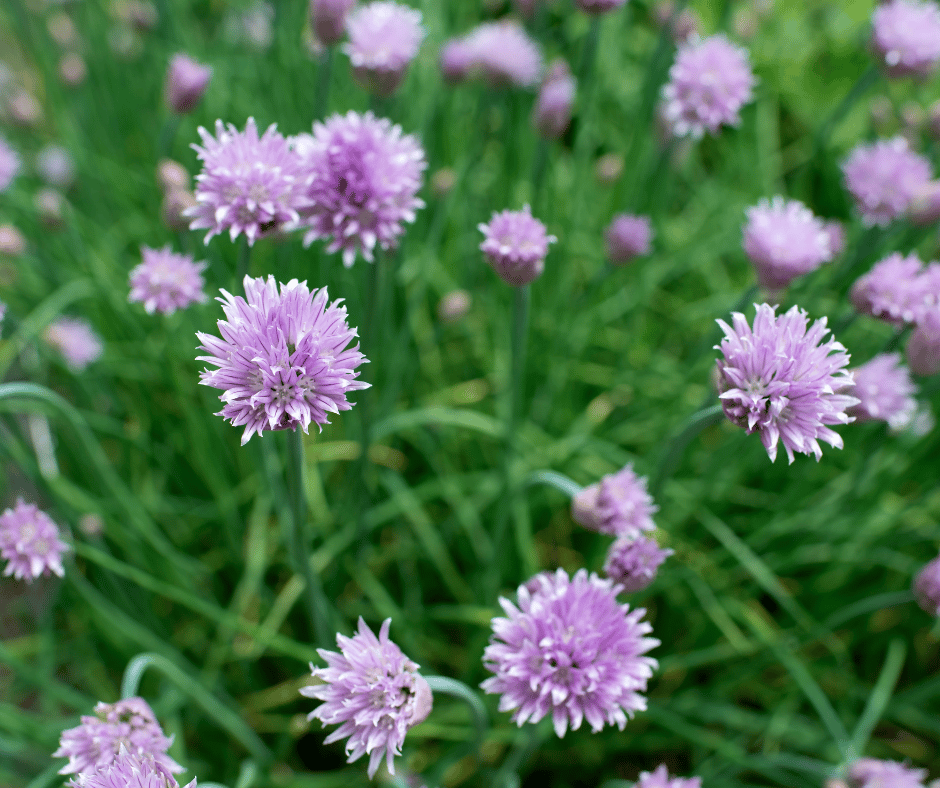
7. Ornamental Onion (Allium spp.)
Why it’s great: Alliums produce striking globe-shaped flower heads that add height and structure to flower beds. They’re long-lasting and deer-resistant.
- Sunlight: Full sun
- Soil: Rich, sandy, well-drained
- Colors: Purple, white, pink
- Great for: Borders, rock gardens, cut flowers
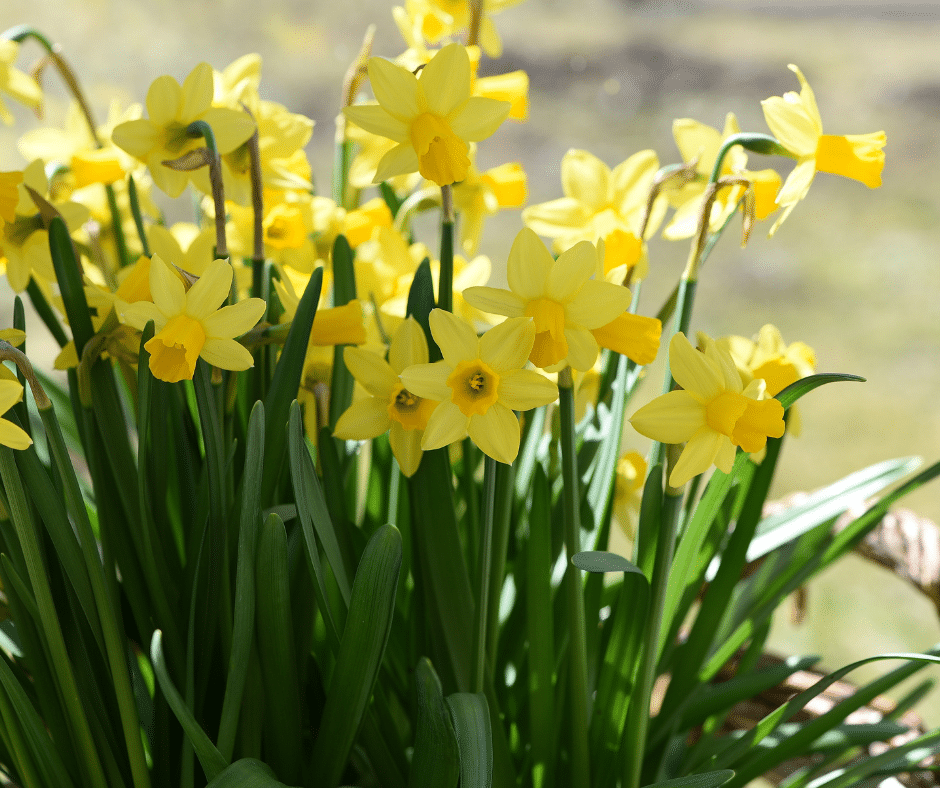
8. Daffodil (Narcissus spp.)
Why it’s great: Plant the bulbs in fall and forget about them – daffodils bloom early in spring and return every year with bright, cheerful flowers.
- Sunlight: Full sun to partial shade
- Soil: Well-drained, moist
- Colors: Yellow, white, orange
- Great for: Naturalizing, borders, woodland gardens
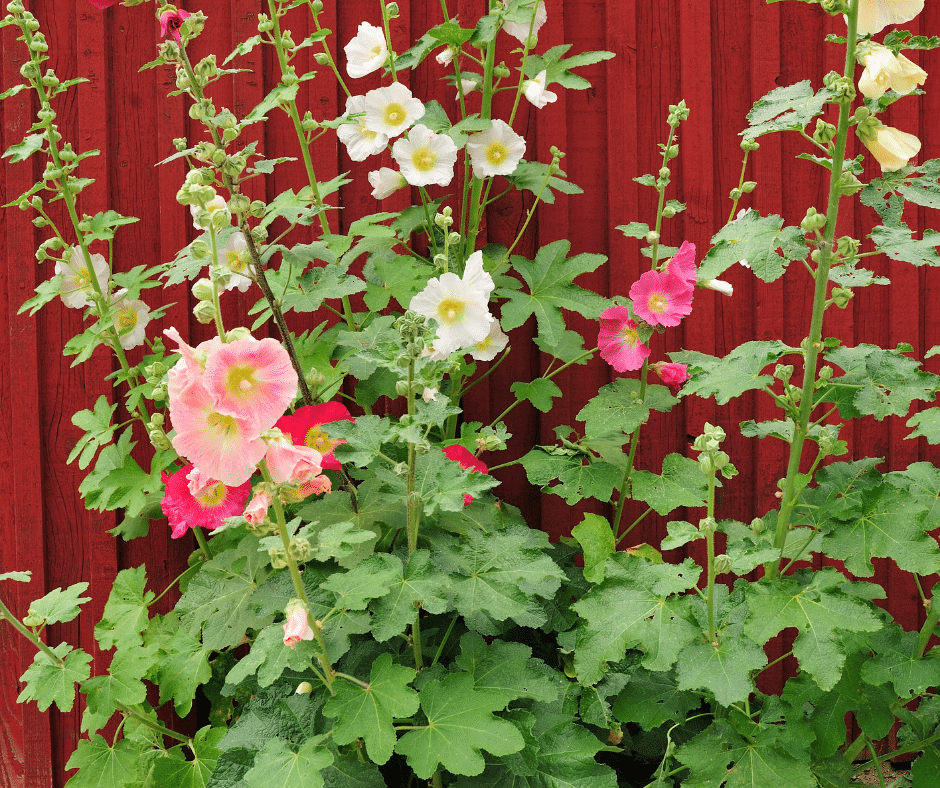
9. Hollyhock (Alcea rosea)
Why it’s great: These towering beauties can reach 6 feet or more and bloom in midsummer. They self-seed readily and grow well in most soil types.
- Sunlight: Full sun
- Soil: Well-drained, average
- Colors: Red, pink, yellow, white, purple
- Great for: Cottage gardens, fences, back borders
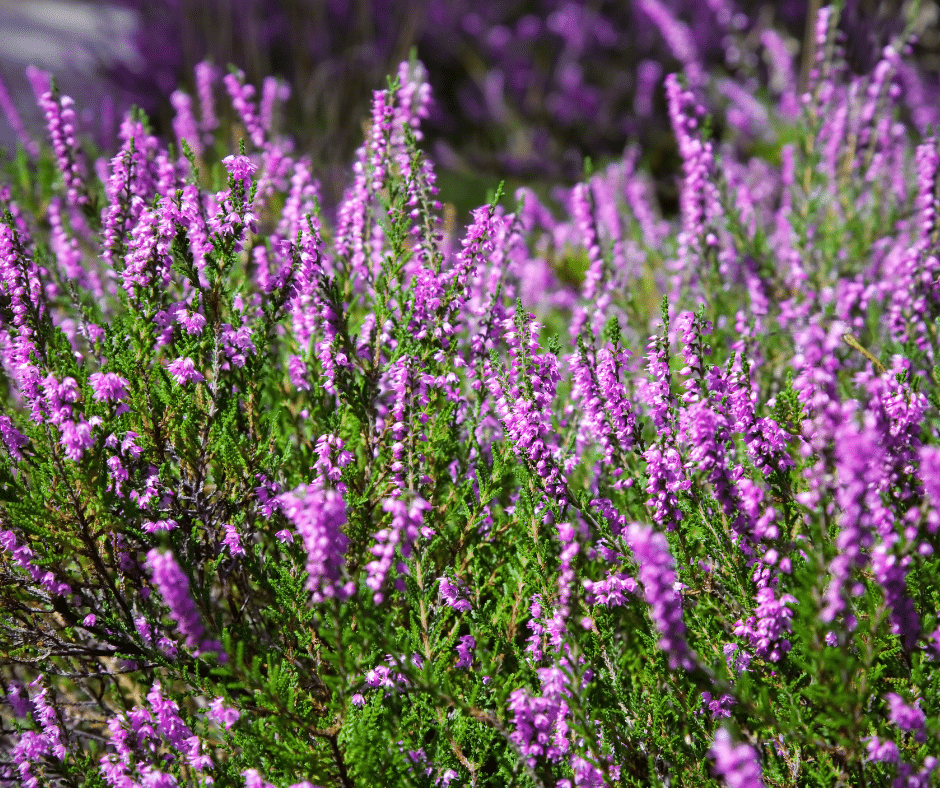
10. Heather (Calluna vulgaris)
Why it’s great: Heather is a low-maintenance perennial that prefers acidic soil and produces delicate, bell-shaped flowers on evergreen foliage.
- Sunlight: Full sun
- Soil: Well-drained, acidic
- Colors: Purple, pink, white
- Great for: Rock gardens, slopes, foundation planting
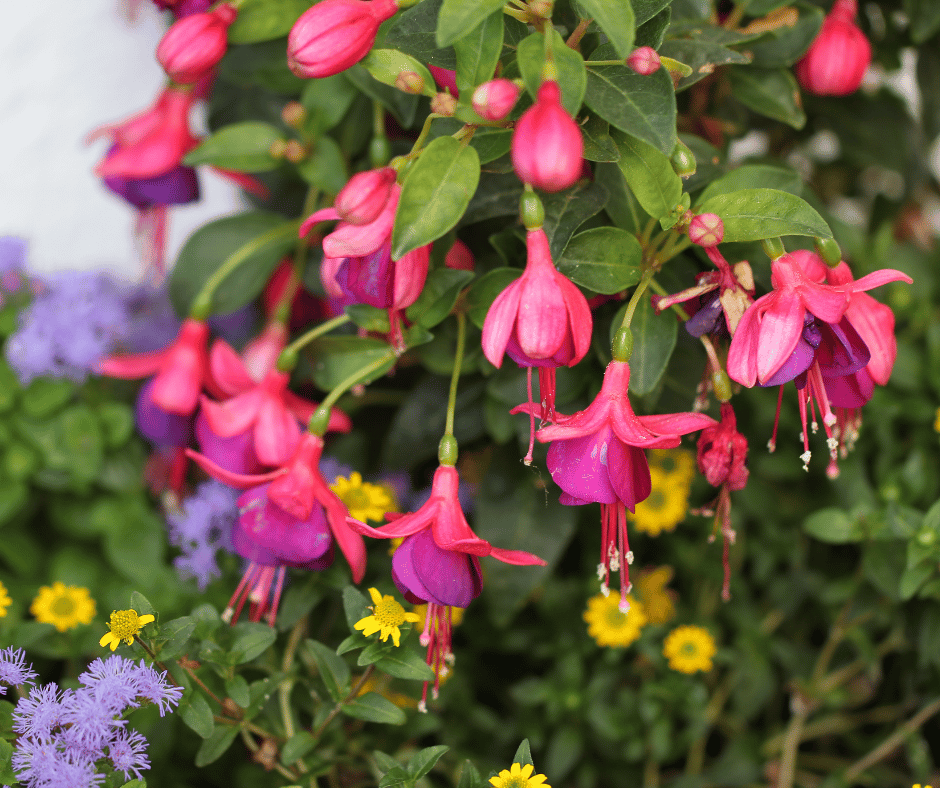
11. Fuchsia (Fuchsia spp.)
Why it’s great: Fuchsias thrive in containers or hanging baskets and bloom continuously in cooler weather. They’re easy to grow from cuttings.
- Sunlight: Full sun to partial shade
- Soil: Moist, fertile, well-drained
- Colors: Red, purple, pink, white
- Great for: Hanging baskets, shaded patios
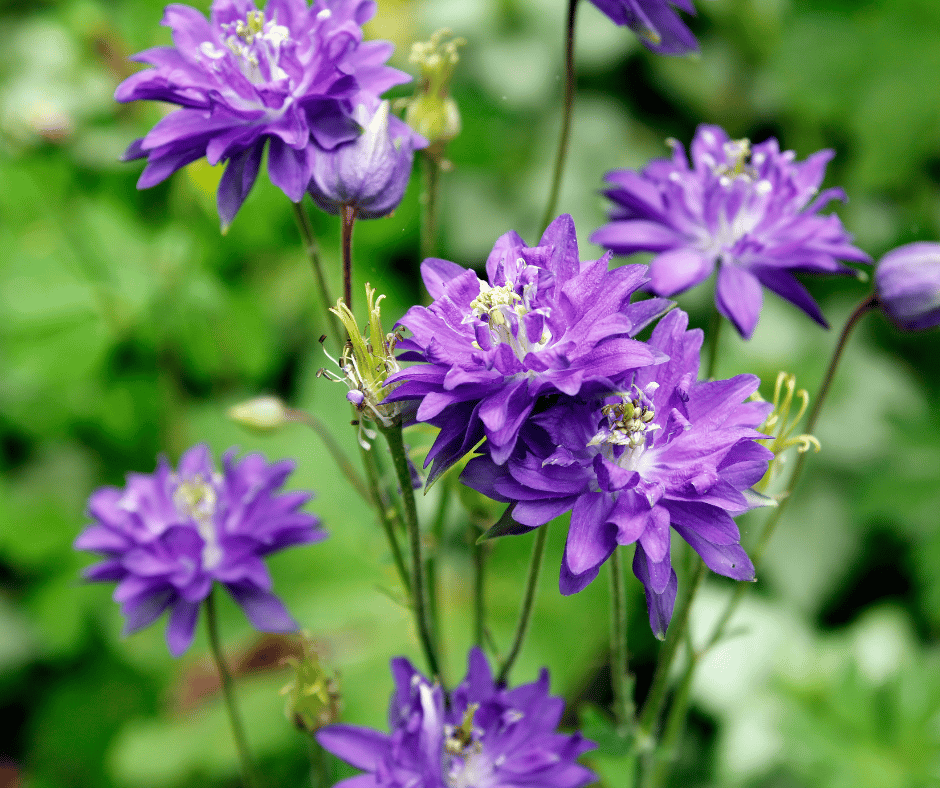
12. Columbine (Aquilegia spp.)
Why it’s great: Columbines are charming perennials that reseed themselves easily. Their unique, spurred flowers attract hummingbirds and bees.
- Sunlight: Part shade to full sun
- Soil: Moist, well-drained
- Colors: Red, purple, yellow, white
- Great for: Shade gardens, woodland settings
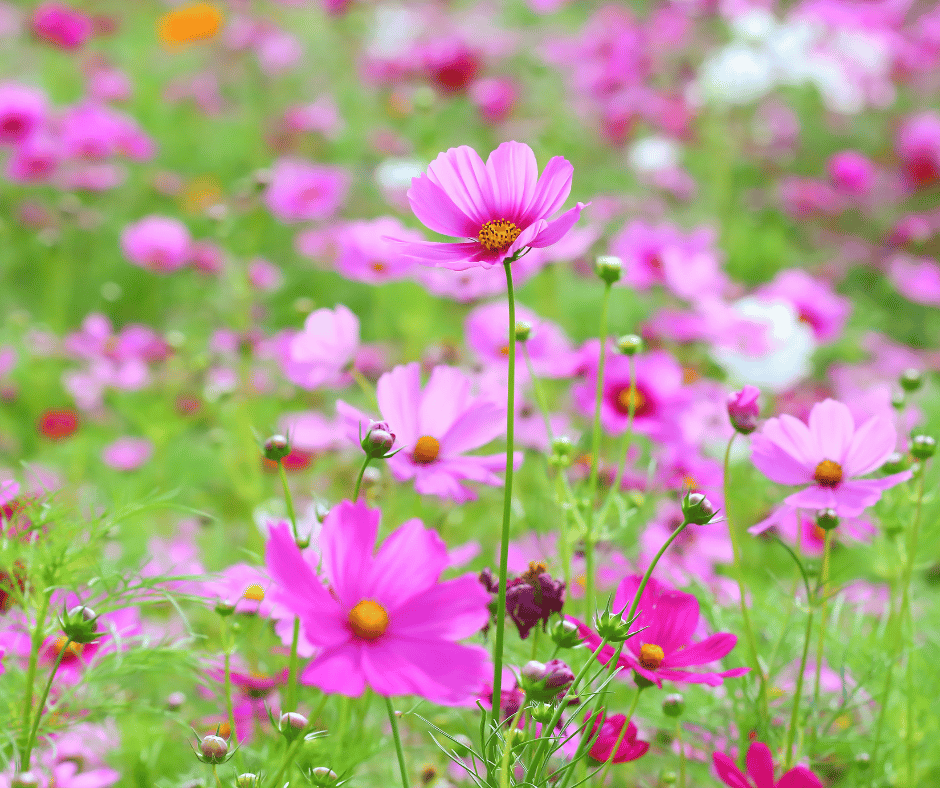
13. Cosmos (Cosmos bipinnatus)
Why it’s great: A true “plant it and forget it” flower. Cosmos tolerate drought, poor soil, and heat while providing continuous, daisy-like blooms.
- Sunlight: Full sun
- Soil: Well-drained, average to poor
- Colors: White, pink, orange, red
- Great for: Pollinator gardens, wildflower mixes
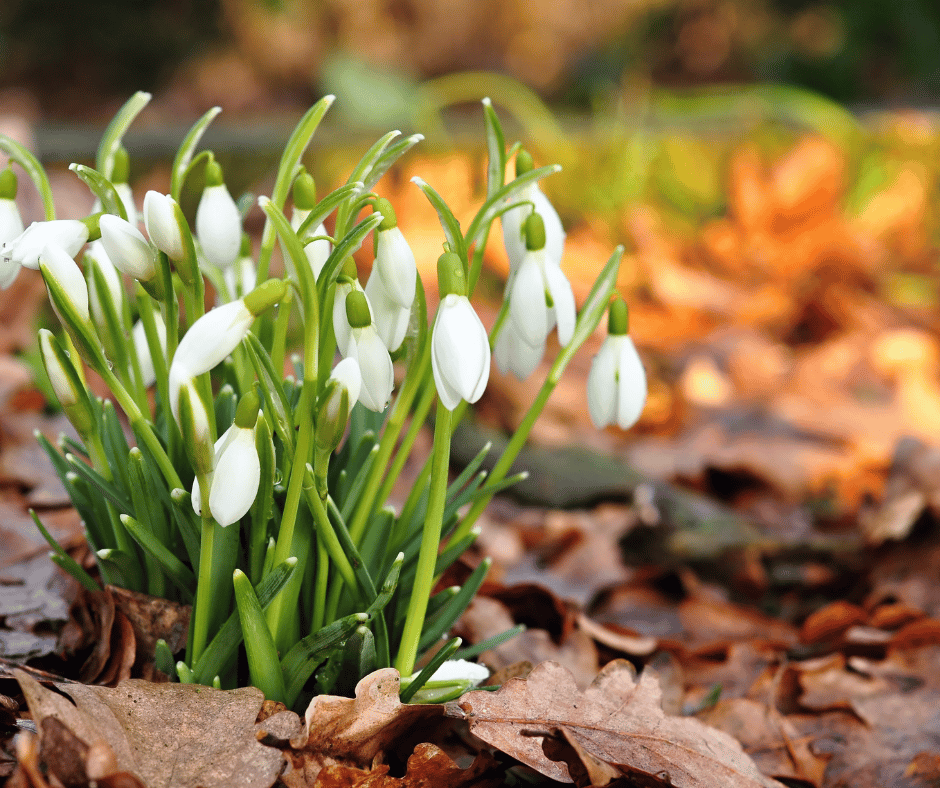
14. Snowdrop (Galanthus nivalis)
Why it’s great: Snowdrops are among the earliest blooming flowers in spring and require almost no maintenance once planted.
- Sunlight: Partial shade
- Soil: Moist, well-drained
- Colors: White
- Great for: Woodland gardens, under trees
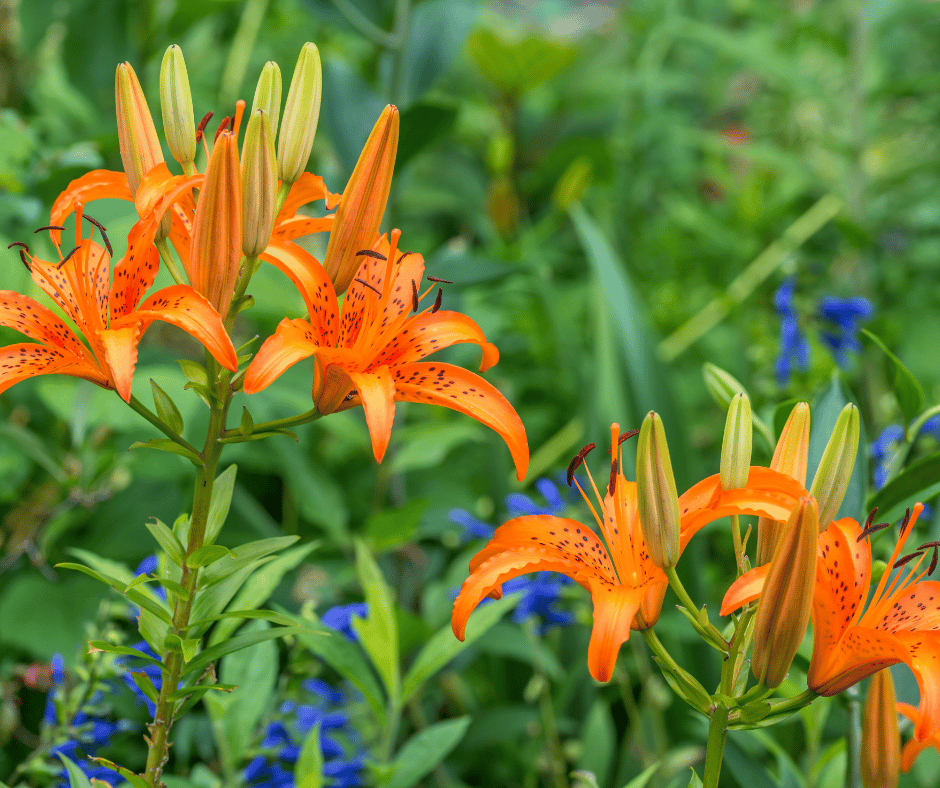
15. Daylily (Hemerocallis spp.)
Why it’s great: Daylilies are among the toughest perennials, flourishing with minimal care. Once established, they bloom profusely year after year.
- Sunlight: Full sun to part shade
- Soil: Well-drained, adaptable
- Colors: Nearly every color
- Great for: Mass plantings, borders, slopes
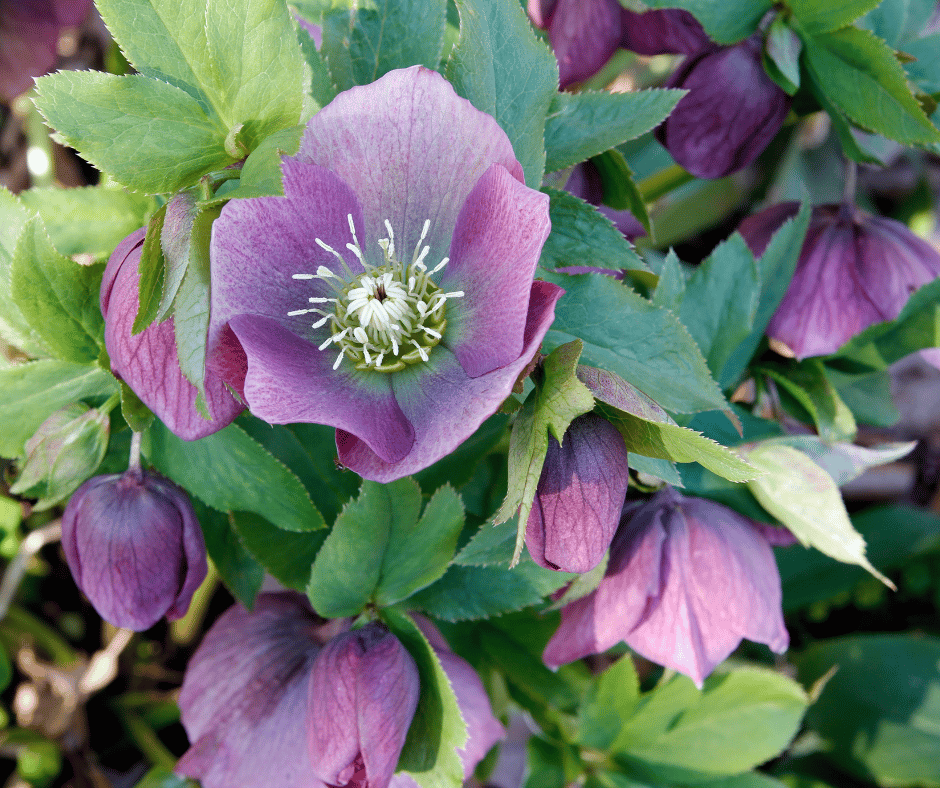
16. Hellebore (Helleborus spp.)
Why it’s great: Hellebores are shade-tolerant, cold-hardy, and deer-resistant, with blooms that appear in late winter or early spring.
- Sunlight: Partial to full shade
- Soil: Moist, well-drained
- Colors: White, pink, green, purple
- Great for: Woodland and winter gardens
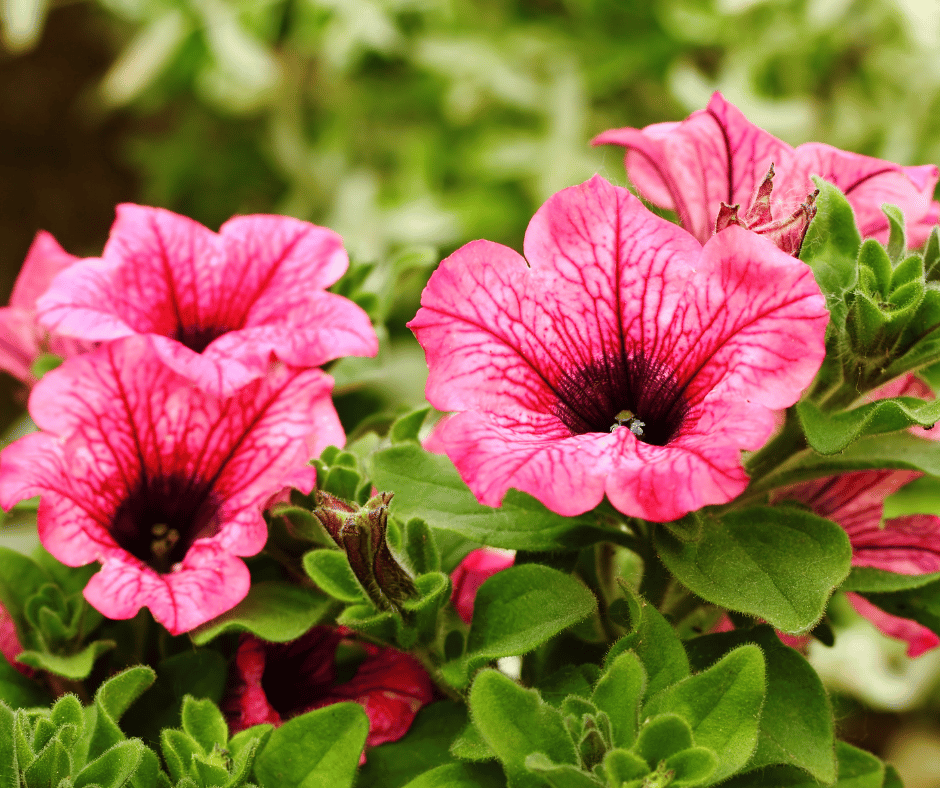
17. Petunia (Petunia x hybrida)
Why it’s great: Petunias bloom profusely in sunny spots and are exceptional container plants. With dozens of colors and forms, they’re a garden staple.
- Sunlight: Full sun
- Soil: Loamy, well-drained
- Colors: Pink, red, purple, blue, white, yellow
- Great for: Hanging baskets, containers, window boxes
18. Sword Lily (Gladiolus spp.)
Why it’s great: Gladiolus, or sword lilies, produce towering spikes of flowers perfect for cutting gardens. They’re grown from corms and love warm, sunny spots.
- Sunlight: Full sun
- Soil: Sandy, well-drained
- Colors: Wide range – bicolor, red, orange, white, pink
- Great for: Cutting gardens, mixed borders
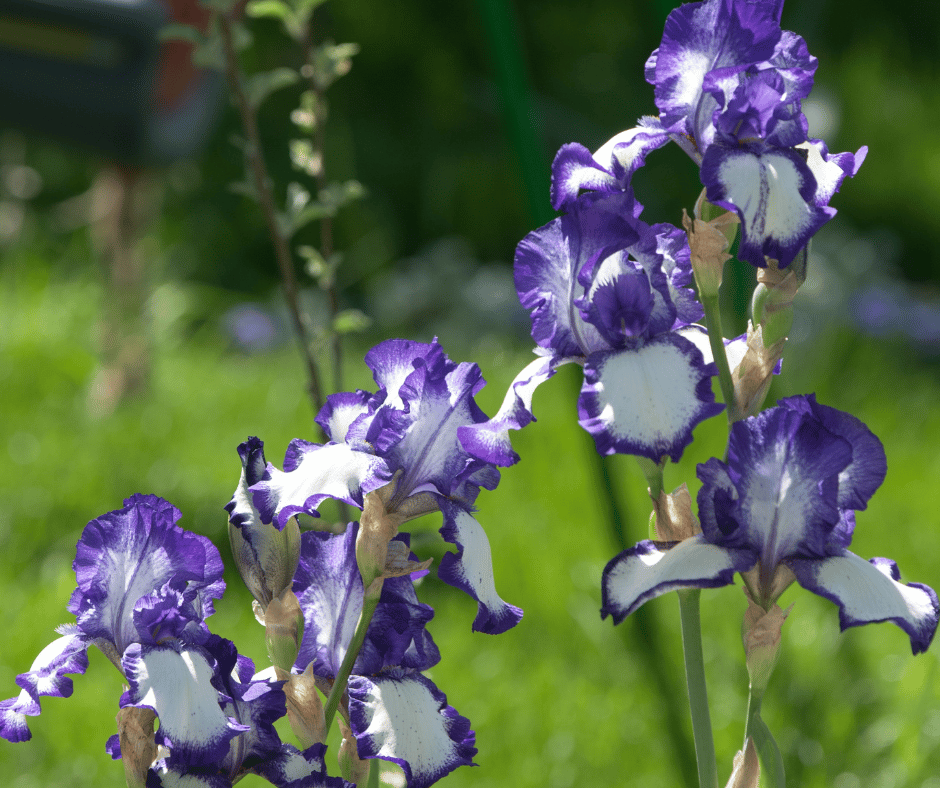
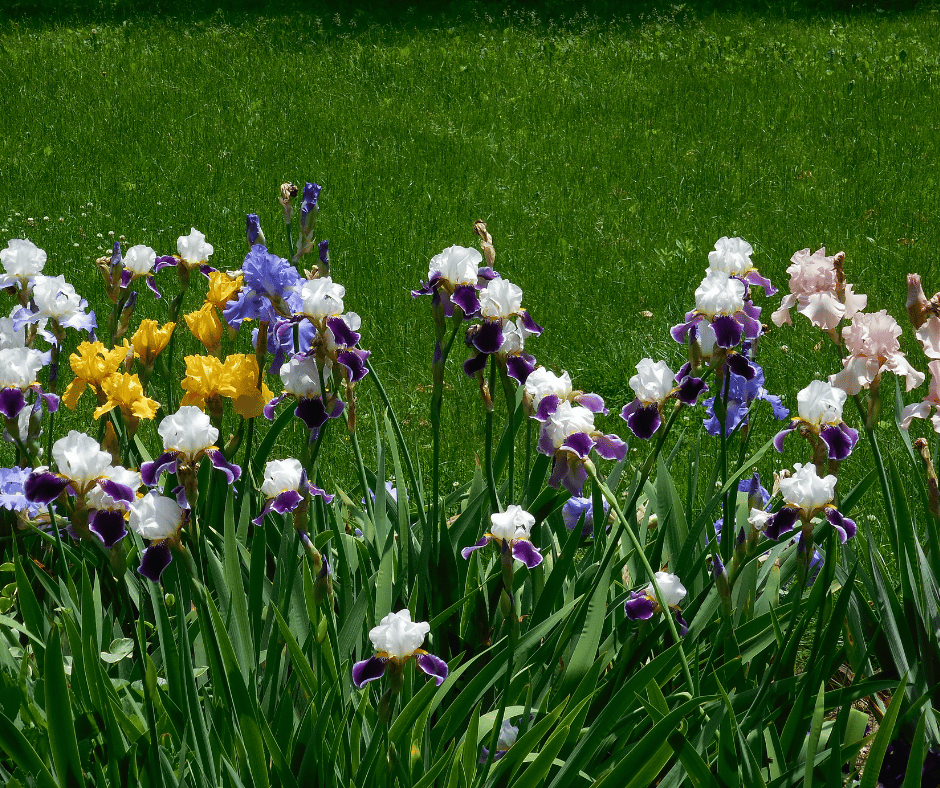
19. Bearded Iris (Iris germanica)
Why it’s great: These resilient perennials are easy to grow, low maintenance, and bloom in spectacular colors. Once planted, they thrive for years.
- Sunlight: Full sun
- Soil: Well-drained, average to clay
- Colors: Nearly every color
- Great for: Flower beds, slopes, foundation plantings
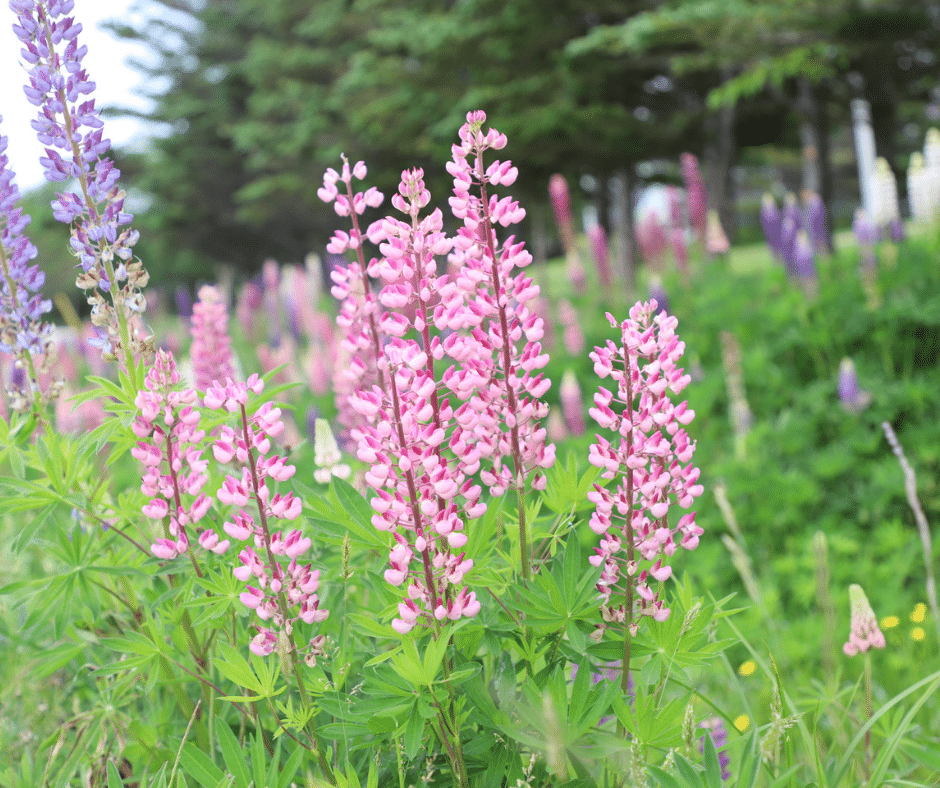
20. Lupines (Lupinus spp.)
Why it’s great: Lupines are nitrogen-fixing plants that enrich your soil and provide stunning spikes of colorful flowers that return year after year.
- Sunlight: Full sun to part shade
- Soil: Sandy, well-drained, slightly acidic
- Colors: Blue, pink, yellow, white, red
- Great for: Cottage gardens, wildlife habitats
Tips for Growing Flowers Successfully
- Know Your USDA Zone: Select flowers that thrive in your local climate.
- Choose the Right Light: Match plant sunlight requirements with garden conditions.
- Water Wisely: Keep soil moist but not soggy; water early in the day.
- Enrich Your Soil: Add compost or organic matter to promote healthy root development.
- Mulch for Moisture: Mulching conserves water, controls weeds, and regulates soil temperature.
- Deadhead Spent Blooms: Encourages more flowering and keeps plants tidy.
- Start with Seeds or Transplants: Annuals grow quickly from seed, while perennials are easier started from nursery plants.
Even if you’re new to gardening, you can enjoy a thriving, colorful flower garden by choosing the right beginner-friendly plants.
From tough-as-nails marigolds to whimsical lupines, these easy-to-grow flowers provide long-lasting beauty without the stress.