

There’s no better way to celebrate warm weather than by planting and beautifying your garden. If you’re looking for a fun and functional outdoor project, a DIY garden trellis is the perfect addition to your space.
Trellises not only support climbing flowers and vegetables, but they also help maximize space, improve airflow, and create beautiful vertical focal points.
The best part? You don’t need any fancy carpentry skills or expensive tools. With materials like bamboo poles, wooden pallets, bike rims, wire fencing, and even old screen doors, you can craft a trellis that suits your garden’s style and plant needs.
Here are 19 clever and creative DIY garden trellis ideas to inspire your next garden upgrade:
1. Upcycle Wooden Pallets into a Rustic Trellis
Wooden pallets are sturdy, accessible, and easy to transform into vertical growing structures. Lean one against a wall or fence for instant plant support—ideal for peas, beans, and small flowering vines.
Bonus: Paint or stain the pallet to match your garden’s color scheme.
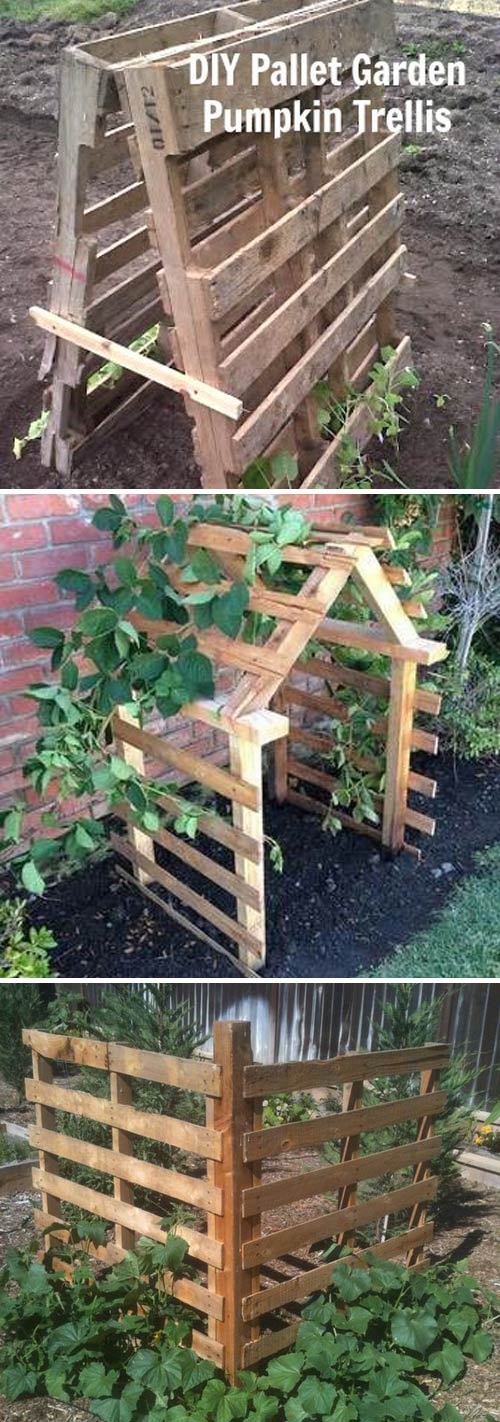
2. Bamboo Pole Trellis for Cucumbers and Beans
Bamboo is lightweight, strong, and naturally weather-resistant—a favorite for building garden trellises. Use bamboo poles to create teepees or lattices perfect for climbing vegetables like cucumbers, pole beans, and peas.
Tip: Tie the poles together with natural twine or jute for a rustic look.
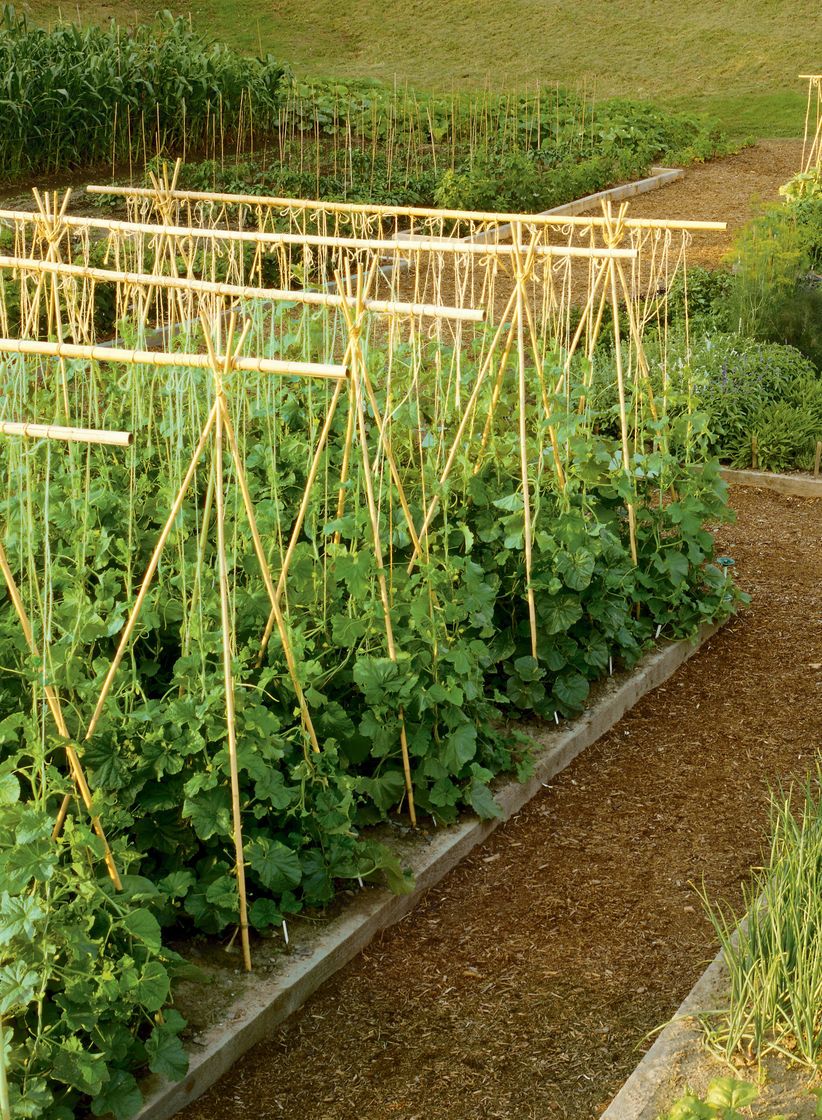
3. Freestanding Wooden Trellis Planter Combo
Combine structure and style with a freestanding trellis planter box. This dual-purpose design allows you to grow climbing plants like clematis or sweet peas while adding height and elegance to your patio or entryway.
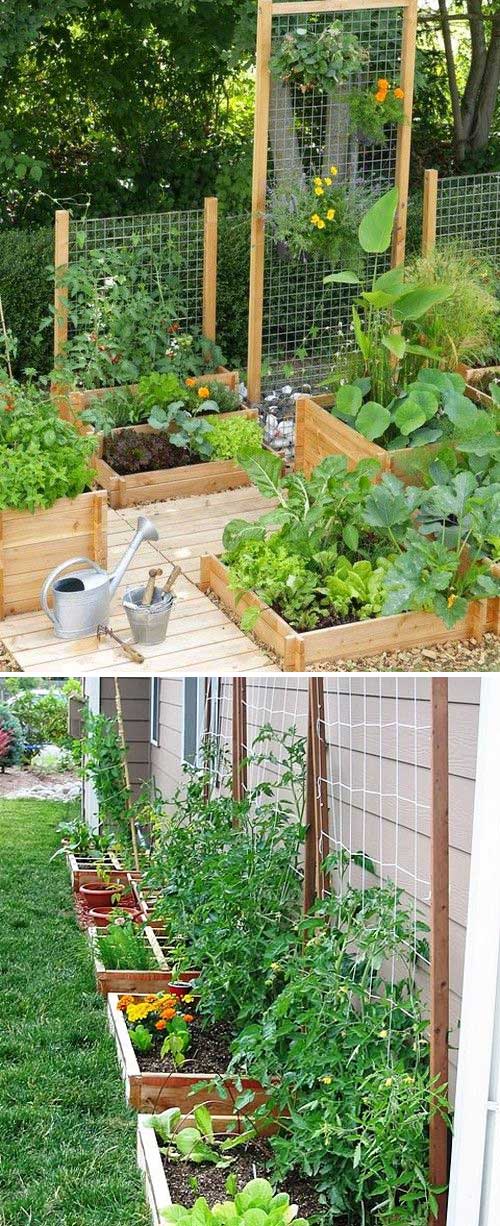
4. Bike Rim Trellis for a Unique Garden Statement
Turn old bicycle rims into a circular trellis structure. Attach them to a pole or stake them vertically to form a whimsical support for vines.
Best for: Morning glories, climbing nasturtiums, or runner beans.
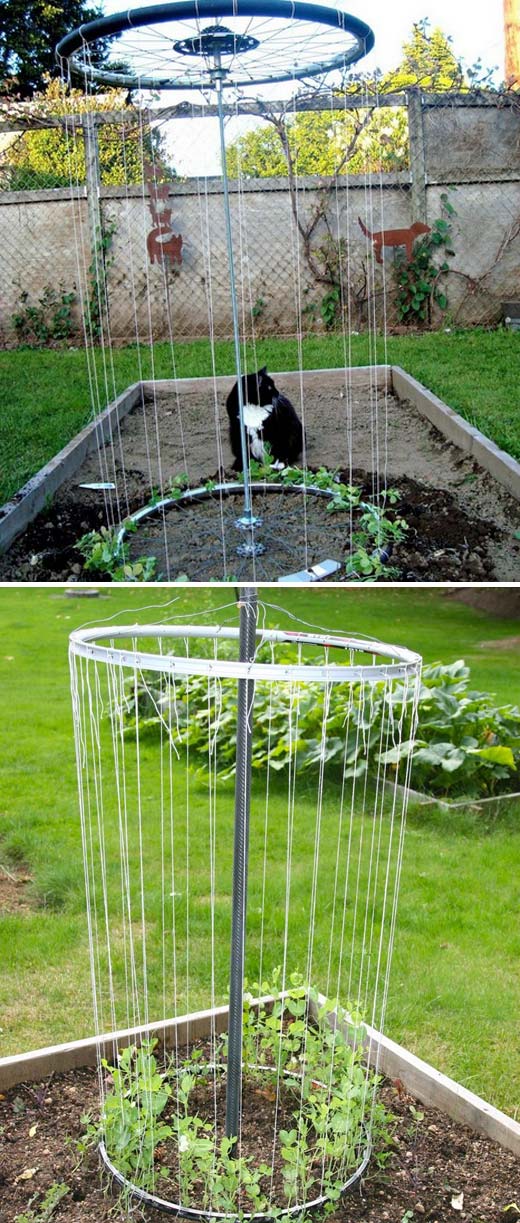
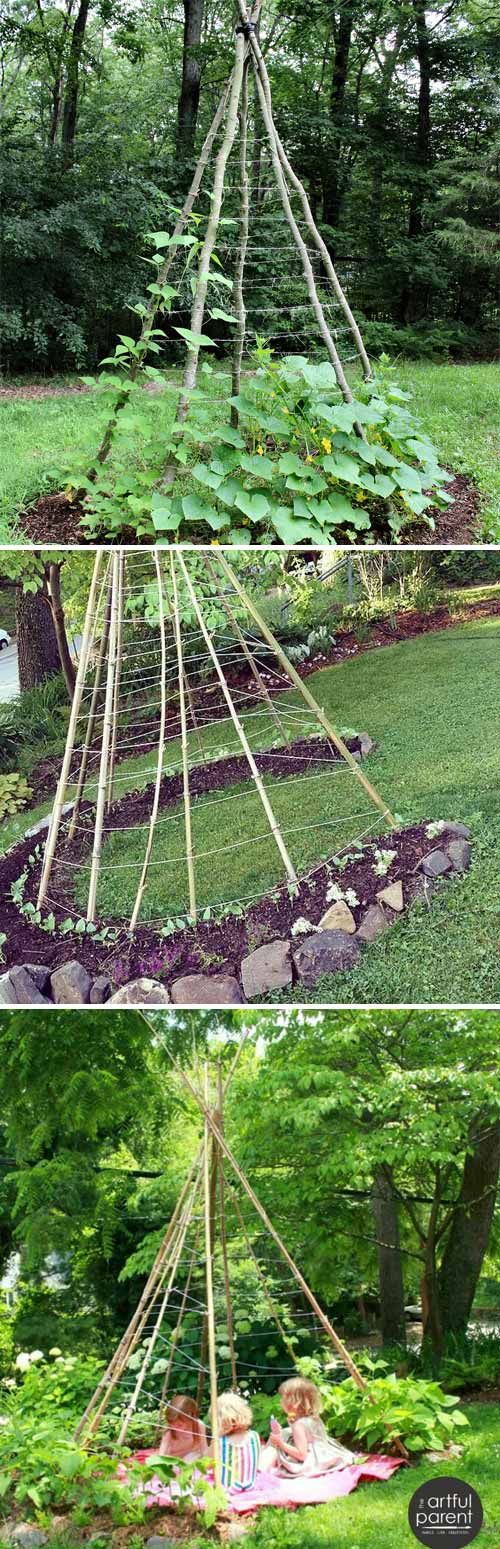
5. Bean Teepee – A Fun and Functional Garden Hideaway
Create a teepee trellis using long bamboo stakes or wooden poles tied together at the top. Not only does it offer excellent support for climbing beans, but it can also double as a magical little hideout for kids.
6. Foldable A-Frame Trellis Panels
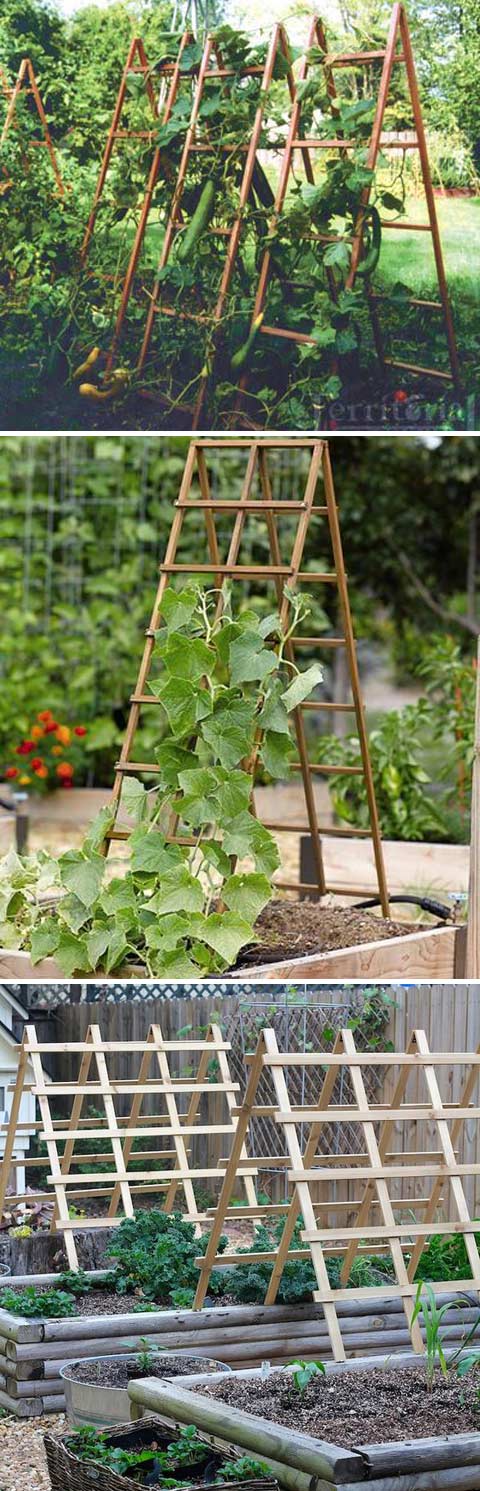
Make a collapsible A-frame trellis that can be stored easily during the off-season. Ideal for raised beds or small gardens, it supports heavier crops like squash and cucumbers.
Bonus: Place two back-to-back for a garden tunnel effect.
7. Enchanting Gourd Tunnel Trellis
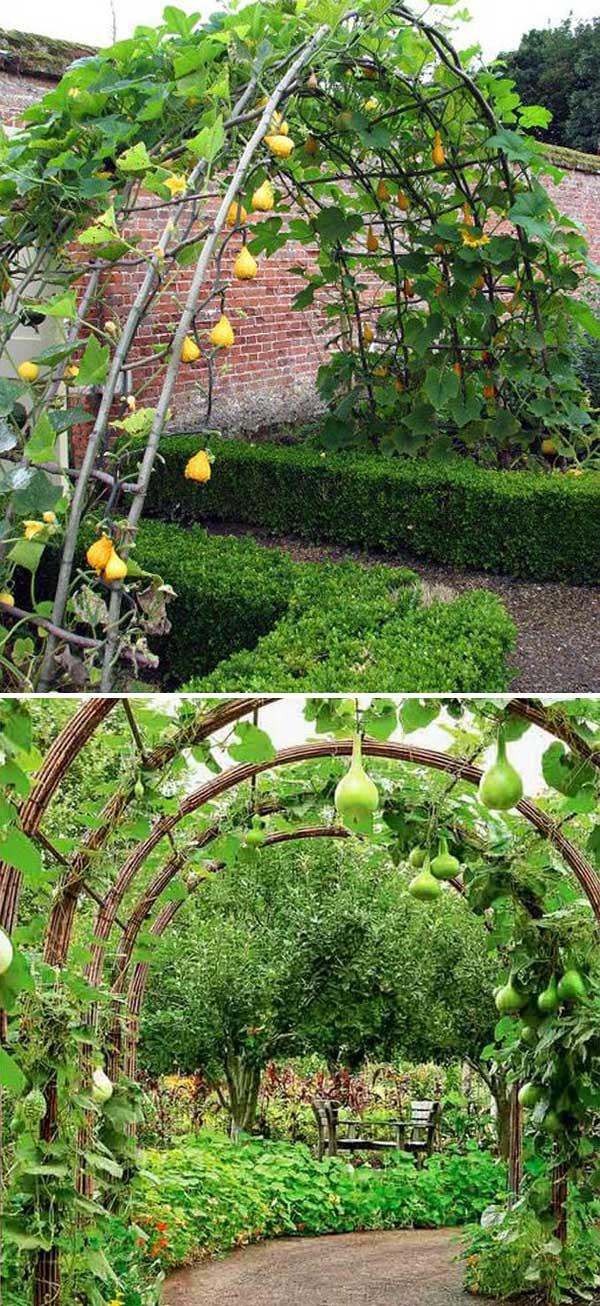
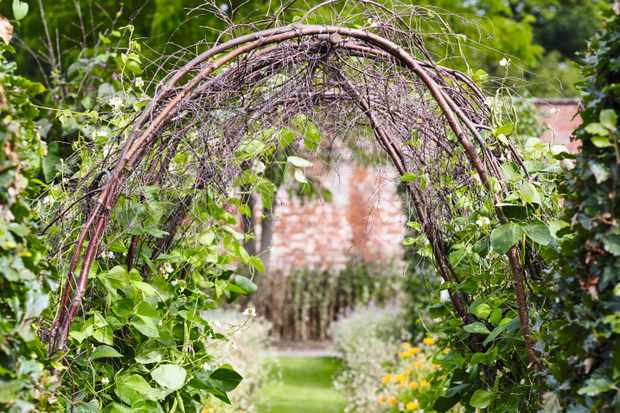
Build an arched trellis with sturdy metal or PVC piping and wire mesh to create a garden tunnel. Grow gourds, pumpkins, or melons overhead to create a shaded, fruit-laden archway that’s both practical and stunning.
8. Old Screen Door Trellis
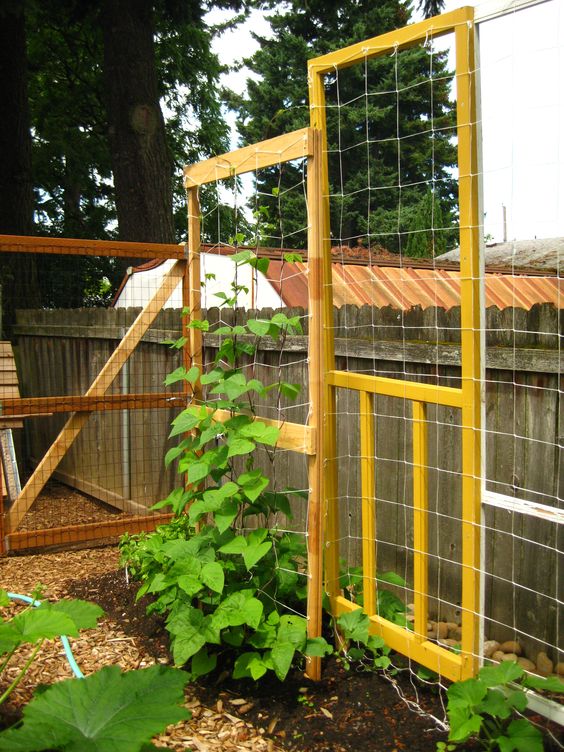
Repurpose a vintage or salvaged screen door into a decorative trellis. Lean it against a wall or secure it in the garden as an eye-catching vertical structure.
Great for: Lightweight flowering vines like black-eyed Susan vine or sweet peas.
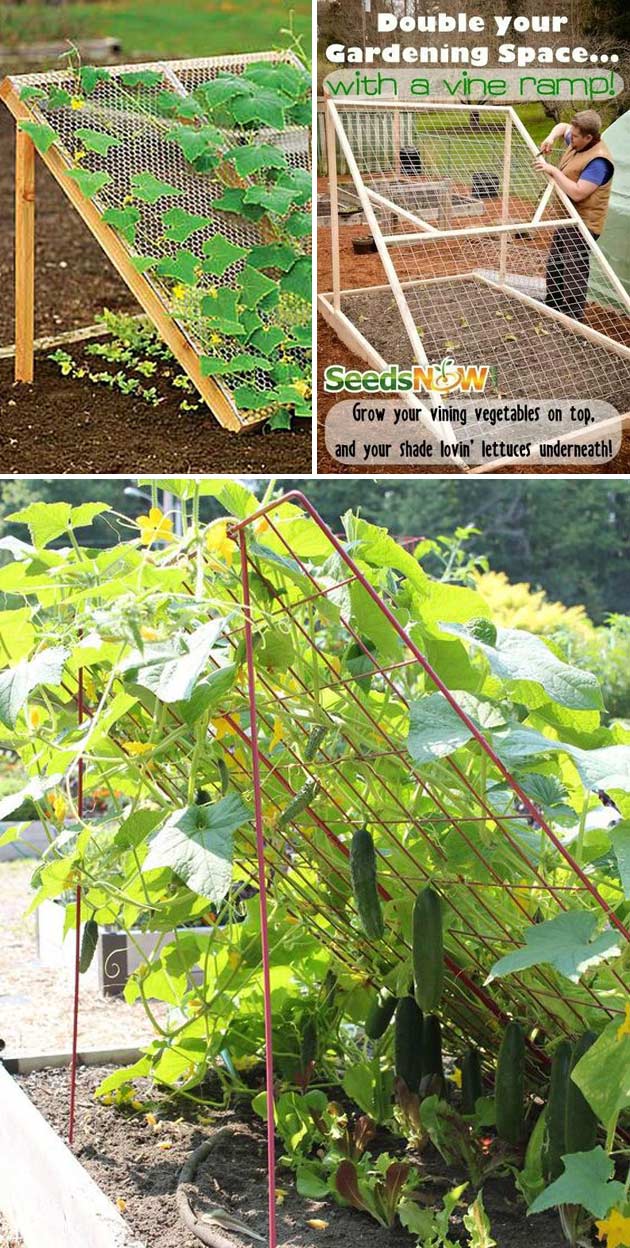
9. Vine Ramp Trellis for Two-Level Gardening
Construct a ramp-like trellis from wood or metal that lets you grow climbing crops on top and shade-loving plants underneath. Perfect for companion planting—grow beans above and lettuce below.
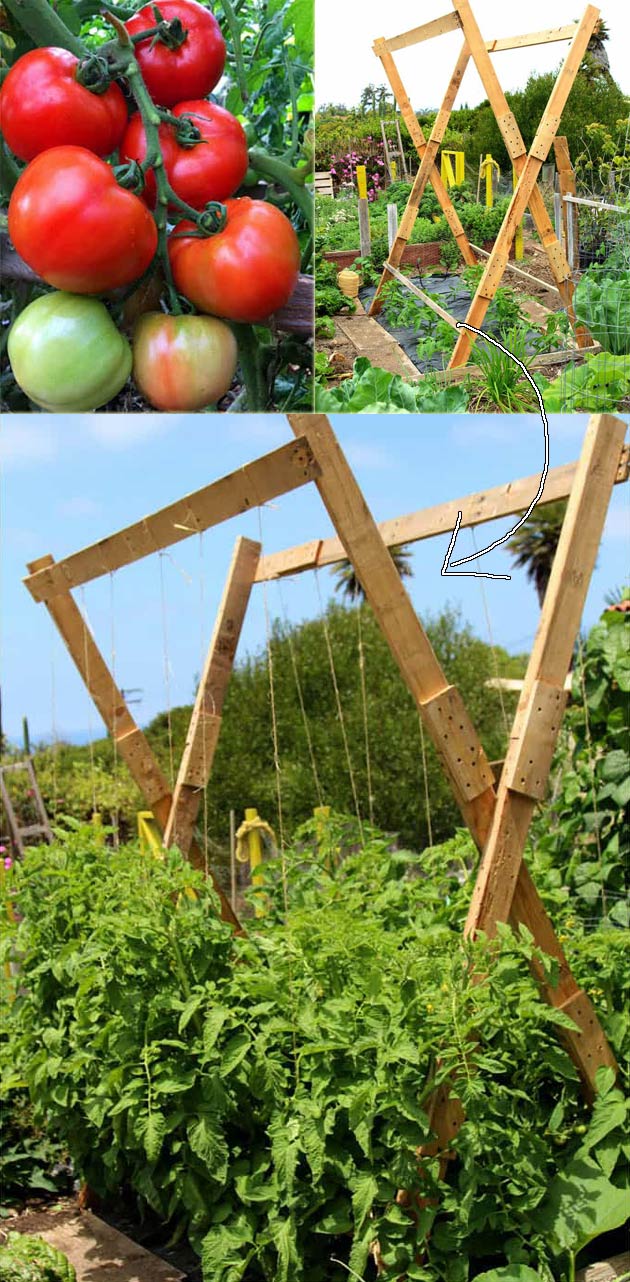
10. Space-Saving Tomato Trellis for Big Yields
With the right support, tomatoes can grow vertically and produce over 100 pounds in just 20 square feet! Build a strong trellis with stakes and horizontal support wires to encourage upward growth.
Pro tip: Use soft plant ties to secure stems and avoid damage.
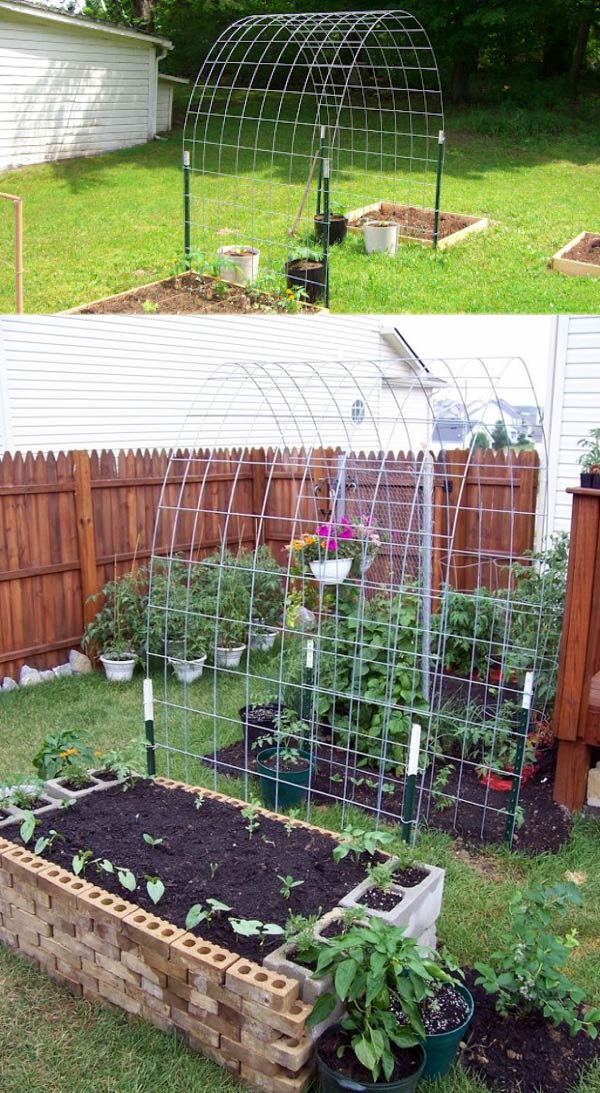
11. Trellis and Raised Garden Box Combo
Integrate a trellis directly into a raised garden bed. This combo is ideal for small yards or patios, offering vertical support and a neat, contained growing space.
Perfect for: Peas, cherry tomatoes, or climbing herbs like rosemary and thyme.
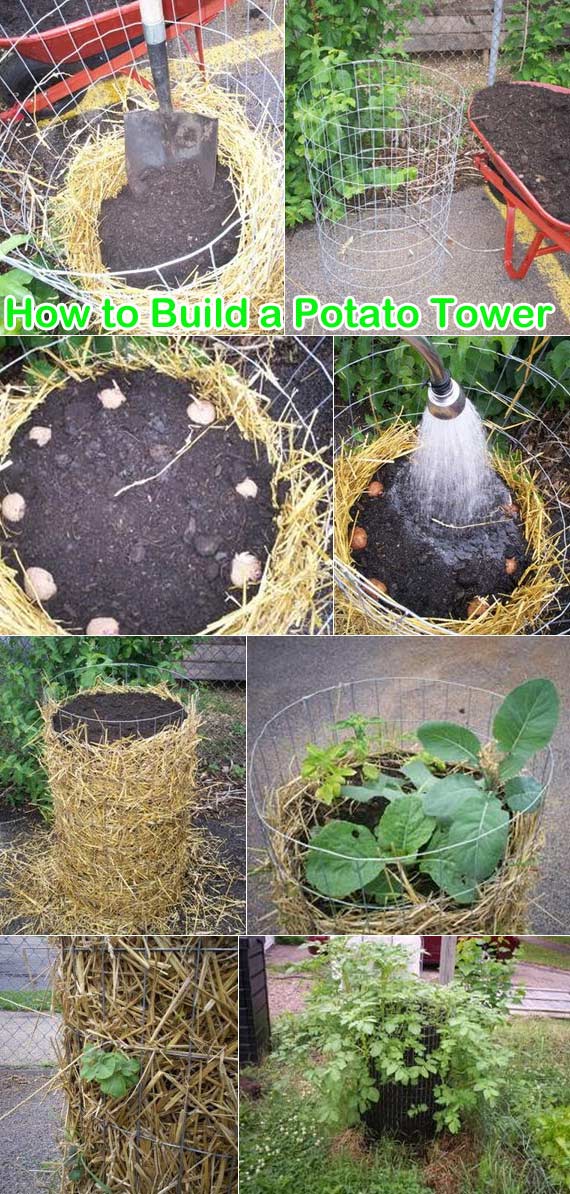
12. Wire Fencing for a Potato Tower
Stack soil and straw inside a circular wire fencing frame, and plant potatoes in layers. As they grow, add more soil. You’ll save space and harvest a tower of potatoes!
13. Simple Stick and Twine Trellis
One of the easiest DIY options: gather branches or bamboo sticks and tie them with twine to form a fan or grid-shaped trellis.
Ideal for: Peas, pole beans, and morning glories
Cost-effective and eco-friendly, this natural design blends right into your garden.
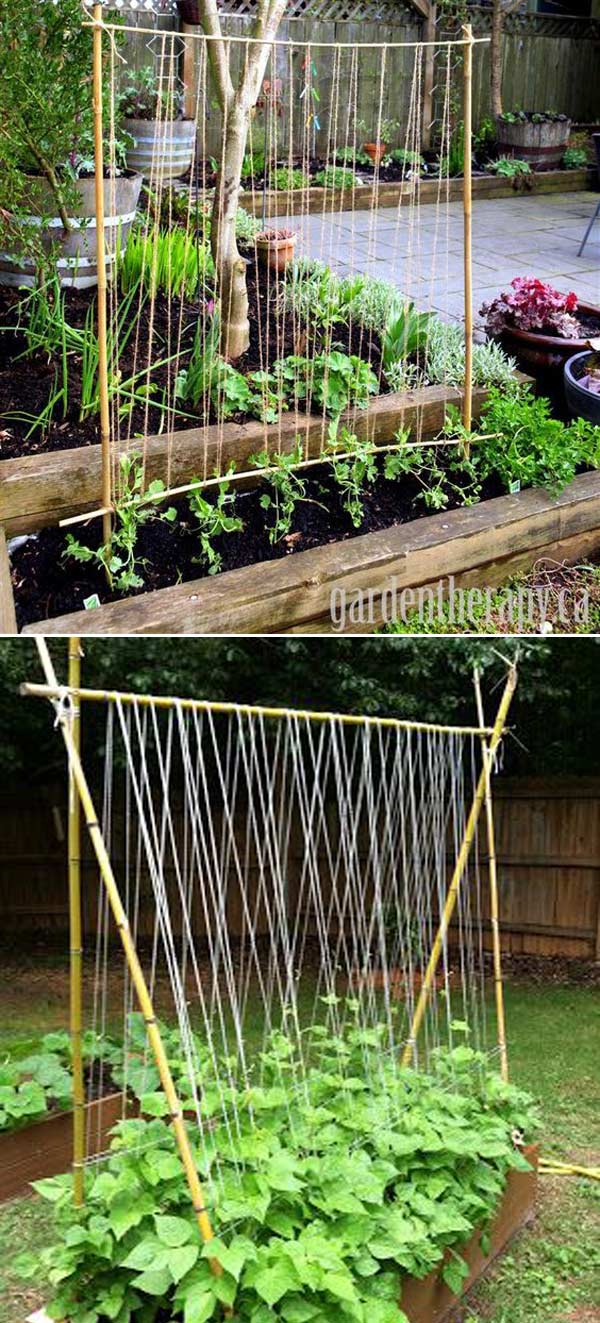
14. Vertical Wicker Trellis Row
Use vertical wicker fencing or lattice panels to create a natural and earthy-looking trellis wall. Install a row of these trellises behind garden beds or walkways for a cohesive look.
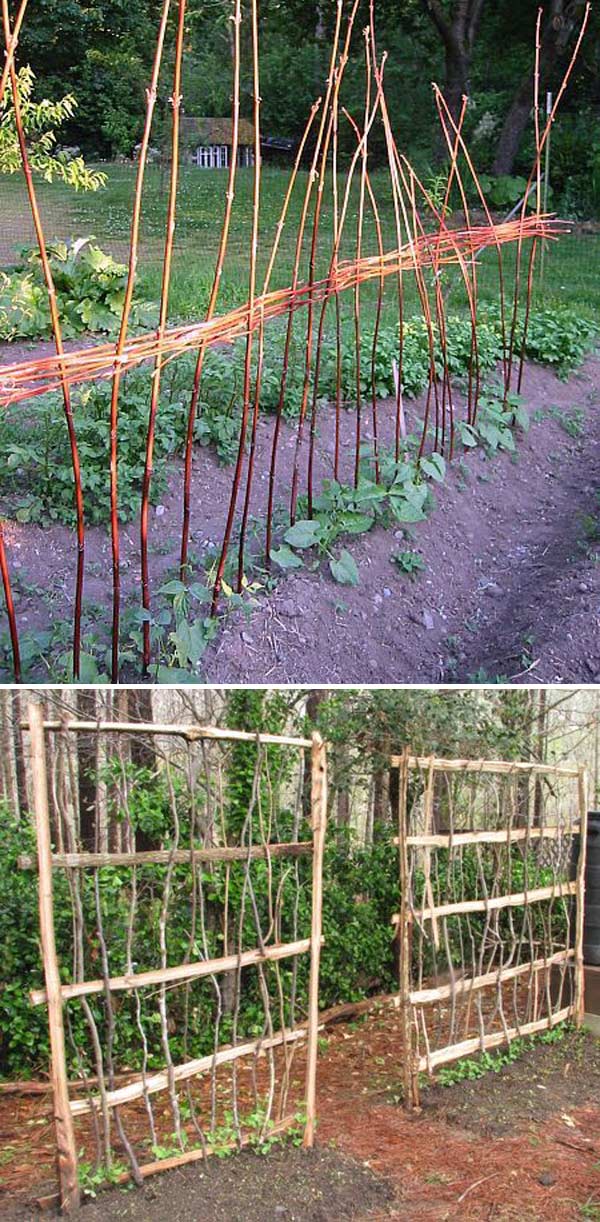
15. Pyramid-Shaped Trellis for Elegance and Height
Build a pyramid or obelisk-shaped trellis using wooden stakes. Not only is it functional, but it also adds vertical drama and symmetry to your garden.
Great for: Clematis, sweet peas, or climbing nasturtiums
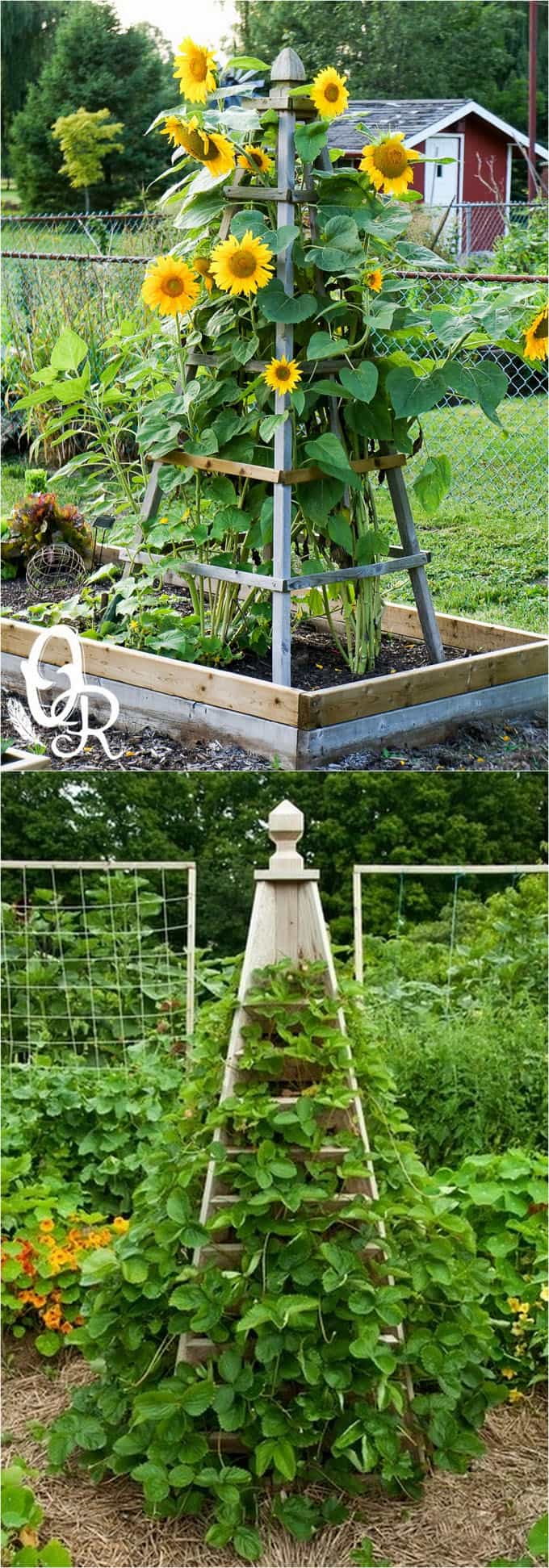
16. Lattice Fence Panel Trellis
Mount lattice panels to your patio or the corner of a deck. These panels provide structure for climbing roses, clematis, or even vines like honeysuckle.
Decorative bonus: Paint the lattice to match your outdoor décor.
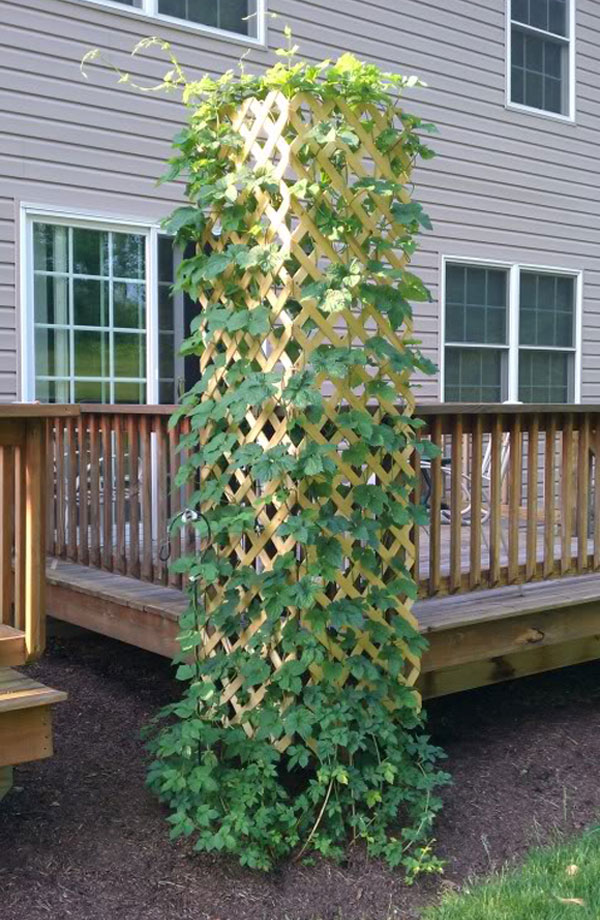
17. Garden Tunnel Filled with Edible Beauty
Transform two rows of stakes and netting into a garden tunnel filled with hanging fruits and vegetables like beans, melons, or tomatoes. It creates a functional archway that offers beauty, shade, and edible rewards.
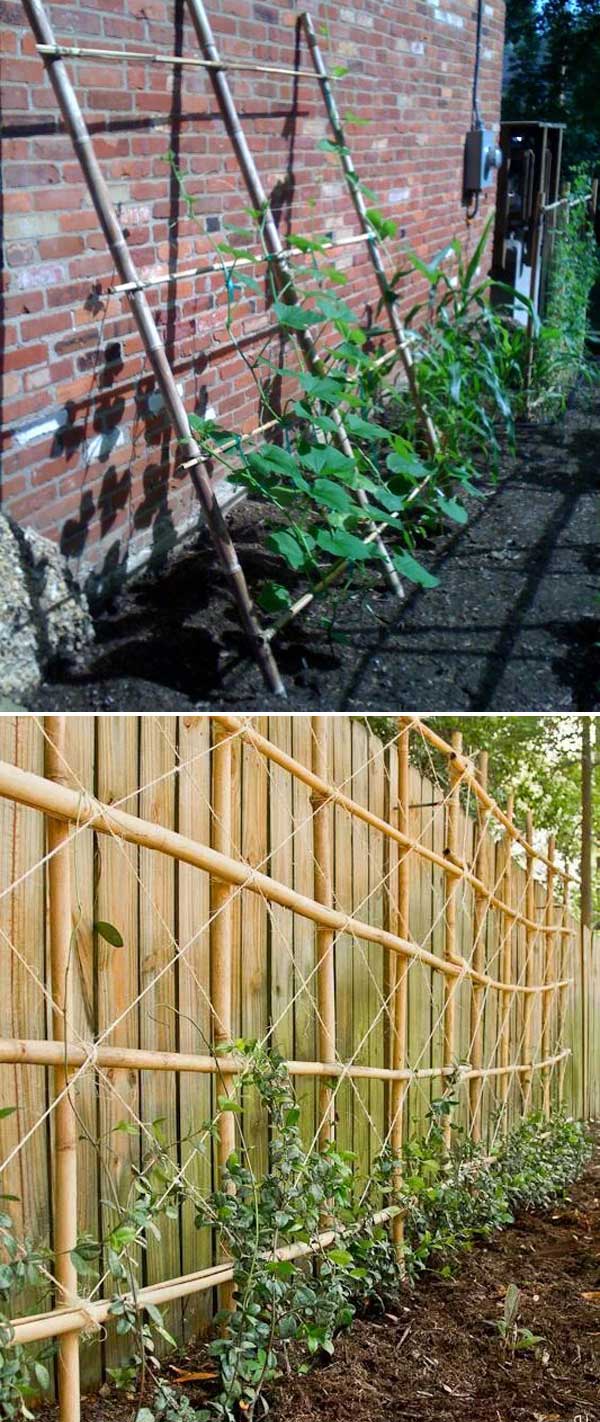
18. Bamboo Wall Trellis
Attach bamboo poles vertically or horizontally to a wall or fence for a simple, flat trellis. This design is perfect for narrow spaces and helps support compact climbing vegetables.
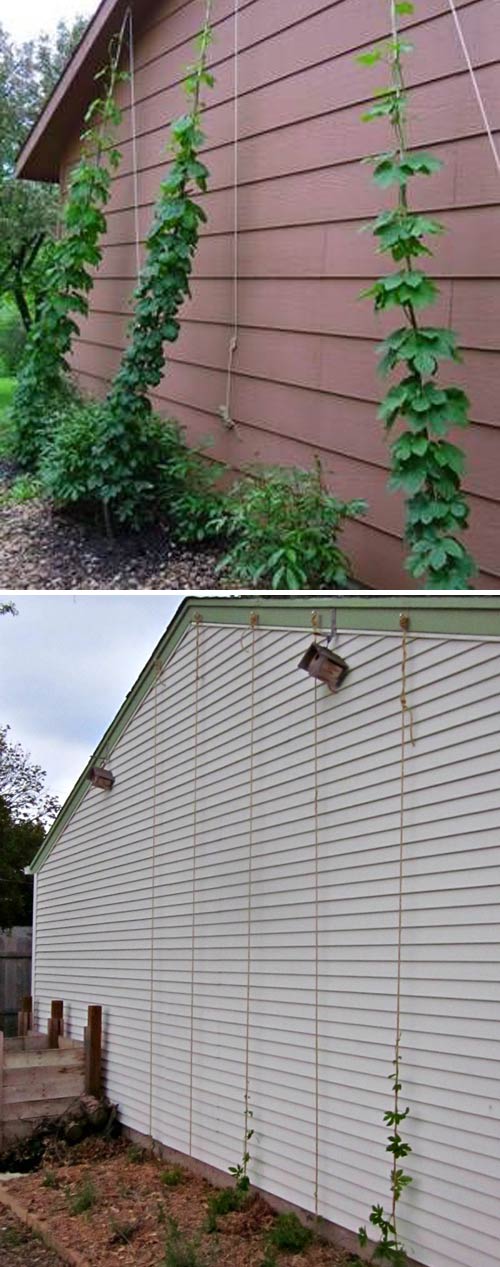
19. String or Rope Trellis for Hops or Vining Flowers
Grow hops, morning glories, or moonflowers against a wall by anchoring sturdy string or rope from the ground to the roof or a top support bar.
Pro tip: Use natural fiber rope that blends in with your garden design.
Garden trellises aren’t just practical—they’re an opportunity to express creativity and elevate your garden design.
Whether you’re working with a small patio or a large vegetable patch, vertical gardening with a DIY trellis can increase your growing space, reduce pests, improve air circulation, and add visual appeal.
With just a few materials—many of which you might already have—you can build a trellis that fits your garden and supports healthy, productive plants all season long.


