
Finding natural and effective solutions for plant care can be challenging, but there are many simple, eco-friendly methods to improve soil health, deter pests, and promote plant growth.
Below are some of the best organic gardening tips to help you maintain a thriving and sustainable garden.
How to Improve Soil Naturally
1. Bury Kitchen Waste for a Nutrient-Rich Garden
Instead of discarding vegetable scraps, banana peels, and eggshells, bury them directly in your garden soil. Over time, they decompose and enrich the soil with organic matter.
✔ Tip: To avoid bad smells and flies, cover kitchen waste with a layer of soil. In about a year, the area will become a raised and fertile planting bed.
2. Adjust Soil pH with Wood Ash and Coffee Grounds
Certain plants thrive in specific soil pH levels, and adjusting your garden’s pH naturally can improve plant health.
✔ Wood Ash: Sprinkle wood ash from your fireplace onto soil to raise pH levels (alkalize it)—perfect for asparagus and other alkaline-loving plants.
✔ Coffee Grounds: Add coffee grounds to acidify the soil—great for azaleas, roses, and rhododendrons.
3. Make Your Own Weed Tea Fertilizer
Weeds take nutrients from your garden plants, but you can repurpose them into a powerful fertilizer.
✔ How to Make Weed Tea Fertilizer:\n1. Cut up weeds (avoid seed heads).
2. Soak in water for a few days in an outdoor bucket.
3. Use the liquid as a foliar spray or soil drench.\n\nThis creates a nutrient-dense, nitrogen-rich natural fertilizer.
4. Use Urine as a High-Nitrogen Fertilizer
Urine is an inexpensive and effective source of nitrogen that supports leafy plant growth.
✔ How to Use It:
Dilute one part urine with ten parts water and apply it to the root zone of nitrogen-loving plants like lettuce, kale, and spinach.
Fun Fact: Human urine has an NPK ratio of approximately 11-1-2, making it a great organic alternative to synthetic fertilizers.
5. Use Crushed Eggshells and Oyster Shells for Calcium
Eggshells and oyster shells contain calcium carbonate, which improves soil structure and helps prevent blossom-end rot in tomatoes and peppers.
✔ How to Use:
Crush shells into small pieces using a rolling pin and mix them into the soil.
How to Fight Plant Diseases Naturally
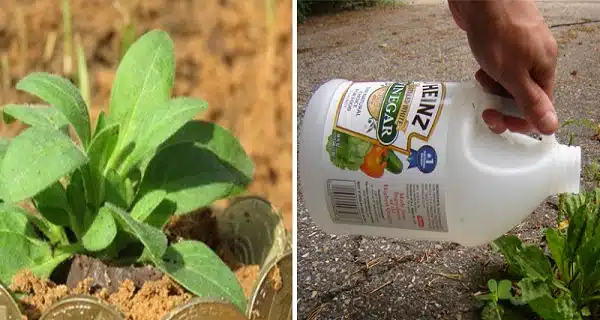
6. Bury Copper Pennies to Prevent Fungal Diseases
Did you know that copper has natural antifungal properties?
✔ Tip: Bury a few copper pennies near susceptible plants to help prevent fungal growth in the soil.
7. Use Baking Soda to Fight Powdery Mildew
Baking soda is an effective natural fungicide that helps control white spots on houseplants and vegetables.
✔ DIY Baking Soda Spray:
Mix 1 tablespoon of baking soda in 1 gallon of water, pour into a spray bottle, and mist affected leaves.
Natural Pest Control Methods
8. Use Vinegar as a Natural Weed Killer
Vinegar is a potent organic herbicide that kills weeds without harming beneficial insects.
✔ How to Use:
Pour white vinegar into a spray bottle and drench weeds on a hot, sunny day. The acidity scorches weeds in a matter of days.
9. Control Aphids with Soap and Water
A simple dish soap and water mixture can help remove aphids without harming plants.
✔ How to Make It:
Mix 2 tablespoons of dish soap per gallon of water and spray plant leaves.
10. Control Ants with Borax and Honey
Ants protect aphids, making them a problem for plant health. Borax dehydrates ants and keeps them away.
✔ DIY Ant Killer:
Mix equal parts borax and honey, apply near ant trails.
11. Neem Oil for Natural Pest Prevention
Neem oil is a powerful organic pesticide that prevents insect infestations.
✔ How to Use Neem Oil Spray:
- Mix 1 teaspoon of neem oil with ½ teaspoon dish soap and 1 quart of water.
- Spray onto plant leaves and soil every 7-10 days.
12. Plant Flowers That Attract Beneficial Insects
Some plants act as natural insect repellents by attracting beneficial insects like ladybugs and lacewings.
✔ Best Companion Plants for Pest Control:
- Yarrow – Attracts predatory wasps.
- Mint – Repels aphids and beetles.
- Clover – Attracts beneficial pollinators.
How to Improve Plant Growth Naturally
13. Drive a Nail into a Tree for More Fruit
A traditional Indian and South American technique for stimulating coconut and apple tree production is driving a nail into the trunk.
✔ Why It Works:
The iron from the nail boosts nutrient absorption, encouraging better fruit production.
14. Coconut Water for Root Growth
Coconut water contains natural plant hormones that promote strong root development.
✔ Tip:
Use coconut water as a natural rooting hormone for cuttings.
15. Improve Fruit Set with Epsom Salt
Epsom salt is rich in magnesium, which improves fruit production in peppers and tomatoes.
✔ How to Use:
Mix 2 tablespoons of Epsom salt in 1 quart of water and spray on plants.
16. Extend Growing Season with Water Tubs
Black water tubs absorb heat and help regulate temperature, protecting plants from early frosts.
✔ Tip: Place black tubs filled with water near plants to keep them warm overnight.
17. Rusty Nails for Iron-Deficient Plants
If your plants have yellowing leaves, they might lack iron.
✔ Tip: Drop a few rusty nails into your watering can and use it to water your plants.
18. Play Music for Healthier Plants
Music has been shown to stimulate plant growth! Research suggests that classical and jazz music can help plants grow better than rock or country music.
✔ Tip: Experiment by playing different types of music near plants and observe growth patterns.
Final Thoughts: Use These Organic Tricks for a Thriving Garden
These natural gardening techniques will help you boost soil health, fight off pests, and improve plant growth—all without harmful chemicals.
✔ Bury kitchen waste for compost.
✔ Use natural fungicides like cinnamon and baking soda.
✔ Repel pests with coffee grounds, neem oil, and companion plants.
✔ Enhance fruit production with Epsom salt and coconut water.
✔ Protect plants naturally with vinegar, soap sprays, and rusted nails.
🌿 Which of these gardening hacks will you try first? Let us know in the comments!


