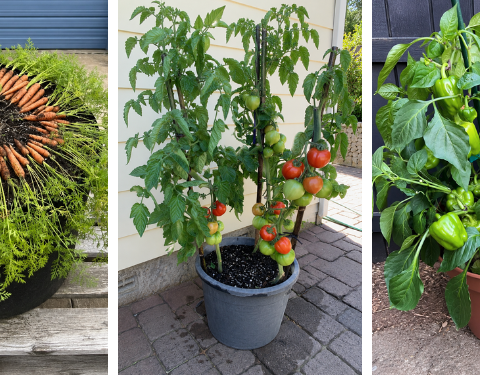
If your garden doesn’t get full sun all day, don’t worry—you can still grow a wide range of delicious and healthy vegetables.
Many gardeners believe that full sun (at least six to eight hours per day) is essential for growing vegetables, and while it’s true for sun-loving crops like tomatoes and peppers, many other vegetables actually thrive in partial shade.
Partial shade refers to areas that receive between 3 to 6 hours of direct sunlight per day or areas that are dappled with sunlight for most of the day.
Shady spots are often found near fences, under tall trees, or beside buildings. These areas tend to stay cooler and hold moisture longer, making them perfect for certain vegetables—especially leafy greens and root crops.
Whether you have a small urban backyard, a shaded balcony, or a garden tucked beneath mature trees, here are 16 vegetables that can grow well in partial shade, allowing you to make the most of every inch of your garden.
1. Lettuce
Lettuce is one of the easiest vegetables to grow in partial shade. In fact, it prefers cooler temperatures and tends to bolt (go to seed) quickly in full sun. With just three to four hours of sunlight a day, lettuce can thrive in containers or raised beds.
Choose loose-leaf varieties like oakleaf, butterhead, or romaine, and plant in rich, well-drained soil. Keep the soil consistently moist for tender leaves.
2. Spinach
Spinach is another cool-season crop that performs well in shaded environments. It grows quickly and is packed with iron, calcium, and vitamins A and C. Spinach prefers cooler temperatures and partial shade helps delay bolting during warmer months.
Plant spinach in early spring or late summer, and harvest young leaves for salads or wait for mature leaves for sautéing and cooking.
3. Kale
Kale is a hardy green that actually becomes sweeter when exposed to cooler temperatures. It tolerates partial shade well and is slow to bolt, making it perfect for spring and fall gardening.
Curly kale, dinosaur kale (lacinato), and red Russian kale all grow well with about four hours of sunlight per day. Keep the soil moist and harvest outer leaves regularly for continuous production.
4. Arugula
Arugula grows quickly in cooler weather and prefers light shade, especially in warmer regions. Its peppery, nutty flavor intensifies as the plant matures.
This leafy green can be sown in succession every few weeks to keep a steady supply coming throughout the season.
Plant in well-drained soil and harvest the leaves when they are still tender for the best flavor.
5. Swiss Chard
Swiss chard is one of the most shade-tolerant leafy vegetables. With its vibrant stems and large green leaves, it adds both color and nutrition to the garden. It can grow in partial shade and still produce plenty of edible foliage.
Swiss chard is a cut-and-come-again crop, so you can harvest outer leaves regularly while the plant continues to grow throughout the season.
6. Cabbage
Cabbage grows well in partial shade, especially during the warmer months when it benefits from cooler afternoon temperatures. It requires consistent moisture and fertile soil for proper head development.
Plant early or late in the season to avoid extreme heat. Partial shade can help reduce the risk of pests and stress-related bolting.
7. Broccoli
Broccoli is a cool-weather crop that appreciates some shade during the heat of the day. In partial sun, it may grow a bit slower, but it will still develop firm, flavorful heads.
Use rich soil, mulch well, and water consistently. Harvest when the central head is firm before the flowers begin to open.
8. Cauliflower
Like broccoli, cauliflower prefers cooler temperatures and can benefit from partial shade. It’s slightly more sensitive to temperature swings, so shading can help reduce stress and improve head development.
Maintain even soil moisture and consider blanching the heads (covering them with their own leaves) to keep them tender and white.
9. Beets
Beets are grown primarily for their roots, but their greens are also edible and delicious. They tolerate partial shade quite well and are an ideal crop for spring or fall gardening.
Beets require loose, well-draining soil. Thinning the seedlings helps the roots to grow larger and more evenly shaped.
10. Carrots
Carrots are another root vegetable that can handle less sunlight. While they do best with full sun, they still grow well with 4–6 hours of light per day, especially if planted in light, sandy soil that’s free from stones.
Partial shade can help prevent carrots from drying out or becoming bitter in hotter climates.
11. Radishes
Radishes are one of the fastest-growing vegetables and do quite well in partial shade. They are a great choice for small or beginner gardens and can be harvested just three to four weeks after planting.
Plant in succession every two weeks for a continuous supply of crunchy, peppery roots.
12. Turnips
Turnips are versatile root vegetables that also provide edible greens. They grow well in both sun and partial shade and are typically planted in early spring or late summer.
Turnip roots are more tender and flavorful when grown in cooler, less intense sunlight, while the greens benefit from mild temperatures and consistent moisture.
13. Green Onions (Scallions)
Green onions require less space and less sunlight than many other vegetables. They thrive in containers, small spaces, and garden edges that receive dappled light or only a few hours of sun per day.
You can harvest green onions as soon as they reach a desirable height, and they’ll continue to regrow if left in the ground.
14. Leeks
Leeks are part of the onion family but are even more tolerant of shade. They grow slowly and prefer cool conditions, making them perfect for spring and fall planting in areas with filtered sunlight.
Plant leeks in deep, rich soil and mound soil around the stalks to encourage white, tender growth.
15. Peas
While peas are often thought of as sun-loving plants, they actually perform well in partial shade, especially in warmer climates. Cool, shaded areas help prevent heat stress and extend the growing season.
Choose compact or bush varieties for containers or trellises in shaded spots, and harvest regularly to encourage more pods.
16. Mustard Greens
Mustard greens thrive in cooler temperatures and light shade. They grow quickly and are often ready to harvest within three to four weeks of sowing.
Partial shade helps prevent the greens from turning bitter and slows down the bolting process, allowing for longer harvests.
Growing vegetables in partial shade is not only possible—it can be highly productive with the right crops.
Shade gardening allows you to make use of every corner of your yard, reduce water stress, and extend your growing season by providing cooler conditions for certain vegetables.
Leafy greens, root crops, and cool-season vegetables tend to perform best in lower light. With a little planning and the right plant selection, you can enjoy a thriving garden full of flavor and nutrition—even in the shade.
Whether you’re working with a shaded backyard, an apartment balcony, or a north-facing plot, these 16 vegetables will help you grow your own food no matter how much sun you get.