Bringing plants into your home is a great way to boost mood, purify the air, and elevate your décor. But if you share your home with pets, some of these beautiful houseplants could pose a serious health risk.
Many common indoor plants contain natural toxins that can be harmful—or even fatal—to cats and dogs if ingested.
While some plants cause mild irritation, others can lead to severe gastrointestinal distress, neurological issues, or organ failure.
Before you bring a new green friend into your home, check out this guide to 15 household plants that are toxic to pets—and what you can grow safely instead.
Why Some Houseplants Are Toxic to Pets
Plants have natural defense mechanisms to protect themselves from predators, including animals.
These can include:
- Oxalates (which irritate the mouth and digestive tract)
- Saponins (which can cause vomiting and diarrhea)
- Essential oils (which may be toxic to cats or dogs)
- Alkaloids (which affect the nervous system or internal organs)
When pets chew on, lick, or ingest parts of a toxic plant, the effects can range from mild symptoms to medical emergencies. That’s why pet-safe gardening is so important indoors.
15 Common Houseplants That Are Toxic to Pets
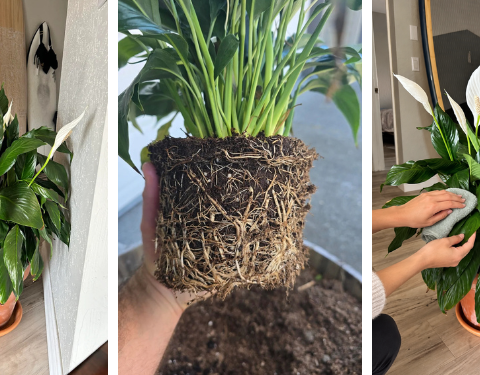
1. Peace Lily (Spathiphyllum)
- Toxic to: Cats and dogs
- Symptoms: Drooling, oral irritation, vomiting, difficulty swallowing
- Note: Peace lilies are not true lilies but still dangerous.
2. Pothos (Epipremnum aureum)
- Toxic to: Cats and dogs
- Symptoms: Burning of mouth/lips, vomiting, drooling, difficulty swallowing
- Common names: Devil’s Ivy, Golden Pothos
3. Philodendron
- Toxic to: Cats and dogs
- Symptoms: Oral irritation, swelling of the mouth, excessive drooling, nausea
- Warning: All philodendron species contain calcium oxalates.
4. Dieffenbachia (Dumb Cane)
- Toxic to: Cats and dogs
- Symptoms: Intense burning and irritation of the mouth, drooling, vomiting
- Risk level: Moderate to severe
5. Aloe Vera
- Toxic to: Cats and dogs
- Symptoms: Vomiting, diarrhea, lethargy, tremors (due to saponins)
- Note: Aloe gel is generally safe for humans but toxic to pets.
6. Snake Plant (Sansevieria trifasciata)
- Toxic to: Cats and dogs
- Symptoms: Nausea, vomiting, diarrhea
- Also called: Mother-in-law’s tongue
7. ZZ Plant (Zamioculcas zamiifolia)
- Toxic to: Cats and dogs
- Symptoms: Vomiting, diarrhea, irritation of mouth and throat
- Caution: Entire plant is toxic if chewed or eaten.
8. Sago Palm (Cycas revoluta)
- Toxic to: Cats and dogs
- Symptoms: Vomiting, liver failure, seizures, death
- Danger level: Extremely toxic; even small amounts can be fatal
9. Caladium (Elephant Ear)
- Toxic to: Cats and dogs
- Symptoms: Oral irritation, drooling, pain, swelling of mouth and tongue
- Advice: Keep away from curious pets.
10. Oleander
- Toxic to: Cats and dogs
- Symptoms: Vomiting, slowed heart rate, lethargy, potentially fatal
- Note: Rare indoors, but sometimes grown in containers
11. Jade Plant (Crassula ovata)
- Toxic to: Cats and dogs
- Symptoms: Vomiting, depression, incoordination
- Common in: Offices and succulent collections
12. English Ivy (Hedera helix)
- Toxic to: Cats and dogs
- Symptoms: Vomiting, abdominal pain, drooling, diarrhea
- Also called: Common Ivy
13. Fiddle Leaf Fig (Ficus lyrata)
- Toxic to: Cats and dogs
- Symptoms: Oral irritation, vomiting, drooling
- Also includes: Other ficus species
14. Rubber Plant (Ficus elastica)
- Toxic to: Cats and dogs
- Symptoms: Mild gastrointestinal issues, skin irritation
- Not as dangerous as others but still not pet-safe
15. Bird of Paradise (Strelitzia reginae)
- Toxic to: Cats and dogs
- Symptoms: Nausea, vomiting, drowsiness
- Note: Mild to moderate toxicity—still best avoided
What To Do If Your Pet Eats a Toxic Plant
If you suspect your cat or dog has ingested a poisonous plant, take these steps immediately:
- Remove any plant material from their mouth
- Check for symptoms: vomiting, drooling, tremors, weakness, difficulty breathing
- Call your vet or the ASPCA Animal Poison Control Center (888-426-4435)
- Bring the plant or a photo of it to the vet for easier identification
Tip: Early action can be life-saving. Never wait for symptoms to worsen.
Safe Houseplants for Homes with Pets
Don’t worry—you can still enjoy a green home without risking your furry friends.
Here are pet-safe alternatives:
- Spider Plant (Chlorophytum comosum)
- Areca Palm
- Boston Fern
- Prayer Plant
- Calathea
- Bamboo Palm
- African Violet
- Peperomia
- Ponytail Palm
These plants are non-toxic to pets and still offer beauty, air purification, and easy maintenance.
Pet-Proofing Your Houseplant Collection
Here’s how to protect your pets (and your plants!):
- Place toxic plants out of reach on high shelves or in hanging baskets.
- Use natural deterrents like citrus peels or pet-safe sprays to keep curious pets away.
- Train your pets with positive reinforcement to avoid chewing on plants.
- Replace toxic plants with safe alternatives if your pet is prone to nibbling.
- Label your plants to keep track of which are safe and which aren’t.
Your love for plants and pets doesn’t have to clash. By choosing the right houseplants and knowing which ones to avoid, you can create a space that’s lush, vibrant, and totally safe for your furry companions.
Remember: Just because a plant is popular doesn’t mean it’s pet-safe. Always check toxicity before bringing new greenery into your home.
Keep this list handy and share it with fellow plant lovers and pet parents to help everyone create a safe, happy home—filled with life and love.