As summer temperatures climb and rainfall becomes unpredictable, maintaining a lush, colorful garden can feel like an uphill battle.
Relying on a constant stream of municipal water or spending hours pulling heavy hoses across a parched lawn isn’t just exhausting – it’s also increasingly unsustainable.
Fortunately, creating a resilient landscape doesn’t mean you have to settle for a barren rock garden or colorles gravel paths.
Nature has designed an incredible array of tough, beautiful flora built to survive – and thrive – under the blazing sun.
By selecting plants that naturally store water, possess deep taproots, or feature specialized foliage to prevent moisture loss, you can enjoy a vibrant backyard oasis that bursts with color from June until the first autumn frost, all while using a fraction of the water.
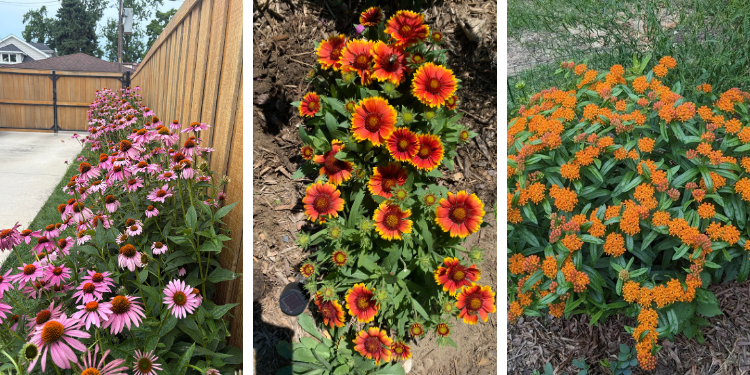
1. Purple Coneflower (Echinacea purpurea)
A absolute staple of the water-wise prairie garden, Purple Coneflower is as tough as it is beautiful. Once established, its deep, thick taproot system anchors it firmly into the earth, drawing moisture from deep below the surface where other plants dry out.
-
The Look: Prominent, spiky, copper-colored central cones surrounded by a elegant fringe of pinkish-purple petals.
-
Bloom Period: Early summer straight through to the first hard frost.
-
The Secret: Leave the dried flower heads standing in late autumn; they provide an essential food source for goldfinches and add striking structural interest to winter landscapes.
2. Blanket Flower (Gaillardia)
True to its name, Blanket Flower creates a thick, low-maintenance tapestry of blazing desert colors across dry, sunny borders.
Native to the American West, this short-lived perennial handles extreme heat, poor sandy soils, and severe drought without dropping a single bloom.
-
The Look: Dynamic, multi-colored daisy-like blossoms featuring concentric rings of rich crimson, fiery orange, and bright golden-yellow tips.
-
Bloom Period: A non-stop blooming machine from late spring until late autumn.
-
The Secret: Keep them in your poorest, fastest-draining soil. Over-watering or planting them in rich, heavy clay will rot the root system and drastically shorten their lifespan.
3. Russian Sage (Salvia yangii)
For a cool, airy aesthetic that softens the harsh look of sun-baked stone walls or dusty garden borders, Russian Sage is unmatched.
Its silver-green stems are covered in tiny, oil-rich leaves that reflect intense sunlight to minimize water evaporation.
-
The Look: Long, delicate, hazy wands of tiny lavender-blue flowers growing atop a woody, cloud-like shrub of silvery foliage.
-
Bloom Period: Mid-summer well into autumn.
-
The Secret: Cut the entire plant down to about 6 inches above the ground in early spring. This aggressive annual trim triggers an explosion of fresh, silver stems and a significantly denser bloom cycle.
4. Black-Eyed Susan (Rudbeckia fulgida)
This cheerful wildflower is a familiar sight along dry roadsides for a reason: it possesses a remarkable natural defense system against intense heat.
Its coarse, rough, hairy leaves work to trap moisture right against the plant tissue, reducing transpiration from warm summer winds.
-
The Look: Brilliant, golden-yellow daisy-like petals framing a deep, midnight-brown or black central button.
-
Bloom Period: Early summer until the arrival of winter.
-
The Secret: While highly drought-tolerant, giving them a single deep soak right as their first flower buds form will reward you with noticeably larger blossoms that last weeks longer.
5. Yarrow (Achillea millefolium)
Yarrow is a historic, deeply respected botanical powerhouse built for low-water environments. Its feathery, fern-like green foliage is highly efficient at water management, allowing it to easily adapt to poor, rocky soils where more delicate annuals would quickly wither away.
-
The Look: Large, flattened, umbrella-like flower clusters available in vivid shades of golden yellow, terracotta, deep red, soft pink, and crisp white.
-
Bloom Period: All summer long.
-
The Secret: When the first heavy flush of flowers begins to fade in mid-summer, shear the entire plant back by half. This quick step stimulates an immediate, fresh flush of bright green foliage and a second wave of late-summer blooms.
6. Lantana (Lantana camara)
In northern climates, Lantana behaves as a vigorous, non-stop annual; in warm southern zones, it grows into a rugged, woody perennial shrub.
It actively thrives in intense, direct sunlight and becomes increasingly drought-resistant once its roots settle.
-
The Look: Tight, rounded, ball-like clusters of tiny neon flowers that frequently shift colors as they mature, displaying shades of pink, yellow, orange, and red all on a single flower head.
-
Bloom Period: Non-stop from spring planting until the first cold snap.
-
The Secret: Highly attractive to butterflies and hummingbirds, but entirely ignored by deer and rabbits due to the pungent, citrusy aroma released whenever the leaves are brushed or bruised.
7. Sedum / Stonecrop (Sedum spectabile)
Sedum is the ultimate champion of low-water landscaping. As a true succulent, it features thick, fleshy, rubbery green leaves that act as built-in water storage tanks, keeping the plant perfectly hydrated through weeks of scorching, rainless weather.
-
The Look: Domed clusters of tightly packed, star-shaped flowers that emerge as a soft broccoli-green, slowly shift to dusty pink, and mature into deep coppery-rust by autumn.
-
Bloom Period: Mid-summer through late autumn, with dried heads lasting all winter.
-
The Secret: Do not fertilize stonecrop. Rich nutrients make the stems grow too quickly, causing the heavy flower heads to split apart and flop over in late summer.
8. Butterfly Weed (Asclepias tuberosa)
As a specialized member of the milkweed family, Butterfly Weed develops a massive, deep vertical taproot that acts as a lifeline during extreme dry spells.
This native perennial is an absolute must-have for anyone looking to support local ecology without running up the water bill.
-
The Look: Flat-topped clusters of unforgettable, glowing neon-orange blossoms that stand out brilliantly against dark green, lance-shaped leaves.
-
Bloom Period: Early summer to late August.
-
The Secret: Because of its long taproot, it hates being moved once planted. Pick its permanent home carefully, and avoid disturbing the root zone once it is established.
9. Threadleaf Coreopsis (Coreopsis verticillata)
While many coreopsis varieties handle heat well, the Threadleaf type is exceptionally drought-hardy. Its ultra-fine, needle-like foliage offers minimal surface area for the sun to dry out, making it highly efficient at lock in existing moisture.
-
The Look: A dense, mounding bush completely blanketed in hundreds of small, starry, bright yellow blossoms.
-
Bloom Period: Continuous from June until October.
-
The Secret: If the bloom cycle slows down slightly in August, shear the top couple of inches off the entire mound with hedge shears to trigger an immediate, fresh explosion of color.
10. Lavender (Lavandula angustifolia)
Hailing from the rugged, rocky Mediterranean coastline, lavender is hardwired to thrive on minimal moisture and intense solar heat.
Its iconic silver-gray leaves are coated in fragrant, essential oils that protect the plant tissues from drying out in arid winds.
-
The Look: Elegant, upright spikes of deeply aromatic purple, violet, or soft blue flowers dancing above tidy mounds of silver foliage.
-
Bloom Period: Early to late summer.
-
The Secret: Perfect drainage is mandatory. Plant lavender in sandy or gravelly soil, preferably on a slight slope or in raised beds, to ensure the roots never sit in stagnant, soggy water.
11. Salvia / May Night (Salvia x sylvestris)
Perennial salvias are incredibly resilient garden champions. Equipped with a tough, fibrous root system, they stand up effortlessly to high summer heat, poor soils, and long dry spells without dropping their leaves or losing their rich color.
-
The Look: Stiff, deep indigo-purple flower spikes that rise dramatically above a dense mound of rough, aromatic gray-green foliage.
-
Bloom Period: Late spring through end of summer if managed correctly.
-
The Secret: To keep them blooming all summer, cut the individual flower spikes down to the base leaf node the moment they finish flowering. This stops seed production and forces the plant to continuously send up fresh color waves.
12. Moss Rose (Portulaca grandiflora)
If you have a hot, dry walkway edge, a baking stone retaining wall, or a hanging basket that dries out daily, Moss Rose is your answer.
This low-growing succulent annual treats intense heat like a day at the beach, opening its bright blooms only when the sun shines brightest.
-
The Look: Low, creeping mats of cylindrical, needle-like succulent leaves topped with delicate, rose-like flowers in brilliant shades of yellow, hot pink, orange, scarlet, and white.
-
Bloom Period: Early summer until the autumn frosts arrive.
-
The Secret: Do not worry if the flowers close up tightly at night or on heavily overcast days; this is a natural water-conservation strategy designed to protect the blossom’s pollen.
13. Verbena (Verbena canadensis)
Trailing verbenas are phenomenal options for spilling over container edges or serving as a colorful groundcover in dry sunny beds.
They establish quickly, creating a dense living mulch that keeps the soil cool and prevents what little moisture is present from evaporating.
-
The Look: Rounded, flattened clusters of rich, five-petaled blossoms in royal purple, deep red, bright pink, or clean bicolors.
-
Bloom Period: Continuous from late spring through late autumn.
-
The Secret: They are highly tolerant of urban pollution and salt spray, making them exceptional choices for planting along dry street curbs or coastal garden borders.
14. Globe Thistle (Echinops ritro)
For an architectural, modern look that commands attention in a low-water garden, Globe Thistle is a standout choice.
Its deep, persistent taproot allows it to shrug off prolonged droughts, while its spiky texture keeps foraging backyard wildlife at bay.
-
The Look: Perfectly spherical, metallic-blue flower globes balance gracefully on stiff, silvery-white stems above deeply lobed, thistle-like leaves.
-
Bloom Period: Mid to late summer.
-
The Secret: The striking blue spheres make spectacular, long-lasting additions to fresh cut flower arrangements, and they dry beautifully for permanent indoor displays.
15. Winecups (Callirhoe involucrata)
A spectacular native low-growing perennial, Winecups form a sprawling mat of deeply carved foliage that excels at filling empty spaces in dry sunny borders or rocky outcroppings.
-
The Look: Upward-facing, chalice-shaped blossoms of an incredibly intense, glowing magenta-pink, each accented with a bright white center.
-
Bloom Period: Early summer through the end of August.
-
The Secret: Because of its sprawling, vine-like habit, it looks spectacular when allowed to cascade gracefully down a sunny stone retaining wall or over the edge of a raised garden bed.
3 Essential Rules for Low-Water Success
Even the most drought-hardy plants require a little foundational care to reach their full, independent potential. Follow these three rules to set your water-wise landscape up for long-term success:
By shifting your garden strategy toward these self-sufficient, sun-loving varieties, you can enjoy a gorgeous, low-maintenance paradise that turns heads all summer long – leaving you with a lower water bill and more time to relax and enjoy the view.