With water becoming an increasingly precious resource, especially in arid and drought-prone regions, choosing drought-friendly plants for your garden is both environmentally responsible and practical.
These plants thrive in low-water conditions, reducing the need for frequent watering and making your garden more sustainable.
Here are 15 drought-friendly plants that can flourish even with minimal water.
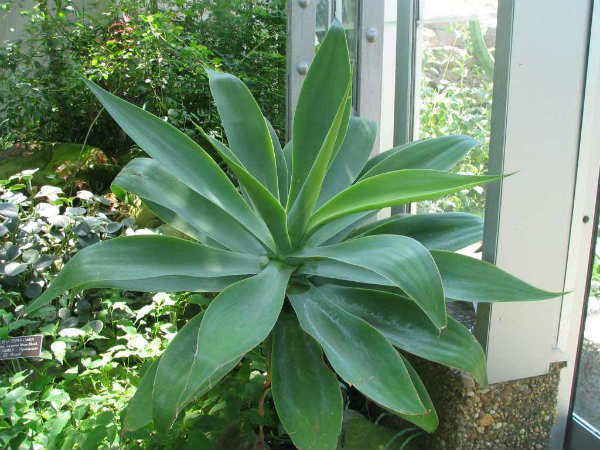
1. Agaves
Why It’s Great
Agave plants are succulents known for their striking rosettes of thick, fleshy leaves. They are highly drought-tolerant and require minimal care.
Benefits:
- Sculptural: Adds architectural interest to the garden.
- Hardy: Survives in poor soil and dry conditions.
- Low Maintenance: Requires little care once established.
Growing Tips:
- Light: Needs full sun.
- Soil: Prefers well-drained, sandy soil.
- Water: Water infrequently.
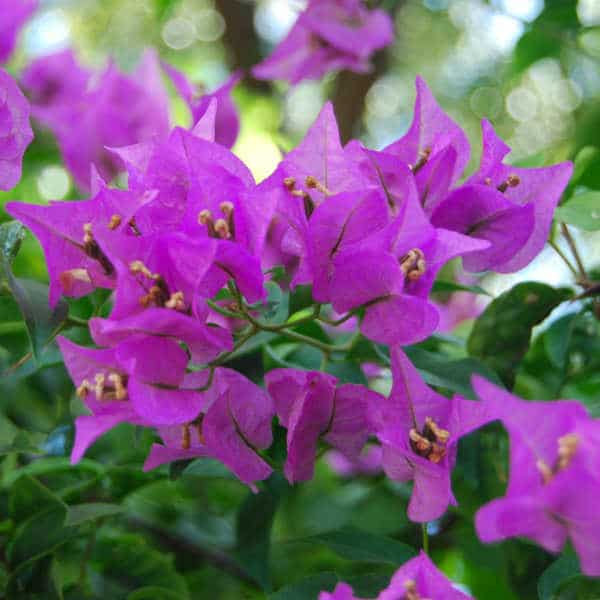
2. Bougainvillea
Why It’s Great
Bougainvillea is a vibrant, drought-tolerant vine with papery bracts that come in various colors. It’s ideal for adding vertical interest to dry gardens.
Benefits:
- Vibrant Colors: Adds a splash of color with its bright bracts.
- Hardy: Tolerates heat and drought well.
- Versatile: Can be grown as a vine, shrub, or ground cover.
Growing Tips:
- Light: Needs full sun.
- Soil: Thrives in well-drained soil.
- Water: Water infrequently.
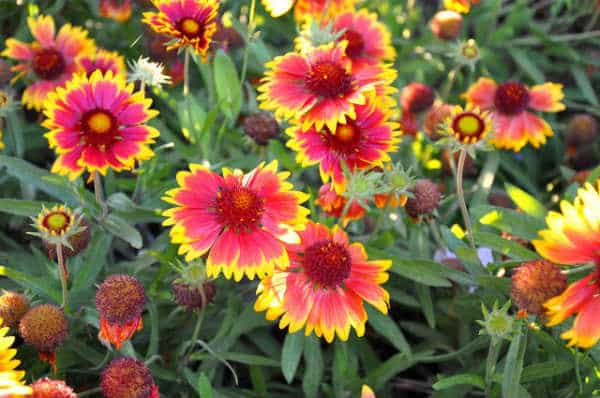
3. Blanket flower “Gaillardia”
Why It’s Great
Gaillardia, or blanket flower, is a drought-tolerant perennial with brightly colored, daisy-like flowers.
Benefits:
- Long Blooming: Blooms from summer to fall.
- Attracts Pollinators: Attracts bees and butterflies.
- Low Maintenance: Tolerates poor soil and drought.
Growing Tips:
- Light: Needs full sun.
- Soil: Prefers well-drained soil.
- Water: Water sparingly once established.
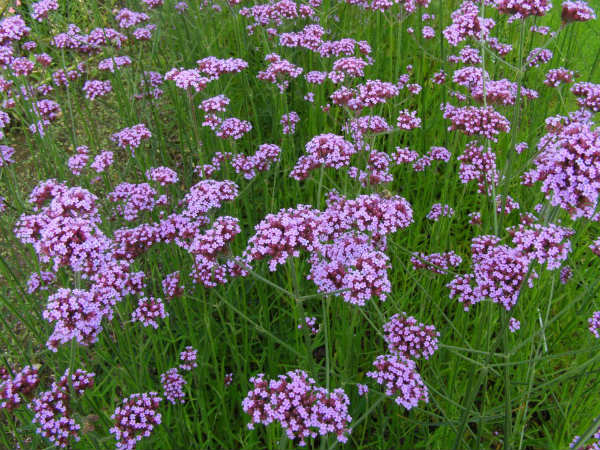
4. Verbena
Why It’s Great
Verbena is a drought-tolerant annual or perennial with clusters of small, colorful flowers.
Benefits:
- Vibrant Blooms: Flowers in various colors.
- Long Blooming: Blooms from spring to fall.
- Attracts Pollinators: Attracts bees, butterflies, and hummingbirds.
Growing Tips:
- Light: Needs full sun.
- Soil: Thrives in well-drained soil.
- Water: Water infrequently.
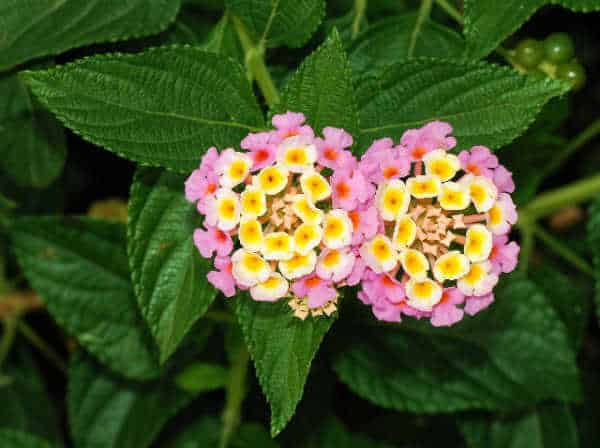
5. Lantana
Why It’s Great
Lantana is a vibrant, drought-tolerant plant with clusters of small, colorful flowers. It’s perfect for adding a splash of color to dry areas.
Benefits:
- Colorful Blooms: Flowers in a range of vibrant colors.
- Attracts Pollinators: Attracts butterflies and hummingbirds.
- Low Maintenance: Tolerates heat and drought well.
Growing Tips:
- Light: Needs full sun.
- Soil: Thrives in well-drained soil.
- Water: Water infrequently.
6. Sedum
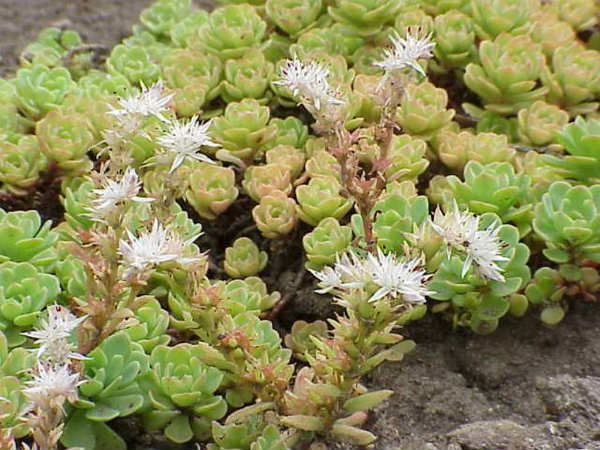
Why It’s Great
Sedums, or stonecrops, are succulents with fleshy leaves and star-shaped flowers. They are extremely drought-tolerant and come in a variety of shapes and colors.
Benefits:
- Versatile: Suitable for ground cover, rock gardens, and containers.
- Hardy: Survives in poor soil conditions.
- Attractive: Provides year-round interest with its unique foliage.
Growing Tips:
- Light: Prefers full sun.
- Soil: Thrives in well-drained, sandy soil.
- Water: Water infrequently.
7. Lavender (Lavandula)
Why It’s Great
Lavender is a hardy perennial known for its fragrant purple flowers and silvery-green foliage. It thrives in hot, dry conditions.
Benefits:
- Aromatic: Pleasant scent that can be used in aromatherapy.
- Attractive: Beautiful flowers that add color to the garden.
- Low Maintenance: Requires minimal care once established.
Growing Tips:
- Light: Needs full sun.
- Soil: Prefers well-drained, sandy soil.
- Water: Water sparingly; drought-tolerant once established.
8. Rosemary (Rosmarinus officinalis)
Why It’s Great
Rosemary is a fragrant herb that also serves as an attractive, drought-resistant shrub. Its needle-like leaves and blue flowers make it a garden favorite.
Benefits:
- Culinary Uses: Great for cooking.
- Aromatic: Pleasant scent that deters pests.
- Low Maintenance: Requires little care once established.
Growing Tips:
- Light: Needs full sun.
- Soil: Prefers well-drained soil.
- Water: Water sparingly.
9. Russian Sage (Perovskia atriplicifolia)
Why It’s Great
Russian sage is a tough, drought-tolerant perennial with tall, airy spikes of lavender-blue flowers and silvery foliage.
Benefits:
- Long Blooming: Blooms from midsummer to fall.
- Attracts Pollinators: Attracts bees and butterflies.
- Low Maintenance: Requires minimal watering once established.
Growing Tips:
- Light: Needs full sun.
- Soil: Prefers well-drained soil.
- Water: Water sparingly.
10. Yarrow (Achillea millefolium)
Why It’s Great
Yarrow is a hardy perennial with feathery foliage and flat-topped clusters of flowers that come in a variety of colors.
Benefits:
- Attractive Blooms: Long-lasting flowers.
- Medicinal Uses: Traditionally used for its healing properties.
- Low Maintenance: Tolerates poor soil and drought conditions.
Growing Tips:
- Light: Prefers full sun.
- Soil: Thrives in well-drained soil.
- Water: Water sparingly once established.
11. Echinacea (Echinacea spp.)
Why It’s Great
Echinacea, also known as coneflower, is a drought-tolerant perennial with large, daisy-like flowers that come in various colors.
Benefits:
- Attractive Blooms: Long-lasting flowers that attract pollinators.
- Medicinal Uses: Known for its immune-boosting properties.
- Low Maintenance: Requires minimal watering once established.
Growing Tips:
- Light: Needs full sun.
- Soil: Prefers well-drained soil.
- Water: Water sparingly.
12. Salvia (Salvia spp.)
Why It’s Great
Salvia, also known as sage, is a drought-tolerant herb with spiky flowers and aromatic leaves.
Benefits:
- Attractive Blooms: Long-lasting flowers.
- Aromatic: Pleasantly scented foliage.
- Low Maintenance: Requires minimal care once established.
Growing Tips:
- Light: Needs full sun.
- Soil: Prefers well-drained soil.
- Water: Water sparingly.
13. Red Hot Poker (Kniphofia uvaria)
Why It’s Great
Red hot poker is a striking perennial with tall spikes of red, orange, and yellow flowers. It’s drought-tolerant and adds dramatic interest to the garden.
Benefits:
- Dramatic Blooms: Eye-catching flower spikes.
- Attracts Pollinators: Attracts bees and hummingbirds.
- Low Maintenance: Tolerates dry conditions well.
Growing Tips:
- Light: Needs full sun.
- Soil: Prefers well-drained soil.
- Water: Water infrequently.
14. Coreopsis (Coreopsis spp.)
Why It’s Great
Coreopsis, also known as tickseed, is a drought-tolerant perennial with bright, daisy-like flowers.
Benefits:
- Vibrant Colors: Blooms in shades of yellow, pink, and red.
- Long Blooming: Flowers from early summer to fall.
- Low Maintenance: Tolerates dry, poor soil conditions.
Growing Tips:
- Light: Needs full sun.
- Soil: Prefers well-drained soil.
- Water: Water sparingly once established.
15. Thyme (Thymus spp.)
Why It’s Great
Thyme is a low-growing, drought-tolerant herb with small, fragrant leaves and tiny flowers.
Benefits:
- Culinary Uses: Great for cooking.
- Aromatic: Pleasant scent that deters pests.
- Ground Cover: Ideal for ground cover and between stepping stones.
Growing Tips:
- Light: Needs full sun.
- Soil: Prefers well-drained, sandy soil.
- Water: Water sparingly
Choosing drought-friendly plants for your garden not only conserves water but also ensures a beautiful and resilient landscape.
These 15 plants are excellent choices for creating a vibrant, low-maintenance garden that thrives even in dry conditions.
By incorporating these hardy plants, you can enjoy a lush and colorful garden with minimal watering and upkeep.