

Vines that gracefully wrap around trees can transform an ordinary landscape into a layered, living work of art.
They add vertical beauty, fragrance, texture, and seasonal color – creating a natural woodland charm that feels both wild and elegant.
However, not all vines play nicely with trees. Some species can strangle trunks, steal nutrients, or add so much weight that they weaken branches.
Choosing the right varieties makes all the difference between a flourishing partnership and a destructive takeover.
Why Choose Tree-Climbing Vines
Adding vines to trees does more than beautify your yard. When selected carefully, they:
- Enhance biodiversity: Many flowering vines attract bees, butterflies, and hummingbirds.
- Provide natural shade: Their leaves can protect delicate bark or understory plants.
- Add texture and seasonal color: With flowers, berries, or vibrant fall foliage.
- Maximize vertical space: Perfect for small gardens where ground space is limited.
The key is choosing vines that climb gently (using tendrils or twining stems rather than strangling roots) and keeping them well-pruned to avoid smothering the tree.
1. Clematis (Clematis spp.)
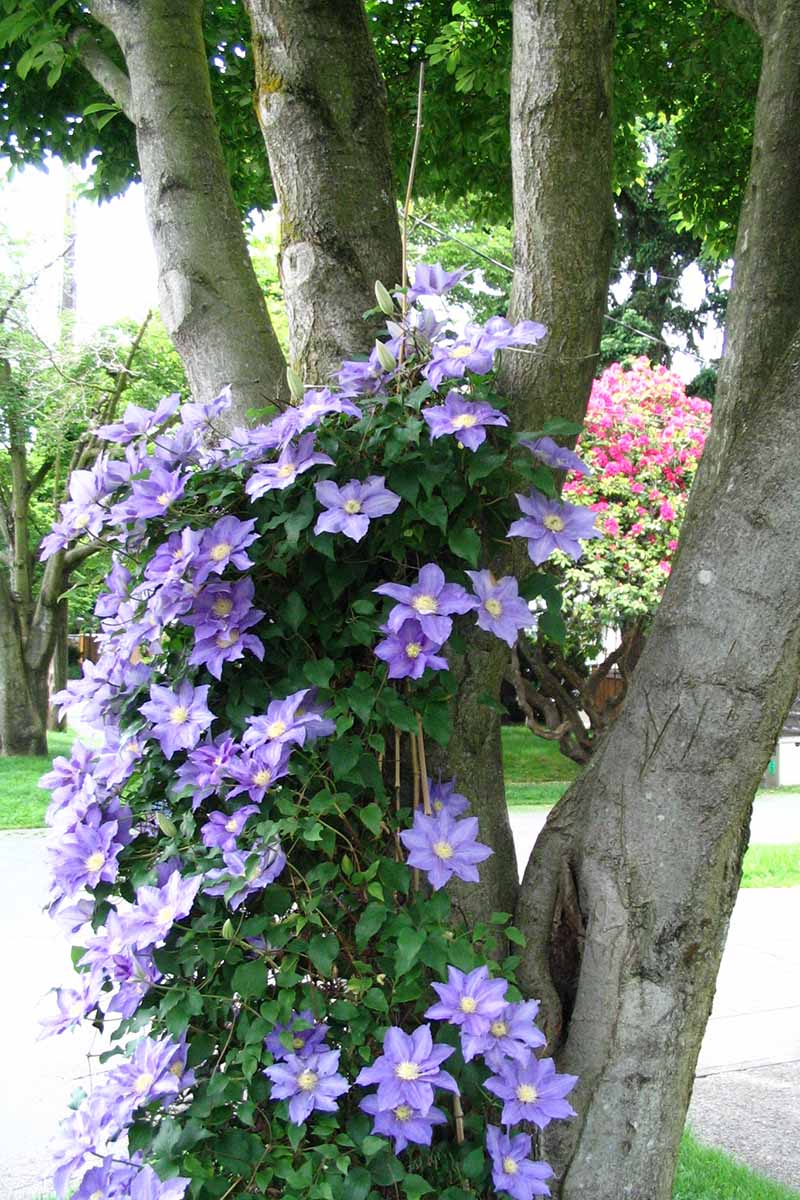
Often called the “queen of climbers,” clematis is prized for its showy, star-shaped flowers that appear in shades of purple, pink, white, and blue.
It climbs using its leaf petioles, which curl around small branches without cutting into bark – making it one of the safest vines for trees.
Why it’s great:
- Offers stunning flowers from spring to fall, depending on the variety.
- Attracts butterflies and pollinators.
- Doesn’t harm bark or restrict growth.
Growing tip: Clematis likes “cool feet and a sunny head” – meaning shaded roots and full-sun foliage. Plant it at the base of a tree where the trunk shades the soil but the vine can climb into the light. Mulch well to keep roots moist.
2. American Bittersweet (Celastrus scandens)
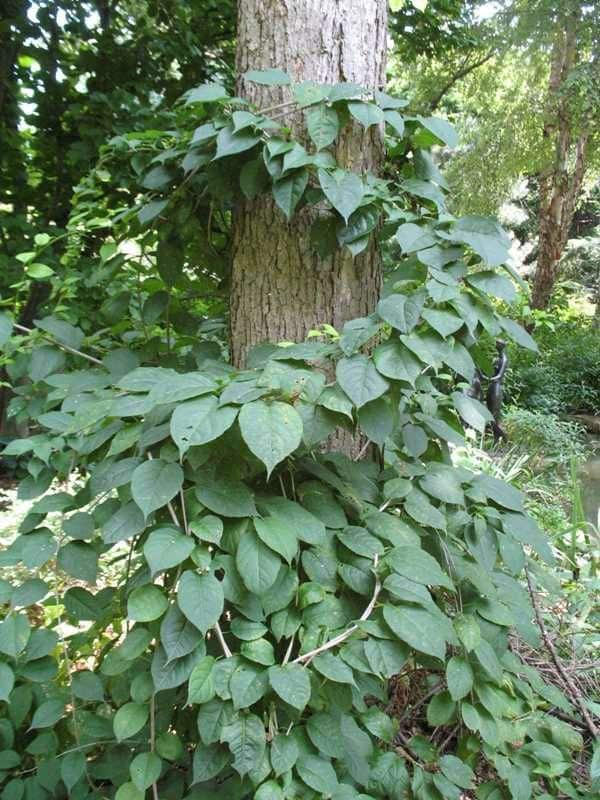
Native to North America, American bittersweet is famous for its orange capsules that split open in fall to reveal bright red seeds – a feast for birds and a splash of autumn color.
Important note: Avoid the invasive Oriental bittersweet (Celastrus orbiculatus), which can choke trees. The native species is better behaved and more ecologically friendly.
Why it’s great:
- Provides brilliant fall and winter color.
- Attracts wildlife like birds.
- Can coexist with trees if pruned occasionally.
Growing tip: Give bittersweet a sturdy host and prune annually to prevent it from overtaking smaller trees.
3. Virginia Creeper (Parthenocissus quinquefolia)
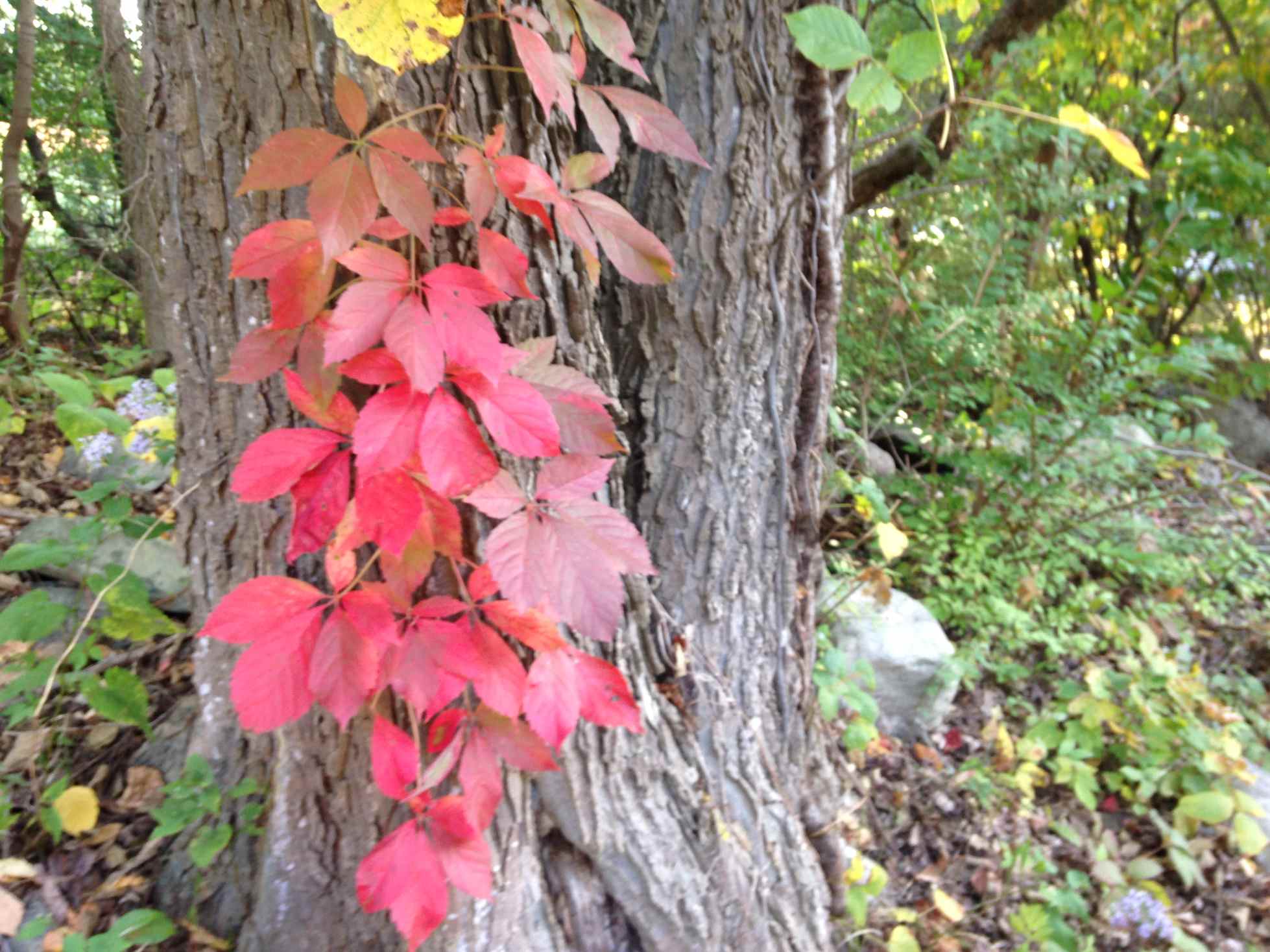
A tough, fast-growing native vine, Virginia creeper dazzles with fiery red foliage in autumn. It clings to tree bark using small adhesive pads – not invasive roots – so it won’t harm healthy bark.
Why it’s great:
- Thrives in both sun and shade.
- Provides stunning fall color and erosion control.
- Excellent for naturalizing woodland edges.
Growing tip: This vine spreads quickly. Trim regularly to keep it from reaching high into a tree canopy, where it may compete for light.
4. Wisteria (Wisteria frutescens, W. sinensis)
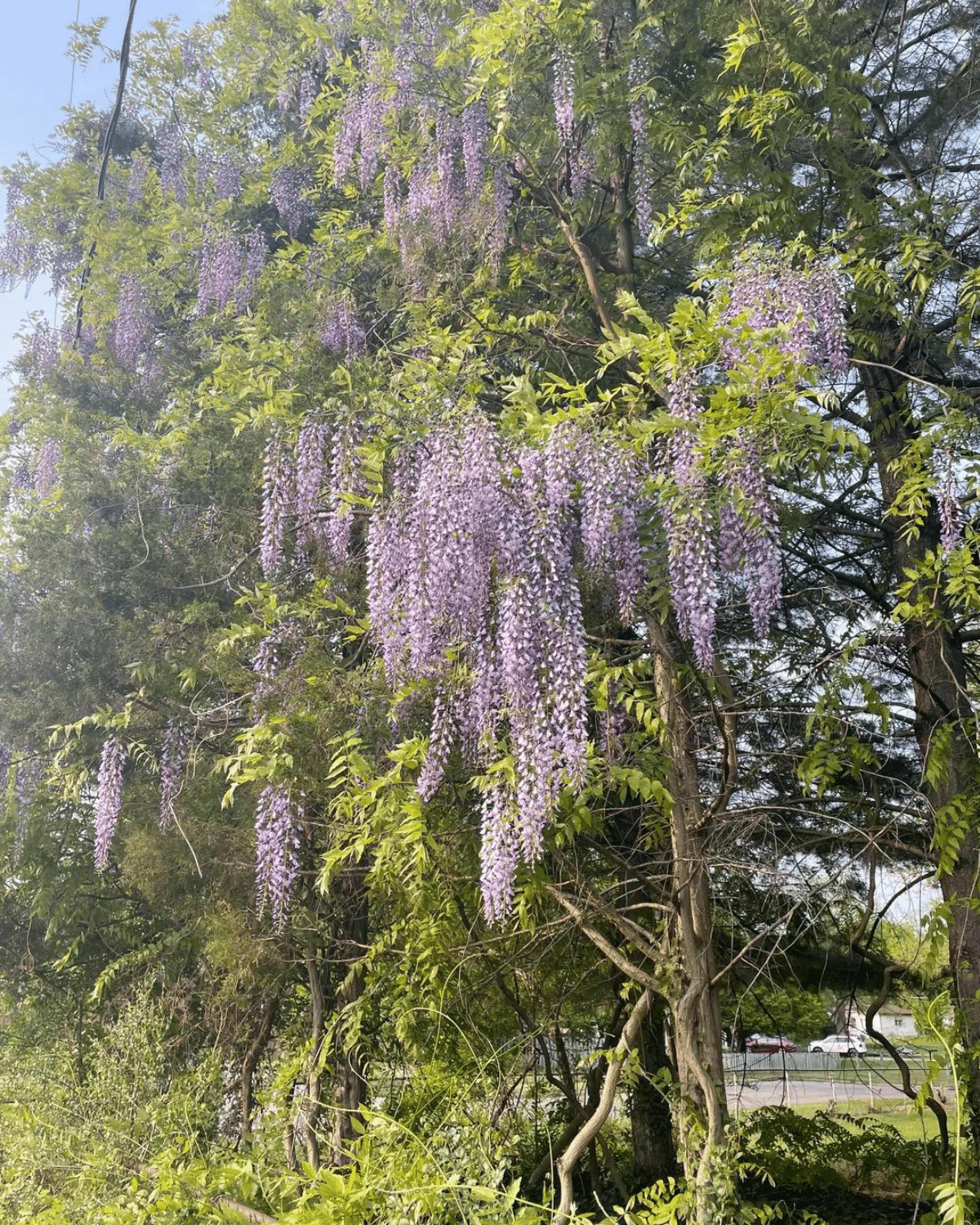
Wisteria is breathtaking in spring, cascading with clusters of purple or white, sweetly scented flowers.
However, its beauty comes with power – the vines are woody and heavy, so they need large, strong trees for support.
Why it’s great:
- Provides spectacular floral displays.
- Loved by bees and hummingbirds.
- Long-lived and resilient.
Growing tip: Choose native American wisteria (W. frutescens) over Asian types, which can be invasive. Train and prune yearly to prevent it from girdling branches.
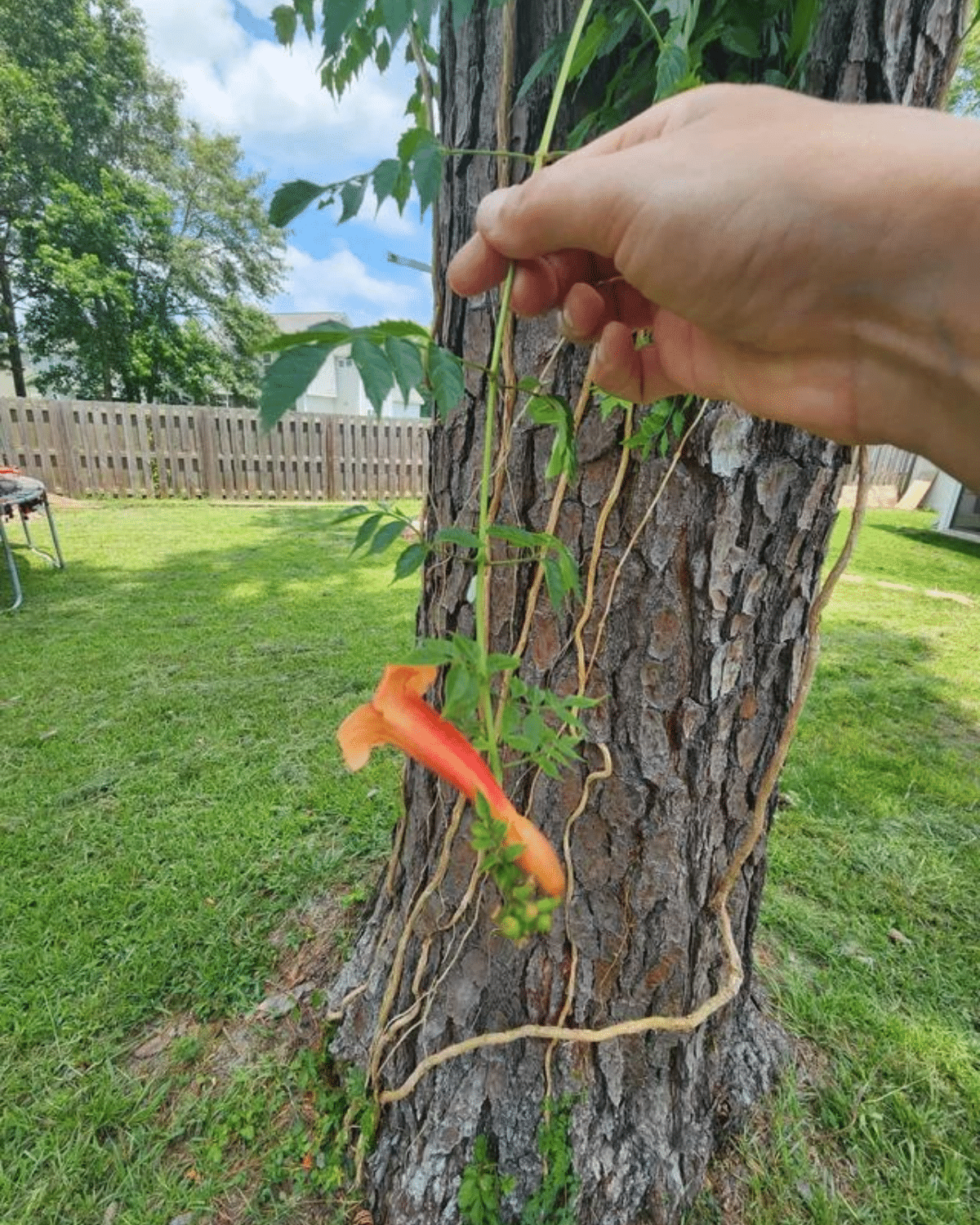
5. Trumpet Vine (Campsis radicans)
A magnet for hummingbirds, trumpet vine produces bold orange-red flowers from summer through fall. It clings with small aerial roots and grows vigorously.
Why it’s great:
- Excellent pollinator plant.
- Drought-tolerant and hardy.
- Covers large trunks quickly for dramatic color.
Growing tip: Plant it away from small trees or delicate bark. Best paired with mature oaks, maples, or pines. Prune back aggressively each year to keep it in check.
6. Honeysuckle (Lonicera spp.)
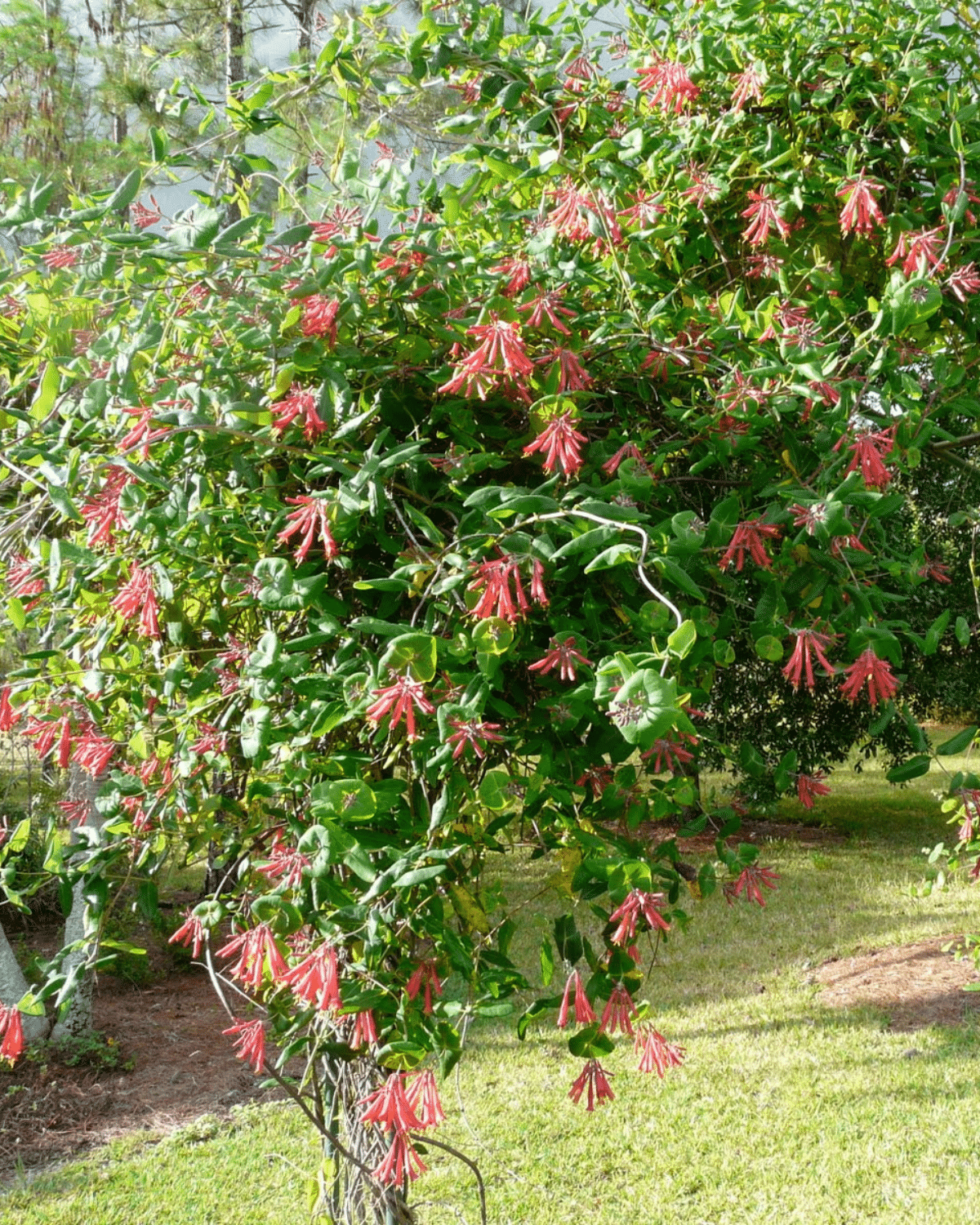
Few vines rival honeysuckle for fragrance. Native species like coral honeysuckle (Lonicera sempervirens) produce tubular red or gold flowers that attract hummingbirds and butterflies.
Avoid the invasive Japanese honeysuckle (L. japonica), which can strangle trees.
Why it’s great:
- Sweet scent and long bloom period.
- Non-invasive native varieties coexist well with trees.
- Excellent for natural screens.
Growing tip: Train coral honeysuckle up the lower trunk and prune after flowering to control shape.
7. Star Jasmine (Trachelospermum jasminoides)
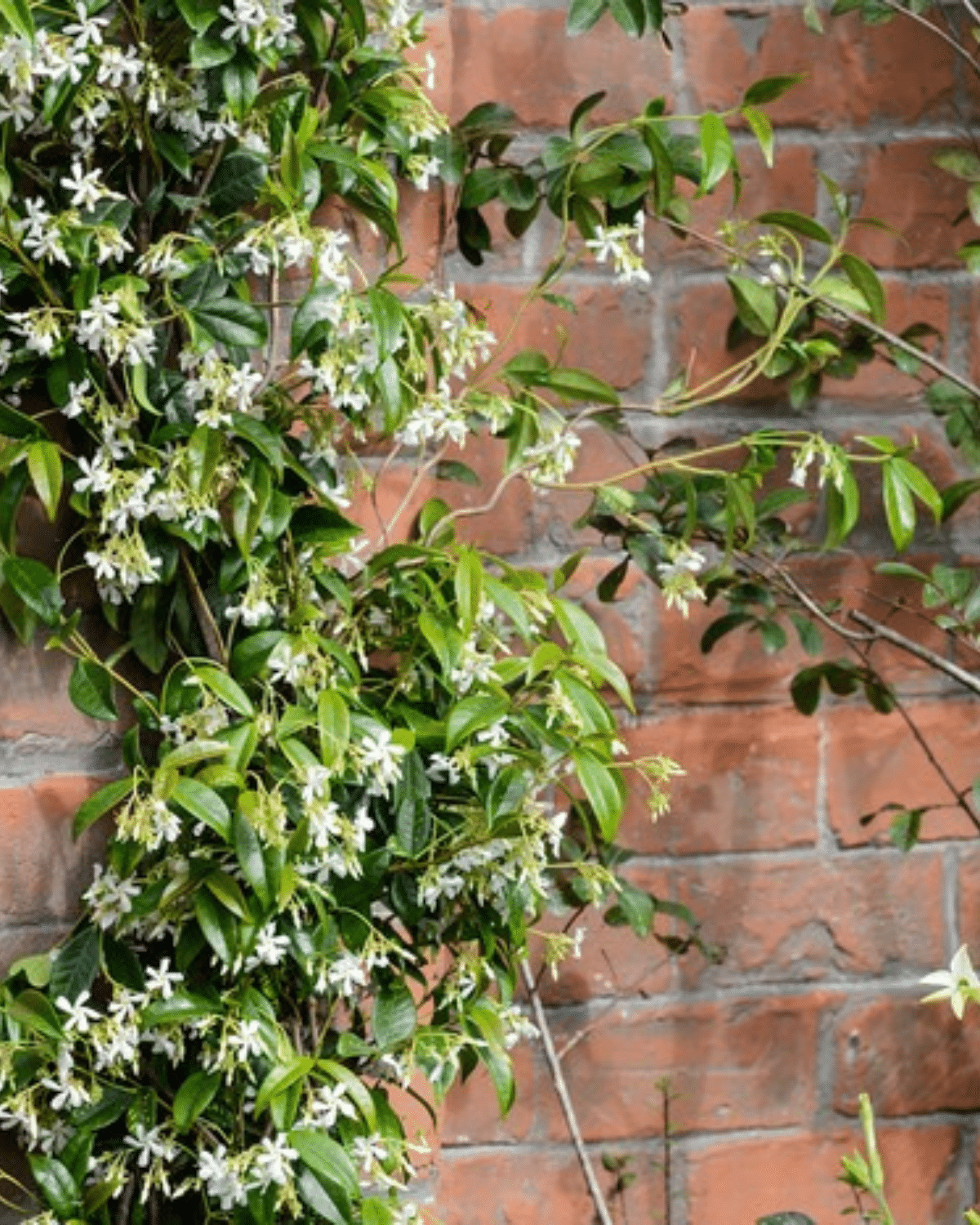
This evergreen vine offers intensely fragrant white blooms in spring and early summer. Its twining stems wrap gently around branches, and its glossy leaves stay attractive year-round in mild climates.
Why it’s great:
- Adds fragrance and evergreen appeal.
- Safe for smooth or rough bark trees.
- Great for small ornamental trees or pergola-style training.
Growing tip: Prefers full sun to partial shade and well-draining soil. Avoid planting where winters are severe.
8. Passionflower (Passiflora spp.)
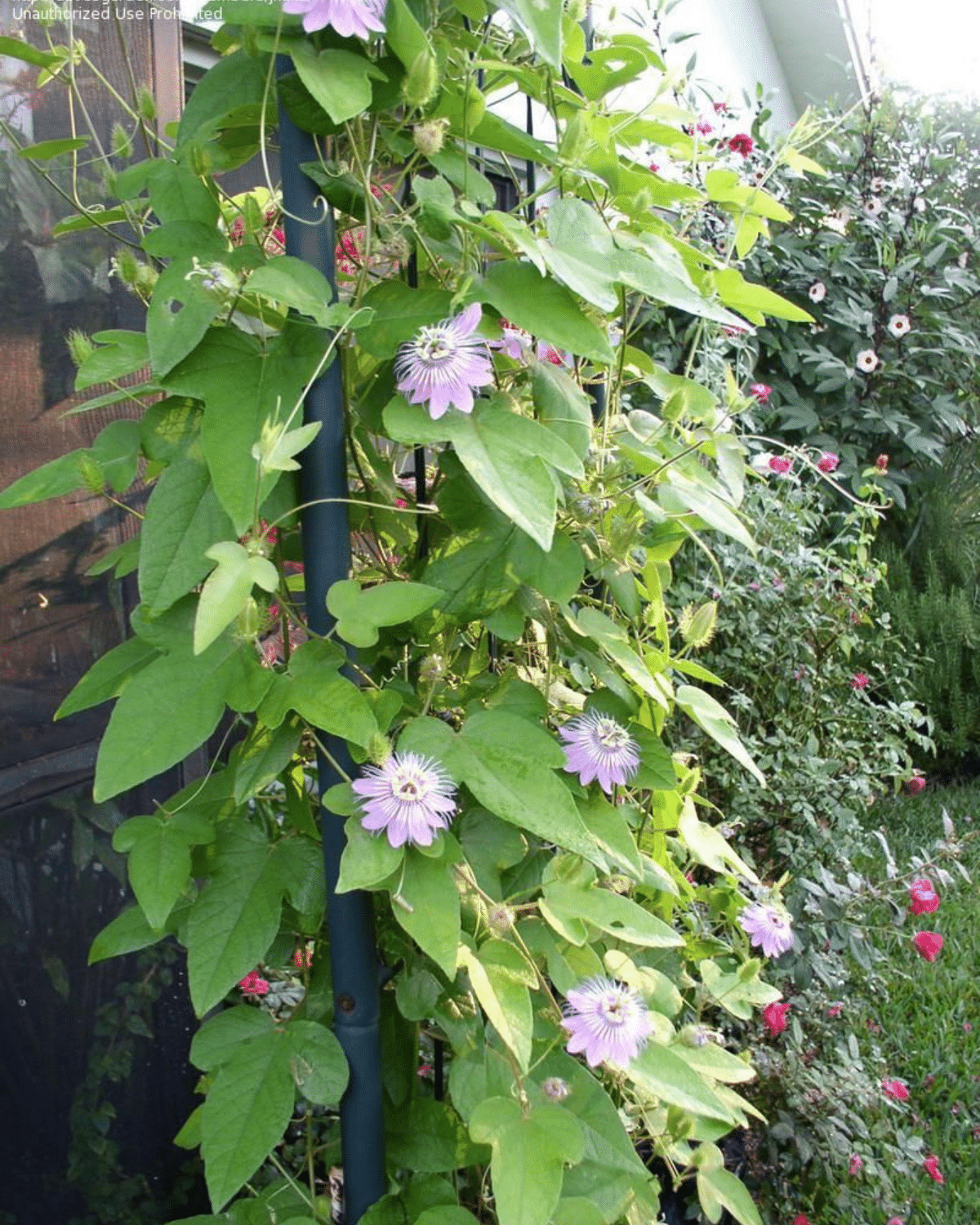
An exotic beauty, passionflower stands out with its intricate blooms in shades of violet, blue, and white. The vine climbs using tendrils and is lightweight enough not to burden trees.
Why it’s great:
- Attracts butterflies, including the Gulf fritillary.
- Some varieties produce edible fruit (“passionfruit”).
- Non-invasive and easy to control.
Growing tip: Provide full sun and support for tendrils to grip – ideal for small ornamental trees or trellises near tree trunks.
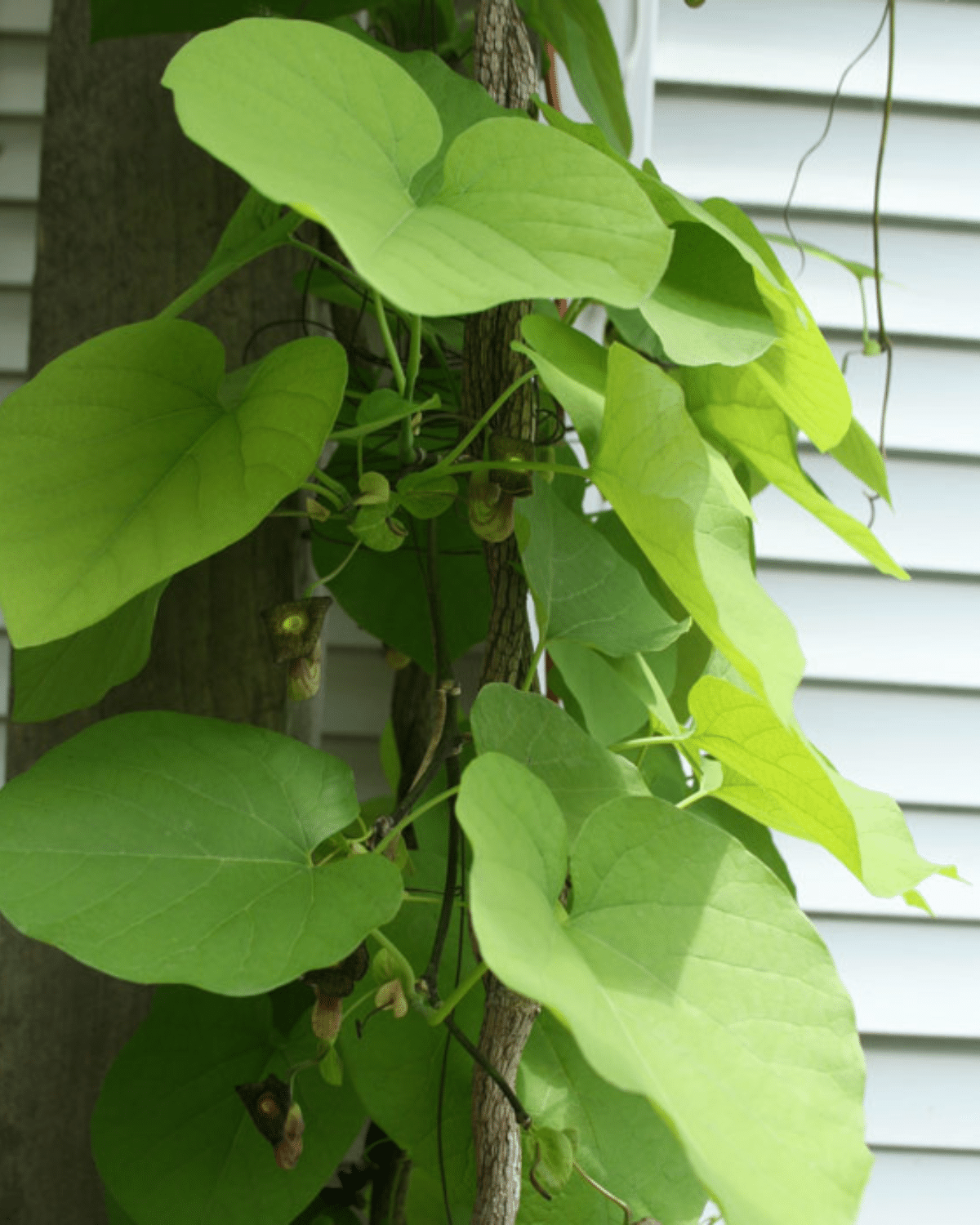
9. Dutchman’s Pipe (Aristolochia macrophylla)
This unusual vine is recognized by its heart-shaped leaves and pipe-like flowers. It provides dense foliage that makes a perfect privacy screen or canopy filler.
Why it’s great:
- Fast-growing and shade-tolerant.
- Provides shelter for birds and beneficial insects.
- Host plant for the pipevine swallowtail butterfly.
Growing tip: Best for large trees or pergolas. Water well during dry periods to maintain lush coverage.
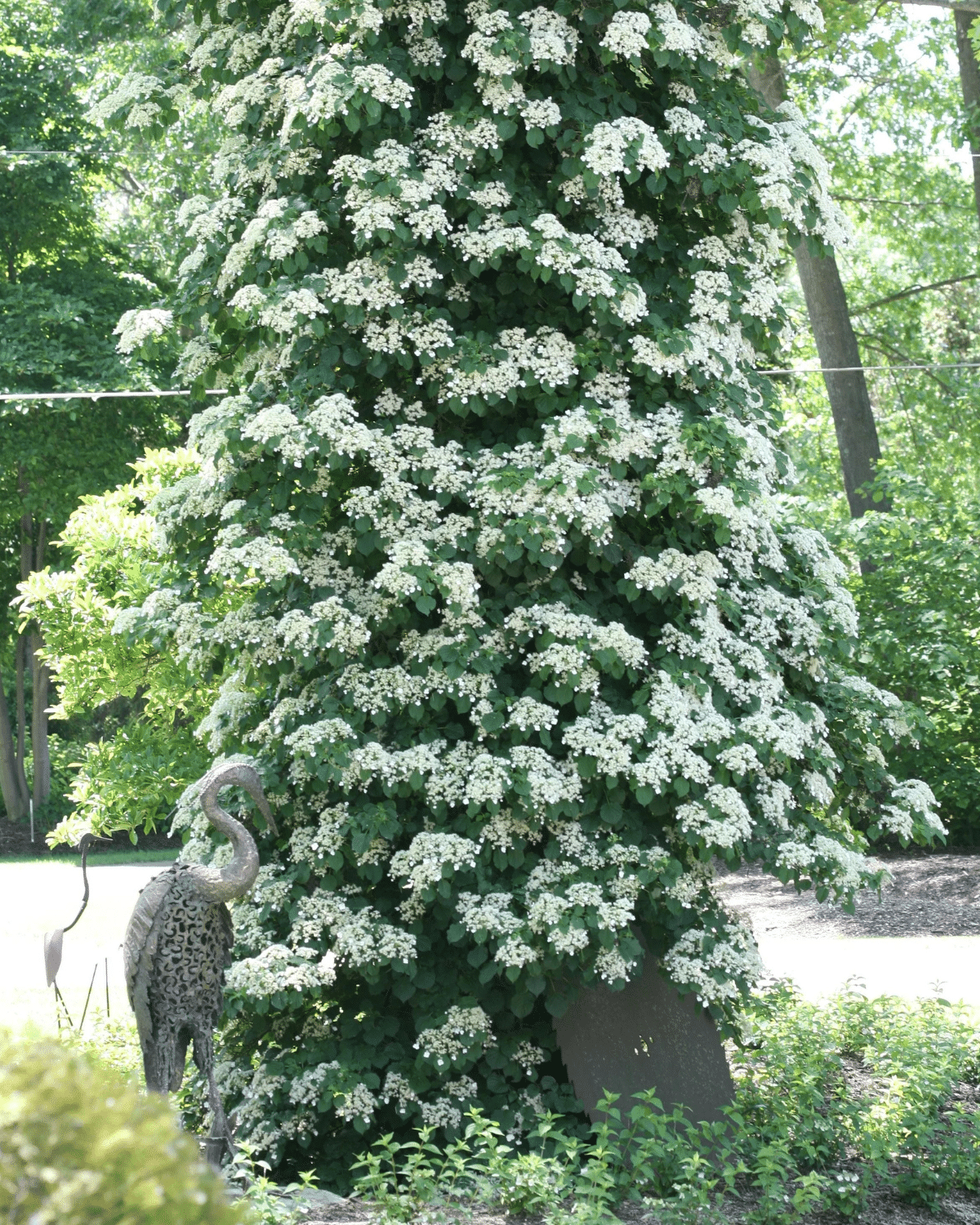
10. Climbing Hydrangea (Hydrangea anomala subsp. petiolaris)
A true woodland classic, climbing hydrangea attaches via tiny rootlets that cling softly to rough bark. Its white lace-cap flowers bloom beautifully in early summer against dark green leaves.
Why it’s great:
- Elegant blooms with a soft fragrance.
- Shade-tolerant and excellent for north-facing areas.
- Doesn’t harm mature trees.
Growing tip: Thrives in moist, rich soil and partial shade. Avoid young trees – this vine is best for mature trunks with stable bark.
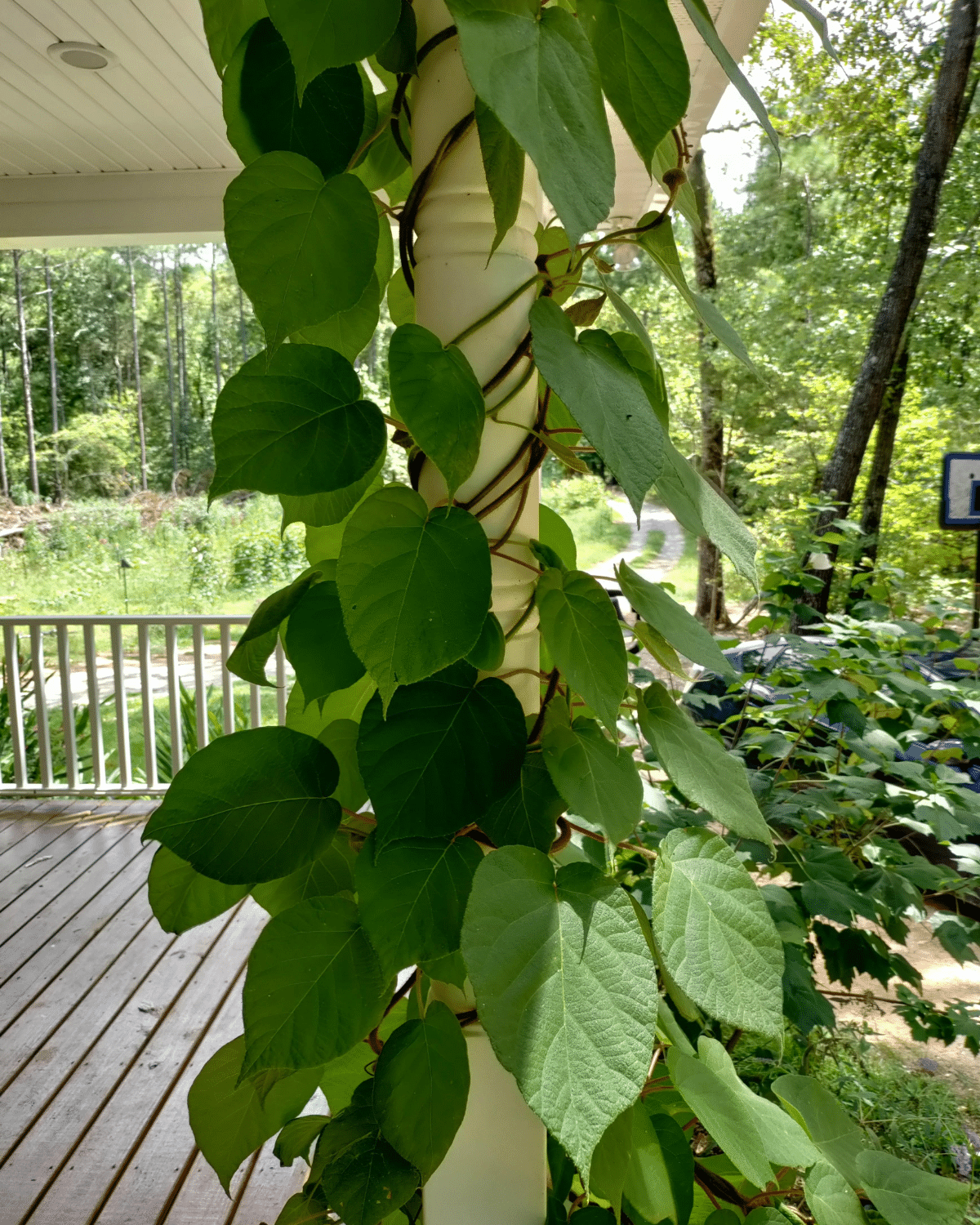
11. Kiwi Vine (Actinidia deliciosa)
For gardeners who love edible landscapes, the kiwi vine offers both beauty and fruit. Its glossy leaves and climbing habit make it a natural fit for strong trees or pergolas nearby.
Why it’s great:
- Attractive foliage and flowers.
- Produces delicious, fuzzy fruit.
- Vigorous and long-lived.
Growing tip: Requires both male and female plants for fruiting. Ensure your host tree is strong and sunlight reaches the canopy for fruit ripening.
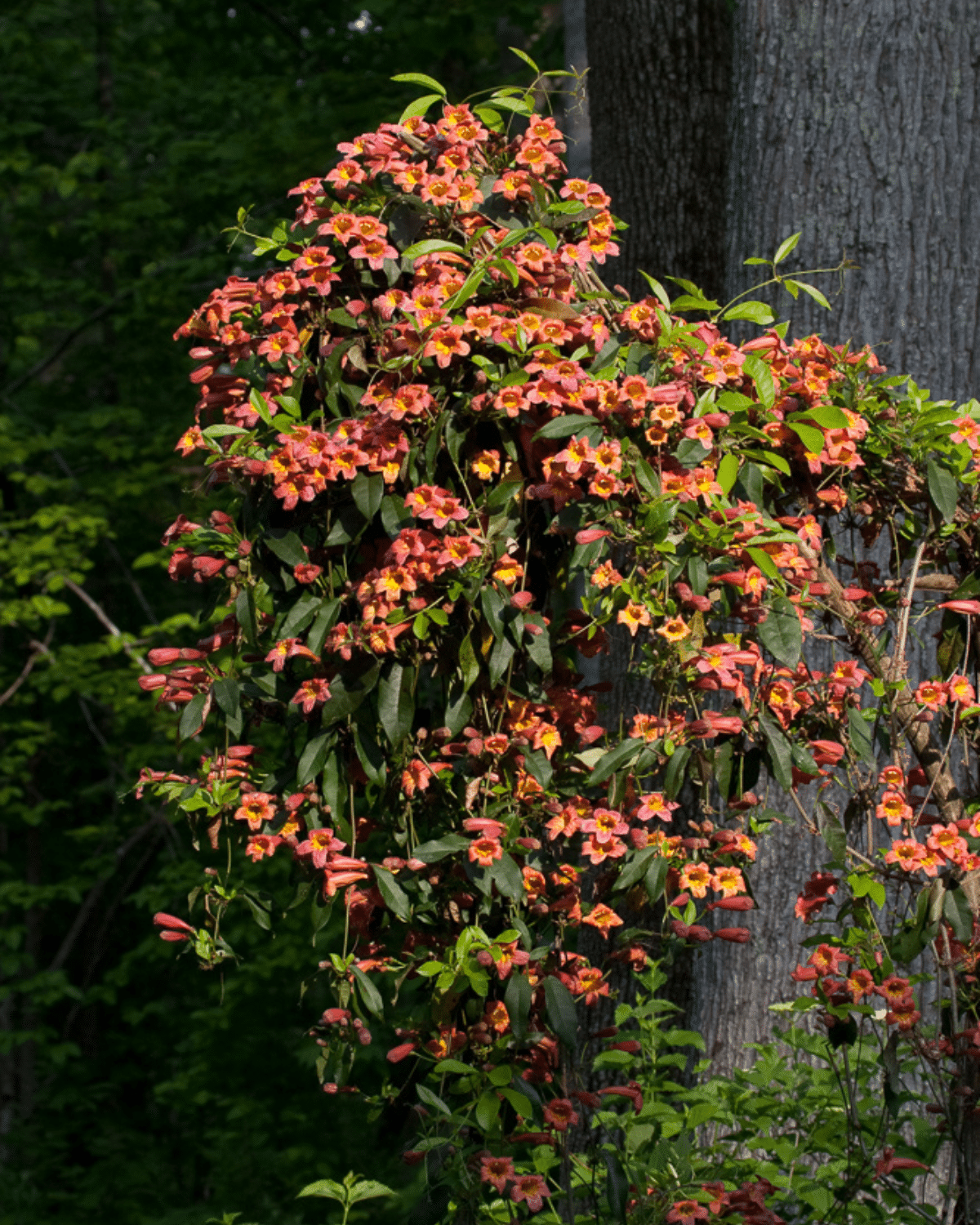
12. Crossvine (Bignonia capreolata)
A hardy native vine, crossvine blooms profusely in spring with orange-red, trumpet-shaped flowers. It clings by small tendrils tipped with suction cups that don’t damage bark.
Why it’s great:
- Early nectar source for hummingbirds.
- Evergreen or semi-evergreen in warm climates.
- Low-maintenance and non-invasive.
Growing tip: Grows well even in partial shade and poor soil. Prune lightly after flowering to shape.
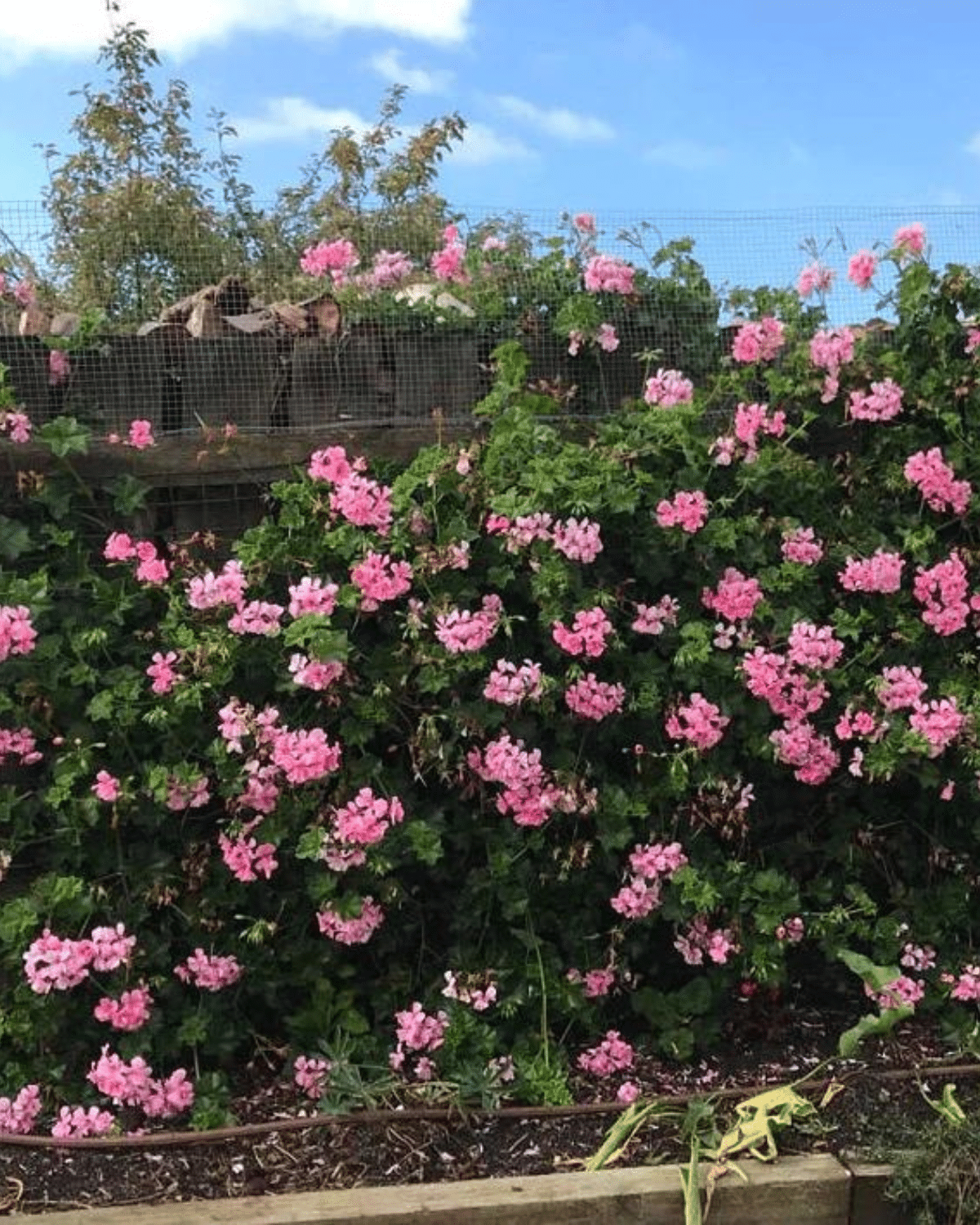
13. Ivy Geranium (Pelargonium peltatum)
Commonly found spilling over window boxes, ivy geranium can also be trained to climb low trunks or trellises around trees, providing cascades of pink, red, or white blooms.
Why it’s great:
- Long blooming season.
- Attracts pollinators and brightens shaded areas.
- Compact growth makes it suitable for small gardens.
Growing tip: Provide full sun and regular feeding. Ideal for decorative tree bases or low climbing around ornamental trunks.
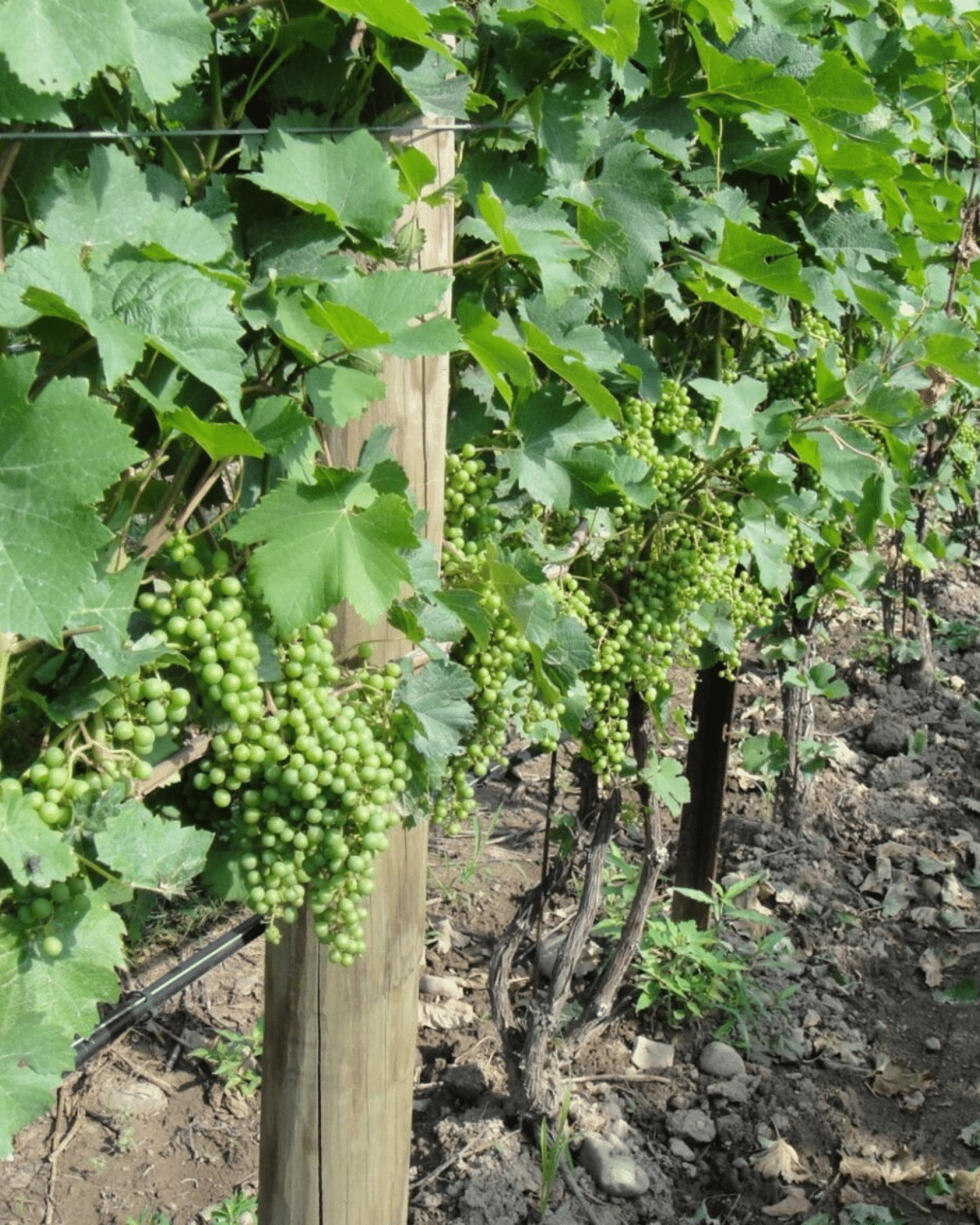
14. Grape Vine (Vitis spp.)
Grapevines bring a rustic, old-world charm to the garden, combining ornamental value with edible rewards. Their twisting tendrils can grip gently around tree branches if trained properly.
Why it’s great:
- Produces sweet fruit and golden autumn foliage.
- Attracts birds and beneficial insects.
- Adds shade and visual interest.
Growing tip: Support them on strong trees or adjacent trellises. Prune annually to maintain shape and fruit quality.
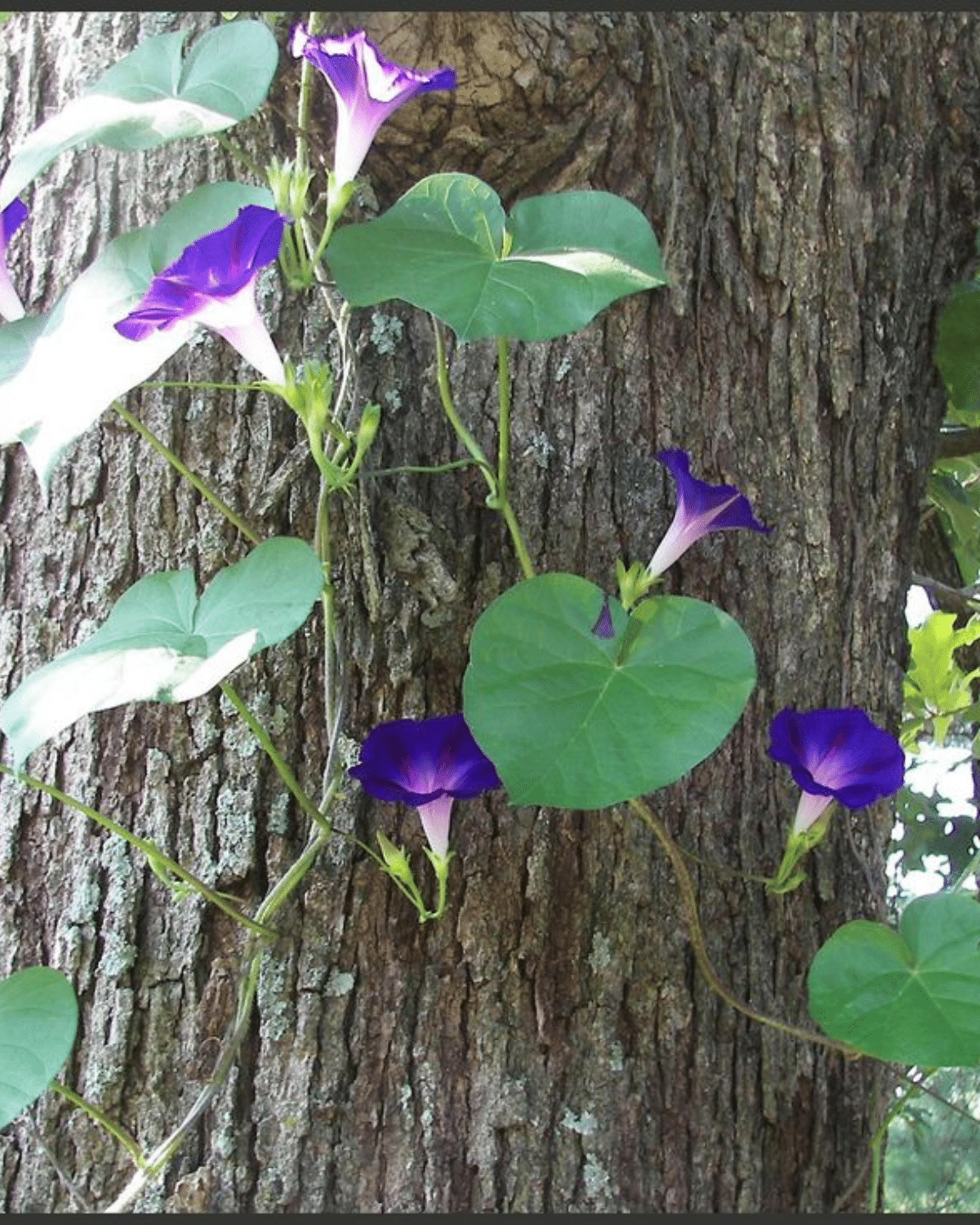
15. Morning Glory (Ipomoea spp.)
Fast-growing and colorful, morning glories fill your garden with cheerful trumpet-shaped flowers that open with the sunrise. They climb by twining around slender branches or supports.
Why it’s great:
- Blooms daily through summer.
- Easy to grow from seed.
- Lightweight and non-damaging to trees.
Growing tip: Opt for native or ornamental varieties (like Ipomoea tricolor) instead of invasive wild types. Provide plenty of sun and consistent watering.
Tips for Safely Growing Vines on Trees
- Choose mature, healthy trees. Young or weak trees may be damaged by even gentle vines.
- Avoid aggressive species. Stay away from invasive vines like English ivy or kudzu, which can smother trees.
- Monitor growth annually. Trim vines to prevent them from reaching the upper canopy.
- Keep base areas clear. Don’t let vines wrap tightly around the main trunk or roots.
- Use mulch. Helps maintain moisture for both tree and vine roots.
- Train vines early. Direct their growth pattern before they thicken or harden.
Vines and trees can form stunning partnerships when chosen wisely. The right combination adds height, fragrance, and natural rhythm to your garden – echoing the layered beauty of wild forests.


