Houseplants do more than just beautify your space—they can also fill your home with natural fragrances, creating a calming and refreshing atmosphere.
Whether you love citrusy notes, floral sweetness, or earthy aromas, certain plants release delightful scents that can transform your living space into a home spa.
Some of these fragrant plants also have practical uses, from culinary benefits to aromatherapy and natural air purification.
In this guide, we’ll explore 15 of the best scented houseplants, how to grow them indoors, and how to maximize their beautiful fragrance in your home.
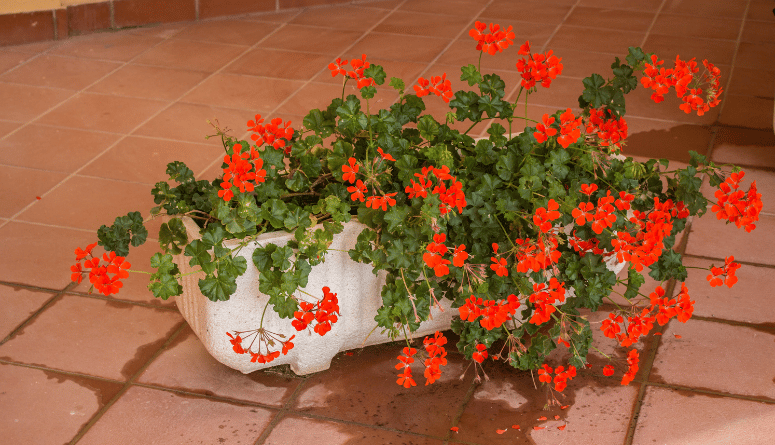
1. Scented Geranium – A Powerhouse of Fragrance
Scented geraniums are herbal houseplants that emit a delicious aroma from the small glands at the base of their leaves.
When crushed, the leaves release essential oils with scents like rose, lemon, peppermint, or even chocolate!
Best Location: Bright windowsills with indirect sunlight
Care Tips: Keep soil slightly dry between waterings
Bonus Benefit: Used in herbal teas, potpourri, and essential oils
Pro Tip: Run your fingers through the leaves to release the fragrance instantly!
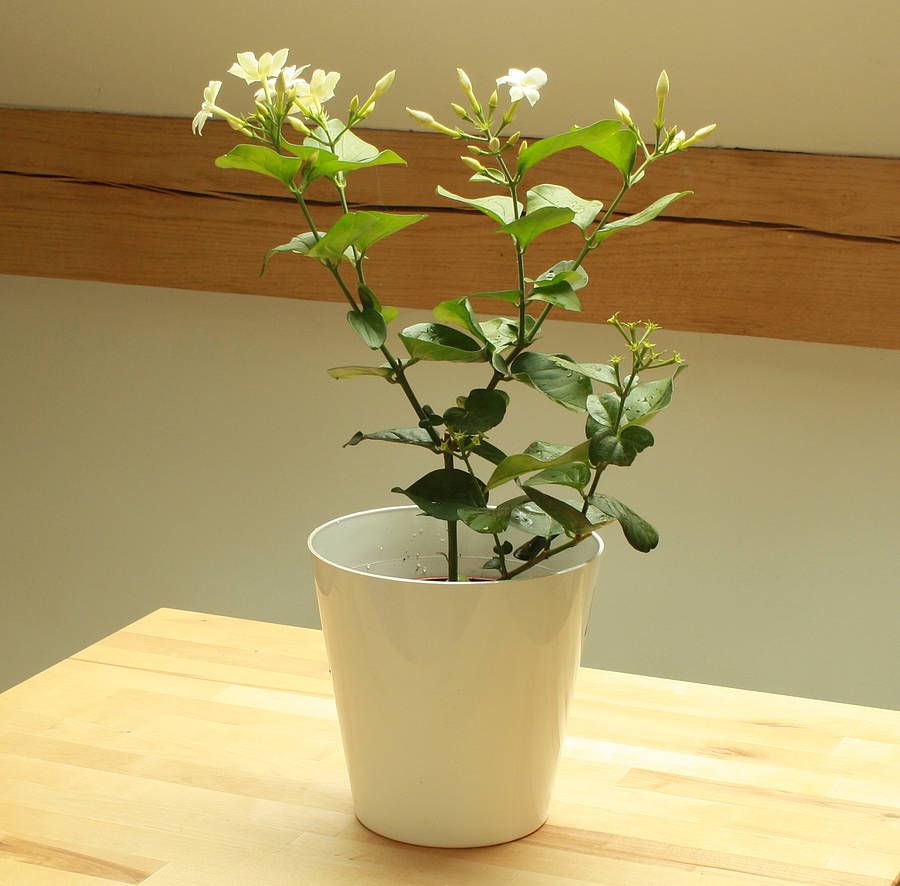
2. Arabian Jasmine – A Floral Scent That Lasts Year-Round
Arabian Jasmine is a shrublike plant that produces small white flowers with an intensely sweet scent. If grown in a warm climate, these delicate blooms will stay in bloom year-round, continuously filling your space with a floral aroma.
Best Location: Bright, sunny spots with good air circulation
Care Tips: Keep soil moist but well-drained
Bonus Benefit: Can be used to make homemade jasmine tea
Pro Tip: Regular pruning helps increase flower production and enhance fragrance!
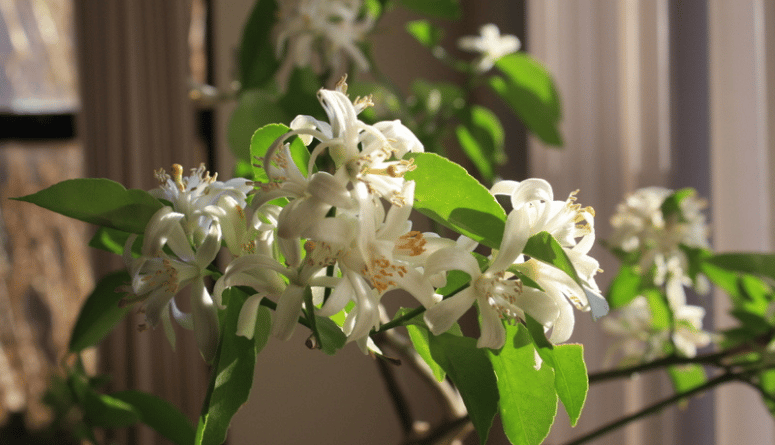
3. Citrus Blossom – A Zesty, Refreshing Aroma
The flowers of citrus plants—such as lemon, orange, and lime trees—give off a refreshing and invigorating scent. Citrus blossoms are highly fragrant and are often used in perfumery and baking (such as in orange flower water).
Best Location: Bright, sunny windows (south-facing is ideal)
Care Tips: Water deeply but allow soil to dry out slightly between watering
Bonus Benefit: Some varieties produce small edible fruits indoors!
Pro Tip: Gently shake the branches to encourage pollination and more blossoms!
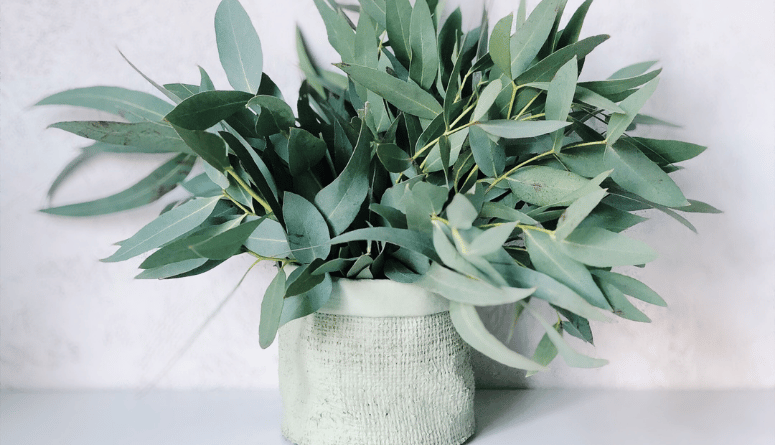
4. Eucalyptus – A Natural Air Freshener & Insect Repellent
Eucalyptus is known for its soothing, minty scent, which is often used in aromatherapy and medicinal remedies. This fast-growing plant can purify indoor air and naturally repel insects.
Best Location: Bright spots with full sunlight
Care Tips: Water moderately and ensure good drainage
Bonus Benefit: Can be dried and used in homemade herbal sachets
Pro Tip: Hang fresh eucalyptus branches in the shower for a spa-like steam experience!
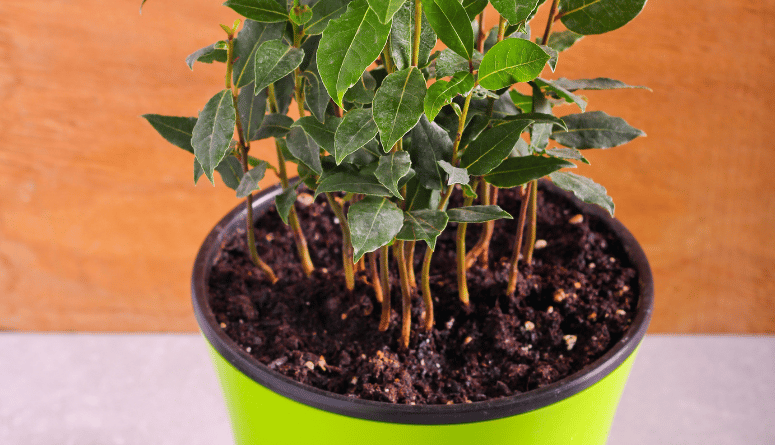
5. Sweet Bay – Aromatic Leaves with Culinary Benefits
Sweet Bay, commonly known as Bay Laurel, is famous for its fragrant leaves, which are used in cooking, essential oils, and herbal remedies.
Best Location: Near a kitchen window for easy access
Care Tips: Water sparingly and prune regularly
Bonus Benefit: A natural pest deterrent for the home
Pro Tip: Dry the leaves for long-term culinary use in soups and stews!
6. Gardenia – A Classic, Luxurious Scent
Gardenias are renowned for their creamy white blooms and intoxicating floral aroma. Though a bit finicky to grow indoors, their sweet, luxurious fragrance makes them worth the effort!
Best Location: Near bright windows with indirect light
Care Tips: Keep humidity high and avoid cold drafts
Bonus Benefit: Used in perfumes and essential oils
Pro Tip: Use a humidifier to keep the air moist, as gardenias love humidity!
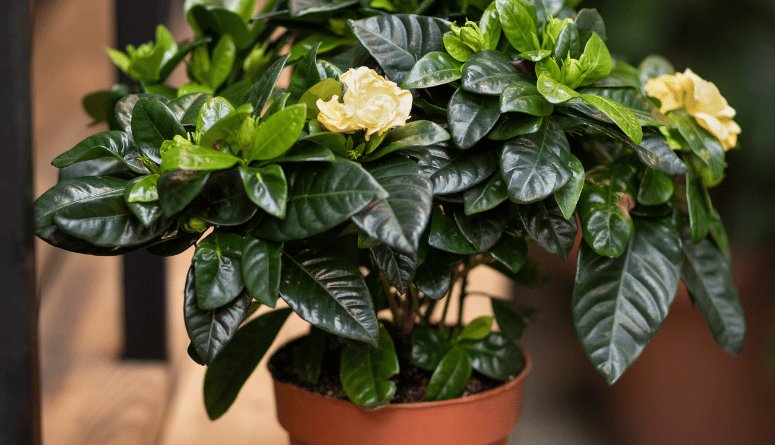
7. Stephanotis – A Tropical Beauty with a Sweet Scent
Stephanotis, also called Madagascar Jasmine, features star-shaped white flowers that produce a sweet, lingering fragrance.
Best Location: A warm, sunny spot with bright indirect light
Care Tips: Needs support structures to climb
Bonus Benefit: Frequently used in wedding bouquets
Pro Tip: Rotate the plant occasionally to encourage even growth!
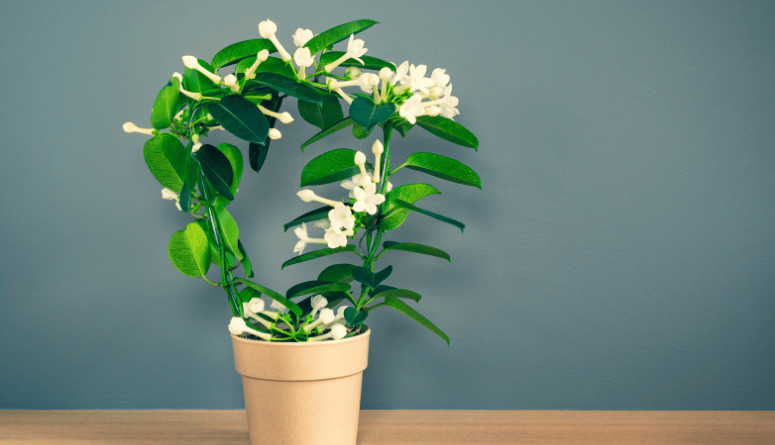
8. Orange Jessamine – A Low-Maintenance Fragrant Beauty
Despite its name, Orange Jessamine doesn’t produce oranges, but it does have small, highly fragrant white flowers that emit a citrus-like aroma.
Best Location: Indoors near bright windows
Care Tips: Water frequently but avoid soggy soil
Bonus Benefit: Attracts bees and butterflies if placed outdoors
Pro Tip: Pinch back new growth to keep the plant compact and bushy!
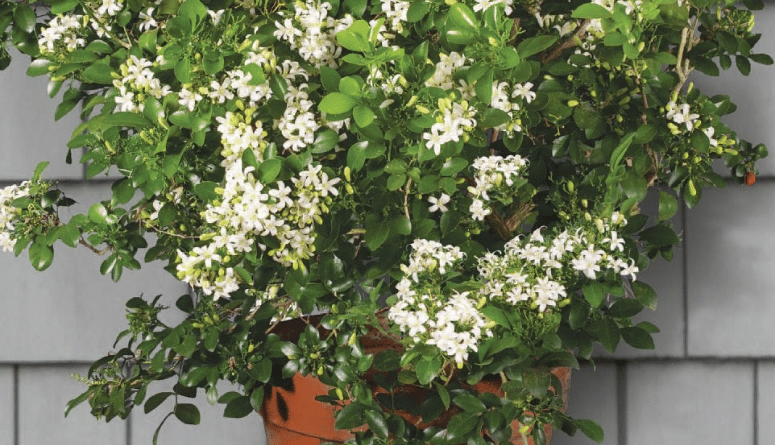
9. Tea Rose Begonia – A Continuous Bloomer
Tea Rose Begonia blooms year-round, offering both beauty and fragrance in a single plant.
Best Location: Near windows with filtered sunlight
Care Tips: Keep soil moist but not wet
Bonus Benefit: Adds color and scent to any room
Pro Tip: Remove spent flowers to encourage more blooming!
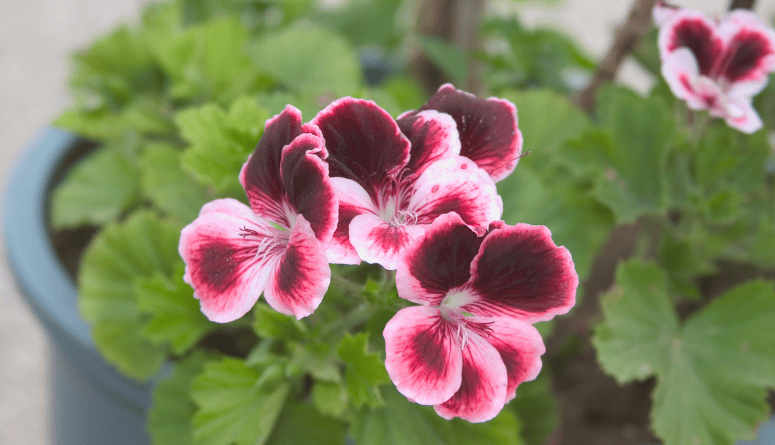
10. Corsage Orchid – An Elegant & Exotic Scent
Corsage Orchids are famous for their exotic appearance and delicate fragrance, often used in weddings and formal events.
Best Location: Bright, indirect light with good humidity
Care Tips: Water lightly, allowing roots to dry out between waterings
Bonus Benefit: Adds a touch of elegance to any room
Pro Tip: Avoid placing near direct heat sources to prevent drying out!
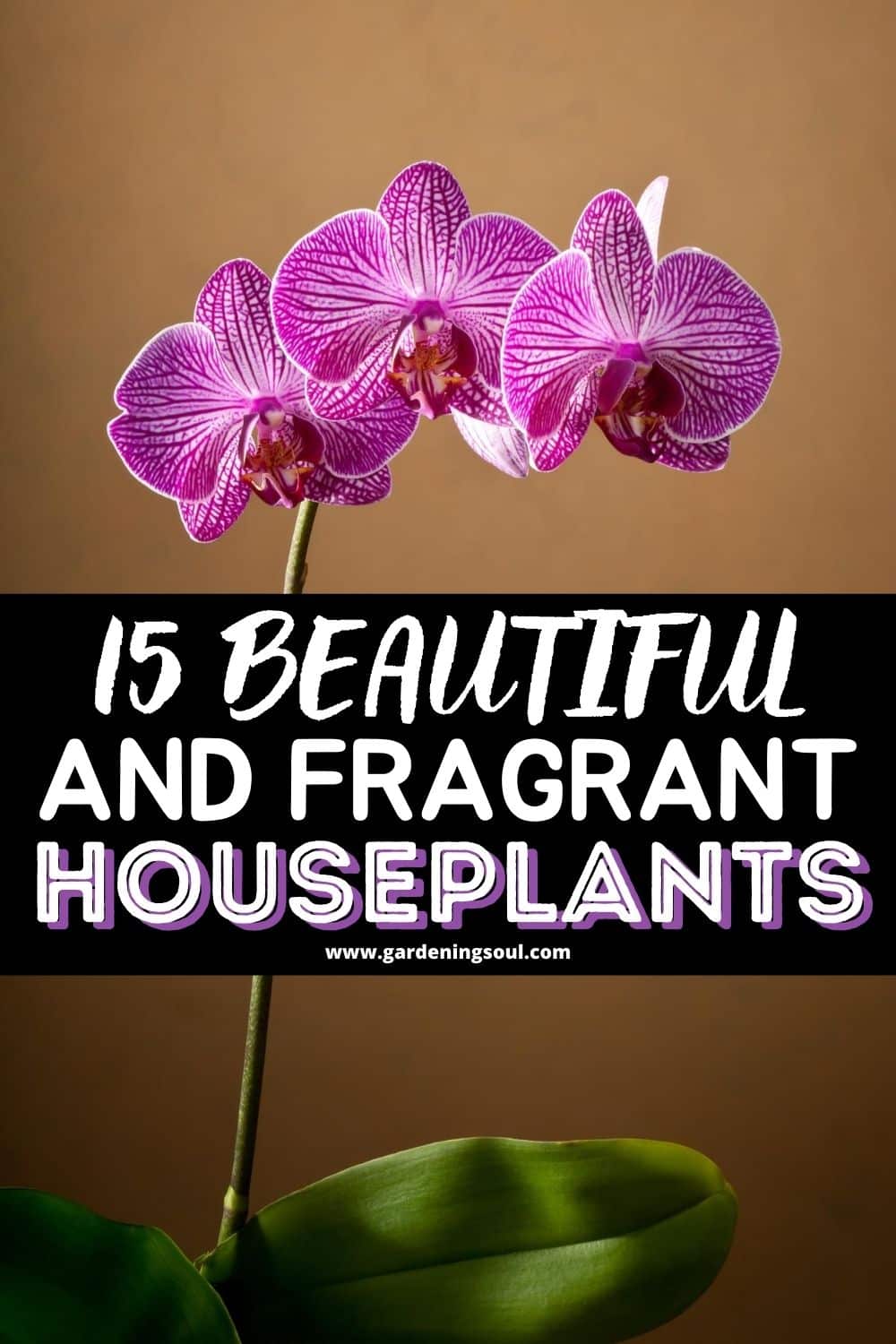
11. Oncidium Orchid – The ‘Dancing Lady’ with a Sweet Vanilla Scent
Oncidium Orchids, often called “Dancing Lady Orchids,” are known for their delicate, ruffled flowers that resemble a ballerina in a skirt. These exotic orchids emit a sweet, vanilla-like fragrance, which intensifies in warm, humid conditions.
Best Location: A bright, indirect light spot near a window
Care Tips:
- Use well-draining orchid potting mix (bark or sphagnum moss).
- Water once a week, allowing roots to dry between watering.
- Maintain humidity at 50-70% for best growth.
Bonus Benefit: Oncidium orchids come in vibrant yellow, pink, and red hues, making them a stunning decorative piece.
Pro Tip: Avoid placing Oncidium Orchids near drafty windows or air vents, as they prefer stable temperatures (60-75°F).
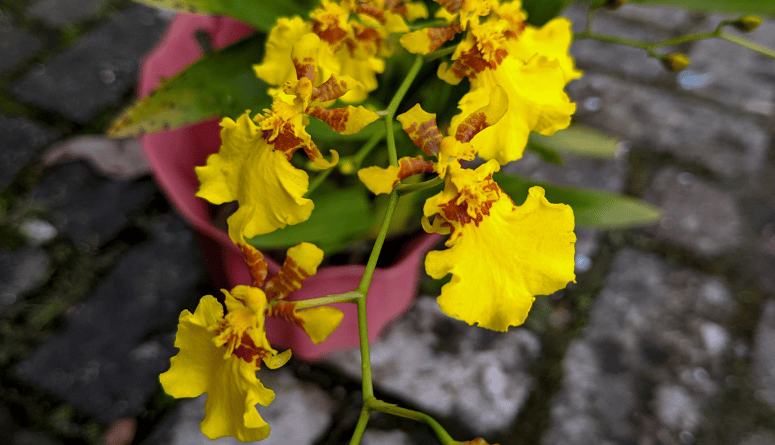
12. Cuban Oregano – A Culinary Herb with a Minty Fragrance
Cuban Oregano is not actually oregano, but it belongs to the same plant family as mint (Lamiaceae).
This thick-leaved, succulent-like herb gives off a strong, minty aroma when touched, making it a wonderful natural air freshener.
Best Location: Near a kitchen window where it gets bright, indirect sunlight
Care Tips:
- Water when the soil is dry (similar to succulents).
- Prune regularly to encourage bushy growth.
- Can be grown in hanging baskets or pots indoors.
Bonus Benefit: Used in Caribbean, African, and Indian cuisines for its bold, herbal flavor.
Pro Tip: If you rub the leaves between your fingers, the menthol-like fragrance can help clear nasal congestion naturally!
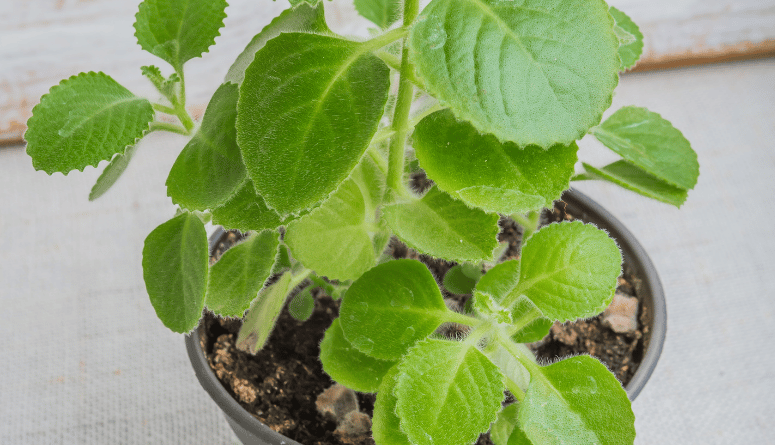
13. Passion Flower – A Unique Scented Vine That Relaxes the Mind
Passion Flower is one of the most breathtaking and intricate plants, producing exotic star-shaped flowers with a light, floral scent. It’s known for its calming effects and is often used in herbal teas and aromatherapy.
Best Location: Near a sunny window or on a trellis for support
Care Tips:
- Needs 6+ hours of bright light daily.
- Water when the topsoil feels dry.
- Trim regularly to control fast-growing vines.
Bonus Benefit: Passion Flower is commonly used in natural sleep aids due to its relaxing properties.
Pro Tip: If you want more blooms, ensure that the plant is getting enough direct light and high humidity.
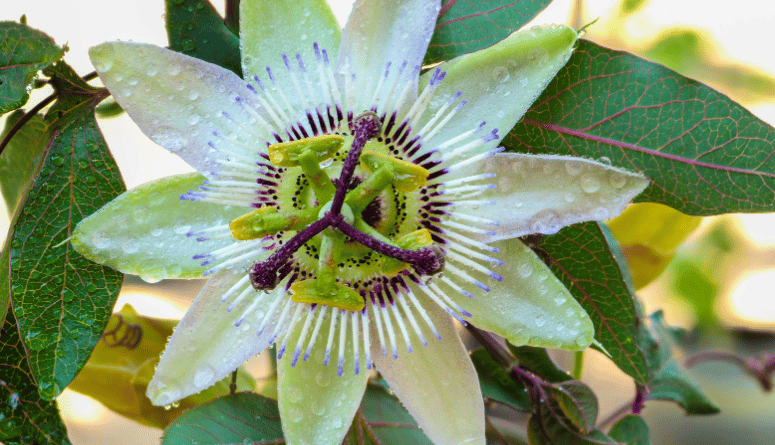
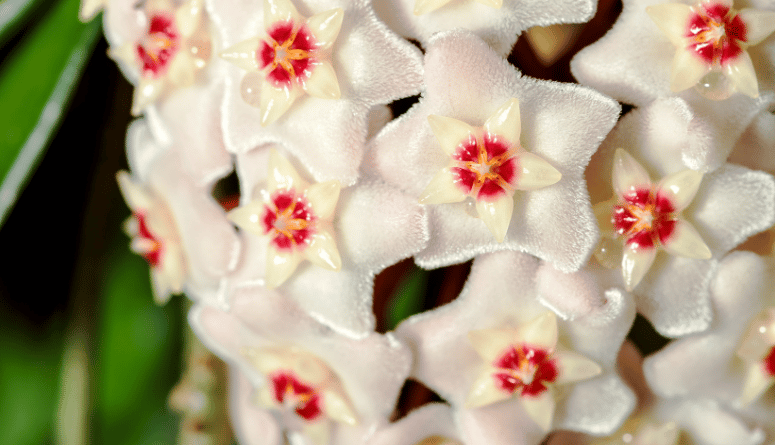
14. Hoya – The “Wax Plant” with Star-Shaped, Fragrant Flowers
Hoya plants, also known as Wax Plants, produce small, fuzzy, five-pointed star flowers that emit a sweet honey-like fragrance, especially at night. Their thick, waxy leaves make them low-maintenance and perfect for beginners.
Best Location: In hanging baskets or on a shelf near a bright window
Care Tips:
- Water when soil is dry—they don’t like soggy roots.
- Provide bright, indirect light to encourage flowering.
- Use a light trellis if you want them to climb.
Bonus Benefit: Hoya flowers are incredibly intricate and detailed, adding a whimsical charm to any home.
Pro Tip: Hoya plants bloom better when root-bound, so avoid repotting too often!
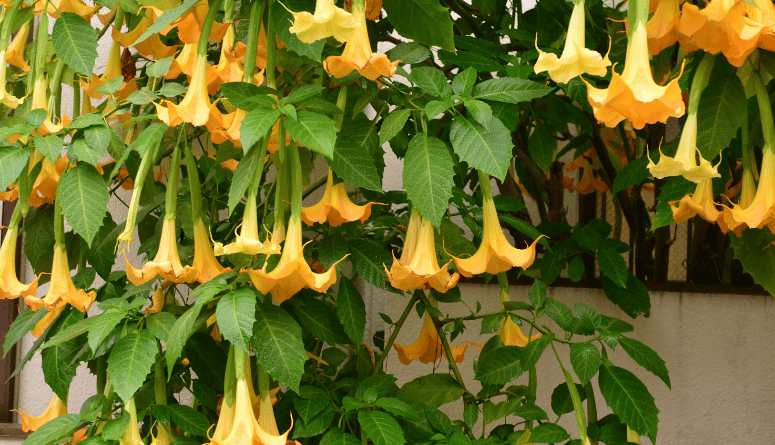
15. Angel’s Trumpet – A Nighttime Fragrance Like No Other
Angel’s Trumpet is famous for its dramatic, trumpet-shaped flowers, which release a strong, intoxicating fragrance in the evening. These large blooms attract hummingbirds and nighttime pollinators, filling the air with a sweet, tropical scent.
Best Location: In a large pot with bright, indirect light
Care Tips:
- Keep soil consistently moist but not soggy.
- Prune regularly to control its large size.
- Protect from cold drafts, as it prefers warm conditions.
Bonus Benefit: The flowers create an enchanting ambiance for patios and balconies.
Pro Tip: Angel’s Trumpet is toxic, so keep it out of reach of pets and children. Wear gloves when pruning!
Fragrant houseplants not only enhance your home’s beauty but also provide aromatherapy benefits, purify the air, and create a soothing environment.
Whether you prefer sweet florals, refreshing citrus, or herbal scents, these indoor plants are a perfect way to bring nature’s perfume into your home.