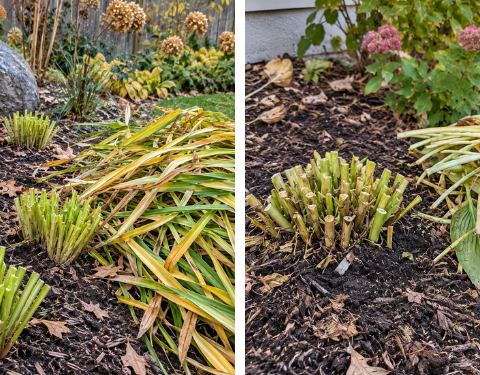
Raised garden beds are becoming increasingly popular among home gardeners, and for good reason!
They offer numerous benefits, such as improved drainage, better soil quality, reduced weed growth, and easier access for planting and harvesting.
Whether you’re growing vegetables, herbs, or flowers, a raised bed can help you maximize space while keeping your garden neat and organized.
If you’re looking for inspiration, here are 15 creative DIY raised garden bed projects to try!
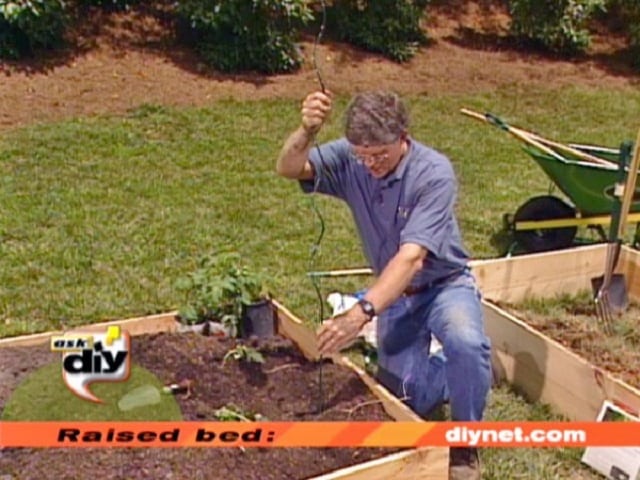
1. Build and Install Raised Garden Beds
One of the simplest and most effective ways to start raised bed gardening is by constructing and installing your own beds. Using materials like cedar, redwood, or repurposed wood, you can build a sturdy raised bed that lasts for years.
Pro Tip: Choose rot-resistant wood and line the bottom with landscape fabric to prevent weeds from growing through.
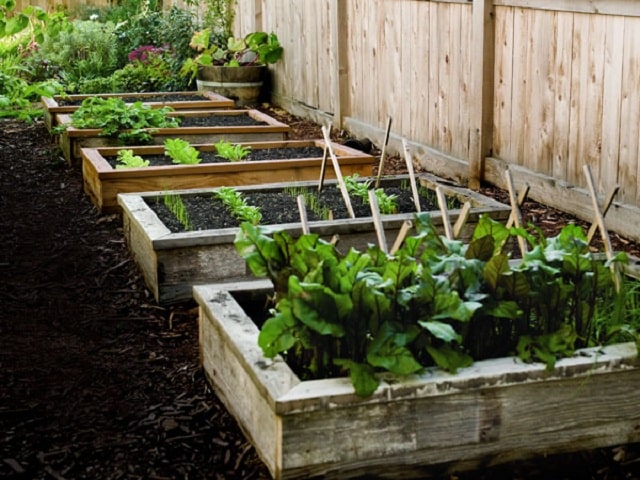
2. Raised Planting Bed
Perfect for small spaces or urban gardens, a raised planting bed provides a contained growing area for flowers, herbs, or vegetables. You can customize its height and width to fit your space and gardening needs.
Pro Tip: Mix compost into your soil to enhance nutrients for better plant growth.
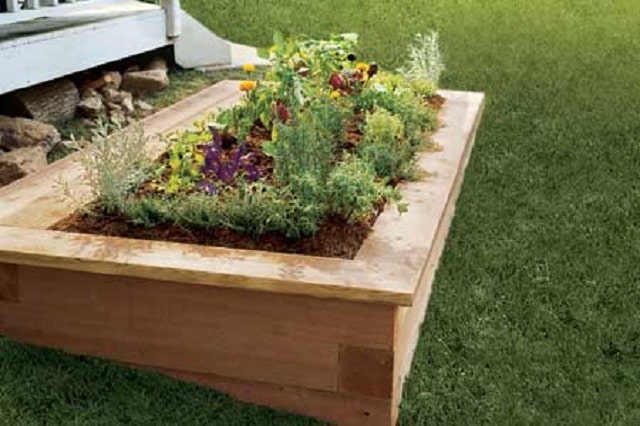
3. Five Raised Beds for Maximum Yield
Instead of one large bed, why not create five smaller raised beds? This method allows for better crop rotation, prevents soil depletion, and makes it easier to manage different types of plants.
Pro Tip: Label each bed with the type of plants growing to keep track of rotations each season.
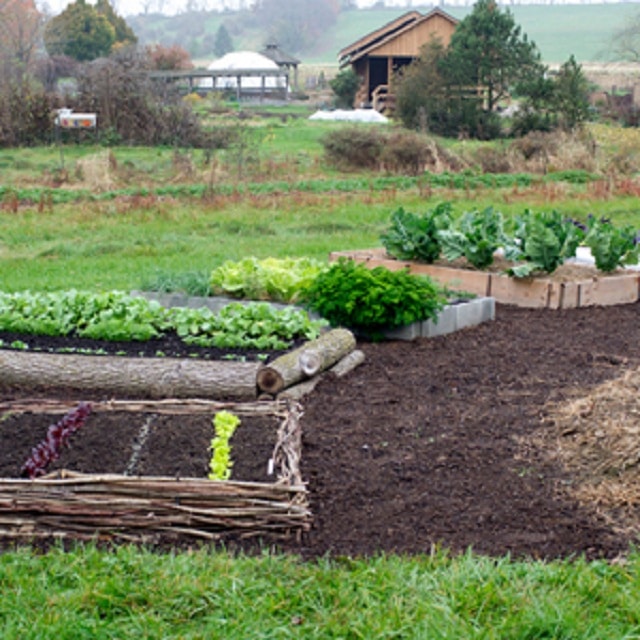
4. Raised Vegetable Bed
Growing vegetables in a raised bed is an excellent way to keep your produce healthy and free from pests. A well-designed raised vegetable bed improves root growth, retains moisture, and provides a rich growing environment.
Pro Tip: Position your vegetable bed in a location with at least 6-8 hours of sunlight for optimal yield.
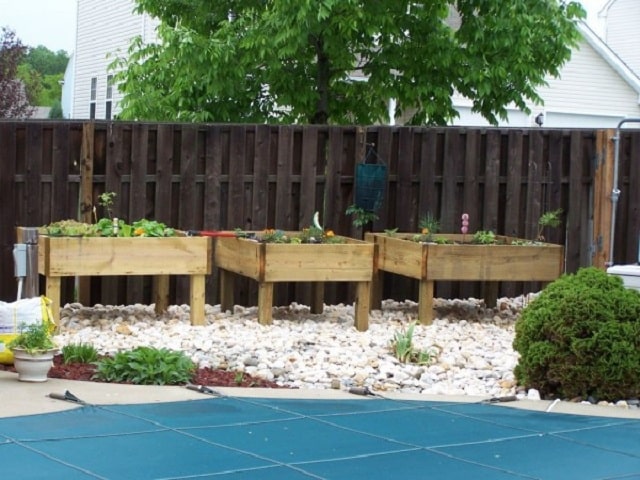
5. Raised Garden Bed on Legs
If you struggle with back pain or want a more accessible way to garden, a raised bed on legs is a fantastic option. This elevated design keeps pests away and allows you to garden without bending over.
Pro Tip: Add wheels to your raised bed on legs to make it mobile for better sun exposure throughout the day.
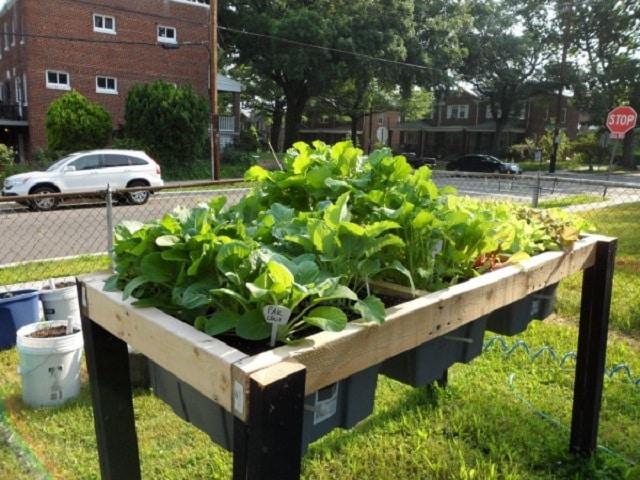
6. Self-Watering Veggie Table
A self-watering raised garden bed takes the guesswork out of watering your plants. This design includes a reservoir at the bottom that supplies water to the roots as needed, making it ideal for hot climates or busy gardeners.
Pro Tip: Use PVC pipes or repurposed containers to create a cost-effective self-watering system.
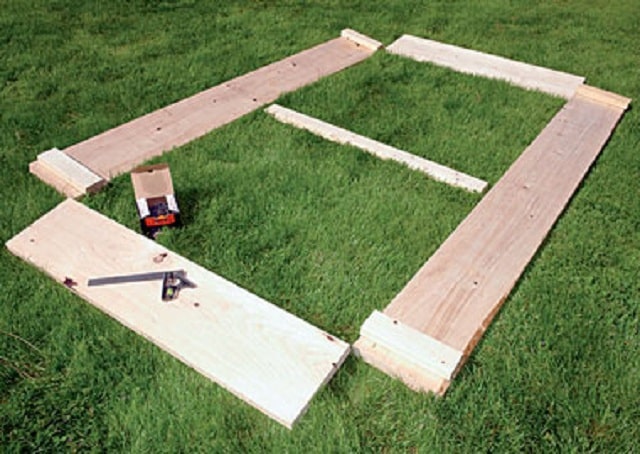
7. How to Build a Raised Bed (Step-by-Step Guide)
If you’re new to raised beds, a detailed guide on how to build one from scratch can help you avoid common mistakes. This project covers everything from choosing the right materials to assembling and filling your raised bed.
Pro Tip: Use untreated wood if you’re growing edible plants to prevent chemical leaching into your soil.
8. Easy DIY Raised Garden Beds
Short on time or budget? There are many simple DIY raised bed ideas that require minimal tools and materials. From repurposing old pallets to using cinder blocks, there are countless ways to create a raised garden bed affordably.
Pro Tip: Consider using straw bales as temporary raised beds if you’re looking for an ultra-budget-friendly option.
9. Beautiful Raised Garden Bed Designs
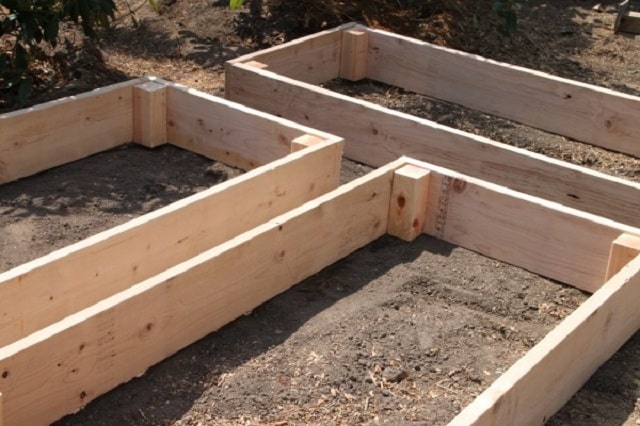
Who says a raised garden bed can’t be stylish? Design your raised beds with aesthetic appeal in mind by using stone, decorative wood, or unique shapes like hexagons and tiered levels.
Pro Tip: Add trellises or arches to create a stunning vertical garden effect.
10. Tips for a Raised-Bed Vegetable Garden
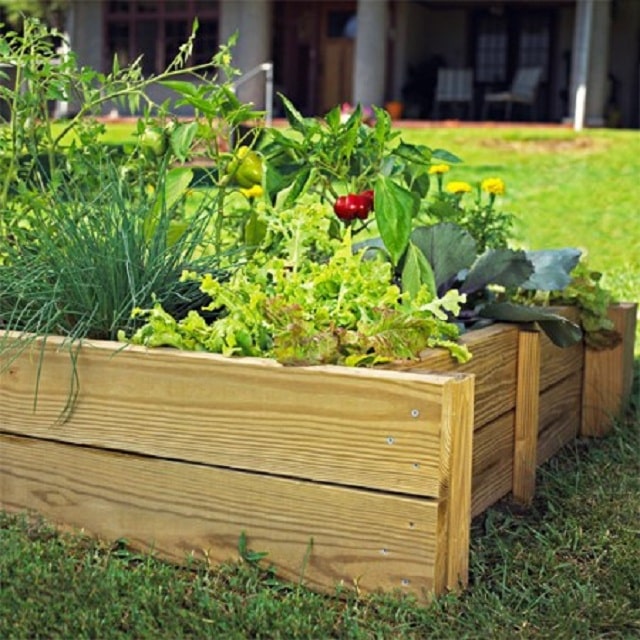
Once you’ve built your raised beds, it’s important to manage them properly. This guide offers essential tips on soil composition, watering techniques, and companion planting for a thriving vegetable garden.
Pro Tip: Avoid overcrowding your plants—proper spacing ensures healthy growth and prevents disease spread.
11. Used Tire Raised Garden
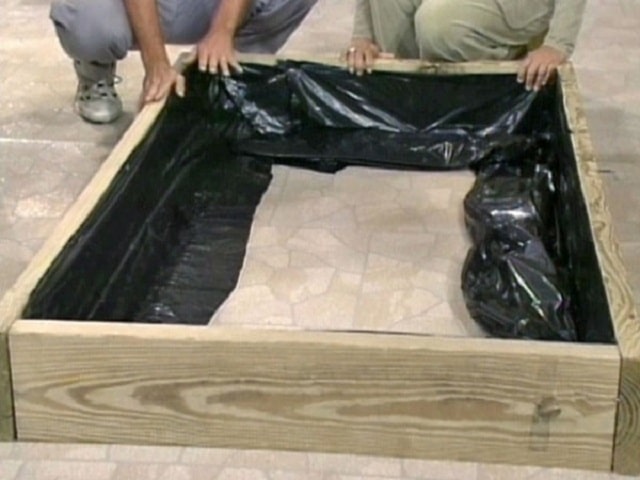
Upcycle old tires into raised garden beds for an eco-friendly gardening solution. Tires provide excellent insulation, helping plants stay warm during cooler months.
Pro Tip: If using tires for edible plants, ensure they’re non-toxic and free from chemical residues.
12. Creative DIY Raised Garden Beds
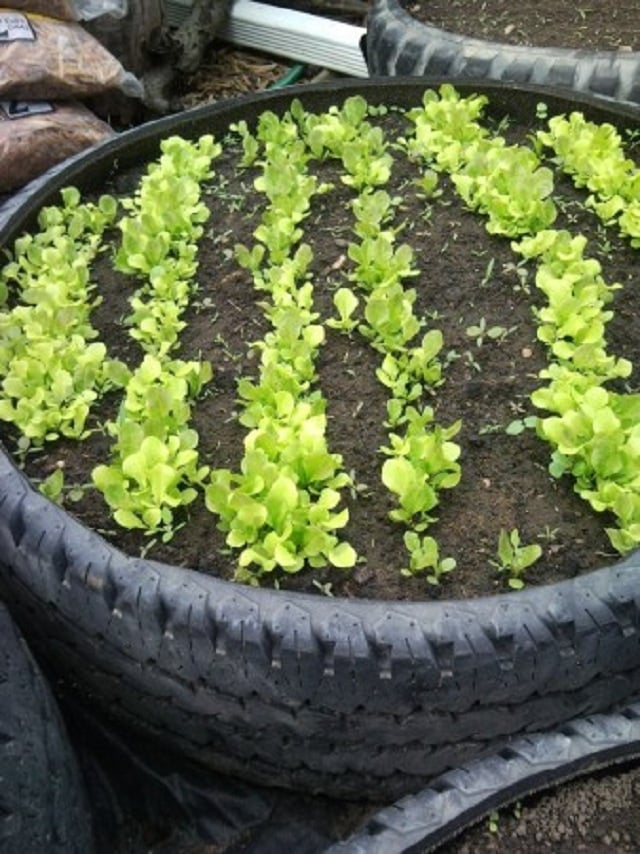
Think outside the box with unique raised bed designs! Use wine barrels, wooden crates, or old furniture like dresser drawers to create quirky, personalized planting spaces.
Pro Tip: Drill drainage holes in unconventional containers to prevent waterlogging.
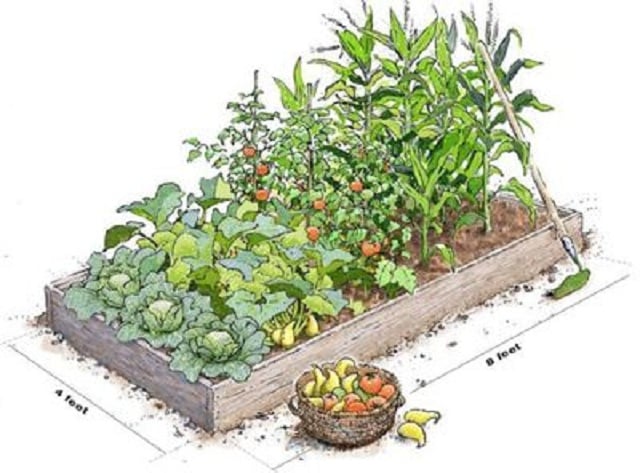
13. Raised Garden Beds for Small Spaces
Even if you have a small yard or patio, you can still enjoy the benefits of a raised garden. Consider vertical raised beds, stacked planters, or narrow beds along fences for efficient space utilization.
Pro Tip: Use square-foot gardening techniques to maximize plant growth in compact areas.
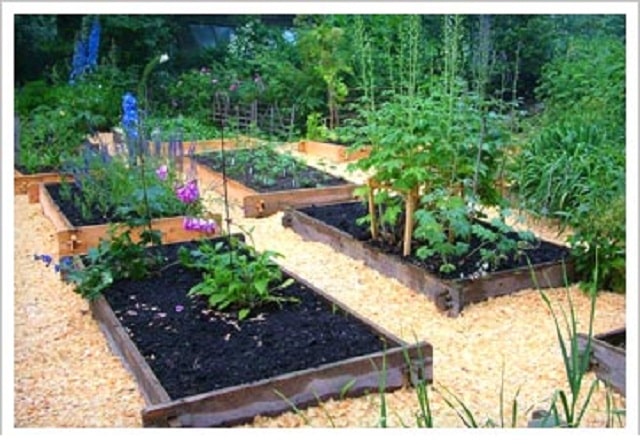
14. Make a Raised Garden Bed with Stone or Brick
For a long-lasting and durable raised bed, consider building one with stone or brick. These materials retain heat, providing a warm microclimate for plants in cooler weather.
Pro Tip: Use mortar for a more permanent structure or stack stones loosely for a rustic look.
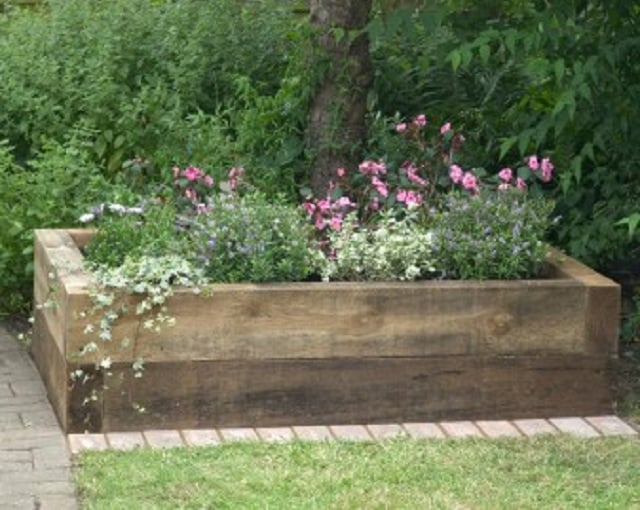
15. How to Build Raised Permaculture Garden Beds
Permaculture beds focus on sustainability by mimicking natural ecosystems. They incorporate companion planting, composting, and organic mulching for long-term soil health.
Pro Tip: Try adding hugelkultur (buried wood logs) in the base of your raised bed to improve water retention and soil fertility.
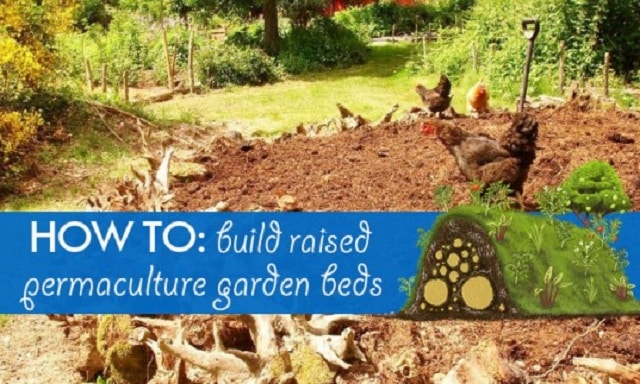
Raised garden beds offer an efficient, organized, and productive way to grow plants while minimizing common gardening challenges.
Whether you want a simple wooden frame or a fully automated self-watering bed, there’s a DIY project for every skill level and budget.