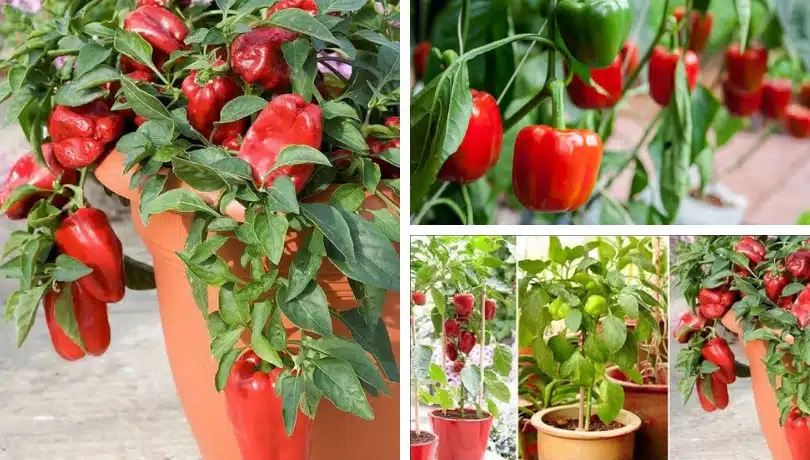
Starting a vegetable garden is one of the most fulfilling things you can do—both for your health and your peace of mind.
There’s nothing quite like walking outside and picking a basket of your own fresh tomatoes, herbs, or greens. But as exciting as gardening can be, it also comes with a steep learning curve.
When I started my first vegetable garden, I made a lot of mistakes, many of which could have been avoided with a little more knowledge and planning.
If you’re thinking of growing your own food, here are 14 important lessons I learned—things I wish someone had told me before I planted my very first seed.
1. Start Small—Smaller Than You Think
When you’re just getting started, the urge to grow everything can be overwhelming. I tried to grow a dozen different vegetables in my first season, and it quickly became unmanageable.
Start with a small, manageable plot—maybe a 4×4-foot raised bed or a few containers. Focus on 3–5 easy crops like lettuce, radishes, and cherry tomatoes.
As your confidence and skills grow, you can gradually expand your garden.
2. Sunlight Is Everything
Most vegetables need 6–8 hours of direct sunlight each day to thrive. I initially placed my garden in a partially shaded area, thinking it wouldn’t matter much. It did.
Plants like tomatoes, peppers, and squash struggled. Before planting, spend a few days observing your yard to find the sunniest spot, and remember that the sun’s angle changes with the seasons.
3. Soil Quality Matters More Than You Think
Good soil is the backbone of a healthy garden. I didn’t test or amend my soil before planting, and my plants suffered. Most vegetables prefer loose, well-drained soil rich in organic matter.
Adding compost, aged manure, or worm castings can drastically improve soil structure and nutrient content. If your soil is poor, consider raised beds filled with a custom soil mix.
4. Raised Beds Make Gardening Easier
Raised beds offer better drainage, easier weed control, and improved soil quality. They also reduce the strain on your back and knees.
After struggling with rocky soil and poor drainage in traditional garden beds, I switched to raised beds and saw instant improvements in plant health and productivity.
You can build them from untreated wood, bricks, or even repurposed materials.
5. Know Your Growing Zone
Your USDA Hardiness Zone determines which plants will thrive in your climate and when you should plant them. I planted warm-season crops too early and lost them to a late frost.
Look up your zone, understand your average last frost date, and use that information to plan your planting schedule. It’s one of the most essential steps in successful gardening.
6. Choose the Right Vegetables for Your Lifestyle
Some vegetables require daily attention—staking, pruning, watering, pest control. Others, like beans or leafy greens, are more forgiving.
I didn’t consider how much time I could commit and ended up with needy plants I couldn’t maintain. If you travel often or are new to gardening, start with low-maintenance crops like zucchini, bush beans, or kale.
7. Watering Is a Skill
Watering might seem straightforward, but there’s an art to doing it well. Overwatering can rot roots, while underwatering can stunt growth.
Most vegetables prefer deep, infrequent watering that encourages strong root development.
Water in the early morning to prevent evaporation and reduce the risk of disease. Drip irrigation or soaker hoses can make this task much easier.
8. Mulching Saves Time and Effort
I initially underestimated the power of mulch. Once I started using straw and shredded leaves as mulch, I saw a huge reduction in weeds and better moisture retention.
Mulching also protects the soil from extreme heat and prevents erosion. Organic mulches break down over time, improving soil health naturally.
9. Pests Will Find You—Be Prepared
You may think you’ll be lucky and avoid pests, but eventually, they will show up. I lost entire rows of lettuce to slugs and cabbage to worms before I learned to spot early signs.
Use row covers, hand-pick pests, and plant flowers like marigolds and nasturtiums to attract beneficial insects. Neem oil and insecticidal soaps can also help manage outbreaks naturally.
10. Plant Labels Are Not Optional
In my first garden, I thought I’d remember where everything was planted. I didn’t. Without labels, I confused kale with collards and peppers with tomatoes before they fruited.
Use weatherproof plant markers with names and planting dates to keep track of your crops. This is especially helpful when planning succession planting or rotating crops in the future.
11. Succession Planting Extends Your Harvest
I used to plant everything at once and end up with a glut of vegetables that I couldn’t use fast enough.
Now I practice succession planting—sowing new seeds every few weeks for crops like lettuce, carrots, and radishes. This gives me a continuous supply of fresh produce rather than one overwhelming harvest.
12. Not All Fertilizers Are the Same
I once used a high-nitrogen fertilizer on my tomatoes and ended up with huge plants but no fruit. Understanding the N-P-K ratio (nitrogen, phosphorus, potassium) helps you choose the right fertilizer for each crop.
Leafy greens love nitrogen, while fruiting plants need more phosphorus and potassium. Compost and organic fertilizers are great slow-release options that enrich the soil over time.
13. Companion Planting Makes a Difference
I thought companion planting was more folklore than science until I tried it. Pairing basil with tomatoes helped reduce pests, and planting marigolds near beans deterred aphids.
Companion planting improves plant health, attracts pollinators, and can even enhance flavor. Just as important—know which plants shouldn’t be grown together to avoid competition.
14. Keep a Gardening Journal
A garden journal is your best tool for improvement. I now record planting dates, weather conditions, pest issues, and yield data.
This helps me refine my strategies each year and remember what worked and what didn’t. You can use a physical notebook, a gardening app, or a simple spreadsheet.
Gardening is a journey of constant learning. Every mistake is a lesson, and every success is a reward.
While I wish I had known these tips before starting, the process of figuring things out has made me a better, more mindful gardener.
Whether you’re growing a few pots on a balcony or cultivating a backyard garden, these lessons will help you start strong and grow smarter.
If you’re just beginning your vegetable gardening journey, take heart: you’ll get better with each season. Start small, stay curious, and celebrate every harvest—no matter how big or small. Your garden will teach you more than you ever expected.