Every gardener, whether tending to a small urban patio container or managing a multi-acre countryside homestead, eventually encounters the ultimate horticultural challenge: finding plants that balance high visual appeal with absolute, rugged resilience.
All too often, we fall in love with delicate, fussy flowers at the local nursery, only to watch them wither under intense summer heatwaves, succumb to sudden dry spells, or get entirely devoured by local pests.
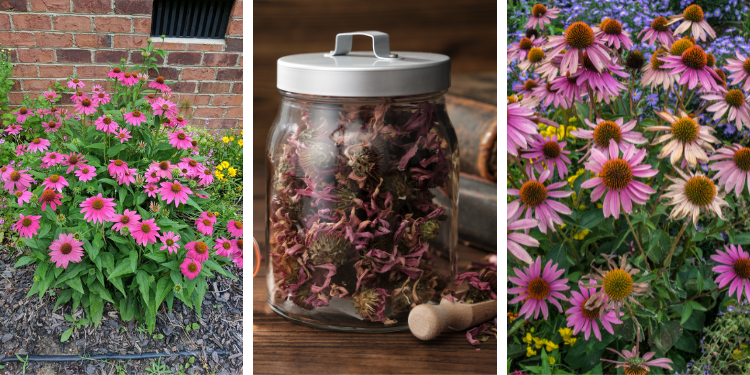
If you are tired of coddling high-maintenance plants and want to invest your time in a species that pays compounding dividends year after year, look no further than Echinacea, commonly known as the Purple Coneflower.
Native to the expansive central and eastern prairies of North America, this deeply historic, rugged perennial is far more than just a pretty face in a landscape design.
It is a biological powerhouse that anchors ecosystems, thrives on neglect, and serves as an invaluable addition to the home wellness toolkit.
1. Absolute Drought Tolerance and Climate Resilience
Once Echinacea establishes its root network in your soil, it becomes virtually bulletproof against intense summer heat and prolonged dry spells.
The plant achieves this by driving a thick, deep taproot far beneath the topsoil layer, allowing it to tap into moisture reserves that shallower bedding plants simply cannot reach.
While other flowers droop and crisp during July and August heatwaves, Echinacea stands perfectly erect, holding its blossoms high without requiring you to run expensive, water-wasting irrigation systems.
2. A Magnet for Native Pollinators and Beneficial Insects
If your goal is to create a thriving, ecologically sound backyard habitat, Echinacea is a mandatory foundation plant.
The distinct, dome-shaped central cone of the flower is actually made up of hundreds of tiny, individual fertile flowers (disc florets) that open sequentially over several weeks.
This structural layout provides a massive, easily accessible landing pad loaded with high-sugar nectar and nutrient-dense pollen.
From early summer to late autumn, your patch will hum with life, drawing in native bumblebees, honeybees, delicate hoverflies, and a spectacular array of native butterflies.
3. Natural Winter Food for Wild Goldfinches
The ecological value of Echinacea does not expire when the warm weather fades. As winter approaches, many gardeners instinctively clean up their flower beds by cutting dead flower stalks down to the ground.
By leaving your spent Echinacea seed heads standing through the cold winter months, you provide an invaluable lifeline for wild birds.
The bright orange central cones dry out into sturdy, seed-packed structures that native American Goldfinches, chickadees, and tufted titmice rely on as a premium, fat-rich food source when snow covers the ground.
4. Exceptional Longevity as a Cut Flower
For those who love bringing the beauty of the outdoors inside, Echinacea is an elite addition to the cutting garden.
The stems are naturally thick, rigid, and fibrous, easily supporting the heavy flower heads without drooping in a vase.
When harvested just as the outer petals begin to unfurl, a single stem can easily last up to 10 to 14 days in fresh water without dropping petals or turning muddy.
Even better, if you strip the ray petals entirely, the highly architectural, spiky central copper cones can be dried and integrated into long-lasting, rustic autumn floral arrangements.
5. Legendary Herbal Wellness Traditions
Echinacea has been a foundational element of North American herbal traditions for centuries, long prized by Indigenous cultures before being adopted by modern western herbalists.
The entire plant – including the leaves, large pink petals, and especially the dense, fibrous roots of Echinacea purpurea and Echinacea angustifolia – contains high concentrations of active compounds called alkamides and polysaccharides.
When harvested and prepared properly as a warm winter tea or concentrated liquid extract, it is celebrated for its ability to support and stimulate the human immune system during seasonal transitions.
| Echinacea Part | Harvest Window | Primary Active Compounds | Common Traditional Use |
| Petals & Leaves | Mid-Summer (Peak Bloom) | Flavonoids, Polysaccharides | Gentle, mineral-rich everyday herbal teas |
| Central Cone | Late Summer | Alkamides, Essential Oils | Concentrated topical infusions and rinses |
| Mature Root | Late Autumn (Year 3+) | Concentrated Alkamides | Heavy-duty seasonal immune-support tinctures |
6. Built-In Resistance to Deer and Rabbits
Few things are more frustrating than waking up to find your freshly planted perennials sheared down to the soil by hungry neighborhood deer or rabbits.
Fortunately, Echinacea possesses an evolutionary defense system that makes it highly unappealing to foraging mammals.
The leaves and stems are coated in micro-textured, coarse, sand-paper-like hairs, and the central cone is stiff and intensely prickly.
Except in cases of extreme starvation, deer and rabbits will systematically bypass your Echinacea patch in search of softer, sweeter foliage.
7. An Endless Array of Modern Color Innovations
While the classic, wild-type soft magenta pink (Echinacea purpurea) remains an absolute timeless masterpiece, modern horticultural breeding breakthroughs have unleashed a stunning explosion of diverse varieties.
Today, you can find cultivars tailored to fit any imaginable landscape color palette. Varieties like ‘Cheyenne Spirit’ offer a breathtaking mix of rich tomato red, bright coral, mustard yellow, and creamy white blossoms, while double-flowered selections look like fluffy, vibrant pom-poms that add incredible texture to a cottage-style garden border.
8. Low-Maintenance Simplicity with Zero Staking Required
Many popular, tall late-summer perennials (like delphiniums, dahlias, or tall sunflowers) require tedious, ongoing maintenance.
You have to buy expensive bamboo stakes, tie up the stems, and constantly worry that a sudden summer thunderstorm or heavy gust of wind will snap the top-heavy plants in half.
Echinacea is structurally self-sufficient. Its stems are engineered with a hollow, lightweight yet highly rigid design that sways gracefully with high winds without buckling, completely eliminating staking from your garden chore list.
9. Incredible Adaptability to Challenging Soils
You do not need perfect, organically rich loam to successfully grow this plant. In fact, Echinacea actually prefers soils that are relatively lean, sandy, or rocky.
Over-fertilizing or planting it in highly rich, nitrogen-packed soil will backfire, causing the plant to produce massive amounts of floppy, weak green leaves at the expense of flower production.
It adapts beautifully to poor soils, making it an ideal choice for planting along tough, nutrient-starved slopes, sunny roadsides, or forgotten corners of your property.
10. Seamless Integration into Any Garden Aesthetic
Whether your home features a clean, minimalist contemporary architectural style, a sprawling rural homestead layout, or a casual, romantic English cottage design, Echinacea fits in effortlessly.
Its structured, geometric silhouette bridges the gap between different design themes. It anchors formal perennial borders with reliable structure, drifts beautifully through informal native prairie restorations, and even thrives when grown in large, deep fabric grow bags or ceramic pots on a sunny sunroom patio.
11. Effortless Self-Seeding for Free Plants
Echinacea is an investment that keeps on giving. If you opt not to deadhead the spent blossoms in late autumn and instead allow the seed cones to break apart naturally over the winter, the plant will gently self-sow throughout the surrounding soil.
Come springtime, you will discover dozens of tiny, robust volunteer seedlings popping up around the mother plant.
These young starts can be easily dug up with a hand trowel and transplanted into other bare areas of your garden, or gifted to friends and neighbors at zero cost to you.
12. Unmatched Seasonal Bloom Endurance
Many popular spring bulbs and early perennials burst onto the scene with great fanfare, only to drop their petals and vanish completely after a brief two-week performance. Echinacea is built for the long haul.
A single healthy plant starts pushing up flower buds in early summer and continues unfurling fresh blossoms all the way through to the very first hard frost of autumn.
This monumental flowering window guarantees your landscape remains packed with vibrant color and vital ecological activity for months on end.
How to Get Started: The Perfect Planting Guide
To guarantee your new perennials settle in flawlessly and reach their full multi-year potential, follow this simple planting layout:
A Quick Guide to Dividing: Every three to four years, your main Echinacea clumps may become highly crowded, leading to slightly smaller flowers. Simply slice down through the center of the root clump with a sharp spade in early spring just as new growth emerges, pull the halves apart, and replant them to instantly double your patch.
If this article inspired you to grow echinacea in your own garden, the Medicinal Garden Kit is a wonderful place to begin.
Inside you’ll find 2,409 non-GMO seeds, a detailed Herbal Medicinal Guide, and 2 FREE bonuses to help you grow a wide variety of traditional medicinal herbs with confidence. Echinacea is just one of many remarkable plants included in the collection.
If you’re ready to grow your own backyard pharmacy, take a look at the Medicinal Garden Kit.