Few herbs match the invigorating, multi-sensory experience of a healthy peppermint plant (Mentha x piperita).
With its crisp, cooling aroma, rich emerald-green leaves, and versatile applications, it is a plant that immediately earns its keep in any home landscape.
However, if you mention planting peppermint to an experienced gardener, you will likely see a look of immediate concern.
Left to its own devices in an open garden bed, peppermint behaves like an unstoppable green wave.
It spreads via aggressive underground rhizomes and above-ground runners (stolons) that rapidly choke out neighboring vegetables, overwhelm delicate flowers, and claim absolute ownership of your soil.
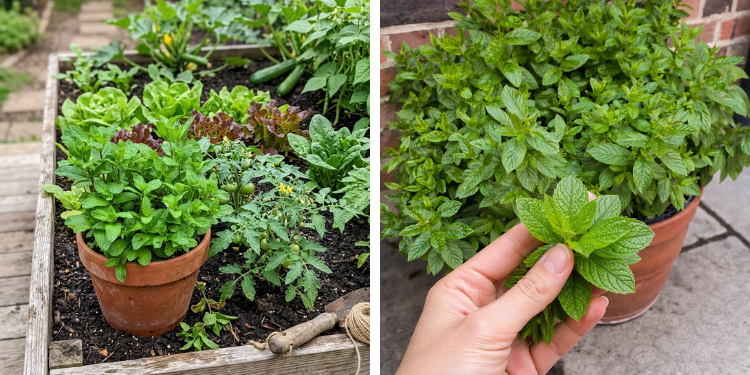
The solution to this botanical dilemma is elegant and simple: plant your peppermint in an isolated garden pot.
Container gardening tames this wild, prolific plant, transforming an invasive threat into your most valuable domestic asset.
Here are 12 practical, strategic reasons why you should plant peppermint in a dedicated container this week.
1. Absolute Invasive Containment
The most compelling reason to pot your peppermint is absolute boundary control. Peppermint rhizomes are incredibly opportunistic; they can travel several feet beneath the surface of a garden bed undetected, popping up in the middle of your pristine tomato patch or strawberry rows.
By confining the root system within the physical plastic, ceramic, or fabric walls of a pot, you enjoy the plant’s incredible production value without sacrificing the rest of your garden footprint.
2. An Organic Barrier Against Destructive Ants
Peppermint contains high concentrations of menthone and limonene, volatile essential oils that act as intense natural deterrents to trailing ants.
Ants rely heavily on delicate pheromone trails to navigate and coordinate foraging lines. The pungent scent of peppermint completely masks these chemical trails, confusing the scouts.
Placing a potted peppermint right at the base of your raised beds or next to vulnerable crops like peonies will disrupt ant traffic naturally.
3. Natural Protection for Your Patio Seating
Nothing ruins a relaxing summer evening on the back deck faster than a cloud of mosquitoes or biting gnats. While synthetic chemical sprays work, they are less than pleasant to sit in.
Mosquitoes hunt primarily by detecting the carbon dioxide and heat emitted by human skin. The strong, refreshing essential oils evaporating off a warm peppermint plant overload the insect’s sensory organs, making it difficult for them to track targets.
Position your pots directly around patio chairs, hammocks, or outdoor dining tables to create an aromatic shield.
4. Mobile Pest Protection for Vulnerable Veggies
One of the greatest advantages of container gardening is mobility. Throughout the summer, different sections of your vegetable garden will face shifting pest pressures.
Brassicas (like kale and cabbage) are plagued by cabbage moths, while tomatoes face hornworms. Because your peppermint is potted, you can lift it up and place it directly next to whatever crop is currently under attack.
The intense mint scent confuses searching pests, making it difficult for them to locate their preferred host plants.
5. A Safe, Sustainable Rodent Deterrent
Mice, rats, and voles possess incredibly sensitive olfactory systems that help them locate food and navigate dark spaces.
The sharp, menthol-heavy aroma of peppermint is highly distressing and overwhelming to these small animals.
By placing potted peppermint near greenhouse doors, garden shed entryways, crawlspace vents, or compost bins, you create a natural, completely non-toxic deterrent barrier that keeps rodents away without the use of dangerous traps or chemical baits.
6. Easy Management of Aggressive Runners
Even inside a pot, peppermint will try to escape. It sends out long, trailing green runners over the sides of the container that look beautiful but will take root the second they touch bare earth.
When your plant is in a pot, managing this behavior is effortless. Every few weeks, simply take a pair of garden shears and snip the overhanging runners back.
This quick task takes less than a minute and keeps the plant perfectly mannered.
7. Simple Overwintering and Year-Round Harvests
Peppermint is a incredibly cold-hardy perennial, but in northern winter climates, it will go dormant and drop its leaves when grown in the ground.
A potted peppermint plant offers a simple workaround. As late autumn frosts approach, you can move your pot indoors onto a bright, south-facing kitchen windowsill.
The ambient indoor warmth allows the plant to continue producing tender, flavorful green leaves all winter long, ensuring a steady supply for winter teas and holiday baking.
8. Optimal Moisture Control Without Root Rot
Peppermint loves consistent moisture, but it completely despises sitting in stagnant, waterlogged soil, which quickly rots its fine root system.
Controlling this delicate moisture balance can be incredibly difficult in heavy, slow-draining clay garden beds. A pot allows you to use a premium, free-draining potting soil mix amended with perlite and peat moss.
This setup ensures that excess water drains away cleanly from the bottom drainage holes while retaining just the right amount of ambient moisture.
9. Immediate Access to Fresh Culinary Herbs
When you are in the middle of cooking a meal or mixing a refreshing summer beverage, you don’t want to hike down to the far corner of a large garden plot just to gather a few leaves.
Keeping a dedicated pot of peppermint resting right outside your back door, on a kitchen balcony, or on a window ledge makes harvesting fast and convenient. It bridges the gap between your outdoor garden and your daily kitchen routine.
10. Rapid Bio-Mass Production for Rich Mulch
Peppermint grows at an astonishing rate. A single healthy pot can be aggressively sheared down every few weeks, and it will bounce back thicker than before.
These discarded green prunings are incredibly valuable. You can shred them and use them as a highly aromatic green mulch around your indoor potted houseplants or container tomatoes.
As the chopped mint leaves dry out under the sun, they continue to release subtle pest-repelling volatile oils while feeding nitrogen back into the soil.
11. Safe Foraging for Pollinators Later in the Season
If you allow your container peppermint to flower in the late summer, it sends up elegant spikes of tiny, nectar-rich purple blossoms.
These flowers are highly attractive to a wide array of tiny beneficial pollinators, including honeybees, native sweat bees, and hoverflies.
Because the plant is confined to a pot, you can allow it to flower safely without worrying about it self-seeding aggressively across your main garden beds.
12. Complete Elimination of Soil-Borne Disease Spread
Peppermint can occasionally fall victim to Verticillium wilt, a stubborn fungal pathogen that lives in the soil and causes leaves to yellow, curl, and die.
If this fungus gets into an open garden bed, it can persist for years, infecting neighboring crops like peppers, eggplants, and potatoes.
Growing your mint in a clean pot using bagged potting soil completely isolates the plant from endemic garden pathogens, keeping it healthy and disease-free.
The Potting Sequence: Set Up for Long-Term Success
To ensure your potted peppermint remains lush, healthy, and perfectly contained for years to come, avoid simply scooping dirt from your yard into an old container.
Follow this strategic sequence to build the ultimate container home for your mint:
Harvesting for a Busbier Plant
To keep your potted peppermint from becoming stringy or leggy, you must harvest it correctly. Peppermint responds beautifully to regular pruning.
Never just pluck individual leaves off the plant. Instead, use a sharp pair of micro-tip pruners to cut an entire stem back, making the slice right above a fresh leaf pair.
This structural cut breaks the plant’s apical dominance, forcing it to send out two brand-new side branches from that node. Regular, strategic harvesting turns a single stringy stem into a dense, bushy mound of continuous green color.
By taking a few minutes to plant your peppermint in a dedicated container this week, you completely defuse its invasive nature.