A good night’s sleep is essential for your physical health, mental well-being, and overall quality of life. Yet millions of people struggle with insomnia, poor sleep quality, and sleep-related issues every night.
While lifestyle changes, meditation, and avoiding screens before bedtime can help, many overlook one powerful, natural solution—houseplants.
That’s right—adding the right plants to your bedroom can dramatically improve your sleep environment.
Certain houseplants not only enhance air quality, but also calm the nervous system, release oxygen at night, and even emit relaxing fragrances proven to support better sleep.
If you’re searching for a natural way to enhance restfulness and treat insomnia, here are 12 of the best bedroom plants for sleep that can help you drift off easier and wake up feeling more refreshed.
Why Use Plants to Improve Sleep?
Plants contribute to better sleep by:
- Purifying the air and removing toxins like benzene and formaldehyde
- Increasing oxygen levels (especially at night for select species)
- Boosting humidity, which eases dry skin, sinuses, and breathing
- Releasing calming fragrances, such as lavender and jasmine
- Reducing stress, anxiety, and tension through visual and olfactory stimulation
In short, the right plants can create a serene, health-supporting atmosphere ideal for deep rest.
1. Lavender (Lavandula)
Lavender is perhaps the most well-known plant for promoting relaxation and sleep. Studies show that the scent of lavender reduces heart rate, blood pressure, and stress hormones. It has been proven to improve sleep quality, especially in people with insomnia and anxiety.
- Best Feature: Strong sleep-inducing scent
- Light Needs: Full sun or bright indoor light
- Water: Moderate; let soil dry slightly between watering
- Bonus: Can help reduce restlessness in babies and adults alike
Place a small pot of lavender near your bed or use dried sachets under your pillow for full effect.
2. Jasmine (Jasminum)
Jasmine flowers have a delicate, sweet fragrance that can act as a mild sedative. Inhaling its scent can help lower anxiety, improve mood, and lead to deeper, more restful sleep. Jasmine is frequently used in aromatherapy for treating nervous tension and sleep disturbances.
- Best Feature: Naturally calming aroma
- Light Needs: Bright, indirect sunlight
- Water: Regularly, but don’t let roots sit in water
- Style Tip: Grow in a hanging basket or small pot near a window
3. Snake Plant (Sansevieria trifasciata)
Also called Mother-in-Law’s Tongue, the snake plant is one of the few plants that release oxygen at night, making it ideal for your bedroom. It also filters harmful toxins like formaldehyde and benzene, improving indoor air quality.
- Best Feature: Nighttime oxygen release
- Light Needs: Low to bright indirect light
- Water: Let soil dry between waterings
- Bonus: Virtually impossible to kill—perfect for beginners
4. Aloe Vera
Like the snake plant, aloe vera emits oxygen at night, helping you breathe easier and sleep better. It’s also a natural air purifier and has medicinal uses—keep one in your bedroom and use the gel for burns or skin irritations.
- Best Feature: Air-purifying and healing properties
- Light Needs: Bright, indirect sunlight
- Water: Water deeply but infrequently
- Note: Prefers a warm environment
5. Valerian (Valeriana officinalis)
Valerian is a flowering plant that has long been used as a natural remedy for insomnia and anxiety. Its roots are often used in sleep aids, but the sweet-smelling flowers also have relaxing effects.
- Best Feature: Natural sleep aid
- Light Needs: Full sun
- Water: Keep soil consistently moist
- Note: Best grown in a pot near a sunny bedroom window
You can also dry valerian root and use it to make tea.
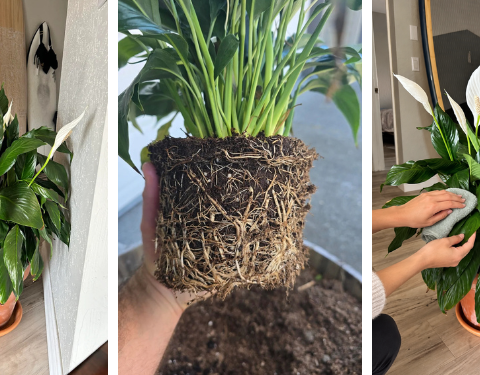
6. Peace Lily (Spathiphyllum)
Peace lilies not only look elegant, but they also work as powerful air purifiers, removing toxins and improving indoor humidity levels. Increased humidity helps ease dry airways, which can lead to better sleep—especially for snorers or allergy sufferers.
- Best Feature: Natural air purifier and humidity booster
- Light Needs: Low to medium indirect light
- Water: Keep soil moist, but not soggy
- Warning: Toxic to pets if ingested
7. Gardenia (Gardenia jasminoides)
Gardenia offers beautiful white blooms and a rich, heady fragrance that can rival jasmine. Studies suggest that gardenia’s scent is as effective as valium for calming the nervous system and inducing sleep.
- Best Feature: Sedative floral fragrance
- Light Needs: Bright, indirect light
- Water: Keep soil evenly moist
- Tip: Ideal for experienced plant parents due to specific care needs
8. Golden Pothos (Epipremnum aureum)
Golden pothos is an excellent air-purifying plant and is known for being easy to grow. Its lush, trailing vines are perfect for hanging planters or high shelves.
- Best Feature: Removes indoor air toxins
- Light Needs: Low to bright indirect light
- Water: Allow the soil to dry out between watering
- Benefit: Improves air quality for deeper sleep
9. Chamomile (Matricaria chamomilla)
Best known for its use in calming teas, chamomile flowers can also be grown indoors and produce a subtle apple-like fragrance. It has mild sedative effects and is often used to treat insomnia, anxiety, and restlessness.
- Best Feature: Calming properties and sleep support
- Light Needs: Full sun
- Water: Moderate; avoid overwatering
- Bonus: Flowers can be dried and used for herbal tea
10. English Ivy (Hedera helix)
English ivy is a fast-growing trailing plant that improves air quality and reduces airborne mold spores—a common cause of poor sleep, allergies, and asthma.
- Best Feature: Removes mold from indoor air
- Light Needs: Bright, indirect light
- Water: Keep soil slightly moist
- Warning: Toxic to pets if ingested
Perfect for hanging near a window or placing on a high shelf.
11. Bamboo Palm (Chamaedorea seifrizii)
Bamboo palms bring a tropical vibe to your bedroom and help remove pollutants from the air. They’re also natural humidifiers, which can reduce nighttime dryness in your throat and nose.
- Best Feature: Natural air purification and humidity boost
- Light Needs: Indirect light
- Water: Keep soil moist but not soggy
- Tip: Add to a corner or use as a floor plant
12. Spider Plant (Chlorophytum comosum)
This low-maintenance, air-purifying plant is excellent for bedrooms. Spider plants help reduce airborne pollutants and increase indoor humidity, creating a more breathable environment for restful sleep.
- Best Feature: Easy to grow and propagate
- Light Needs: Indirect light
- Water: Water when top inch of soil is dry
- Bonus: Safe for pets and kids
Tips for Using Plants to Improve Sleep
To get the most out of your sleep-enhancing plants, follow these tips:
- Avoid overwatering – Most houseplants don’t like soggy soil.
- Clean the leaves – Dust can block photosynthesis and reduce air-purifying effects.
- Use the right containers – Choose pots with drainage holes.
- Don’t overcrowd – Leave space for airflow and light.
- Supplement with grow lights if your bedroom lacks natural sunlight.
When it comes to improving your sleep naturally, your environment matters.
Adding these 12 plants to your bedroom is a simple, affordable, and beautiful way to boost relaxation, ease anxiety, filter your air, and promote deeper, more restorative sleep.
Whether you’re struggling with insomnia or just want to enhance your bedroom sanctuary, these plants offer a green, therapeutic solution you can literally breathe in.