Most gardeners view weeds as unwanted invaders, tirelessly pulling, mowing, or spraying them away.
However, many common weeds are actually packed with nutrients, antioxidants, and medicinal properties. Instead of discarding them, it’s time to take a closer look at these wild plants growing right in your backyard.
Some of these “weeds” can boost your immune system, aid digestion, support heart health, and even provide a sustainable food source.
Here’s a detailed guide to 12 wild edible and medicinal plants you might already have in your garden.
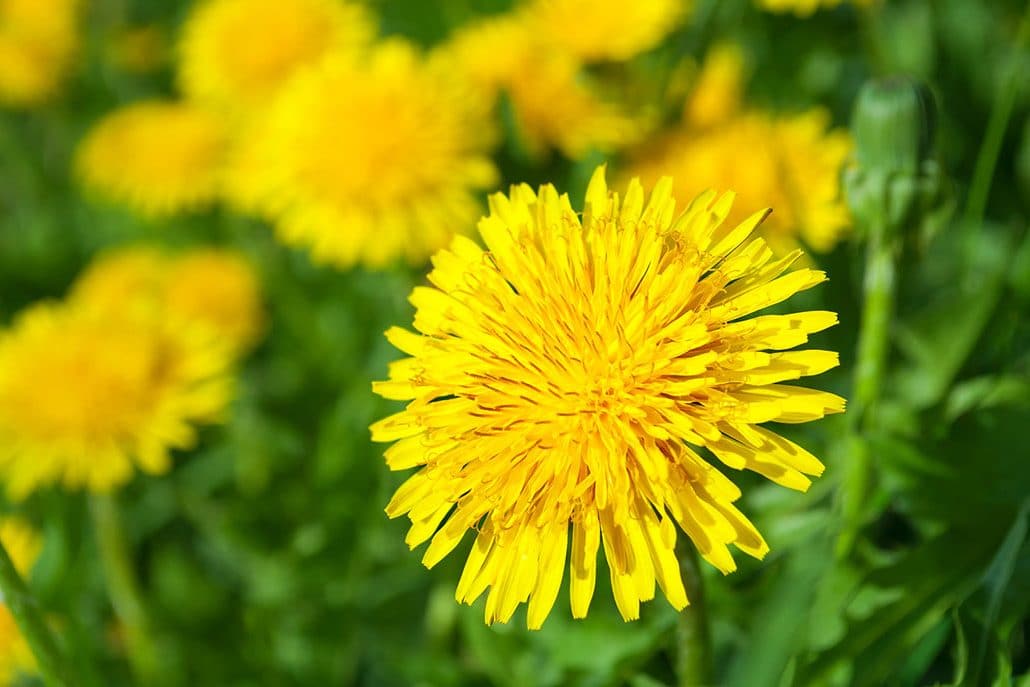
1. Dandelion (Taraxacum officinale) – A Nutritional Powerhouse
Why You Should Keep It:
- Loaded with vitamins and minerals – High in vitamins A, B, C, and D, plus potassium, iron, and zinc.
- Medicinal uses – Supports liver health, digestion, and kidney function.
- Entire plant is edible – Use leaves in salads, roots for tea, and flowers for garnish or wine.
How to Use:
- Add young dandelion leaves to salads or sauté them with garlic.
- Roast the roots and brew them into a coffee substitute.
- Make a dandelion tea to help with detoxification.
Fun Fact: Dandelion leaves have more beta-carotene than carrots, making them excellent for eye health.
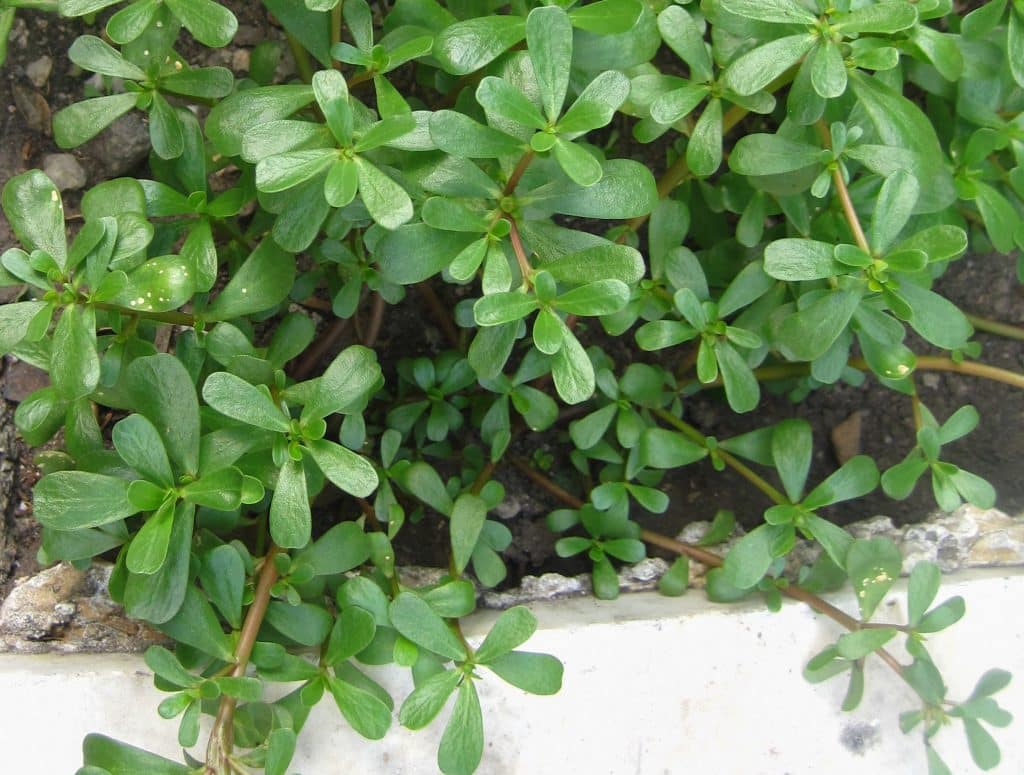
2. Purslane (Portulaca oleracea) – The Omega-3 Green
Why You Should Keep It:
- Rich in omega-3 fatty acids, rare in plant sources.
- Packed with antioxidants, including vitamins A, C, and E.
- Deliciously tangy and slightly sour taste.
How to Use:
- Eat raw in salads or sandwiches for a citrusy crunch.
- Add to stir-fries or soups for a thickening effect.
- Blend into green smoothies for a nutrition boost.
Fun Fact: Purslane has more omega-3 than spinach and kale, making it great for brain health and inflammation.
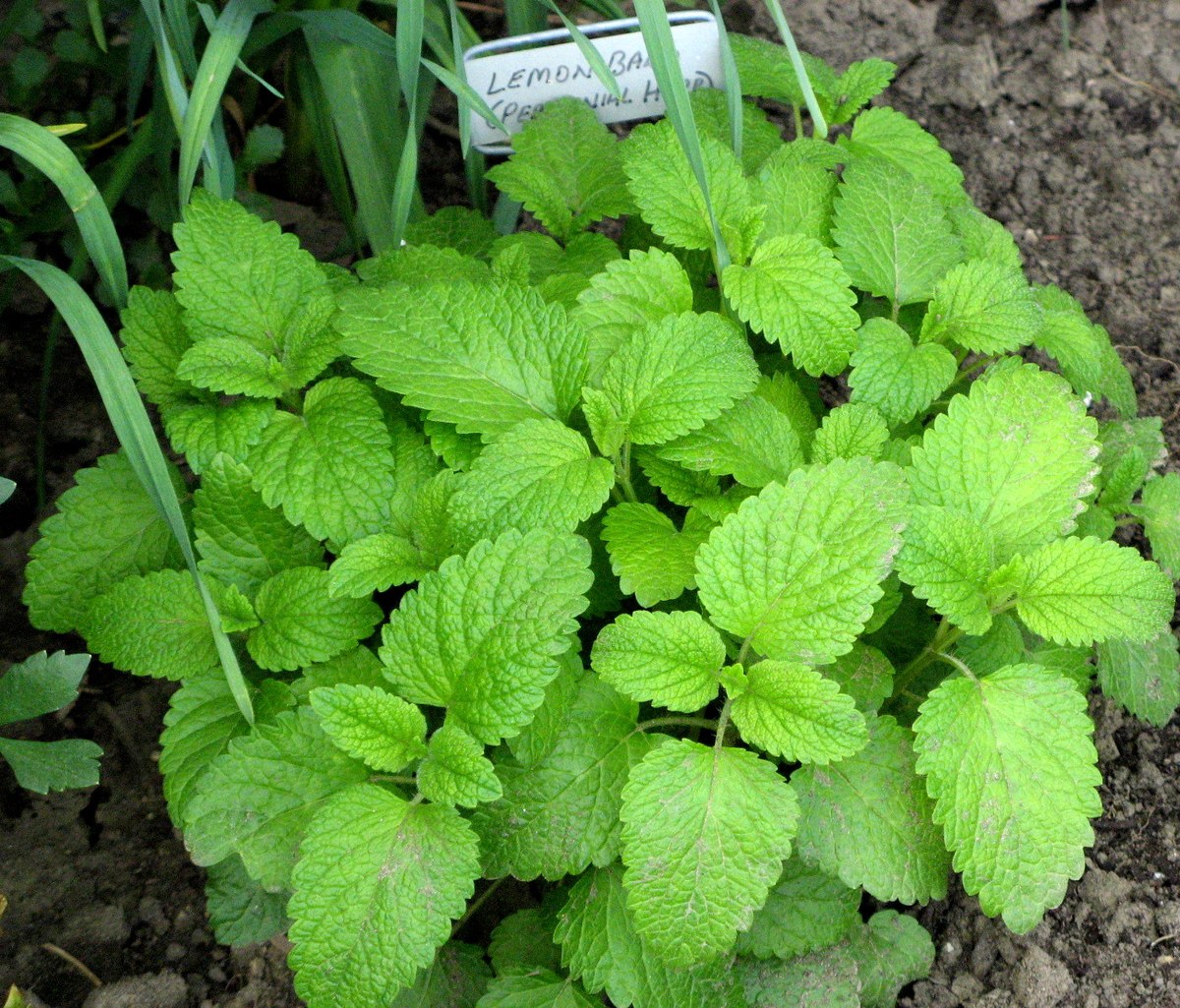
3. Lemon Balm (Melissa officinalis) – The Calming Herb
Why You Should Keep It:
- Known for its relaxing properties – Helps with anxiety, stress, and digestion.
- Antiviral effects – Traditionally used for cold sores and minor infections.
- Easy to grow – Thrives in shady and sunny spots.
How to Use:
- Make lemon balm tea to relieve stress and improve sleep.
- Add chopped fresh leaves to salads, seafood dishes, or lemonade.
- Dry and store leaves for year-round herbal infusions.
Caution: Lemon balm may affect thyroid function, so use in moderation if you have thyroid concerns.
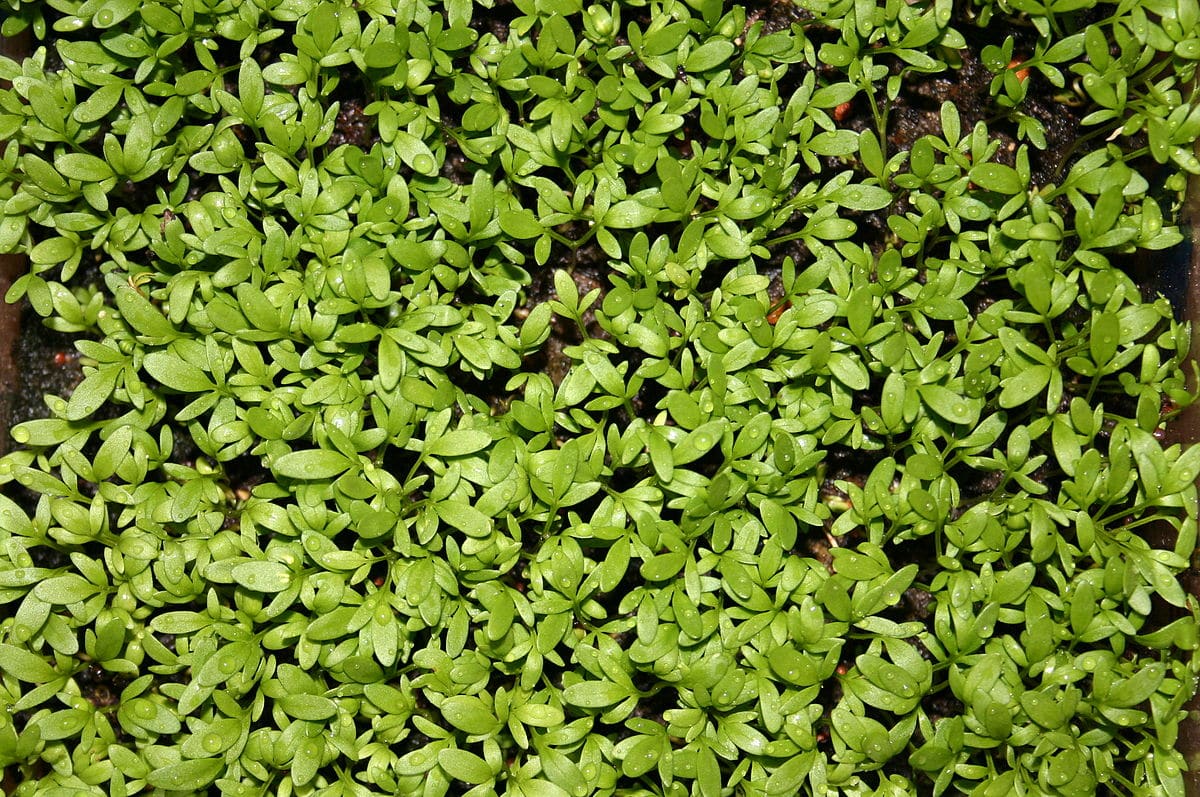
4. Garden Cress (Lepidium sativum) – The Peppery Green
Why You Should Keep It:
- Peppery flavor, similar to arugula.
- High in vitamin C and carotenoids.
- Helps digestion and detoxification.
How to Use:
- Use as a topping for sandwiches and soups.
- Blend into salads and dressings for extra spice.
- Mix with hummus or dips for added nutrition.
Fun Fact: Garden cress is used in traditional medicine for respiratory and digestive issues.
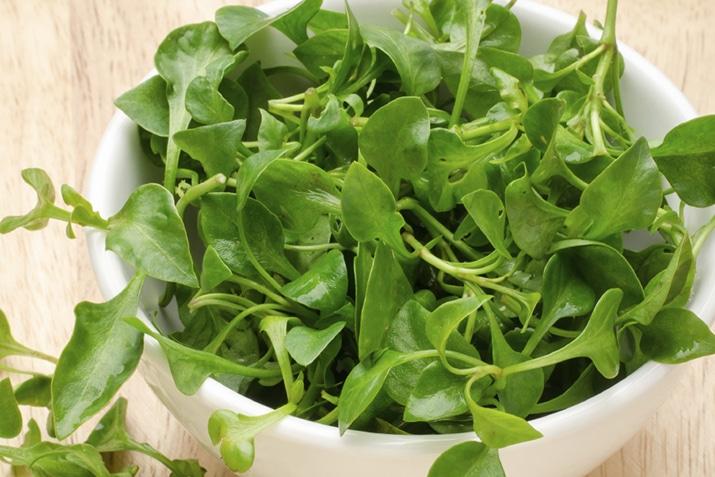
5. Watercress (Nasturtium officinale) – The Super Green
Why You Should Keep It:
- High in vitamins A, C, and folate.
- Supports immune health and detoxification.
- Grows abundantly near ponds and wet areas.
How to Use:
- Add raw watercress to salads and sandwiches.
- Stir-fry with garlic and sesame oil for a quick side dish.
- Blend into soups and green juices for extra nutrients.
Fun Fact: Watercress is one of the most nutrient-dense vegetables, often ranked higher than kale.
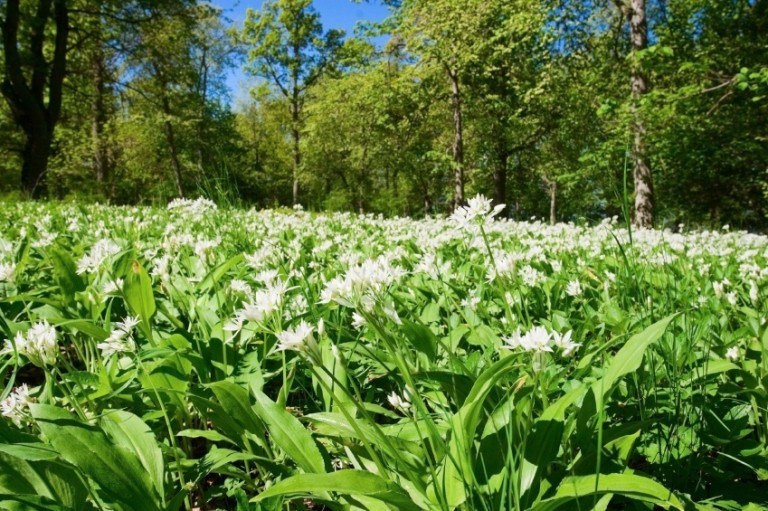
6. Wild Garlic (Allium ursinum) – Nature’s Antibiotic
Why You Should Keep It:
- Strong antibacterial, antifungal, and antiviral properties.
- Can lower blood pressure naturally.
- Mild garlic flavor, making it great for culinary use.
How to Use:
- Make wild garlic pesto or add to pasta dishes.
- Use fresh leaves as a garlic substitute in salads.
- Infuse in oil or vinegar for a flavored dressing.
Fun Fact: Wild garlic is considered more effective than cultivated garlic for lowering blood pressure.
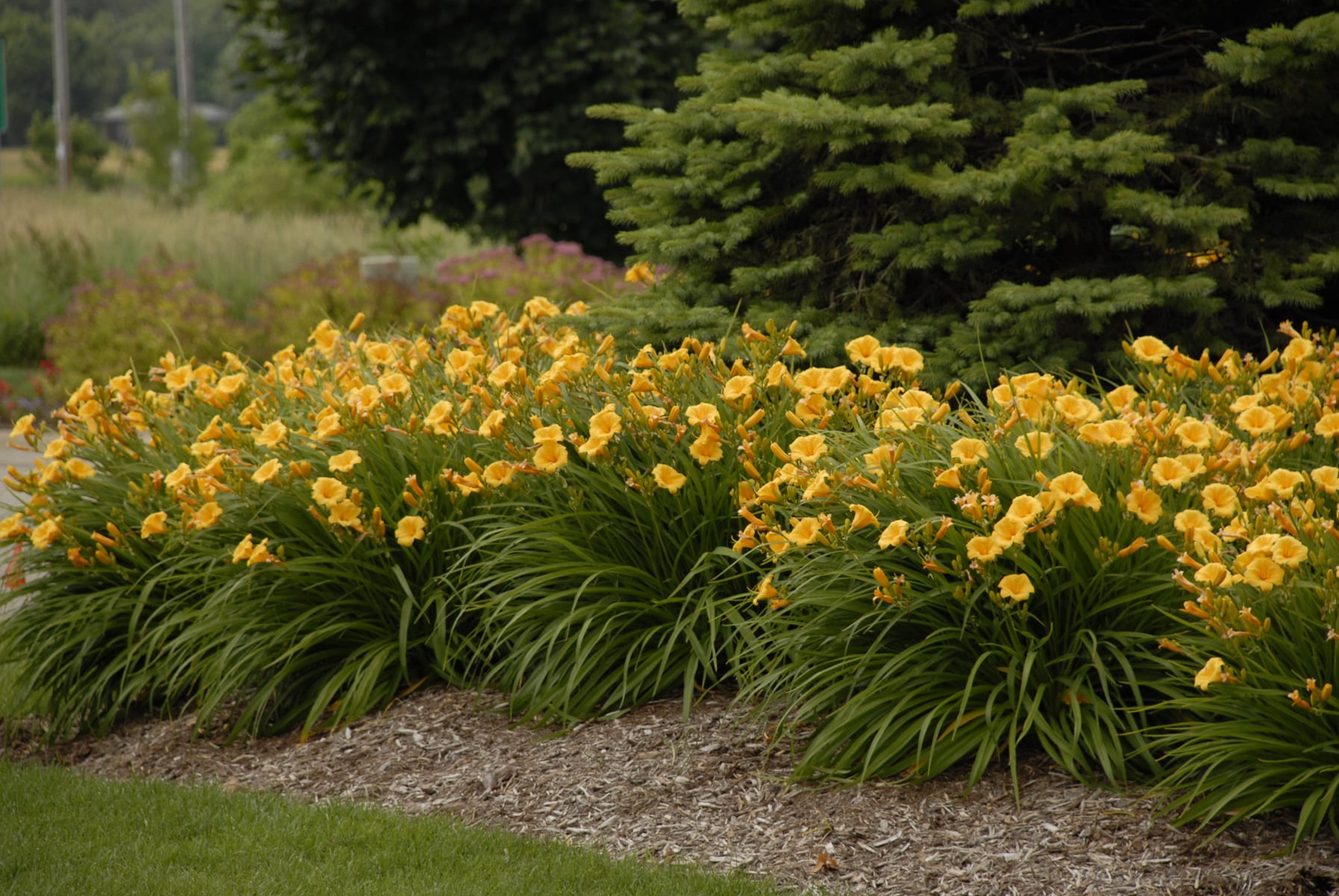
7. Daylilies (Hemerocallis fulva) – The Edible Flower
Why You Should Keep It:
- Edible flowers, shoots, and roots.
- Common in traditional Chinese cuisine.
- Mild, sweet flavor.
How to Use:
- Use flower buds in stir-fries or deep fry them.
- Add petals to salads for a burst of color.
- Boil the roots like potatoes.
Fun Fact: Daylily flowers are rich in antioxidants and have anti-inflammatory properties.
8. Garlic Mustard (Alliaria petiolata) – The Wild Detoxifier
Why You Should Keep It:
- High in vitamins A and C.
- Supports heart health and cholesterol balance.
- Used for centuries as a medicinal herb.
How to Use:
- Mix into mashed potatoes for a unique flavor.
- Blend with butter or oil for a herbed spread.
- Toss into soups or pesto for an added garlic punch.
Fun Fact: Once considered a weed, garlic mustard is now a prized culinary and medicinal herb.

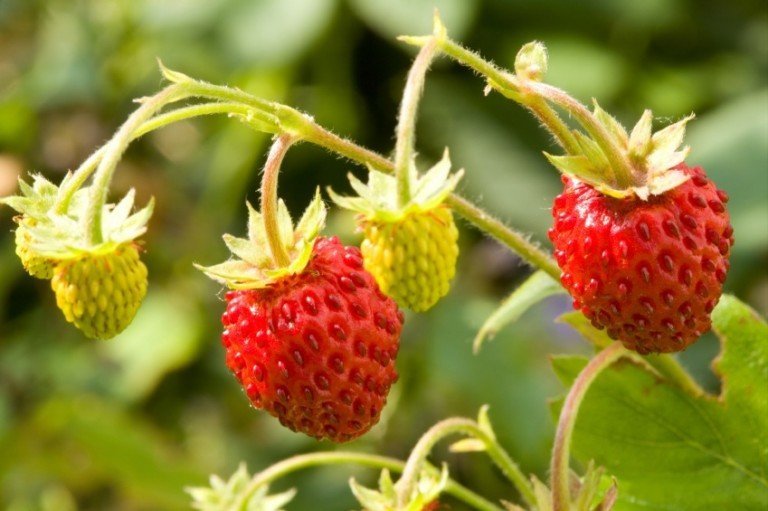
9. Wild Strawberry (Fragaria vesca) – The Superfruit
Why You Should Keep It:
- More flavorful than cultivated strawberries.
- High in vitamin C and antioxidants.
- Leaves support kidney and liver function.
How to Use:
- Eat fresh berries or dry them for tea.
- Brew wild strawberry leaf tea for digestion.
- Make homemade jams and jellies.
Fun Fact: Wild strawberries help remove tartar from teeth naturally.
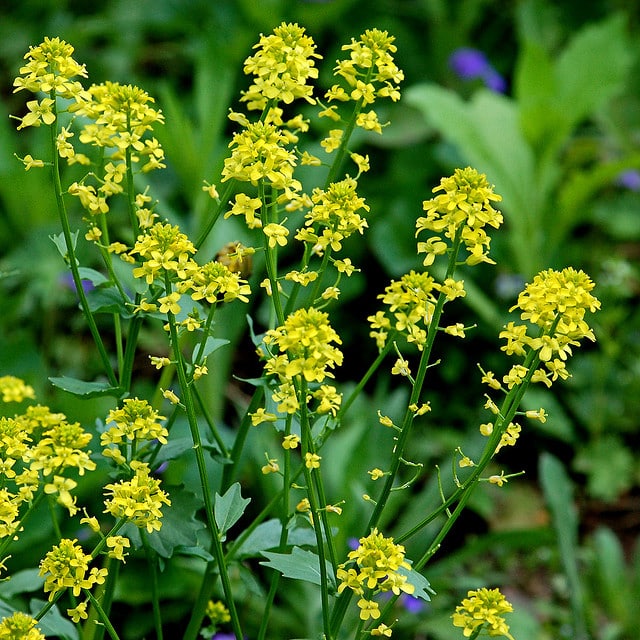
10. Yellow Rocket (Barbarea vulgaris) – The Vitamin C Booster
Why You Should Keep It:
- Rich in vitamin C and minerals.
- Edible flowers and leaves.
- Used as a natural wound healer.
How to Use:
- Eat young leaves raw in salads.
- Sauté like spinach with garlic.
- Apply a poultice for minor cuts and wounds.
Fun Fact: Also called winter cress, it’s one of the first edible greens in spring.
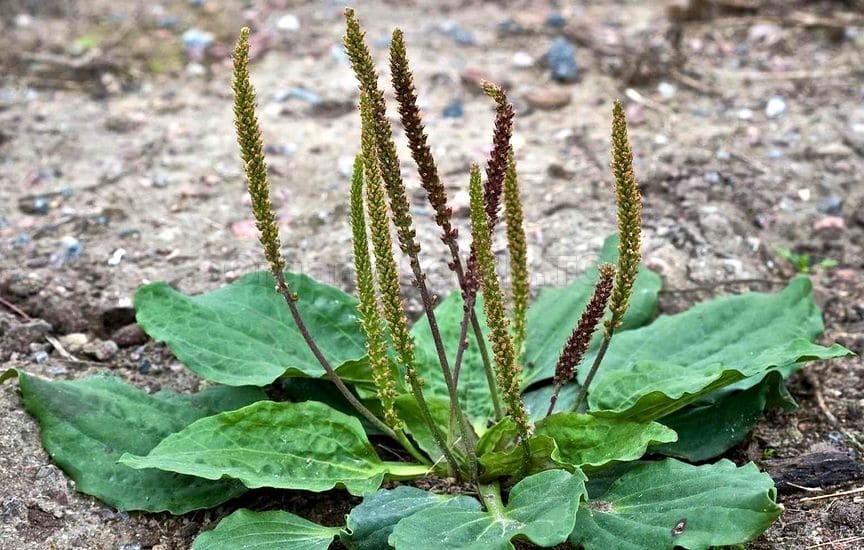
11. Plantain (Plantago major) – The Skin Healer
Why You Should Keep It:
- Used for centuries to heal wounds and burns.
- Rich in vitamin A and B-complex vitamins.
- Anti-inflammatory properties.
How to Use:
- Apply crushed leaves to burns, insect bites, and rashes.
- Eat young leaves in salads.
- Brew plantain tea for sore throats and colds.
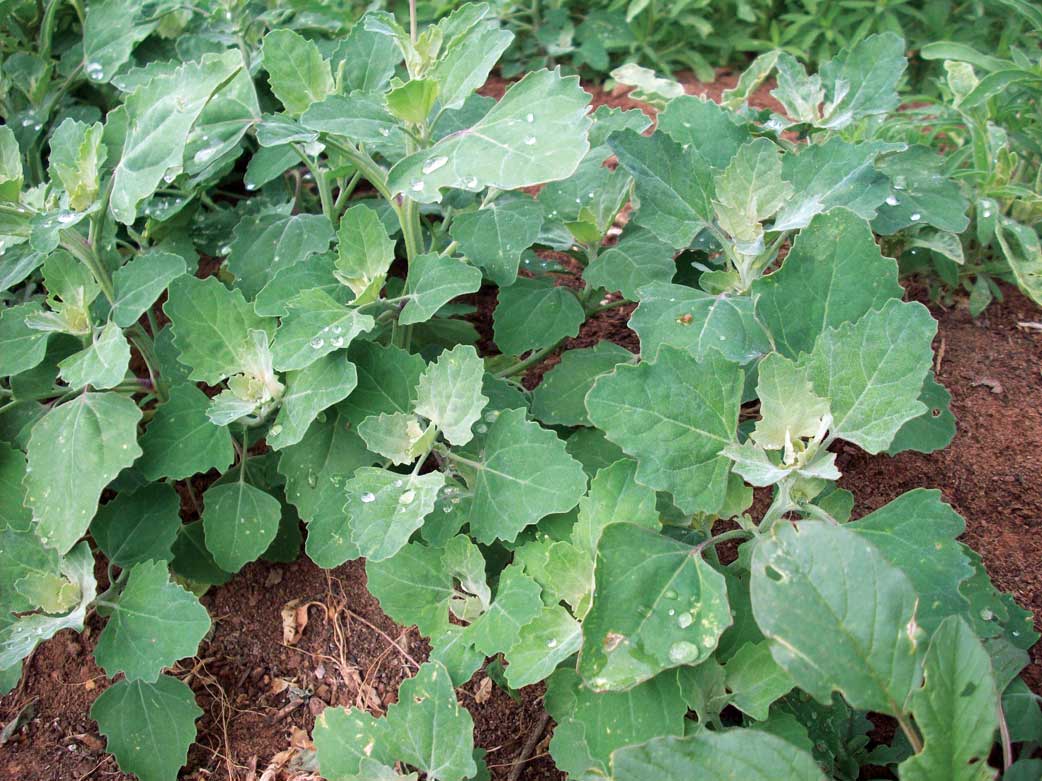
12. Lamb’s Quarters (Chenopodium album) – The Wild Spinach
Why You Should Keep It:
- Related to quinoa, rich in protein.
- Packed with iron, calcium, and phosphorus.
- Great substitute for spinach.
How to Use:
- Eat raw or sautéed like spinach.
- Blend into smoothies for added nutrition.
- Dry leaves for homemade herbal tea.
Next time you see weeds in your garden, consider harvesting them instead of pulling them out. These wild plants offer powerful nutrition, medicinal benefits, and are completely free!