In today’s fast-paced world, creating a healthy, restful space is more important than ever.
Your bedroom or living area should be a sanctuary of calm and wellbeing – and one of the most natural ways to enhance your indoor environment is by adding houseplants.
But not just any greenery will do. Some plants are uniquely equipped to purify the air, reduce toxins, boost humidity, and even improve your sleep quality.
In this detailed guide, we’ll explore the 12 best air-purifying plants that not only add beauty to your home but also promote deeper, healthier sleep.
Why Use Plants for Air Purification and Better Sleep?
NASA’s Clean Air Study famously found that certain houseplants can remove pollutants like benzene, formaldehyde, trichloroethylene, and carbon monoxide from indoor air.
Cleaner air means:
- Easier breathing
- Reduced allergens and toxins
- Lower stress levels
- Improved sleep cycles
Plus, many indoor plants release oxygen at night, regulate humidity, and create a calming atmosphere that prepares your body for rest.
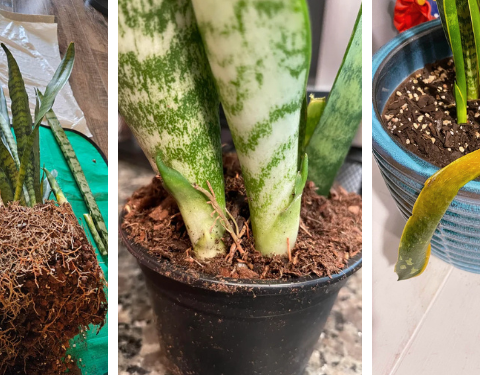
1. Snake Plant (Sansevieria trifasciata)
Also known as Mother-in-Law’s Tongue, this hardy plant is famous for releasing oxygen at night – making it one of the best choices for bedrooms.
Benefits:
- Removes formaldehyde, xylene, and nitrogen oxides
- Extremely low-maintenance
- Improves indoor oxygen levels overnight
Care Tips:
- Tolerates low light
- Water sparingly – only when soil is dry
- Ideal for bedrooms, offices, and living rooms
2. Aloe Vera (Aloe barbadensis miller)
This succulent isn’t just good for sunburns – it’s also a powerful air purifier that emits oxygen at night.
Benefits:
- Absorbs toxins like benzene and formaldehyde
- Helps you breathe better while sleeping
- Gel inside the leaves offers healing properties
Care Tips:
- Needs bright, indirect light
- Water deeply but infrequently
- Allow soil to dry between watering
3. Lavender (Lavandula spp.)
Renowned for its relaxing fragrance, lavender can lower heart rate, reduce anxiety, and improve sleep quality.
Benefits:
- Aromatherapy effects aid with insomnia
- Natural stress reducer
- Beautiful and fragrant for bedrooms
Care Tips:
- Needs full sun (place near a sunny window)
- Water when the topsoil is dry
- Use a well-draining potting mix
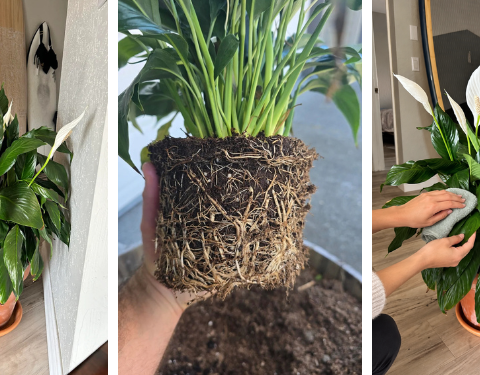
4. Peace Lily (Spathiphyllum spp.)
This elegant plant is a powerhouse when it comes to removing indoor pollutants.
Benefits:
- Filters ammonia, benzene, formaldehyde, and trichloroethylene
- Adds humidity to the air – great for dry environments
- Helps ease dry noses and throats for better sleep
Care Tips:
- Thrives in low to moderate light
- Keep soil consistently moist, but not soggy
- Wipe leaves regularly to remove dust
5. Jasmine (Jasminum spp.)
The sweet scent of jasmine flowers is known to lower anxiety levels and promote better sleep quality.
Benefits:
- Reduces restlessness and improves alertness the next day
- Pleasant floral fragrance
- Small, white blossoms are visually soothing
Care Tips:
- Needs bright light during the day
- Keep soil evenly moist
- Prune lightly to encourage more blooms
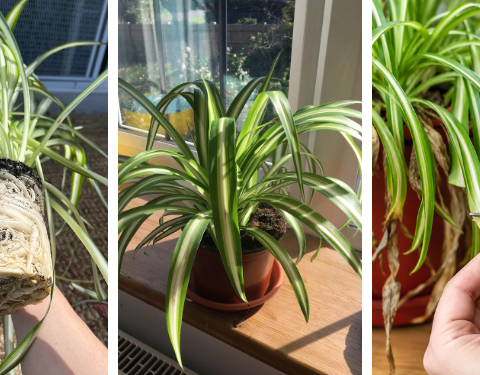
6. Spider Plant (Chlorophytum comosum)
Spider plants are easy to grow and excel at removing harmful airborne toxins.
Benefits:
- Removes up to 90% of toxins like carbon monoxide and formaldehyde
- Non-toxic to pets
- Boosts humidity
Care Tips:
- Prefers bright, indirect light
- Keep soil slightly moist
- Produces “pups” or baby plants that can be propagated
7. English Ivy (Hedera helix)
This trailing vine is a top performer in air-purifying tests, especially for reducing airborne mold and fecal particles.
Benefits:
- Helps reduce asthma and allergy symptoms
- Removes benzene and formaldehyde
- Ideal for hanging baskets in bedrooms
Care Tips:
- Prefers moderate light and consistent moisture
- Can be grown in hanging pots or wall planters
- Trim regularly to prevent overgrowth
8. Valerian (Valeriana officinalis)
Used for centuries as a natural sleep aid, valerian has both aromatic and herbal properties that make it a perfect bedroom plant.
Benefits:
- Induces calmness through its scent
- Valerian root used in teas and supplements for insomnia
- Delicate pink or white blooms in summer
Care Tips:
- Needs at least 6 hours of sun daily
- Water regularly to keep soil moist
- Trim faded blooms to encourage new growth
9. Gerbera Daisy (Gerbera jamesonii)
More than just a cheerful flower, gerbera daisies are known to release oxygen at night, making them ideal for people with sleep apnea or breathing issues.
Benefits:
- Removes toxins like trichloroethylene and benzene
- Supports cleaner breathing at night
- Adds vibrant color to any space
Care Tips:
- Needs bright light for several hours a day
- Keep soil moist but not waterlogged
- Ideal as a bedside or windowsill plant
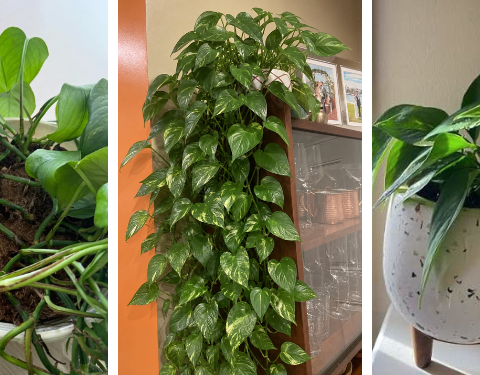
10. Golden Pothos (Epipremnum aureum)
This hardy trailing vine is almost impossible to kill and ranks high in air-purifying tests.
Benefits:
- Removes benzene, formaldehyde, and carbon monoxide
- Improves air quality and oxygen flow
- Visually calming with trailing green and gold leaves
Care Tips:
- Thrives in low to bright indirect light
- Water when the top inch of soil is dry
- Easy to propagate in water
11. Areca Palm (Dypsis lutescens)
Also known as the Butterfly Palm, this elegant plant doubles as a natural humidifier and air purifier.
Benefits:
- Increases moisture in the air
- Filters indoor toxins like toluene and xylene
- Ideal for people with respiratory issues
Care Tips:
- Prefers bright, indirect sunlight
- Water consistently but allow soil to dry slightly between waterings
- Wipe fronds occasionally to remove dust
12. Gardenia (Gardenia jasminoides)
Famous for their creamy white blooms and intoxicating scent, gardenias are proven to reduce anxiety and promote deep sleep.
Benefits:
- Known to reduce insomnia and improve sleep quality
- Lovely scent with a relaxing effect
- Aesthetic appeal with lush green foliage
Care Tips:
- Needs bright, indirect sunlight
- Requires high humidity and regular misting
- Keep soil evenly moist, not soggy
Best Placement for Sleep-Boosting Plants
For maximum benefit, place air-purifying plants:
- On a nightstand or near the head of your bed
- In corners of the room for aesthetics and air flow
- In hanging baskets if space is limited
Ensure that each plant receives its preferred light level, and rotate positions if needed.
Tips for Success
- Don’t overwater. Most houseplants suffer more from too much water than too little.
- Clean leaves regularly to keep air-purifying properties strong.
- Avoid toxic plants if you have pets or small children – refer to ASPCA lists for pet-safe options.
- Use well-draining soil and pots with drainage holes.
Creating a bedroom filled with clean air and calming energy is a gift to your health and wellbeing – and plants offer one of the easiest and most beautiful ways to achieve it.
From snake plants that emit oxygen at night to lavender and jasmine that soothe the senses, these 12 powerful plants can help you sleep deeper, wake up refreshed, and breathe easier every day.