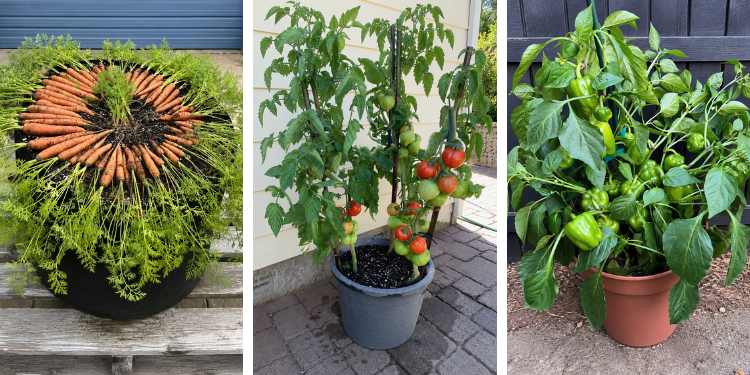
Fresh, homegrown produce is often assumed to require a suburban backyard, raised beds, or acres of fertile soil. In reality, a lack of garden space shouldn’t prevent you from growing your own vegetables.
Urban dwellers, apartment tenants, and anyone with a sunny window, balcony, or small patio can cultivate a surprising amount of fresh food.
Container gardening and indoor growing give you complete control over soil quality, moisture levels, and sunlight exposure while protecting your crops from traditional garden pests and soil-borne diseases.
Many high-yielding, quick-growing vegetables thrive in pots, window boxes, or even repurposed kitchen containers.
Here are 11 vegetables you don’t need a garden to grow, complete with container requirements, sunlight needs, and ideal growing strategies for small spaces.
1. Radishes (Raphanus sativus)
Radishes are the sprint runners of the vegetable world. They germinate in just a few days and are ready to harvest in as little as 21 to 30 days from sowing.
-
Space & Pot Needs: Shallow containers (at least 6 inches deep). Window boxes or long troughs work exceptionally well.
-
Sunlight: Full sun to partial shade (4 to 6 hours daily).
-
Growing Strategy: Sow seeds directly into a light, well-draining potting mix, spacing them about 2 inches apart. Because they mature so rapidly, practice succession planting by sowing a fresh row every 10 days for a continuous harvest.
2. Salad Greens & Lettuce (Lactuca sativa)
Loose-leaf lettuce varieties, spinach, arugula, and butterhead types are ideal for small-space gardeners because they don’t require deep soil or intense root volume.
-
Space & Pot Needs: Shallow pots or window boxes (6 to 8 inches deep).
-
Sunlight: Partial shade to full sun (3 to 5 hours daily; they tolerate lower light better than fruiting crops).
-
Growing Strategy: Practice the “cut-and-come-again” method. Instead of harvesting the whole plant, snip outer leaves when they reach 4 inches tall. The central crown will continue pushing out new tender leaves for weeks.
3. Bush Tomatoes (Solanum lycopersicum)
While indeterminate vining tomatoes require massive garden cages, dwarf and “bush” (determinate) tomato cultivars are bred specifically for pots and patio containers.
-
Space & Pot Needs: 5-gallon bucket or a pot at least 12 to 18 inches deep with drainage holes.
-
Sunlight: Full sun (6 to 8+ hours of direct light).
-
Growing Strategy: Look for micro-dwarf or compact patio varieties like ‘Tiny Tim’, ‘Patio Choice’, or ‘Tumbler’. Use a sturdy stake or small container cage at planting time to support heavy clusters of sweet cherry tomatoes.
4. Green Onions & Scallions (Allium fistulosum)
Green onions are among the most forgiving, low-maintenance edibles you can grow indoors on a kitchen windowsill.
-
Space & Pot Needs: Small pots or repurposed tin cans (4 to 6 inches deep).
-
Sunlight: Bright indirect light or partial sun (3 to 5 hours daily).
-
Growing Strategy: You can start them from seed, or simply submerge the white root ends of store-bought scallions in a small glass of water or pot of soil. Within days, fresh green shoots will emerge. Snip the green tops as needed for cooking, and they will regrow repeatedly.
5. Sweet & Hot Peppers (Capsicum annuum)
Peppers naturally possess a compact, bushy growth habit, making them far better suited for container culture than large squash or corn crops.
-
Space & Pot Needs: Pots at least 10 to 12 inches deep (3 to 5 gallon capacity).
-
Sunlight: Full sun (6 to 8 hours of hot, direct sunlight).
-
Growing Strategy: Jalapeños, habaneros, shishitos, and mini sweet peppers flourish on sunny balconies or fire escapes. Keep the soil consistently moist, and feed them with an organic tomato/pepper fertilizer high in potassium once flowering begins.
Small-Space Vegetable Quick Guide
| Vegetable | Minimum Pot Depth | Sun Requirement | Time to First Harvest | Best Small-Space Varieties |
| Radishes | 6 inches | 4–6 hours | 21–30 days | French Breakfast, Cherry Belle |
| Salad Greens | 6 inches | 3–5 hours | 30–40 days | Black Seeded Simpson, Arugula |
| Bush Tomatoes | 12–18 inches | 6–8+ hours | 60–75 days | Tiny Tim, Patio Princess |
| Green Onions | 4–6 inches | 3–5 hours | 14–21 days | Evergreen Hardy White, Store-bought roots |
| Peppers | 10–12 inches | 6–8 hours | 60–80 days | Shishito, Early Jalapeño, Mohawk Mini |
| Bush Beans | 8–10 inches | 6 hours | 50–60 days | Masai, Bush Blue Lake |
| Spinach | 6–8 inches | 3–5 hours | 35–45 days | Bloomsdale, Space |
6. Bush Beans (Phaseolus vulgaris)
While pole beans need tall trellises, bush bean varieties grow into self-supporting, compact mounds roughly 12 to 18 inches tall, yielding dense clusters of tender green pods.
-
Space & Pot Needs: Wide pots or balcony tubs (8 to 10 inches deep).
-
Sunlight: Full sun (at least 6 hours daily).
-
Growing Strategy: Space seeds about 4 inches apart in a wide container. Beans fix their own nitrogen via beneficial soil bacteria, so they require minimal fertilizer while yielding heavy harvests over a 3-to-4-week period.
7. Spinach (Spinacia oleracea)
Spinach is a cool-season superfood green that thrives in shallow containers and tolerates partial shade better than almost any other edible crop.
-
Space & Pot Needs: Shallow window boxes or wide pans (6 to 8 inches deep).
-
Sunlight: Partial shade to morning sun (3 to 5 hours daily).
-
Growing Strategy: Keep spinach away from intense summer heat, which causes it to bolt (go to seed). It is an ideal crop for early spring or late autumn growing on cool balconies or north/east-facing windows.
8. Microgreens
Microgreens are nutrient-dense young seedlings of vegetables like radish, broccoli, kale, mustard, and sunflower harvested just 10 to 14 days after germination.
-
Space & Pot Needs: Shallow seed trays, pie pans, or takeout containers (2 to 3 inches deep).
-
Sunlight: Bright windowsill light or an inexpensive LED desk lamp.
-
Growing Strategy: Fill a tray with 2 inches of potting mix, sow seeds densely across the surface, cover lightly with soil, and mist daily. Harvest with scissors when the first true leaves appear. They require zero garden space and can be grown indoors year-round.
9. Garlic Greens & Chives (Allium)
While harvesting full garlic bulbs takes 9 months in ground soil, growing garlic greens (the tender, garlicky tops) takes only a few weeks on a kitchen counter.
-
Space & Pot Needs: Small pots or windowsill planters (6 inches deep).
-
Sunlight: Bright indirect light or partial sun.
-
Growing Strategy: Plant individual unpeeled garlic cloves point-side-up 2 inches deep in potting soil. Within a week, green shoots with a mild, sweet garlic flavor will sprout. Snip the greens for stir-fries, soups, and baked potatoes.
10. Dwarf Kale (Brassica oleracea)
Kale is renowned for its cold hardiness and dense nutritional value. Dwarf varieties like ‘Lacinato’ (Dinosaur Kale) or ‘Dwarf Blue Curled’ stay compact while producing dark, crinkled leaves.
-
Space & Pot Needs: Medium pots (8 to 10 inches deep).
-
Sunlight: Full sun to partial shade (4 to 6 hours daily).
-
Growing Strategy: Harvest leaves from the bottom of the central stem upward as the plant grows, creating a small “palm tree” shape that keeps producing fresh foliage well into winter.
11. Carrots (Daucus carota) – Short & Round Varieties
Standard long carrots need deep, stone-free garden beds, but short, spherical, or mini carrot varieties are tailor-made for container growing.
-
Space & Pot Needs: Pots at least 8 to 10 inches deep for short varieties (or 12 inches for standard types).
-
Sunlight: Full sun to light partial shade (5 to 6 hours daily).
-
Growing Strategy: Select cultivars like ‘Parisian’ (which forms round, golf-ball-sized carrots) or ‘Chantenay’ (short, wide-shouldered carrots). Use a light potting mix rich in perlite or sand so the tender roots can push down easily without splitting.
How to Set Up Your Container Garden for Success
To get maximum yields from your garden-free vegetable setup, follow this fundamental planting protocol:
You don’t need a sprawling backyard or acres of land to enjoy crisp, sun-ripened produce.
The best gardens don’t just brighten your yard – they become something you can enjoy season after season.
If you’re ready to grow your own backyard pharmacy, the Medicinal Garden Kit is a wonderful place to begin.
Inside you’ll find 2,409 non-GMO seeds, a detailed Herbal Medicinal Guide, and 2 FREE bonuses to help you grow a wide variety of traditional medicinal herbs with confidence.
Take a look at the Medicinal Garden Kit and start growing something truly rewarding.