Perennials are the backbone of a thriving, low-maintenance garden. Once established, they return year after year, rewarding you with beautiful blooms, vibrant color, and seasonal consistency.
And the best part? You don’t have to wait until the garden centers are overflowing with potted plants—you can start many perennials from seed right in your own home or greenhouse.
April is the ideal time to sow certain perennial seeds, especially if you live in a temperate or cooler climate.
With warming soil and increasing daylight, these seeds have just the right conditions to germinate, grow strong roots, and get a head start before summer.
Whether you’re growing for color, pollinators, or texture, here are 11 perennial seeds you should start in April to enjoy a spectacular garden display in the months and years to come.
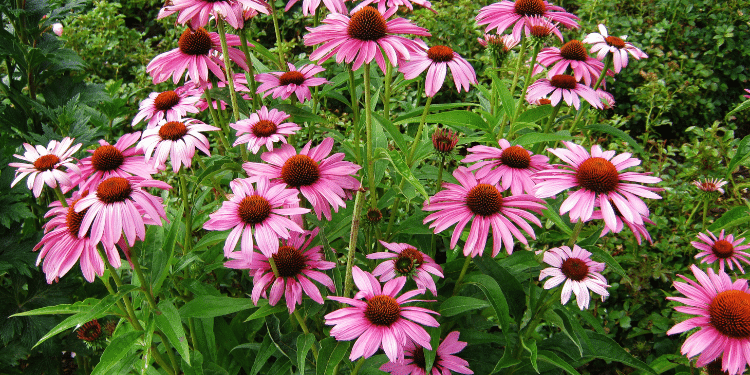
1. Echinacea (Coneflower)
USDA Zones: 3–9
Bloom Time: Mid-summer to fall
Light: Full sun
Echinacea, also known as coneflower, is a resilient native perennial known for its daisy-like blooms and central cone-shaped disk.
Available in purple, pink, orange, and even white, it’s not only beautiful but also attracts bees, butterflies, and birds.
Why start in April: Echinacea seeds benefit from a cold stratification period, and early April sowing gives them time to settle in. You can also refrigerate seeds for a few weeks beforehand to simulate winter.
Tip: Sow indoors in seed trays and transplant outdoors after the last frost.
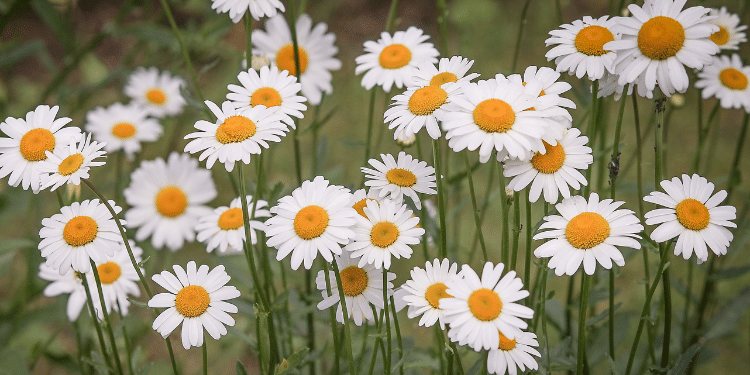
2. Shasta Daisy (Leucanthemum x superbum)
USDA Zones: 5–9
Bloom Time: Early to late summer
Light: Full sun
Shasta daisies bring a classic, cheerful look to the garden with their white petals and sunny yellow centers. These perennials bloom for months and are perfect for borders or cutting gardens.
Why start in April: Starting them early indoors allows time to establish roots and produce bushy, blooming plants by their first summer.
Tip: Use a well-drained seed-starting mix and keep them under grow lights until ready for transplanting.
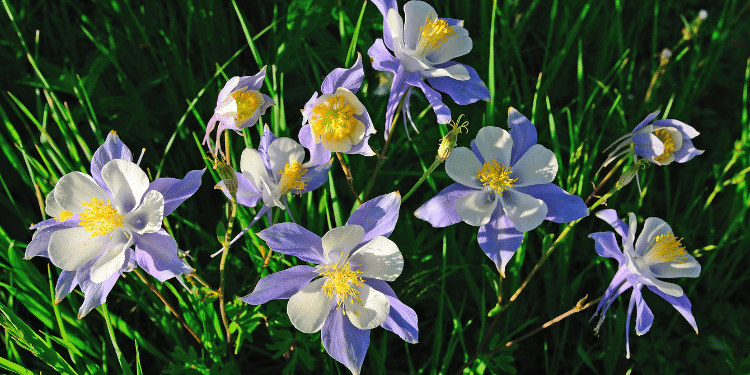
3. Columbine (Aquilegia)
USDA Zones: 3–9
Bloom Time: Spring to early summer
Light: Partial shade to full sun
Columbine is a graceful perennial with delicate, nodding flowers and fern-like foliage. Its unique flower shape and vibrant colors make it a favorite for cottage gardens and pollinator beds.
Why start in April: These seeds also benefit from stratification. If you haven’t cold-stratified them, try a moist paper towel method in the fridge for 3 weeks before sowing.
Tip: Start in peat pots to minimize root disturbance when transplanting.
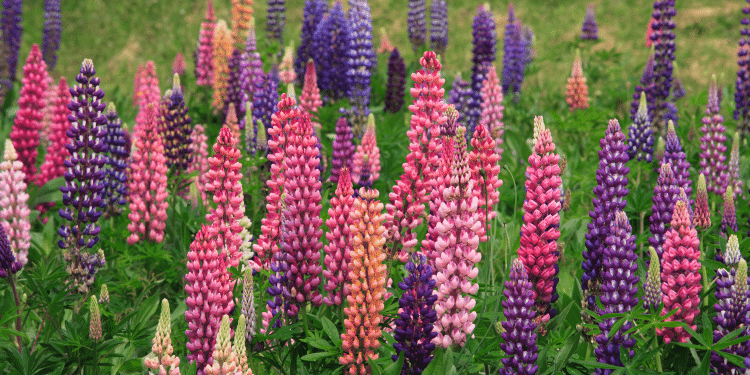
4. Lupine (Lupinus spp.)
USDA Zones: 4–8
Bloom Time: Late spring to early summer
Light: Full sun to part shade
Lupines are known for their tall, spiky flower clusters in purples, pinks, blues, and whites. These nitrogen-fixing plants improve soil health while attracting beneficial insects.
Why start in April: Early indoor sowing gives you a head start on their long growing cycle. Lupines grow deep taproots and prefer not to be disturbed once planted.
Tip: Soak seeds overnight before planting to improve germination.
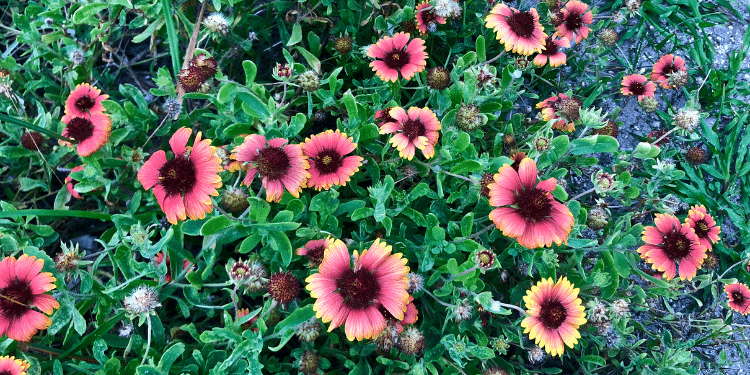
5. Gaillardia (Blanket Flower)
USDA Zones: 3–10
Bloom Time: Early summer through fall
Light: Full sun
Gaillardia produces bright, daisy-like flowers in fiery shades of red, orange, and yellow. These tough plants thrive in dry, poor soil and continue blooming all season with minimal care.
Why start in April: These fast growers can bloom in their first year from seed if started early enough.
Tip: Start indoors in cell trays with a heat mat to encourage quick germination.
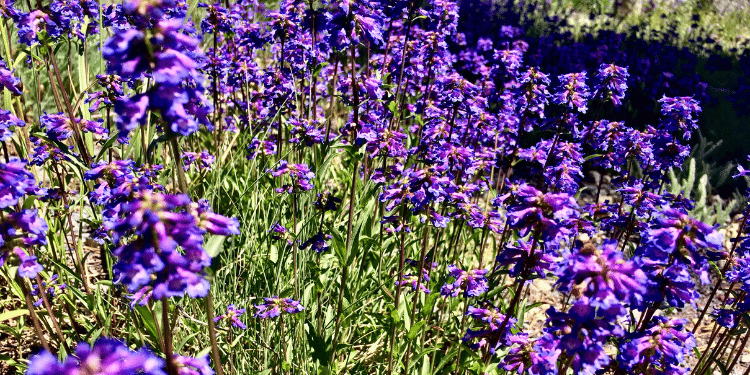
6. Penstemon (Beardtongue)
USDA Zones: 4–9
Bloom Time: Late spring to early summer
Light: Full sun
Penstemon features tubular flowers on upright stems, making them ideal for attracting hummingbirds. They pair beautifully with ornamental grasses and other drought-tolerant plants.
Why start in April: Penstemon seeds germinate slowly, and an early start helps them get established before summer heat.
Tip: Some varieties may benefit from cold stratification, so read the seed packet instructions carefully.
7. Delphinium
USDA Zones: 3–7
Bloom Time: Early to mid-summer
Light: Full sun to partial shade
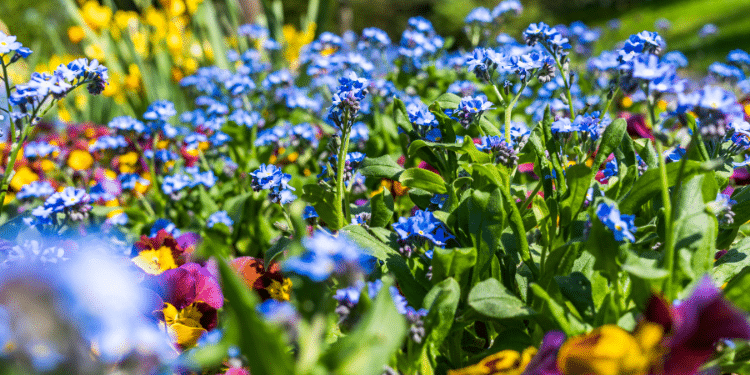
Delphiniums are garden showstoppers, known for their tall spires of blue, purple, pink, or white flowers. Though they prefer cooler summers, they can be grown as perennials in northern regions.
Why start in April: These seeds need cool temperatures to germinate, and early spring sowing indoors is ideal.
Tip: Use a fan or gentle air movement to strengthen seedlings and prevent damping-off.
8. Coreopsis (Tickseed)
USDA Zones: 4–9
Bloom Time: Early summer to fall
Light: Full sun
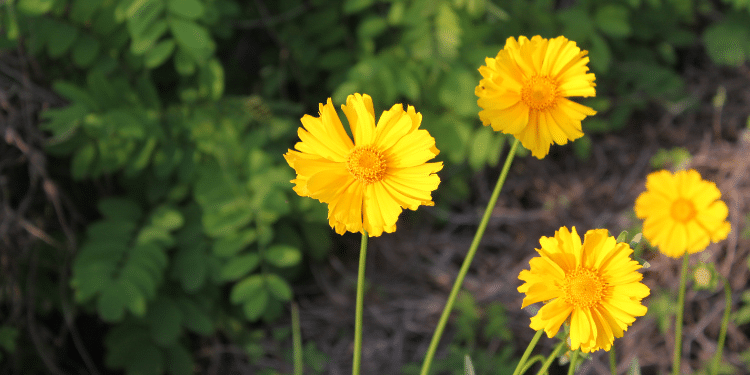
Coreopsis brings bright, sun-loving blooms in yellow, gold, red, and pink hues. Known for long bloom times and drought tolerance, this is one of the easiest perennials to grow.
Why start in April: When started early indoors, some varieties will bloom the first year.
Tip: Thin seedlings after germination to prevent overcrowding.
9. Foxglove (Digitalis purpurea)
USDA Zones: 4–10 (biennial, often treated as a short-lived perennial)
Bloom Time: Late spring to mid-summer
Light: Partial shade to full sun
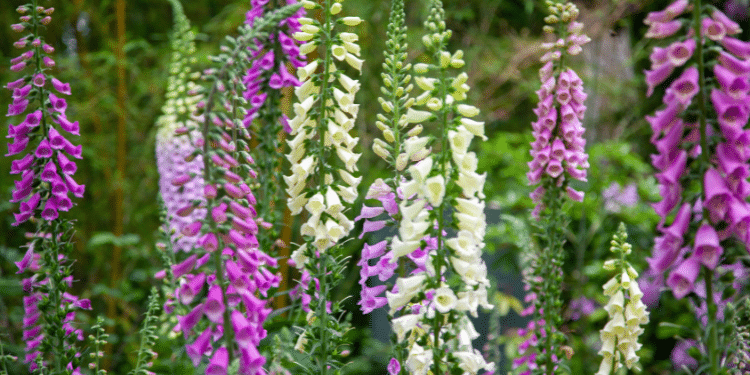
Foxglove’s tall, bell-shaped flower spikes are striking in shaded or woodland gardens. While many types are biennial, starting seeds early gives you a better chance of seeing blooms in the second year.
Why start in April: Indoor sowing lets you nurture seedlings until they’re strong enough to transplant outdoors.
Tip: Surface sow—do not cover the seeds, as they need light to germinate.
10. Yarrow (Achillea millefolium)
USDA Zones: 3–9
Bloom Time: Summer to fall
Light: Full sun
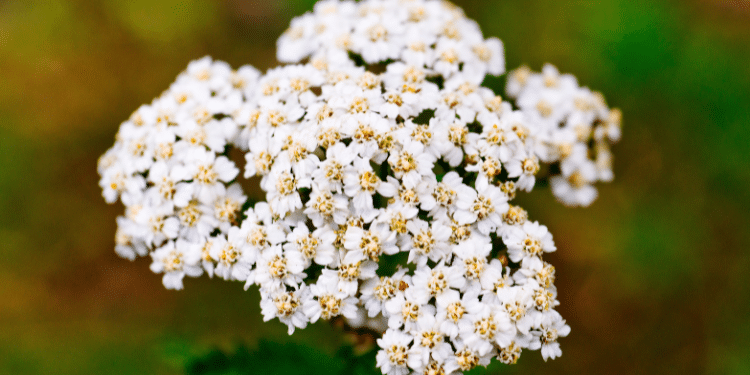
Yarrow produces flat-topped flower clusters in shades of yellow, pink, white, and red, and has fern-like, aromatic foliage. It’s drought-tolerant and loved by pollinators.
Why start in April: Yarrow can bloom in its first year from seed if given an early indoor start.
Tip: Sow seeds indoors 8–10 weeks before your last frost date for best results.
11. Rudbeckia (Black-Eyed Susan)
USDA Zones: 4–9
Bloom Time: Mid-summer to fall
Light: Full sun
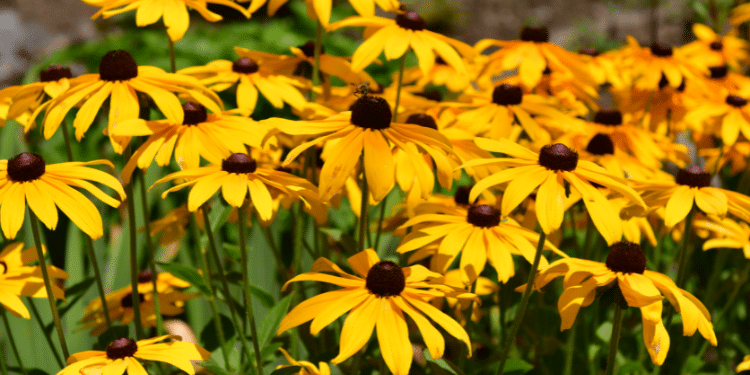
Rudbeckia is a cheerful, sun-loving perennial with golden-yellow petals and dark central cones. It thrives in almost any soil and is perfect for borders and wildlife gardens.
Why start in April: Indoor sowing gives plants plenty of time to grow and flower in their first or second season.
Tip: Harden off before transplanting to ensure successful outdoor growth.
Starting perennial seeds in April is a cost-effective, rewarding way to fill your garden with long-lasting color and texture.
While perennials take a bit more time and patience than annuals, the payoff is a low-maintenance, high-impact garden that returns year after year with minimal effort.
By choosing hardy, beautiful varieties like Echinacea, Coreopsis, Lupine, and Shasta Daisy, you’re building a garden that not only looks stunning but also supports bees, butterflies, and other beneficial wildlife.
Whether you’re sowing in trays on a sunny windowsill or using a greenhouse setup, now is the perfect time to start planting.
So grab your seed packets, prepare your trays, and get ready to nurture your best garden yet—starting this April.