Succulents have taken the gardening world by storm, becoming one of the most sought-after plants due to their stunning variety of colors, shapes, and low-maintenance care.
However, before you start collecting these hardy beauties, there are some interesting facts you should know about them!
1. Succulents Originated in Dry, Desert Climates
Succulents first evolved in arid regions, such as Africa, South America, and parts of Asia, where rainfall is scarce.
To survive, they developed thick, fleshy leaves that store water, allowing them to withstand long drought periods.
2. Their Name Comes From Their Water-Storing Leaves
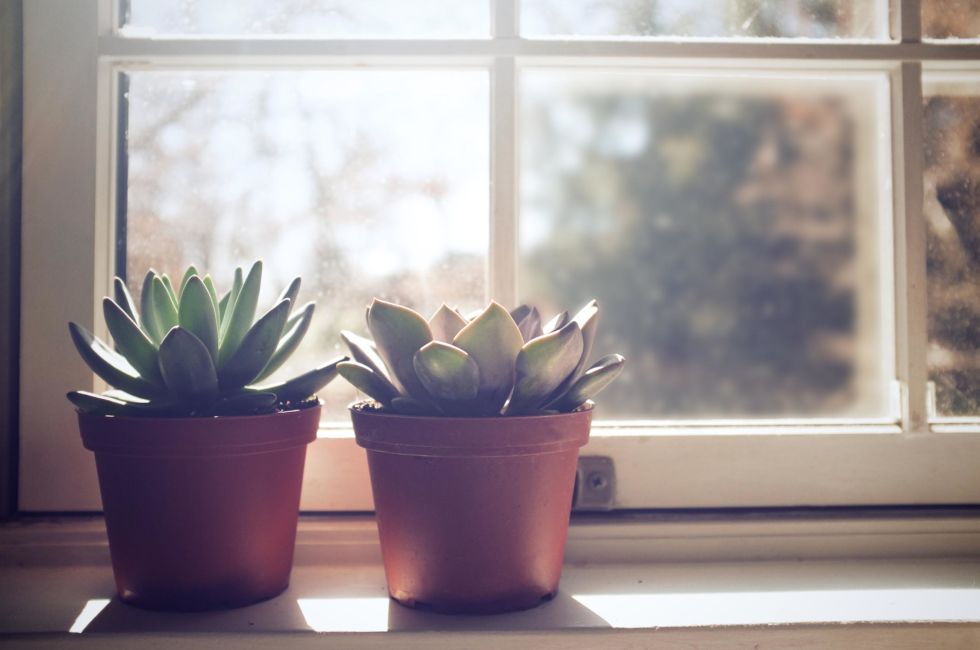
The word “succulent” originates from the Latin word sucus, meaning juice or sap.
These plants thrive in hot, dry climates by storing moisture in their leaves, stems, and roots, helping them survive in environments where water is limited.
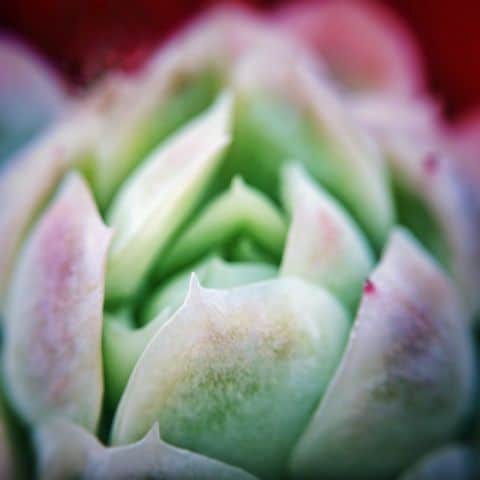
3. There Are Over 60 Different Plant Families That Contain Succulents
Succulents are not limited to a single plant family. In fact, more than 60 plant families contain succulent species, including:
✅ Cactaceae (cactus family)
✅ Crassulaceae (jade plants, echeverias, and sedums)
✅ Aizoaceae (Lithops, also known as living stones)
✅ Asphodelaceae (Aloe and Haworthia)
Each family has its own unique features and growth patterns, making succulents an incredibly diverse plant group.
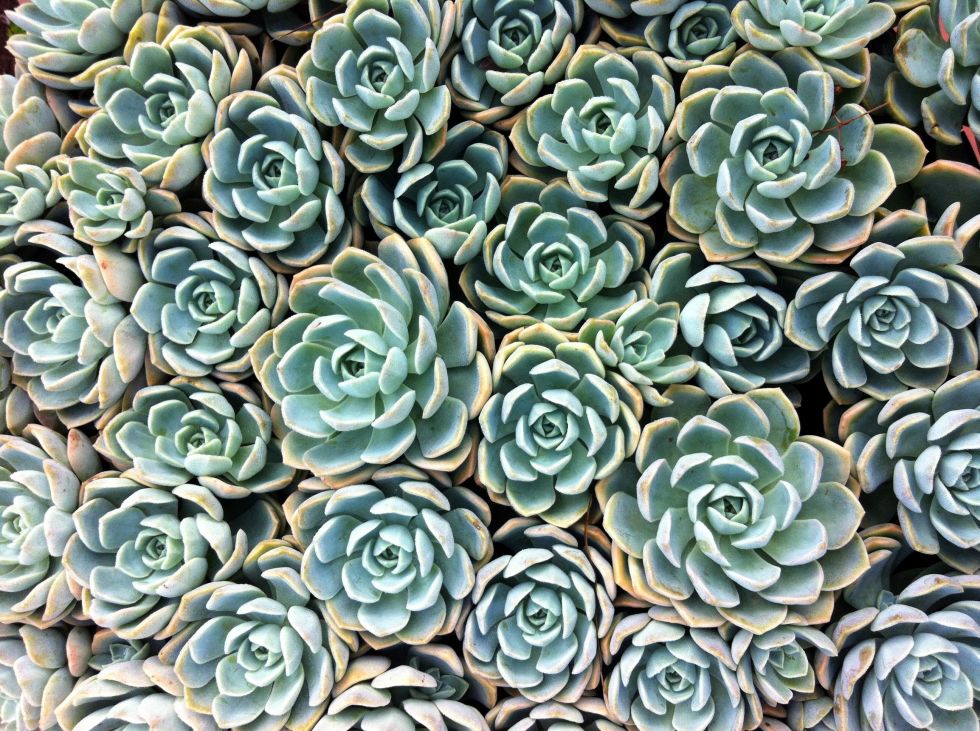
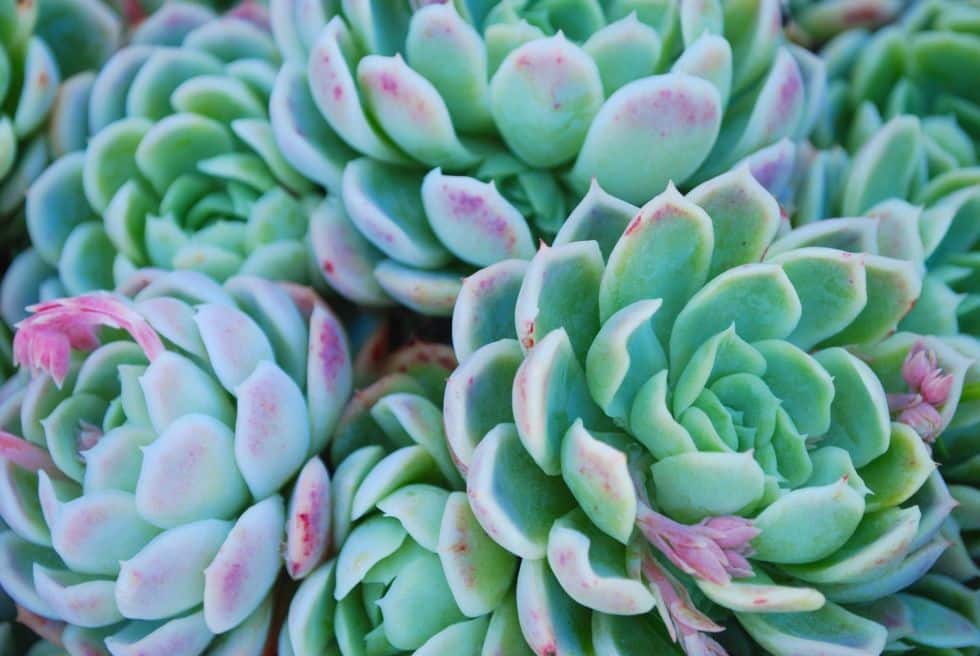
4. Succulents Come in Almost Every Color of the Rainbow
One of the biggest attractions of succulents is their wide variety of colors, ranging from deep greens and purples to vibrant reds, oranges, and blues.
Some even change colors in response to sunlight and temperature fluctuations, making them an ever-evolving addition to your garden.
5. Most Succulents Are Naturally Pest-Resistant
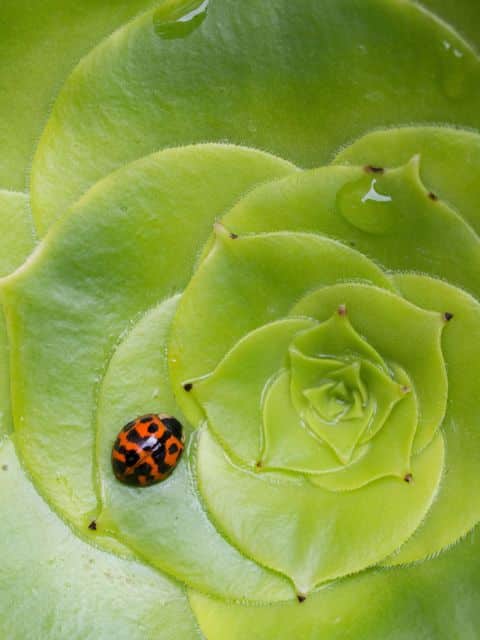
Succulents are generally resilient to pests, making them an excellent low-maintenance choice for indoor and outdoor gardens.
However, they can sometimes attract:
✅ Aphids (especially when grown outdoors)
✅ Mealybugs (which appear as white cotton-like clusters)
✅ Spider mites and fungus gnats (common in overwatered plants)
Regularly inspecting your plants and ensuring proper drainage can help keep pests at bay.
6. You Can Easily Grow New Succulents From Cuttings
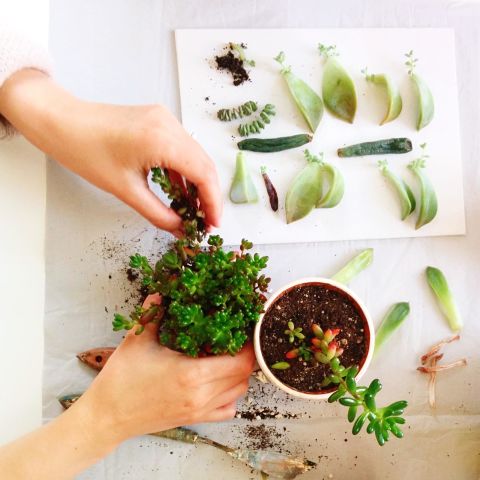
Propagating succulents is surprisingly easy! Simply snip off a leaf or stem, let it dry for a few days, and then plant it in well-draining soil.
With a little patience and the right conditions, new succulents will sprout, making it one of the easiest plants to multiply.
7. Succulents and Cacti Are Related, But Not the Same
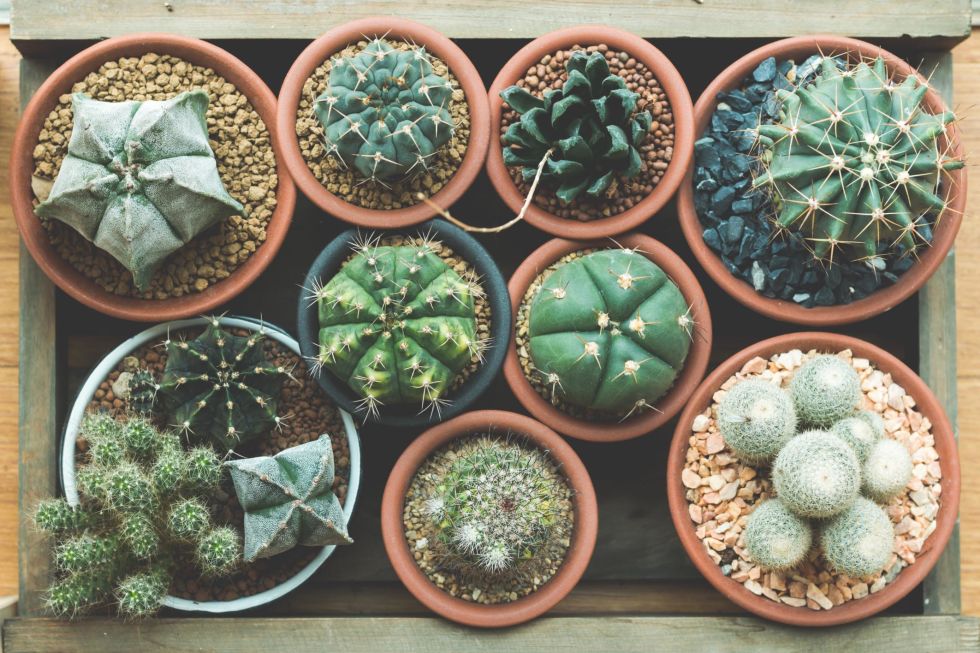
While all cacti are succulents, not all succulents are cacti. The key difference? Cacti have specialized structures called areoles, from which spines, flowers, and new growth emerge.
Other succulents lack these areoles but still store water in their leaves or stems.
8. There’s a Succulent Named After a Donkey’s Tail
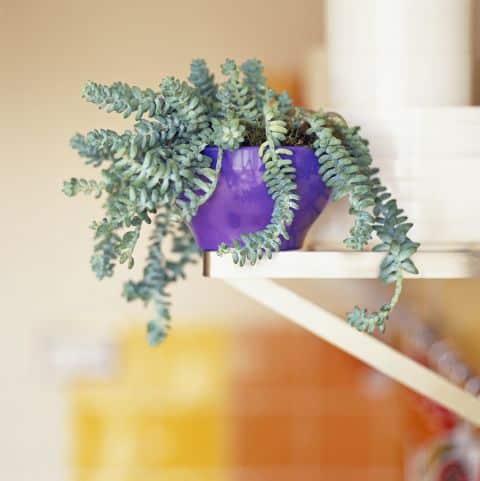
One of the most popular trailing succulents is Sedum morganianum, commonly known as Donkey’s Tail or Burro’s Tail.
It features long, cascading stems covered in plump, teardrop-shaped leaves, making it a stunning addition to hanging baskets or vertical gardens.
9. The Christmas Cactus Is a Succulent That Blooms in Winter
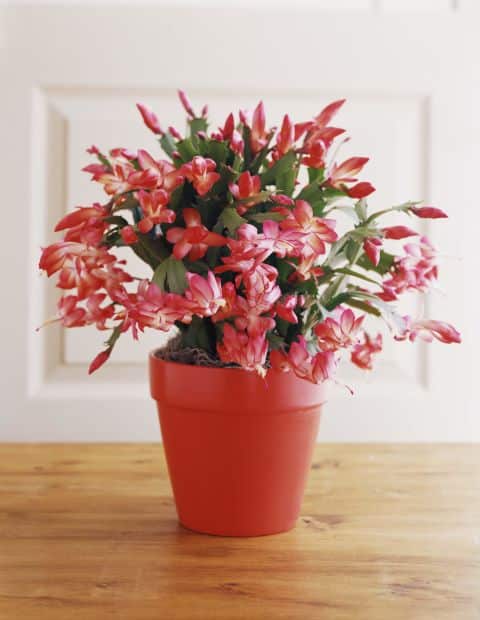
Unlike most succulents that thrive in dry conditions, the Christmas Cactus (Schlumbergera) is a tropical succulent that prefers humid environments.
It is known for its bright, festive blooms that appear just in time for the holiday season, making it a beloved favorite among plant lovers.
10. Succulent Jewelry Is a Growing Trend – And It Actually Grows!
Succulent jewelry is becoming a stylish and eco-friendly fashion statement. Living succulent earrings, rings, and bracelets continue to grow while being worn, provided they receive occasional misting.
Once they outgrow the jewelry setting, they can be replanted, creating a sustainable and wearable garden!

Succulents are more than just trendy houseplants; they are incredibly resilient, diverse, and full of fascinating history.
Whether you’re new to succulent gardening or an avid collector, these fun facts highlight why they continue to captivate plant lovers around the world.