If you’re looking to add elegance, charm, and a pop of vibrant color to your landscape, purple perennials are a perfect choice.
With shades ranging from lilac and violet to deep plum and lavender, these beautiful plants add depth and contrast to any garden design.
But these flowers offer more than just aesthetics. Purple perennials are also fantastic for attracting pollinators like bees, butterflies, and hummingbirds, thanks to their vibrant colors and nectar-rich blooms.
Whether you’re creating a pollinator-friendly garden or simply want a landscape that looks striking all season long, there’s a purple perennial that fits your space and style.
In this article, we’ll explore 10 of the best purple-flowering perennial plants, highlighting their growing habits, care requirements, and landscape value.
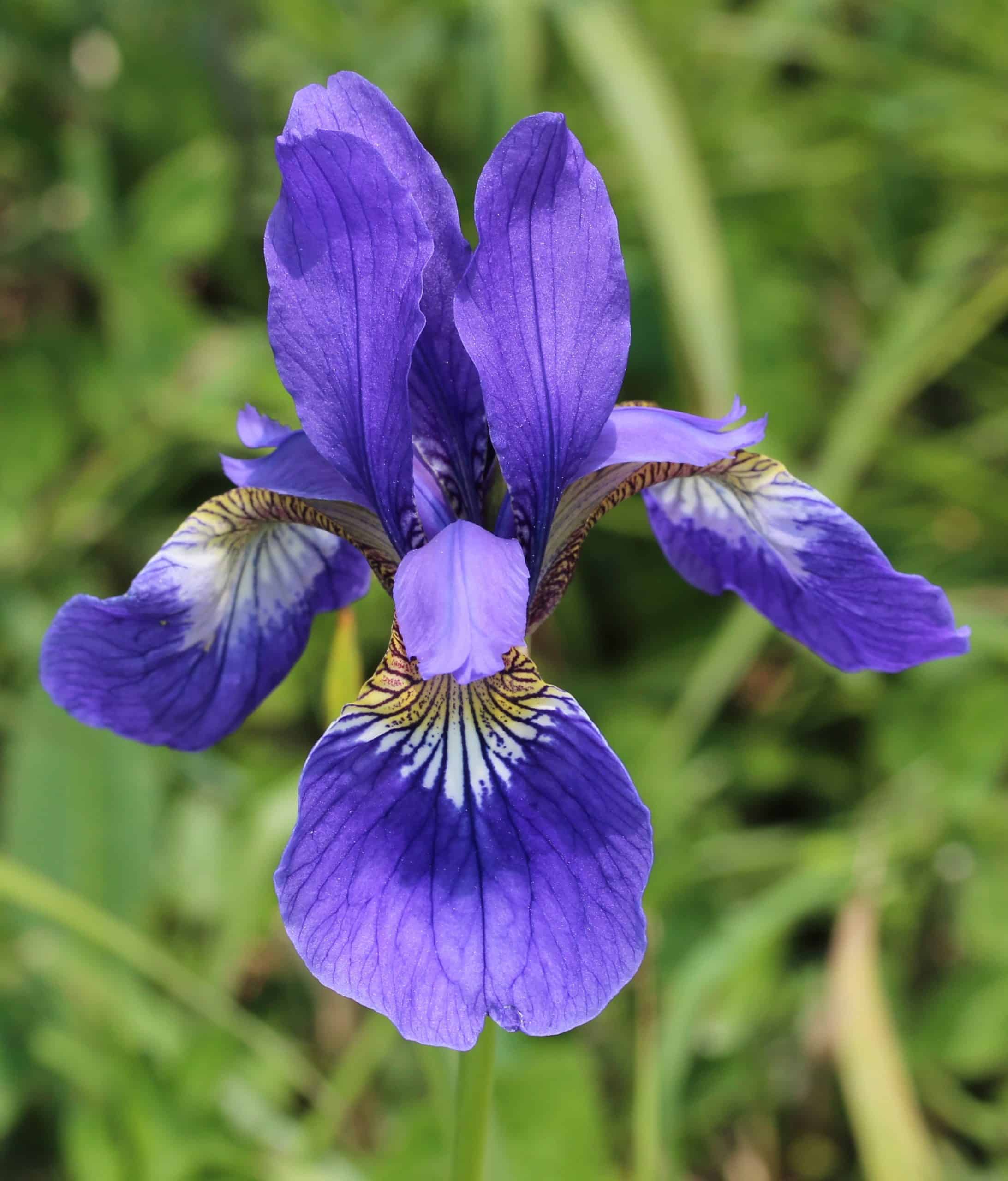
1. Iris (Iris spp.)
The iris is a classic perennial known for its intricate, elegant petals and stunning hues. While irises come in many colors, purple cultivars are among the most striking.
-
Notable Varieties: Iris reticulata (‘Alida’, ‘Pixie’), Iris germanica (‘Dusky Challenger’), Iris sibirica (‘Caesar’s Brother’)
-
Bloom Time: Late winter to early summer
-
Growing Tips: Requires full sun and well-drained soil. Avoid overwatering.
-
Landscape Use: Great for borders, cottage gardens, and as a vertical focal point.
Purple irises are also among the earliest bloomers in spring, signaling the end of winter and the arrival of new life.
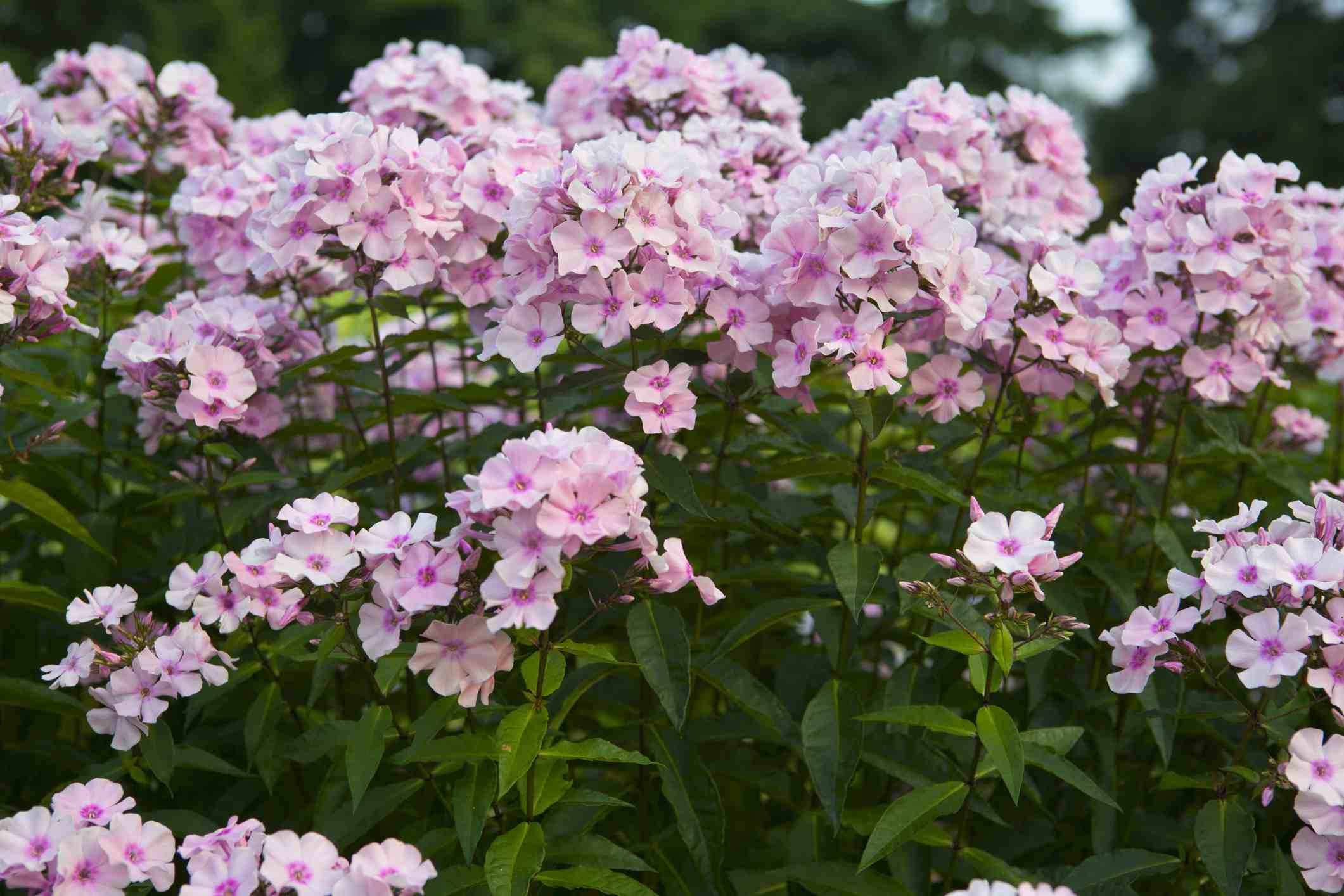
2. Garden Phlox (Phlox paniculata)
Garden phlox is a showy, upright perennial that produces large, fragrant clusters of flowers in summer. Purple varieties like ‘Violet Flame’ and ‘Grenadine Dream’ create a bold display in borders or cottage-style gardens.
-
Height: Up to 4 feet (1.2 m)
-
Spread: 2–3 feet
-
Bloom Time: Mid to late summer
-
Care: Full sun, moist but well-draining soil
-
Extra Tip: Deadhead spent blooms to extend the flowering season.
Phlox is also highly attractive to butterflies, making it a must-have for pollinator gardens.
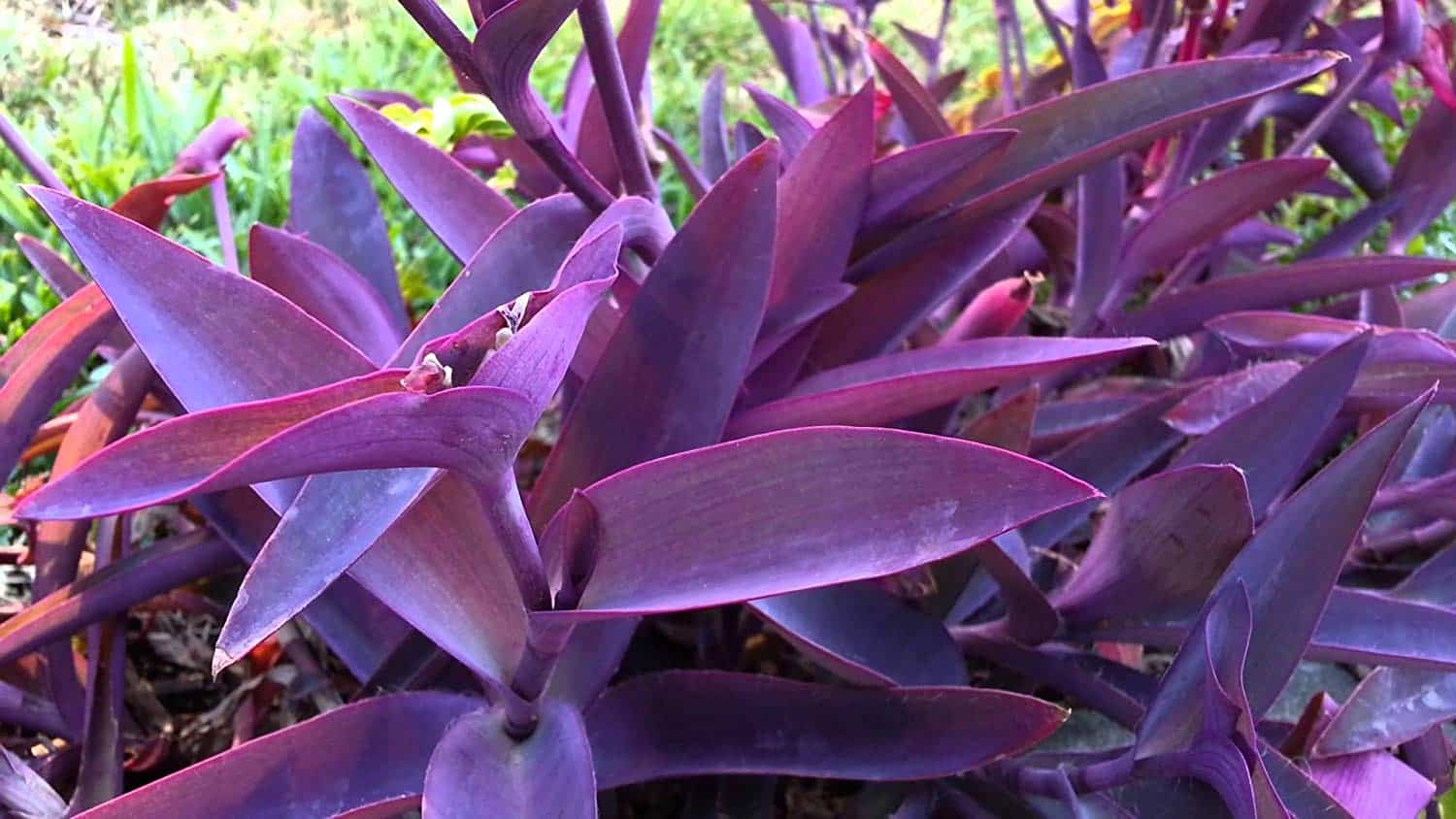
3. Purple Heart (Tradescantia pallida)
The Purple Heart plant offers rich purple foliage and delicate pink to violet flowers. This low-growing perennial adds texture and color to beds, borders, or containers.
-
Height: 6–12 inches
-
Light: Full sun to partial shade
-
Soil: Well-drained and moderately fertile
-
Notable Feature: Excellent ground cover or trailing plant for hanging baskets.
It thrives in warmer climates and looks beautiful cascading from raised beds or window boxes.
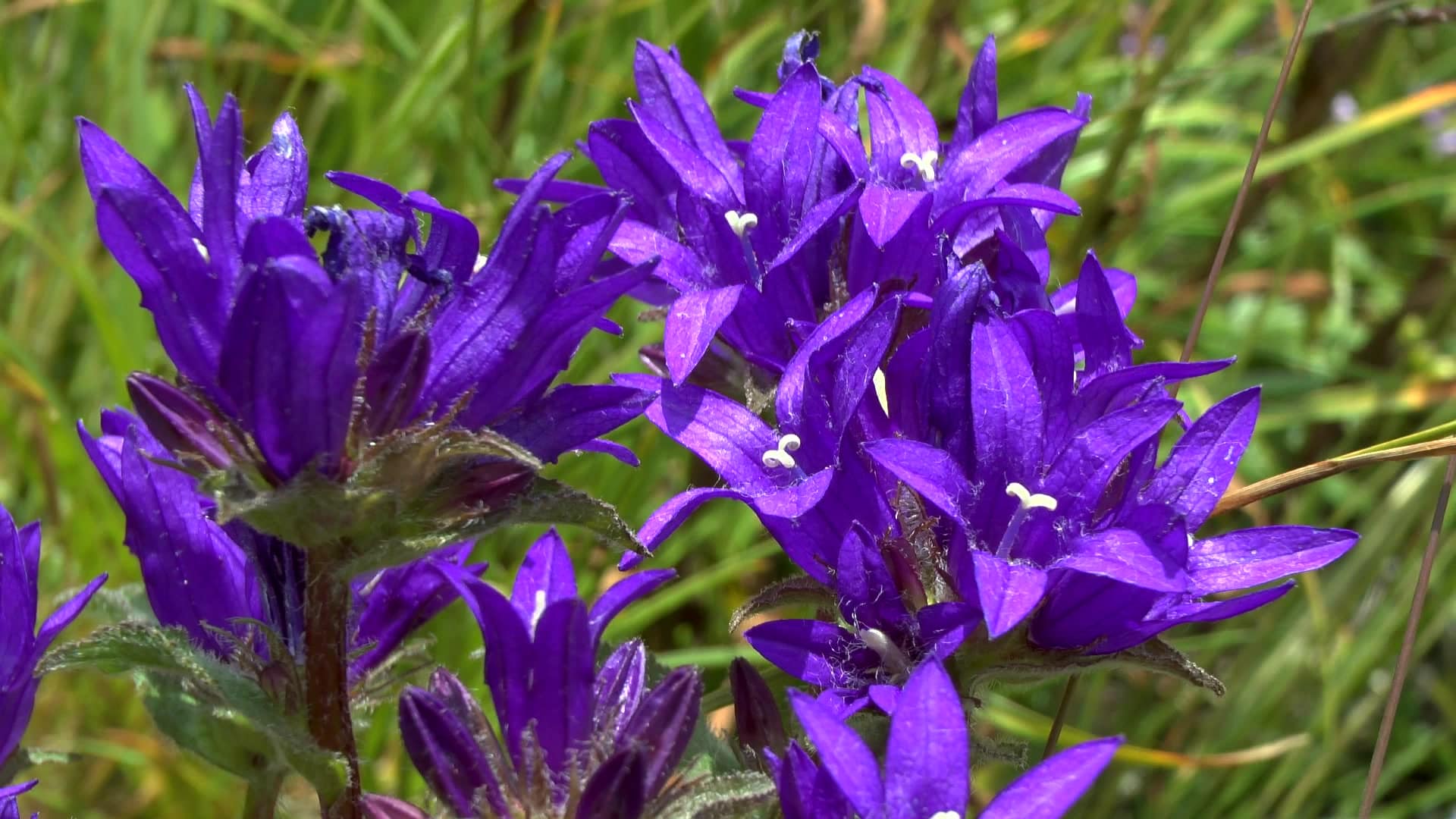
4. Clustered Bellflower (Campanula glomerata)
The clustered bellflower features tight clusters of deep purple, bell-shaped blooms on sturdy upright stems. These perennials are known for their long blooming season and resilience.
-
Height: 1–2 feet (30–60 cm)
-
Bloom Time: Late spring to early summer
-
Sun Requirements: Full sun to partial shade
-
Soil: Well-draining with moderate moisture
These flowers do well in rock gardens or as accents in perennial beds. They also grow well under trees where light is filtered.
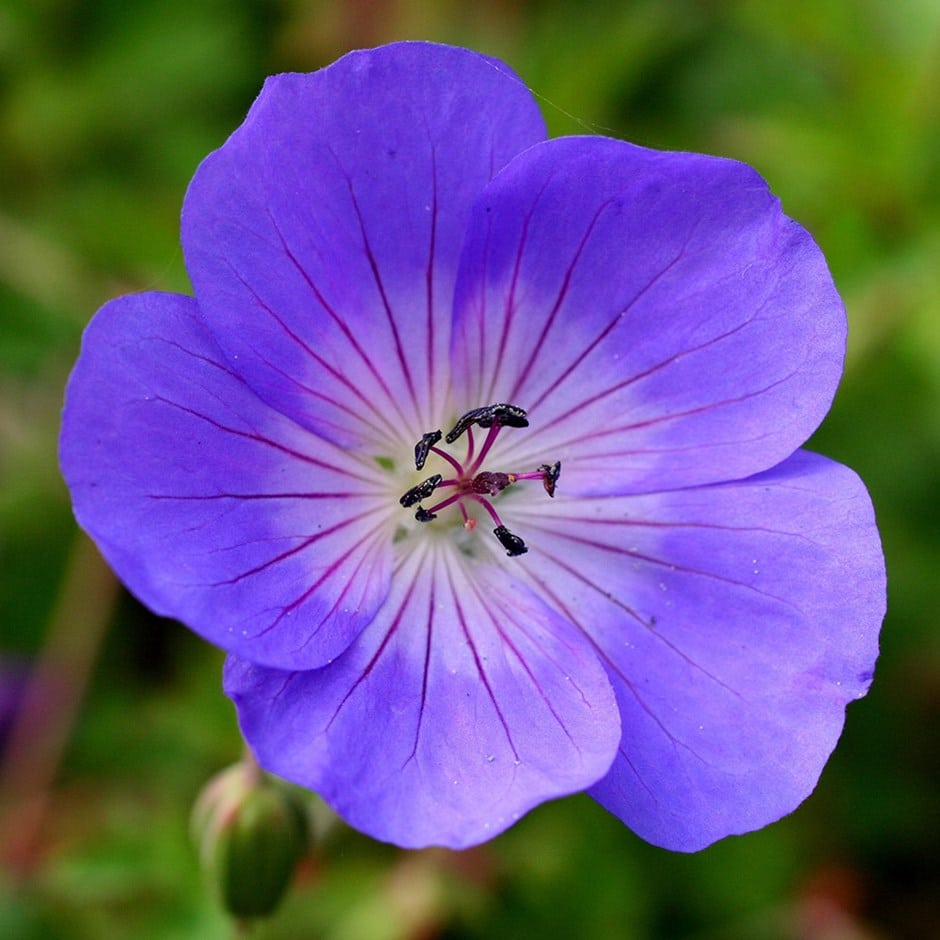
5. Hardy Geranium (Geranium spp.)
Hardy geraniums, or cranesbills, are reliable, low-maintenance perennials that spread to form ground cover with attractive lobed leaves and colorful blooms.
-
Top Varieties: ‘Rozanne’ (lavender-blue), ‘Johnson’s Blue’ (purple-blue)
-
Height: 12–24 inches
-
Bloom Time: Late spring to early fall
-
Care: Full sun to part shade, regular watering
Geraniums are ideal for borders, underplanting, and attracting bees and butterflies.
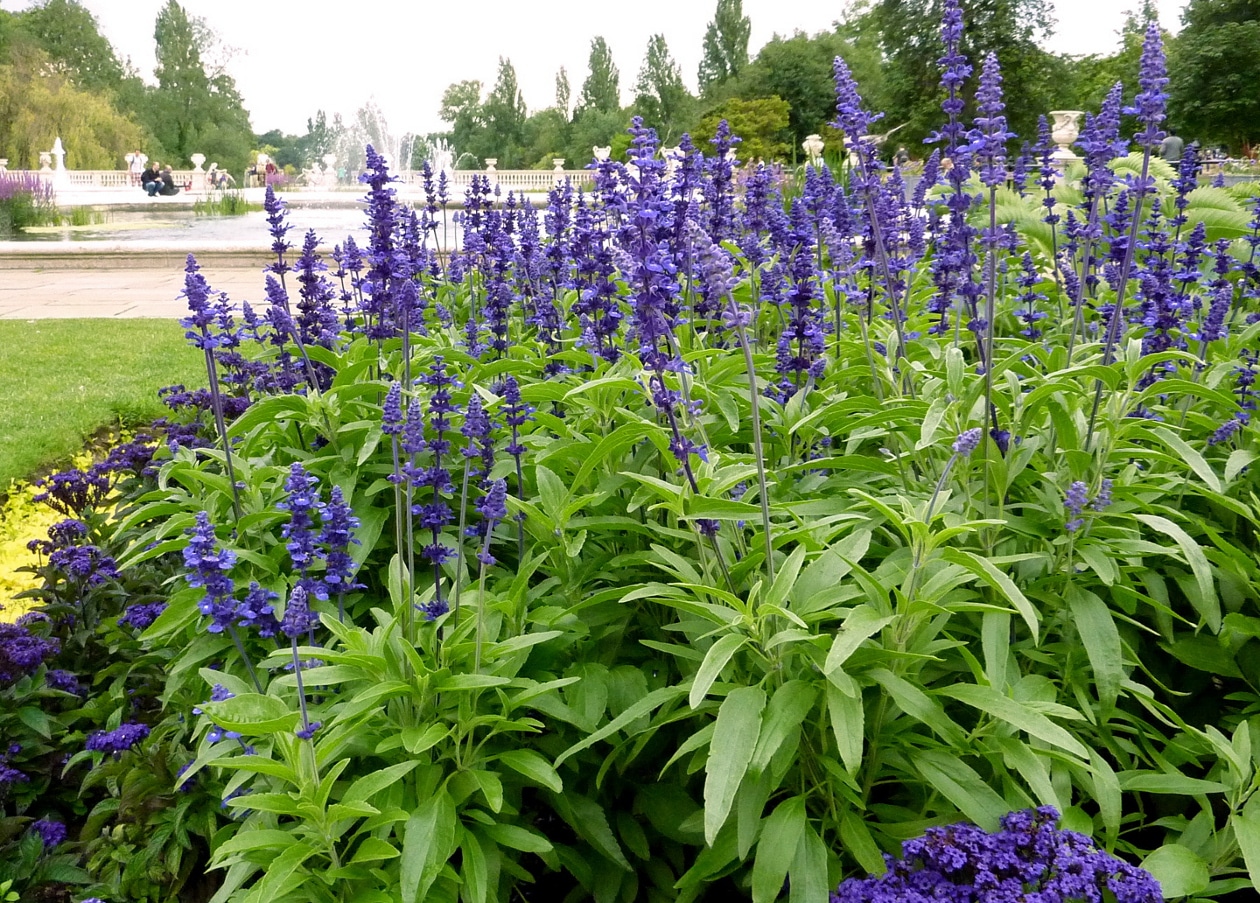
6. Salvia (Salvia nemorosa, Salvia officinalis)
Salvia is both a beautiful ornamental and a culinary herb. Its vertical spikes of purple-blue flowers make it an excellent choice for adding height and attracting pollinators.
-
Height: 1–3 feet
-
Bloom Time: Late spring to fall
-
Light: Full sun
-
Soil: Well-draining, tolerates drought
Varieties like ‘May Night’ or ‘Caradonna’ provide continuous blooms if deadheaded regularly.
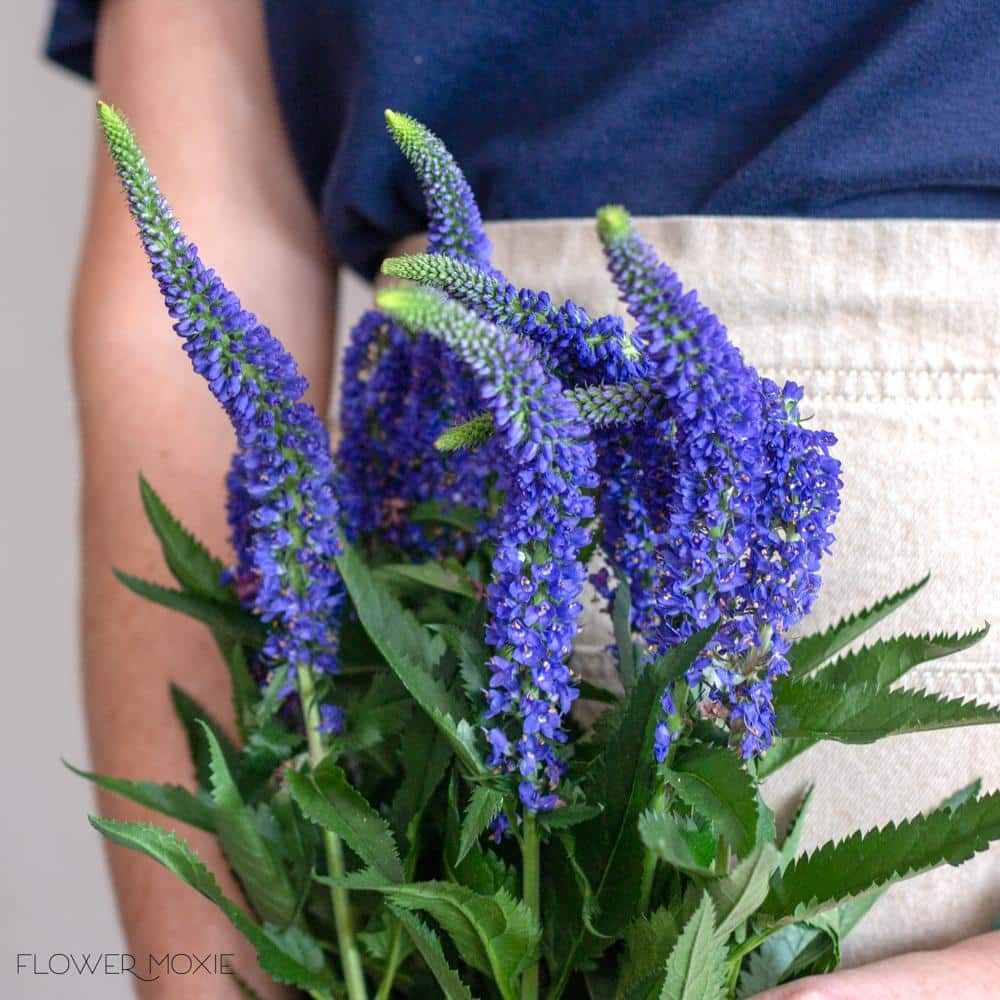
7. Veronica (Veronica spicata)
Known for their spiky flower heads, Veronica plants offer stunning vertical accents in flower beds. The purple blooms rise on tall stems, often appearing like floral candelabras.
-
Height: 1–3 feet
-
Bloom Time: Summer
-
Light: Full sun
-
Soil: Moist but well-draining
Veronica is a favorite of hummingbirds and works well in cottage, prairie, or formal gardens.
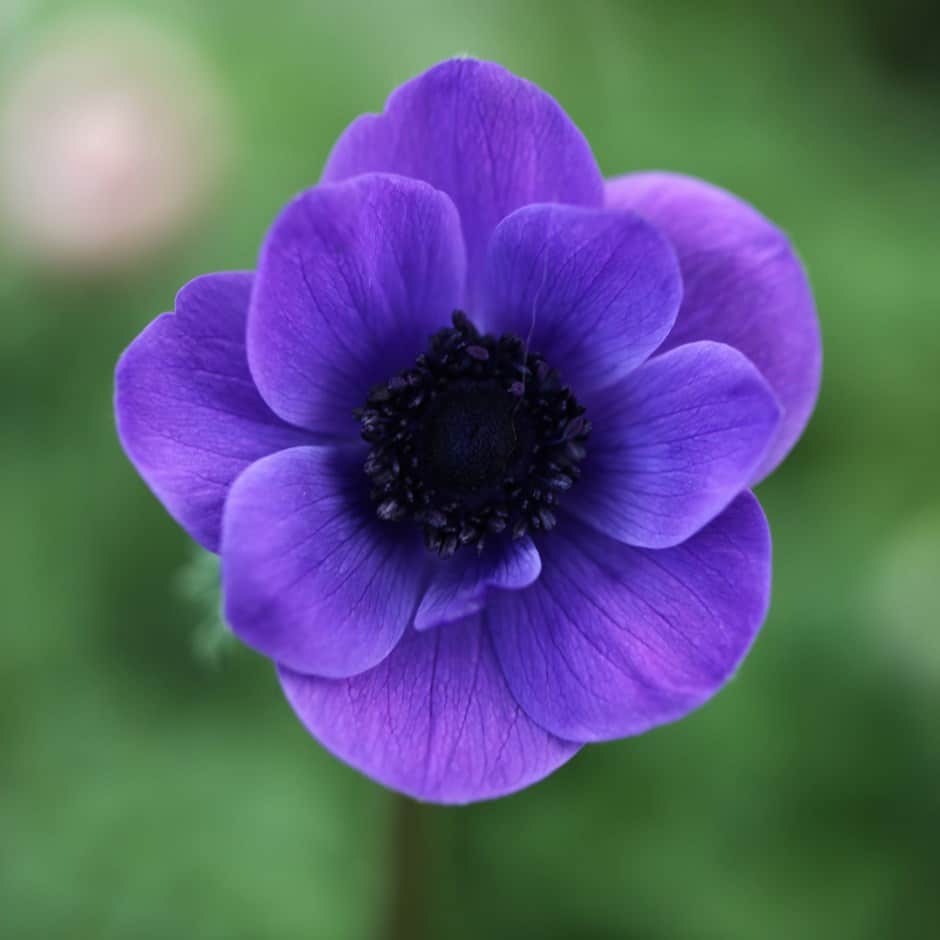
8. Anemone (Anemone blanda, Anemone hortensis)
With daisy-like flowers and a soft, romantic appeal, anemones bring early-season color to shady or semi-shaded areas.
-
Best Purple Varieties: ‘Blue Shades’, ‘Mr. Fokker’
-
Height: 6–12 inches
-
Bloom Time: Early spring
-
Light: Partial shade to full sun
-
Soil: Rich and well-drained
They’re great for naturalized areas, woodland gardens, and layering under shrubs.
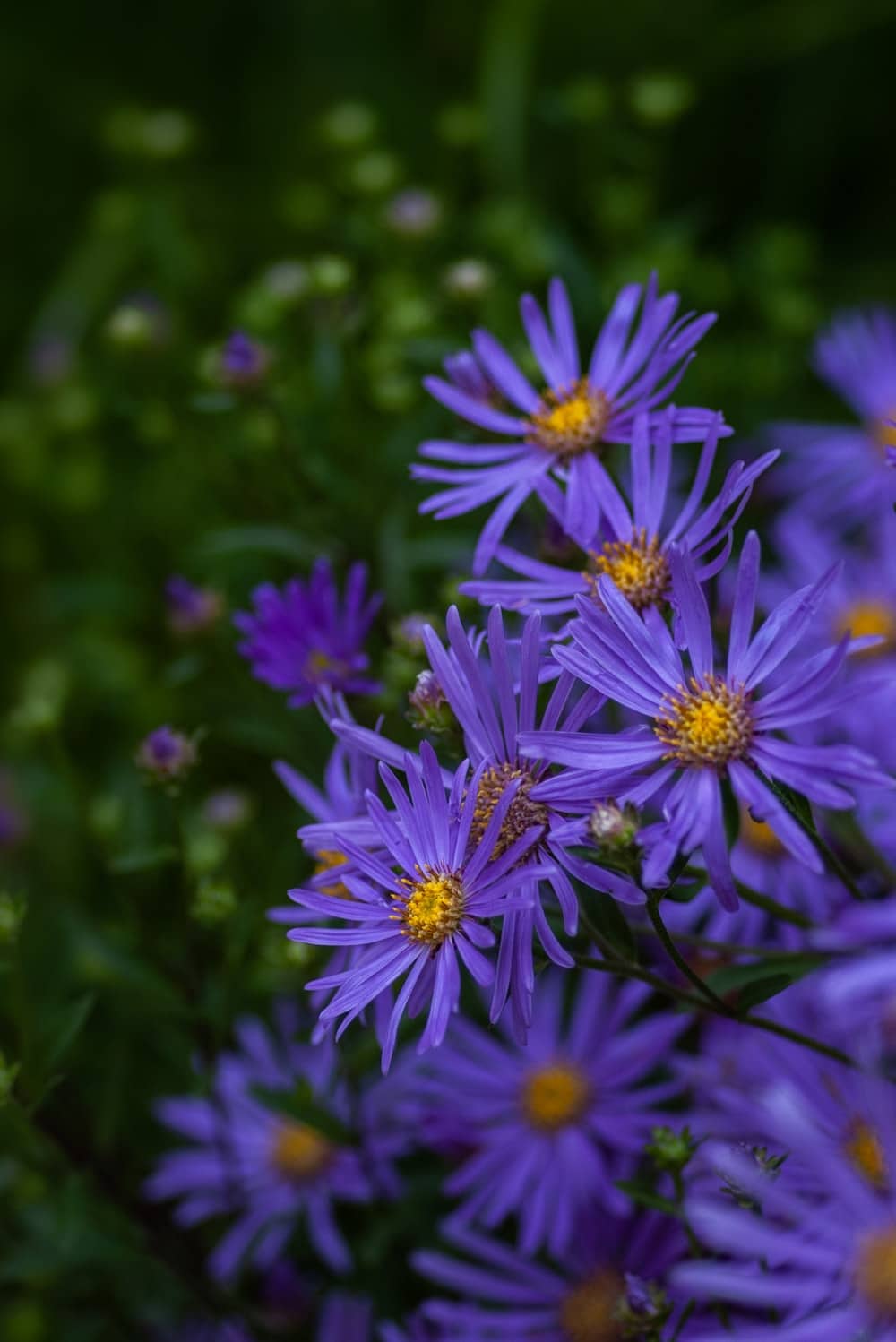
9. Aster (Symphyotrichum spp.)
Asters are star-shaped blooms that light up the garden in late summer and fall—when most other flowers are fading.
-
Height: 1–4 feet depending on variety
-
Bloom Time: Late summer to frost
-
Light: Full sun
-
Soil: Moist, well-drained
Asters are excellent for extending bloom time in pollinator gardens and are a favorite of monarch butterflies during migration season.
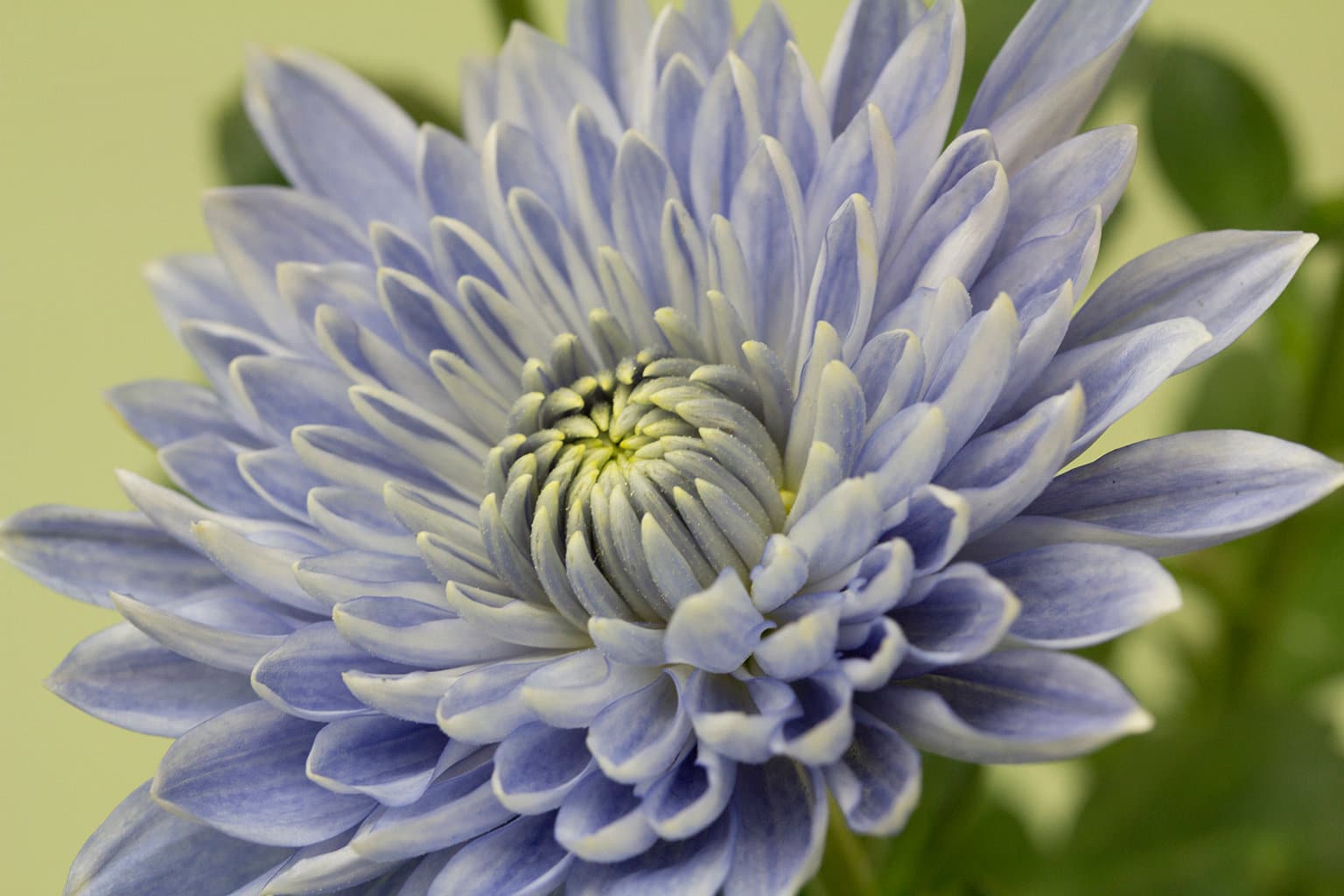
10. Chrysanthemum (Chrysanthemum morifolium)
Chrysanthemums, or mums, are a classic fall bloomer known for their full, layered blooms and broad range of colors—including lavender and deep violet varieties.
-
Height: 1–3 feet
-
Bloom Time: Late summer to fall
-
Care: Full sun, regular watering, pinch back in early summer for bushier growth
Varieties like ‘Lynn’, ‘Barbara’, and ‘Purple Mist’ make beautiful cut flowers and fall focal points.
Whether you’re building a bold purple-themed border or simply adding splashes of color to your garden beds, purple perennials offer a wide variety of textures, heights, and bloom times.
From early spring iris to fall-blooming asters and chrysanthemums, these long-lasting plants deliver both beauty and function.
Not only do they provide visual interest year after year, but many also support pollinators and require minimal maintenance once established.
No matter your garden size or sun exposure, there’s a purple-flowering perennial perfect for your landscape.