Herbs have been treasured for centuries for their culinary, medicinal, and aromatic properties.
Whether you’re enhancing your favorite dishes, preparing soothing teas, or enjoying their natural fragrance, having fresh herbs on hand is a wonderful addition to any home.
The good news? You don’t need a garden, potting soil, or even much gardening experience to grow herbs successfully.
Many common herbs can be propagated and grown indoors using nothing more than water, light, and a few simple containers.
This low-maintenance method is ideal for small kitchens, apartments, and anyone who wants to enjoy fresh herbs year-round.
In this guide, we’ll show you exactly how to grow herbs in water, including the types that work best, materials you’ll need, and essential care tips to keep your herbs thriving.
Why Grow Herbs in Water?
Growing herbs hydroponically (in water rather than soil) offers several benefits:
- No mess – You skip the need for soil, which means less cleanup.
- Low maintenance – No frequent watering or soil monitoring required.
- Pest-free – Soil-borne pests are eliminated, reducing plant stress.
- Easy propagation – You can grow herbs from grocery-store cuttings or your own plants.
Important Tips Before You Begin
Choose the Right Herbs
Not all herbs thrive in water. Perennial herbs or those grown from cuttings rather than seeds work best.
Annuals like dill, mustard, and cilantro typically need to be started in soil and then transitioned carefully to water (which doesn’t always succeed due to root type differences).
Use the Right Water
Avoid chlorinated tap water, as chlorine can damage plant tissue. Instead:
- Let tap water sit overnight to allow chlorine to evaporate.
- Use rainwater or spring water if available, as it contains beneficial minerals.
Select the Right Container
You can use:
- Mason jars
- Recycled glass bottles
- Plastic bottles with the tops cut off
Opt for colored or opaque containers, or wrap paper around clear jars to prevent light from reaching the roots. Light exposure encourages algae growth, which can compete with your herbs for nutrients and oxygen.
Container Mouth Size
Pick containers with narrow openings to help support the cuttings and keep them upright.
However, avoid tight necks that restrict airflow. Roots need oxygen to thrive, and a partially open mouth helps ensure a healthy environment.
How to Grow Herbs in Water
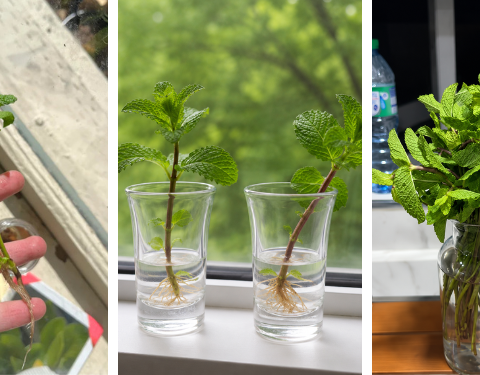
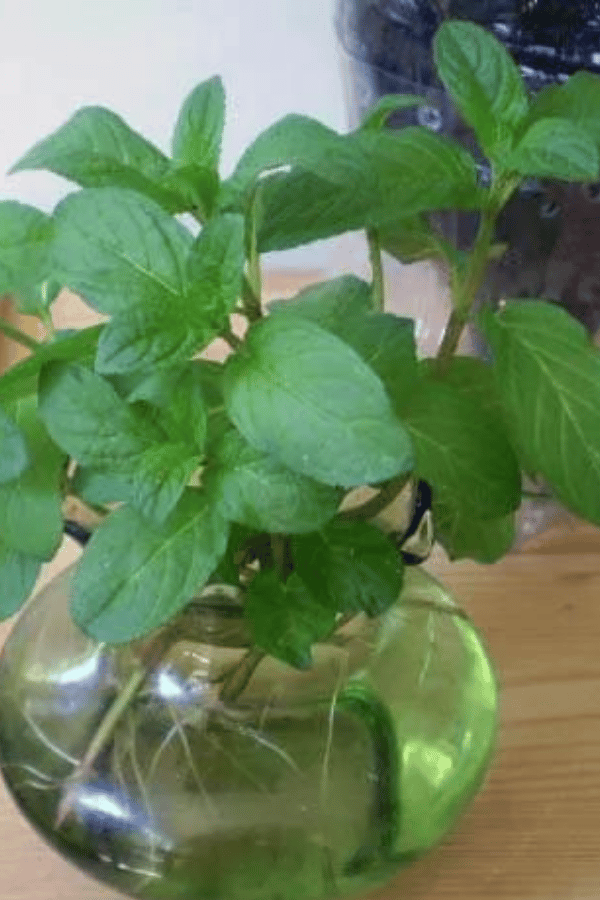
- Take soft herb cuttings, about 6 inches long, from actively growing parts of the plant.
- Remove leaves from the bottom portion of the cutting so no leaves are submerged in water — submerged leaves rot and can contaminate the water.
- Place the cuttings in your chosen container filled with water.
- Set your container in a sunny spot like a kitchen windowsill that receives at least 6 hours of light a day.
- Change the water every week, especially during the rooting stage.
- Once roots have developed (usually within 2–6 weeks), ongoing water changes are less frequent.
Optional Tip for Faster Rooting:
Soak willow branches in warm water overnight to create a natural rooting hormone, or use a commercial rooting hormone powder to stimulate quicker root development.
10 Best Herbs to Grow in Water Indoors
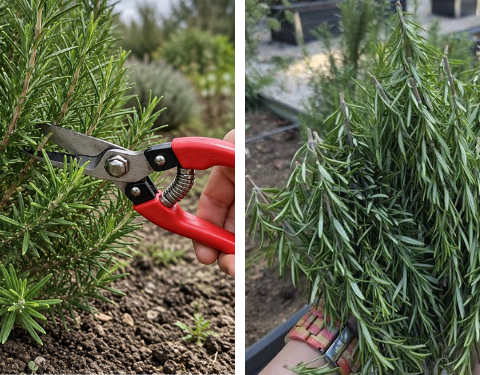
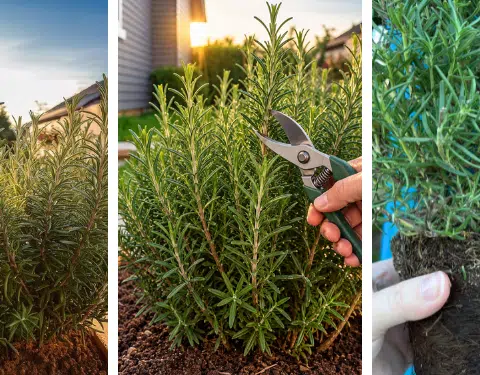
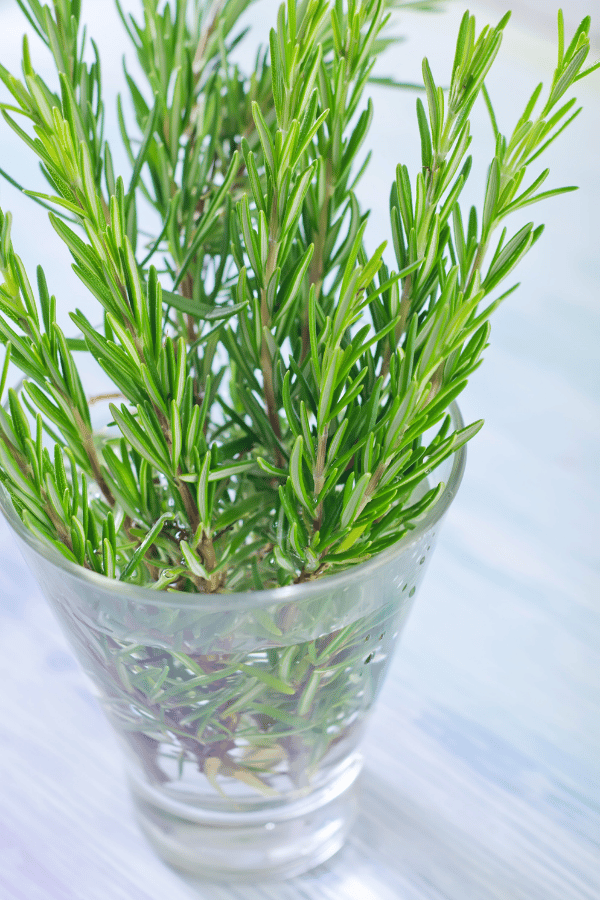
1. Rosemary
- Rosemary is semi-woody and can take a bit longer to root, but it’s worth the patience.
- Use fresh, green spring cuttings for the best results.
- Place the container in full sunlight.
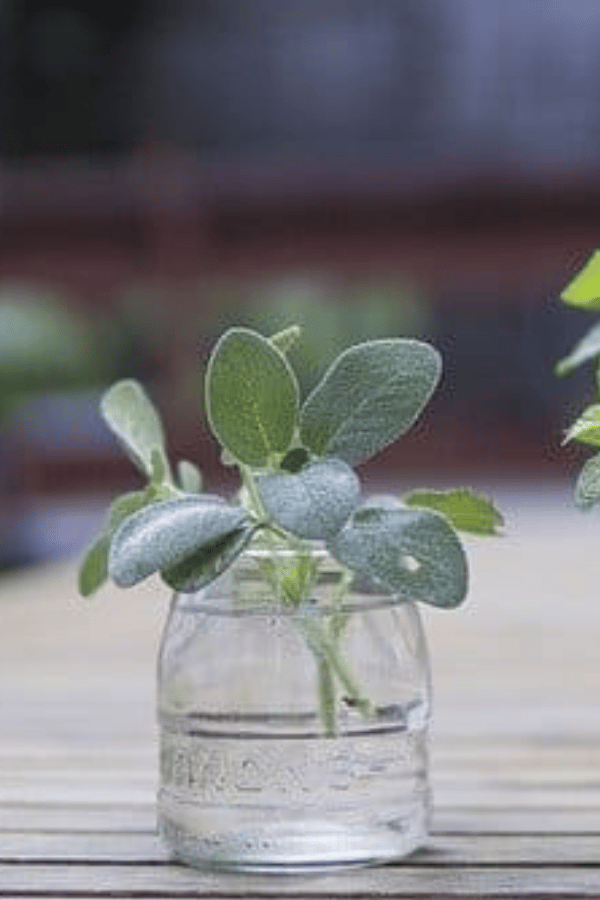
2. Sage
- Take soft sage cuttings in spring.
- Keep the jar in a bright, well-ventilated area to reduce the chance of mildew, as sage is sensitive to humid, stagnant conditions.
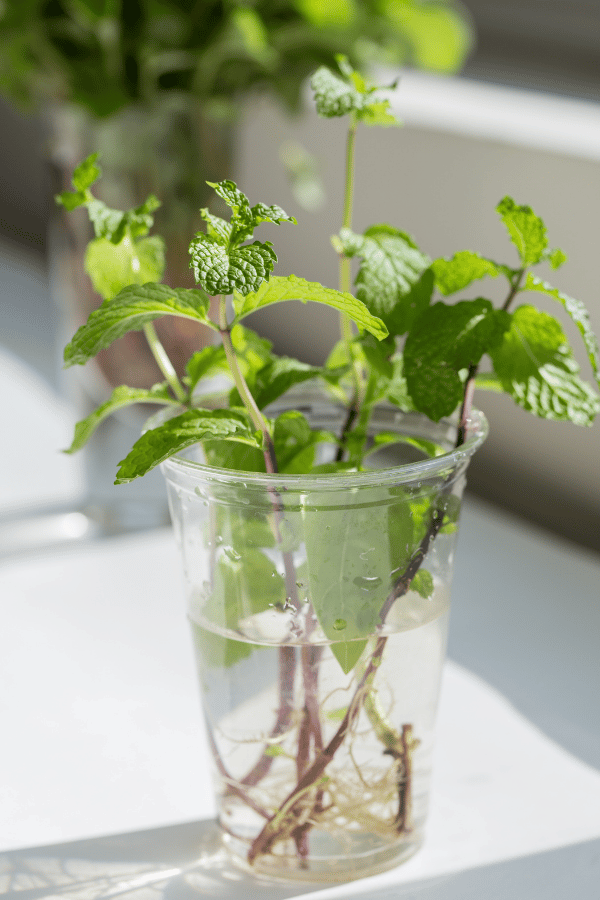
3. Peppermint
- This is one of the easiest herbs to grow in water.
- Rich in menthol, it delivers a fresh cooling sensation and requires very little care.
- Add a few fresh cuttings to a jar and let them root.
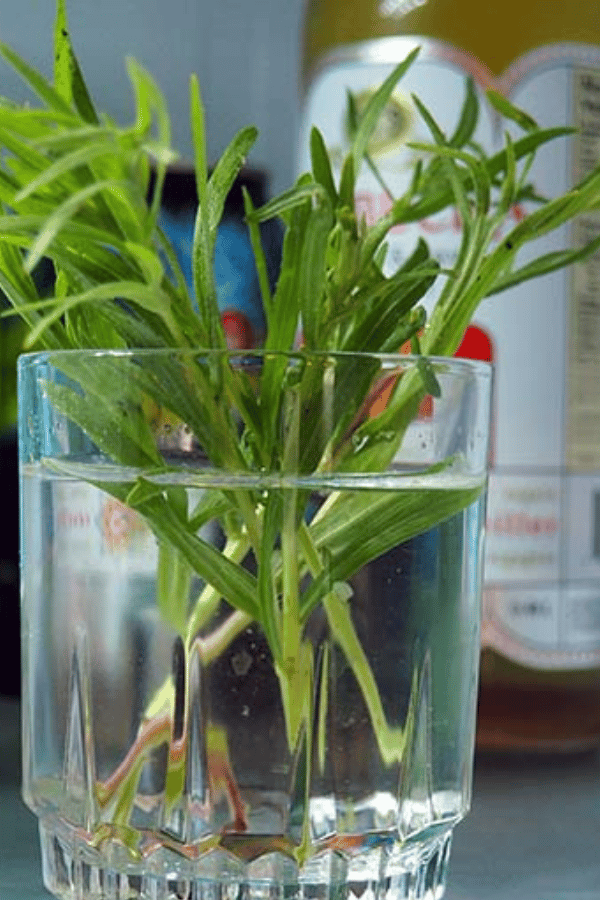
4. Tarragon
- Best grown from spring cuttings.
- Place in a sunny, warm area.
- French tarragon is preferred for culinary uses; Russian tarragon is better suited for salads and greens.
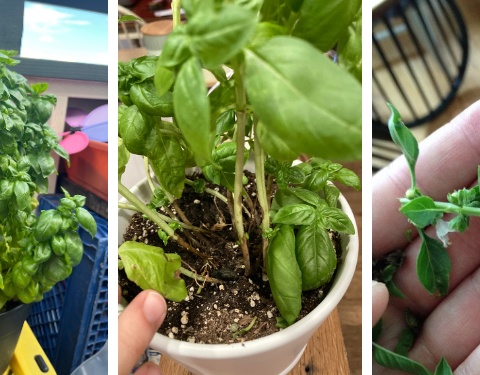
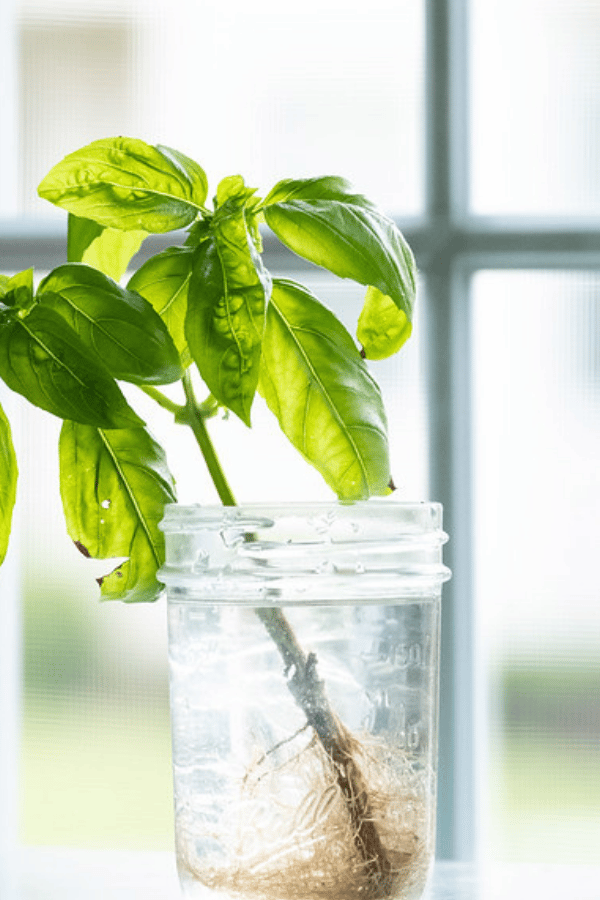
5. Basil
- Basil thrives in water and loves warmth.
- Cut stems before the plant flowers.
- Place in a sunny window and snip leaves often to encourage bushier growth.
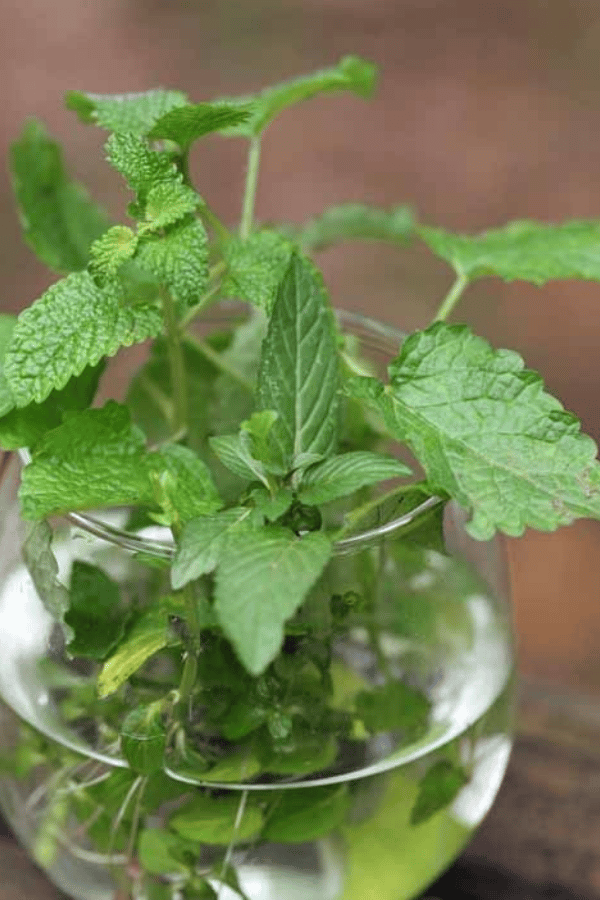
6. Spearmint
- Spearmint, a close relative of peppermint, grows just as easily in water.
- Follow the same steps as with peppermint and enjoy its slightly milder flavor.
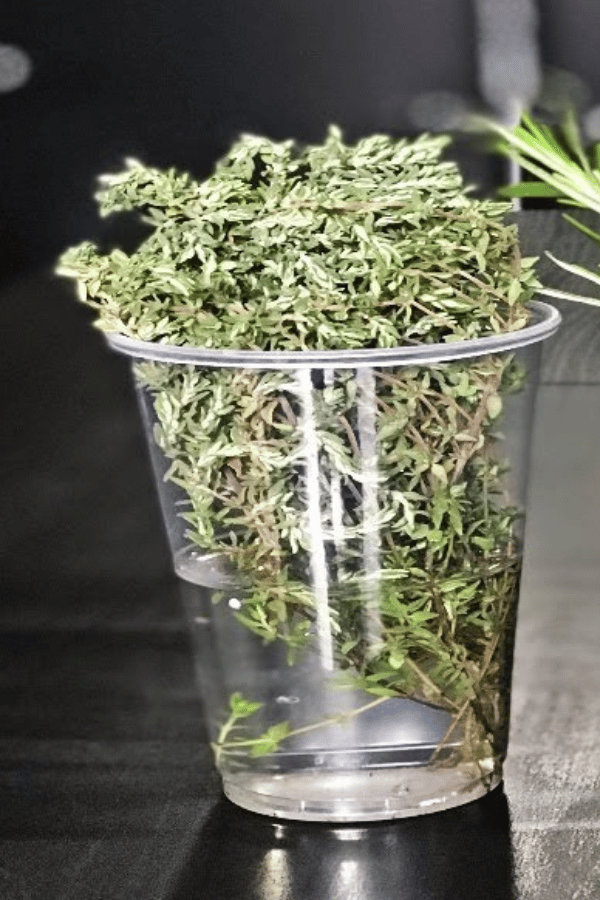
7. Thyme
- Use young, green cuttings taken in spring or early summer before the plant flowers.
- Mist the upper parts of the cutting while roots develop to prevent them from drying out.
- Once rooted, trim often to encourage branching.
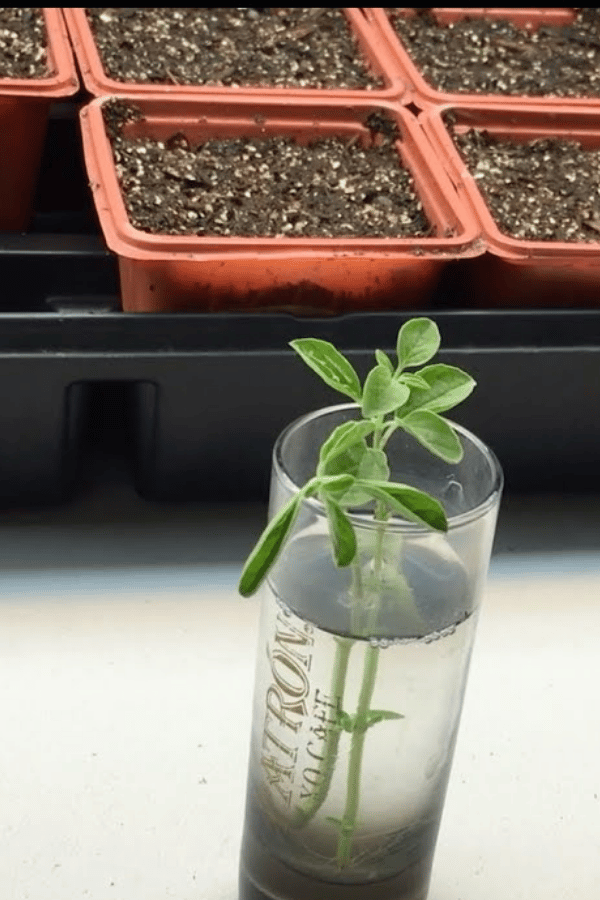
8. Oregano
- Place fresh oregano cuttings in water and keep in a bright location.
- Pinch back growing tips regularly to promote fuller growth and prevent legginess.
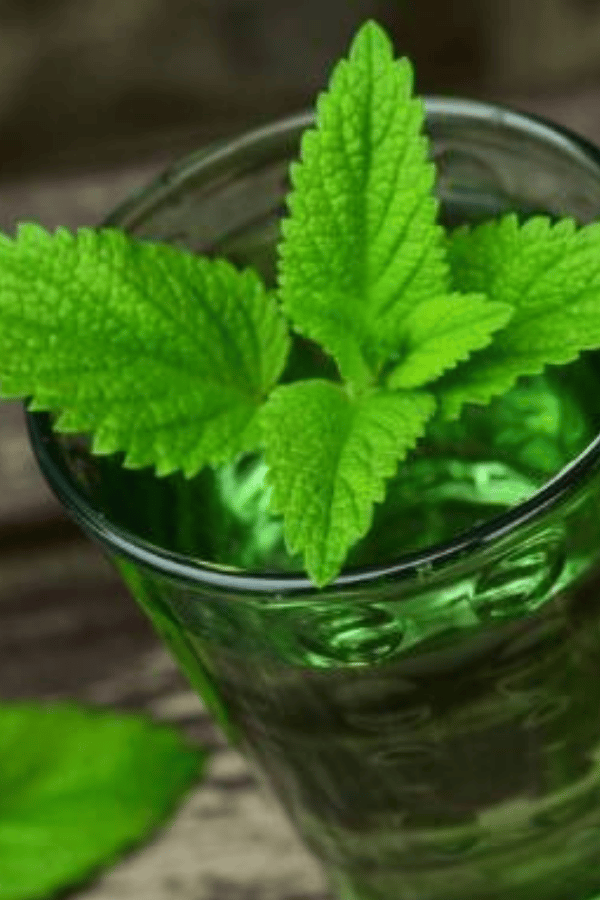
9. Lemon Balm
- Take spring or fall cuttings and root them in bright indirect sunlight.
- Roots will typically appear in 3–4 weeks.
- Lemon balm makes a calming herbal tea and is known for its mild lemon scent.
10. Stevia
- Cut actively growing branches and place them in warm, sunny spots.
- Stevia can be used as a natural sweetener in teas and other beverages.
- Harvest leaves before the plant flowers for the sweetest flavor.
Growing herbs in water is a sustainable, space-saving way to enjoy fresh flavors all year long.
Whether you’re preparing meals, brewing tea, or adding natural fragrance to your kitchen, these herbs are as functional as they are beautiful.
This method is also a great introduction to hydroponics and indoor gardening — requiring minimal space, effort, and expense. Best of all, many of these herbs can regrow from cuttings, making your supply virtually endless.
With the tips above and just a little weekly maintenance, you’ll have an endless garden of flavor and wellness thriving right in your home.