Many gardeners plant annuals that die off in winter and need replanting every year. But wouldn’t it be great to grow perennials—plants that come back year after year with little effort?
Perennial plants offer long-term harvests, reduce maintenance, and save money on seeds and transplants every season.
Before choosing which perennials to grow, check your climate and USDA growing zone, as not all perennials thrive in all locations.
In this guide, we’ll explore 10 of the best perennial plants to grow in your garden for delicious harvests every year!
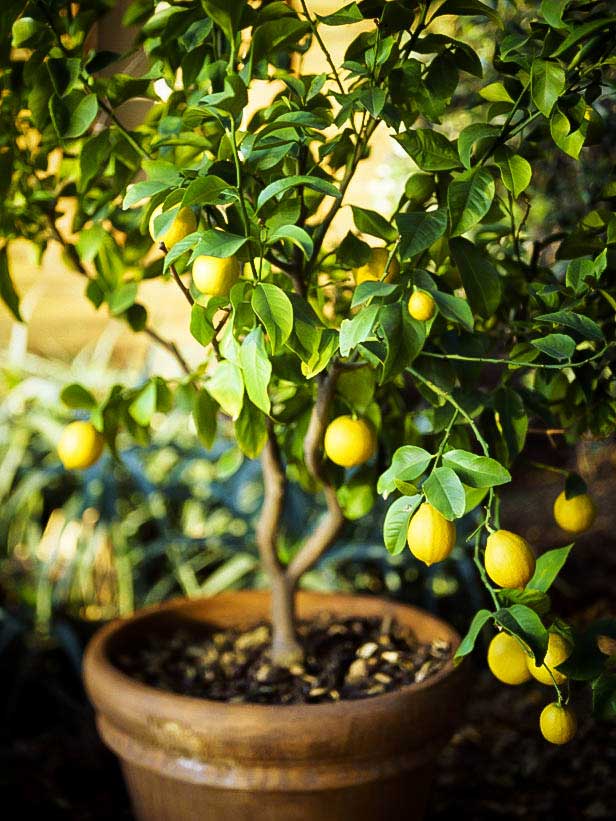
1. Lemon (Citrus limon) – The Ultimate Vitamin C Boost
Why Grow It?
- Aromatic fruits rich in Vitamin C.
- Attractive evergreen tree with fragrant blooms.
- Produces for decades with proper care.
How to Grow Lemon Trees:
- Best suited for tropical and subtropical climates (Zones 9-11).
- Needs full sun and well-drained soil.
- Fertilize monthly from spring to summer with nitrogen-rich fertilizer.
- If you live in a cooler climate, plant in a large pot and bring indoors in winter.
Harvest Tip: Lemons take 6-9 months to ripen. Pick them when fully yellow for the best flavor!
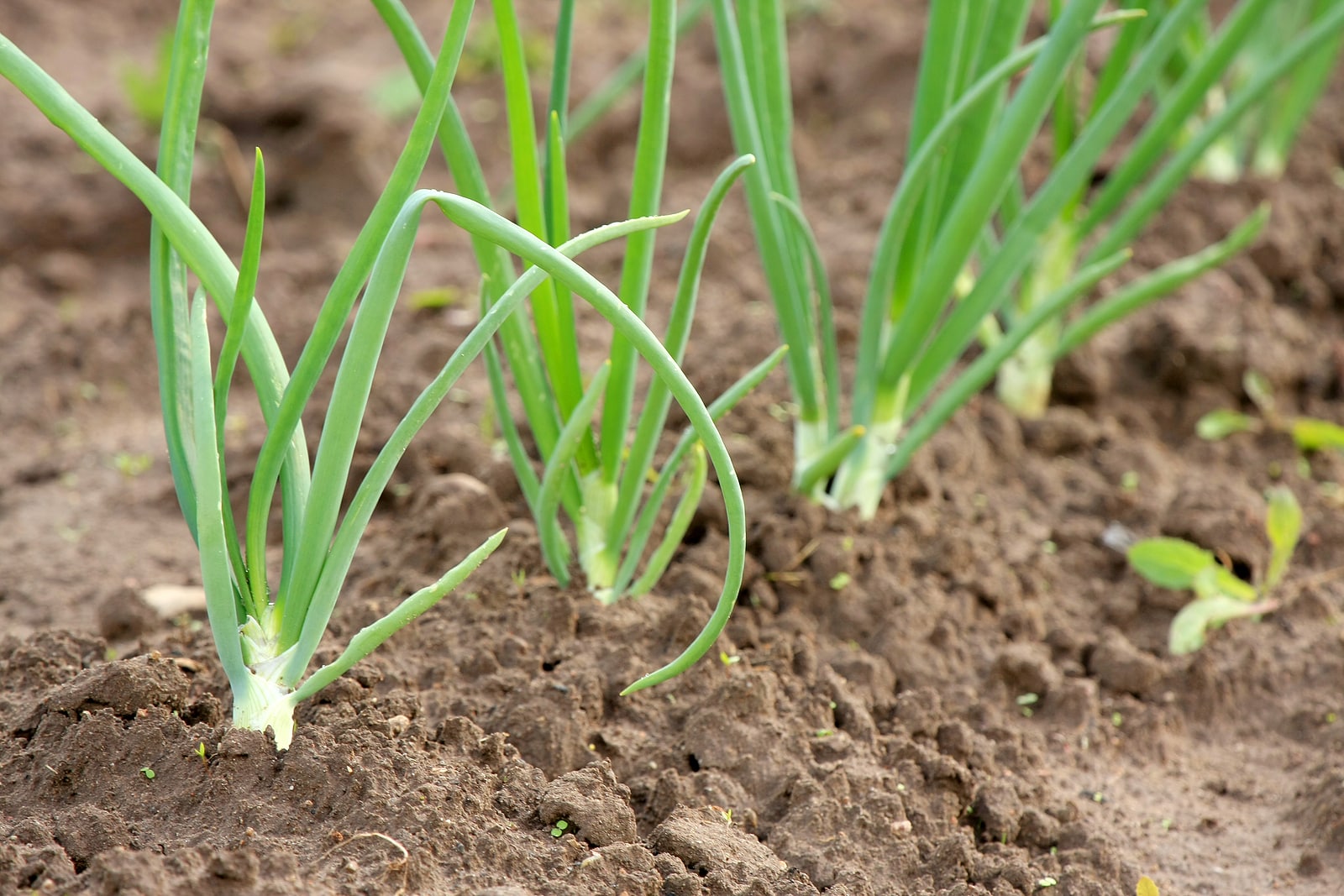
2. Onions & Garlic – The Flavorful Kitchen Staples
Why Grow Them?
- Hardy perennials that survive winter frosts.
- Require minimal care and reseed themselves naturally.
How to Grow Onions & Garlic:
- Plant onion sets and garlic cloves in fall for spring harvest.
- Grow in well-draining soil with full sun.
- Leave some plants in the ground to flower and self-seed for continuous harvests.
Harvest Tip: Allow onion tops to die back naturally before harvesting bulbs for storage.
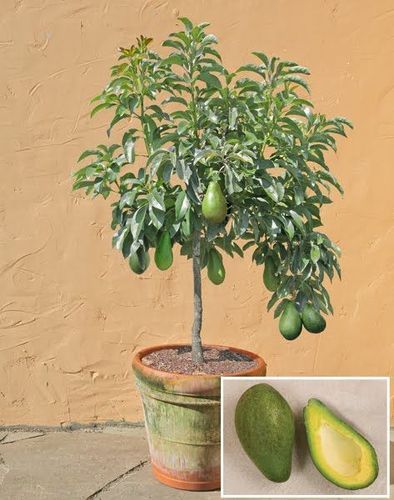
3. Avocado (Persea americana) – A Superfood That Keeps Giving
Why Grow It?
- Produces nutrient-dense fruits rich in healthy fats.
- One tree can produce up to 200 avocados per year.
- Long lifespan—trees can live over 100 years.
How to Grow Avocado Trees:
- Prefers warm climates (Zones 9-11).
- Plant in well-drained soil with full sun.
- Needs regular watering when young but is drought-tolerant when mature.
- Grows from seed but takes 5-13 years to fruit—buy a grafted tree for quicker harvests (3-4 years).
Harvest Tip: Avocados don’t ripen on the tree—pick them when mature and let them soften indoors.
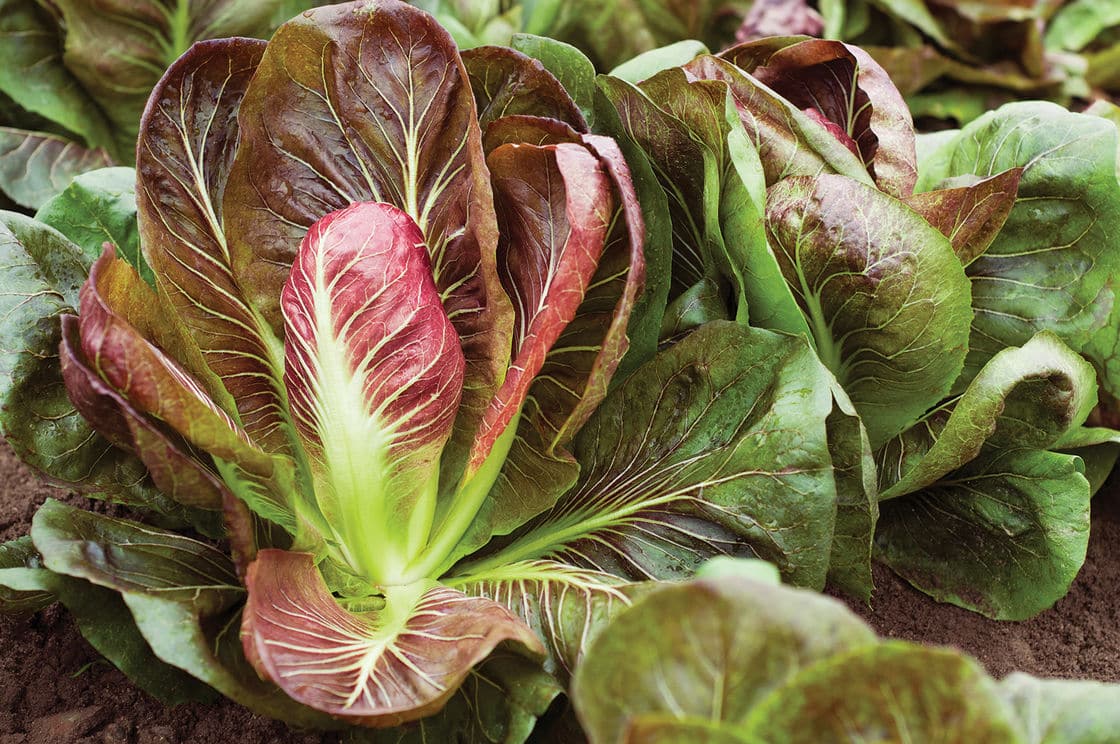
4. Radicchio (Cichorium intybus) – A Colorful, Bitter Green
Why Grow It?
- Adds vibrant red hues to salads.
- Cold-hardy and thrives in cool weather.
How to Grow Radicchio:
- Plant in early spring or late summer for best results.
- Needs full sun to partial shade.
- Water consistently but avoid overwatering.
Harvest Tip: Pick outer leaves as needed, or cut the entire head when mature.
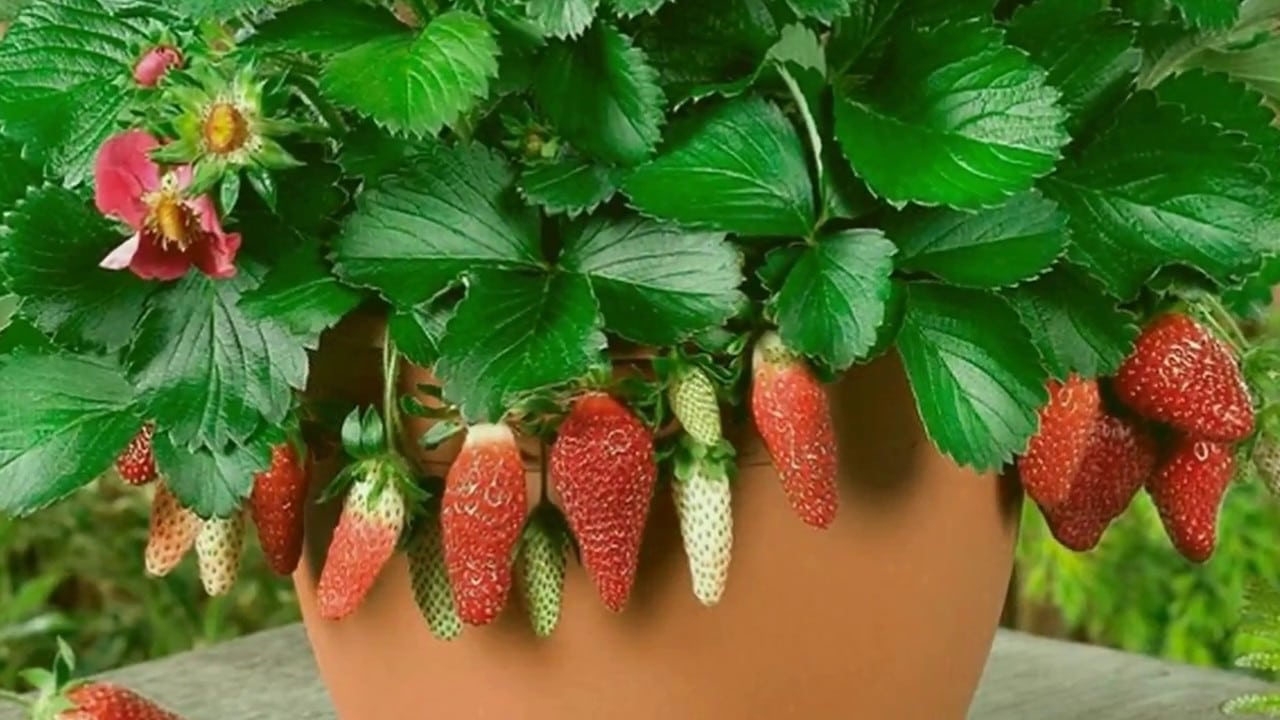
5. Strawberries (Fragaria × ananassa) – Sweet & Homegrown Goodness
Why Grow Them?
- Fresh, juicy berries are far superior to store-bought ones.
- Perennial plant that spreads through runners.
How to Grow Strawberries:
- Plant in early spring in well-drained soil with full sun.
- Water regularly—strawberries need consistent moisture.
- Remove excess runners for better fruit production.
Harvest Tip: Pick when fully red and fragrant—strawberries don’t ripen after harvest.
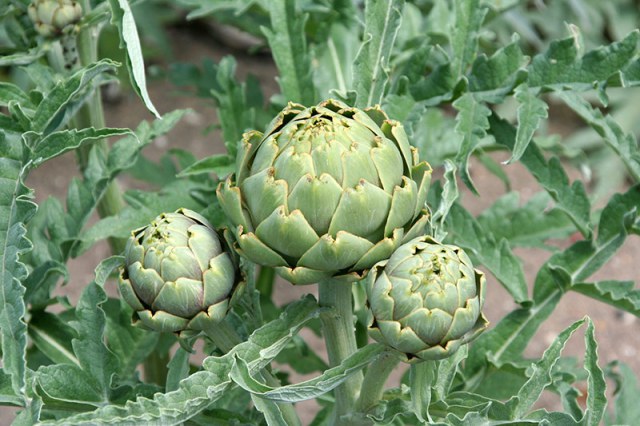
6. Artichoke (Cynara scolymus) – The Heirloom Perennial Vegetable
Why Grow It?
- Grown for its delicious flower buds.
- Lasts for years in warm climates.
How to Grow Artichokes:
- Best for Zones 7-11 but can grow annually in colder areas.
- Plant in rich, well-drained soil with full sun.
- Needs regular watering but dislikes soggy roots.
Harvest Tip: Cut buds before they fully open for tender, flavorful artichokes.
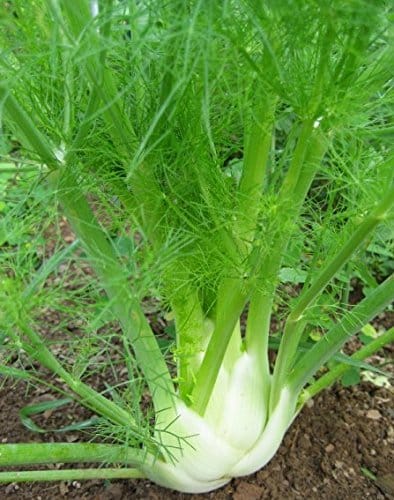
7. Fennel (Foeniculum vulgare) – A Fragrant Herb & Vegetable
Why Grow It?
- Edible bulbs, leaves, and seeds.
- Adds aromatic flavor to dishes.
How to Grow Fennel:
- Prefers full sun and light, well-draining soil.
- Water regularly but avoid overwatering.
Harvest Tip: Pick bulbs when they reach the size of a fist and use leaves for seasoning.
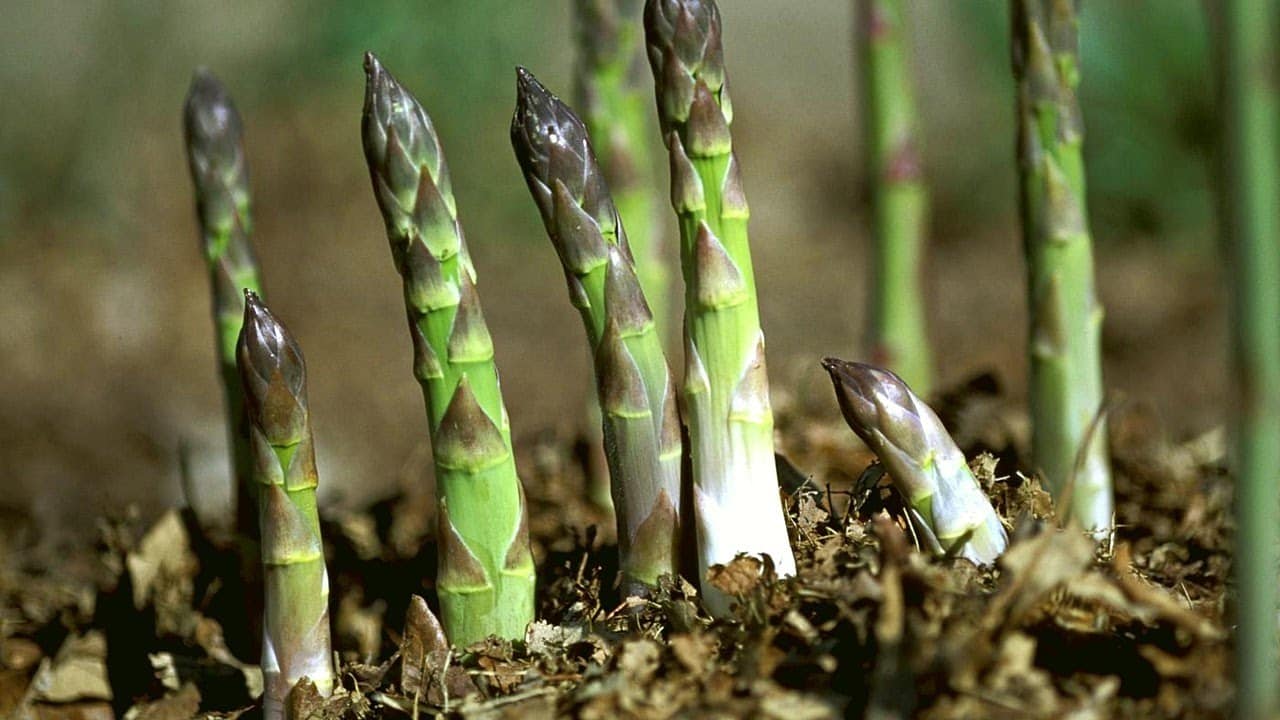
8. Asparagus (Asparagus officinalis) – A Long-Lived Spring Favorite
Why Grow It?
- Returns for up to 30 years once established.
- One of the first spring crops.
How to Grow Asparagus:
- Plant crowns in early spring in deep, rich soil.
- Needs full sun and space—asparagus plants grow large.
- Avoid harvesting in the first year—let roots develop.
Harvest Tip: Pick spears when they’re 6-8 inches tall for tender texture.
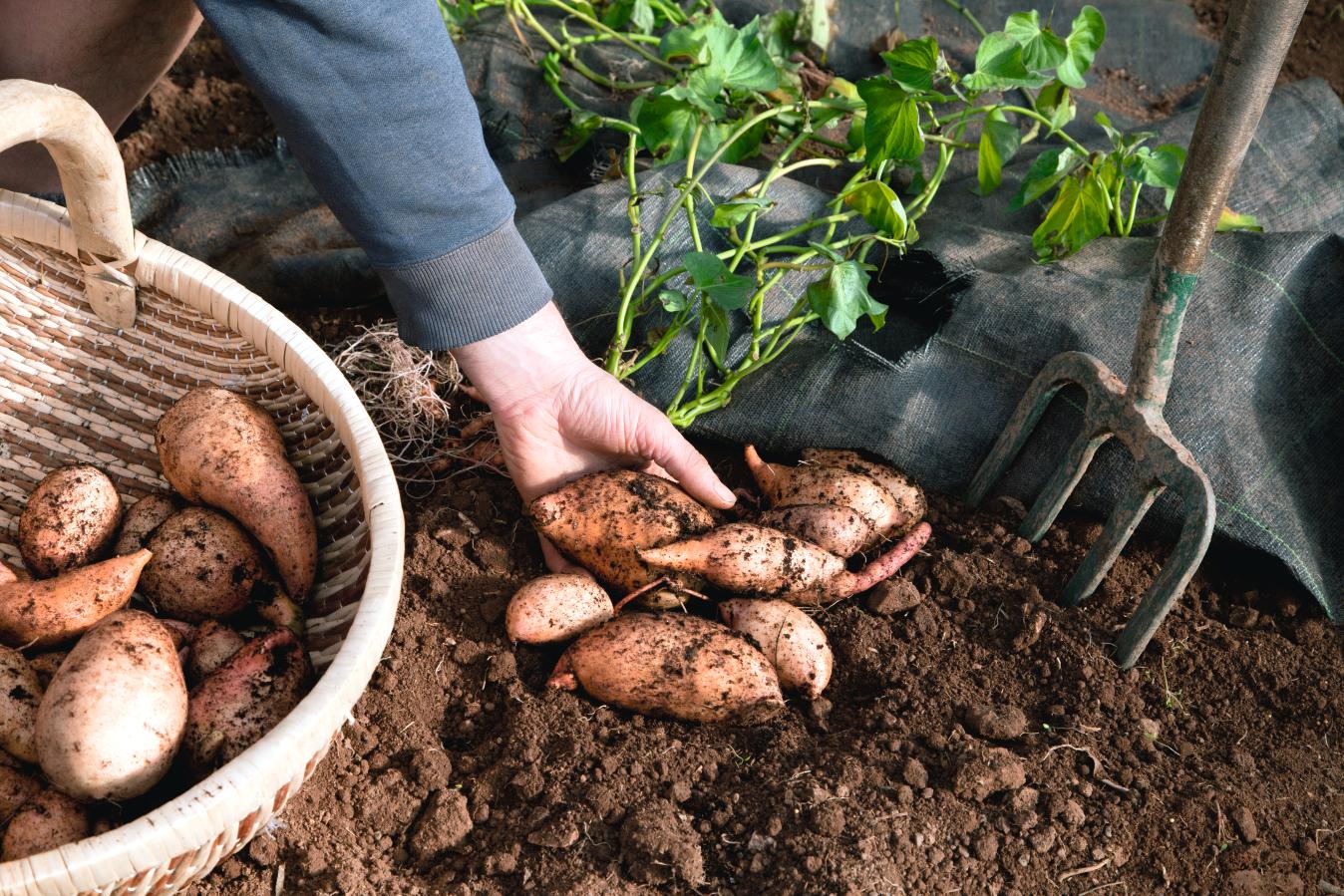
9. Sweet Potatoes (Ipomoea batatas) – Easy & Abundant Grower
Why Grow Them?
- Extremely productive—one plant yields many tubers.
- Drought-resistant and low-maintenance.
How to Grow Sweet Potatoes:
- Plant in warm soil (Zones 7-11).
- Needs full sun and loose, sandy soil.
- Space plants 12-18 inches apart for best results.
Harvest Tip: Dig up tubers before the first frost for the sweetest flavor.
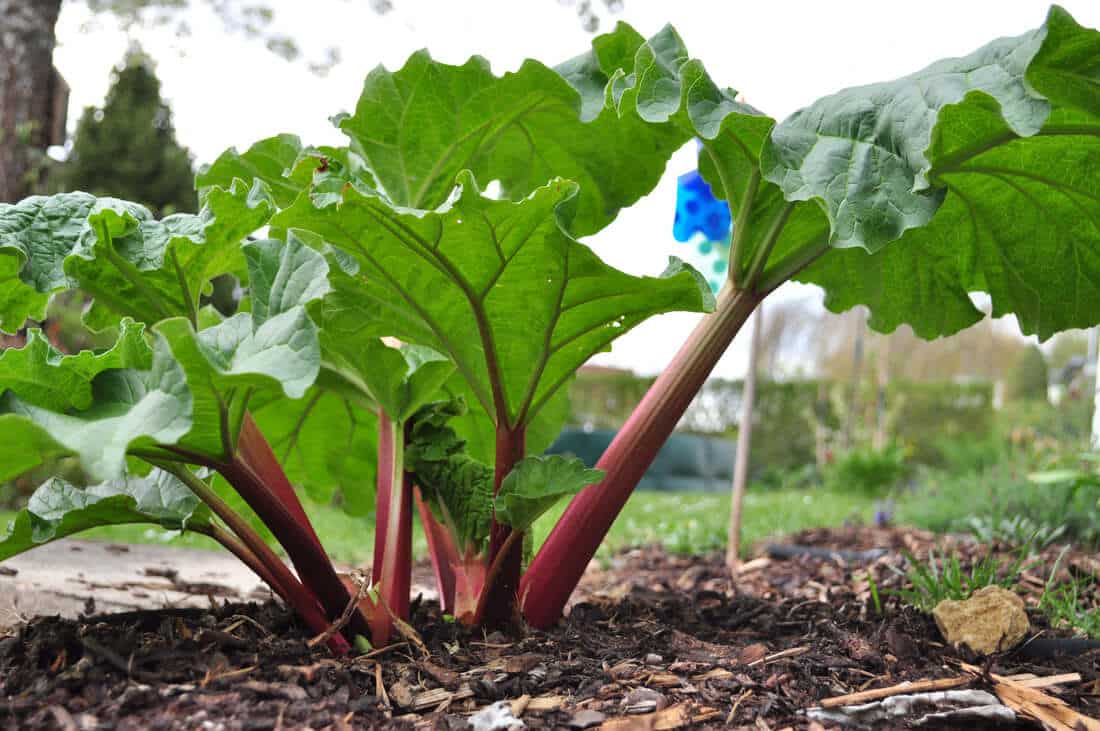
10. Rhubarb (Rheum rhabarbarum) – The Pie-Making Favorite
Why Grow It?
- Produces for decades once established.
- One of the first plants to emerge in spring.
How to Grow Rhubarb:
- Best suited for cool climates (Zones 3-7).
- Requires winter chilling below 40°F to thrive.
- Plant in rich, well-drained soil with full sun.
Harvest Tip: Cut stalks when they turn red—discard leaves (they’re toxic).
Growing perennial fruits and vegetables is a smart investment for any gardener.
These plants provide yearly harvests with minimal effort, making them cost-effective and time-saving.
- Less maintenance – No replanting every year.
- Higher yields over time – Some plants produce for decades.
- Better soil health – Fewer disturbances mean healthier soil.
Start incorporating perennials into your garden today, and enjoy fresh, delicious harvests for years to come!