If you live in an apartment where outdoor space is limited—or non-existent—you might assume growing your own food is impossible.
However, with the right plants and a little creativity, you can cultivate fresh, homegrown produce right inside your home.
Whether you have a sunny windowsill, a small balcony, or even just a countertop, you can grow a surprising variety of fruits, vegetables, and herbs indoors.
Here’s a list of 10 edible plants you can grow indoors, no garden required!
1. Herbs: The Easiest Indoor Edibles
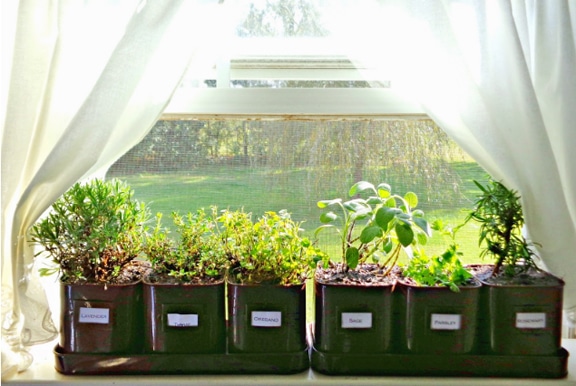
Herbs are one of the easiest plants to grow indoors, making them perfect for beginners.
They require minimal space, are low-maintenance, and add incredible flavors to home-cooked meals.
Best Herbs to Grow Indoors
- Basil – Loves warmth and lots of sunlight. Trim it frequently to encourage new growth.
- Thyme – Thrives in dry soil and needs bright, direct light.
- Chives – Hardy and fast-growing, perfect for garnishing dishes.
- Mint – Grows aggressively, so plant it in its own pot. Prefers indirect light.
- Rosemary – A Mediterranean herb that requires good airflow and bright sunlight.
- Cilantro – Prefers cooler temperatures and needs to be harvested frequently.
- Ginger – Grows well indoors from a fresh ginger root. Takes several months to mature.
How to Grow Herbs Indoors
- Use a sunny south- or west-facing window.
- Plant in well-draining pots with quality potting soil.
- Water when the soil feels dry, but don’t overwater.
- Trim regularly to encourage new growth.
2. Garlic Greens: A Quick & Easy Harvest
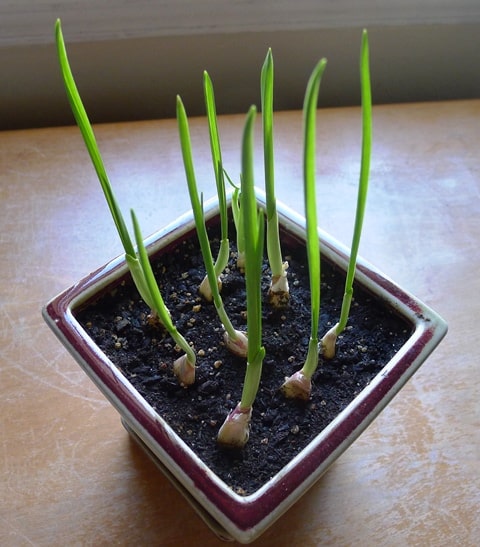
While growing full garlic bulbs indoors is challenging, garlic greens (garlic shoots) are a great alternative. They have a mild garlic flavor and can be used as a garnish in salads, soups, and stir-fries.
How to Grow Garlic Greens Indoors
- Take a garlic bulb and separate the cloves.
- Plant them in a small pot with soil, root-end down, covering with 1 inch of soil.
- Place in a sunny spot and water lightly.
- Within 2-3 weeks, you’ll have fresh garlic greens ready to snip and enjoy!
3. Tomatoes: The Ultimate Indoor Fruit
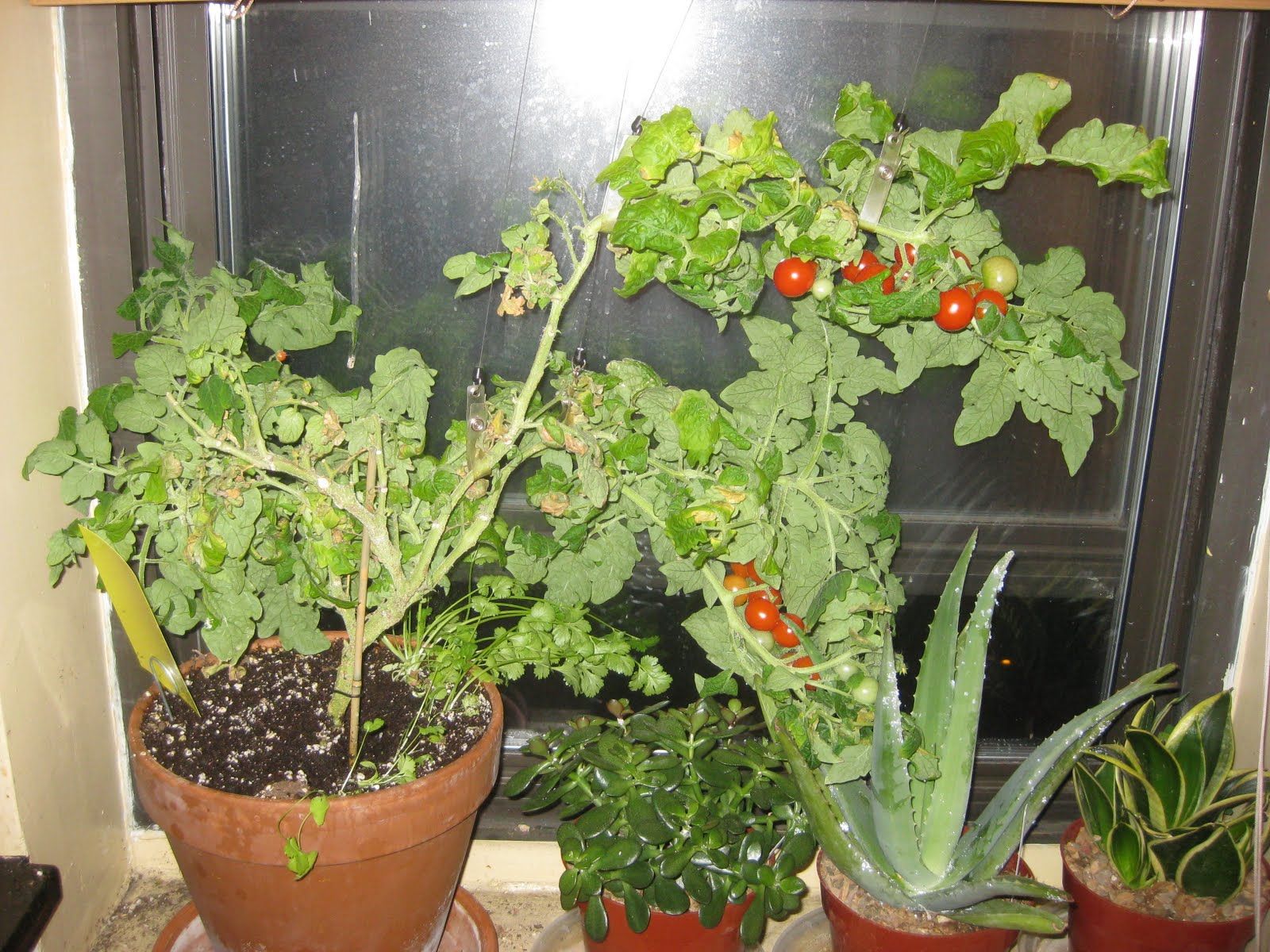
Tomatoes are one of the most popular homegrown foods, and you don’t need a garden to enjoy their fresh, juicy flavor.
While larger varieties require significant space, dwarf and cherry tomato varieties can be grown indoors with the right conditions.
How to Grow Tomatoes Indoors
- Choose a compact or dwarf variety like Tiny Tim, Red Robin, or Micro Tom.
- Use a 5-gallon container with drainage holes.
- Position in bright sunlight (south-facing window) or supplement with grow lights.
- Keep the indoor temperature between 65-75°F for best results.
- Support the plant with a small trellis or stake.
- Water consistently and fertilize every two weeks with a balanced fertilizer.
4. Peppers: Spice Up Your Indoor Garden
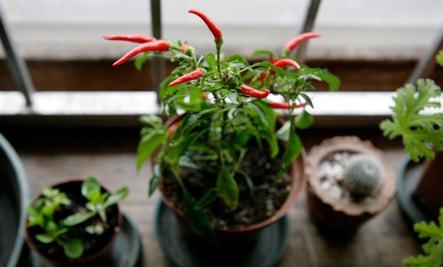
Hot and sweet peppers are surprisingly easy to grow indoors. As long as they receive at least 6-8 hours of bright light daily, they will produce flavorful fruits.
How to Grow Peppers Indoors
- Use a 2-5 gallon pot, depending on the variety.
- Place in a warm, sunny location (at least 70°F).
- Choose compact pepper varieties like Thai chilies, banana peppers, or jalapeños.
- Keep soil evenly moist but not soggy.
- Hand-pollinate by gently shaking the plant or using a small paintbrush to transfer pollen.
5. Radishes: Fast & Foolproof
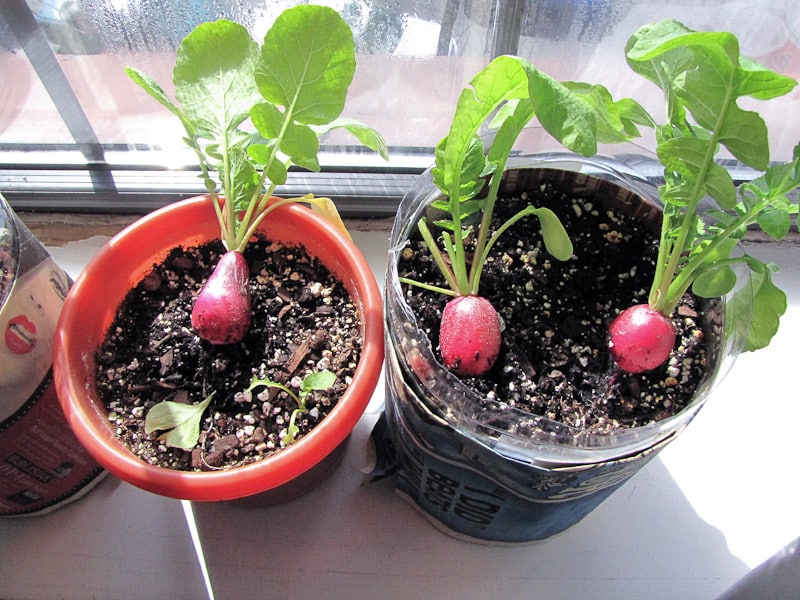
Radishes are one of the fastest-growing vegetables, making them ideal for indoor gardening. Some varieties are ready to harvest in as little as 3 weeks!
How to Grow Radishes Indoors
- Use a shallow container (at least 6 inches deep).
- Sow seeds directly in the soil and cover lightly.
- Keep in a cool location with bright light.
- Water consistently and harvest within 3-4 weeks.
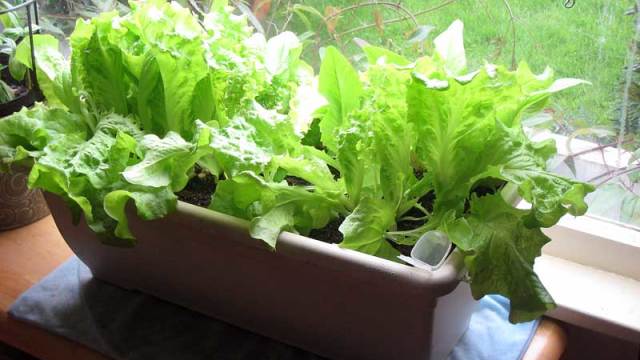
6. Leafy Greens: Fresh Salads All Year
Lettuce, spinach, and other leafy greens are low-maintenance, grow quickly, and thrive in indirect light, making them perfect for small spaces.
How to Grow Leafy Greens Indoors
- Choose a long planter or shallow pot.
- Sow seeds directly in the soil and mist with water.
- Position in a bright window but avoid direct sunlight.
- Harvest by snipping outer leaves while allowing the center to keep growing.
7. Bell Peppers: A Sweet Indoor Treat
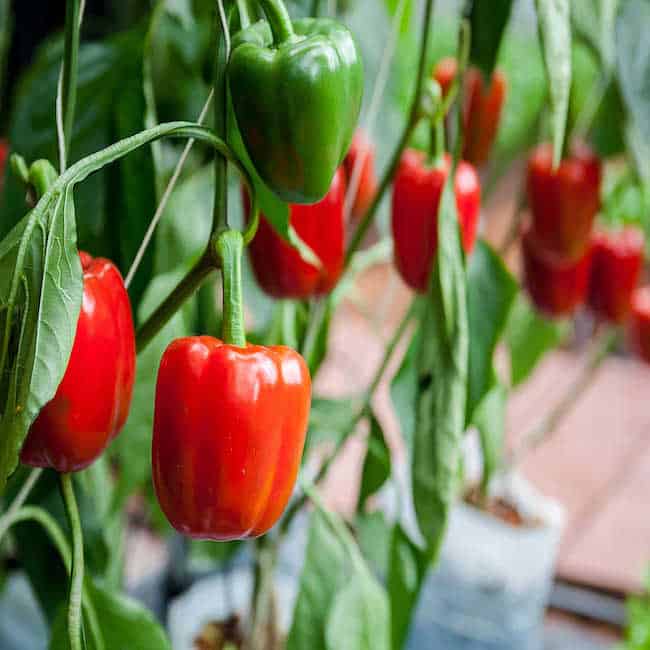
While we covered hot peppers earlier, bell peppers deserve their own mention! These large, sweet fruits can thrive indoors if given enough space and sunlight.
How to Grow Bell Peppers Indoors
- Use a 2-5 gallon pot for each plant.
- Provide 8-10 hours of bright light per day.
- Keep temperatures between 70-80°F.
- Water regularly but allow the topsoil to dry out between waterings.
8. Carrots: The Perfect Indoor Root Veggie
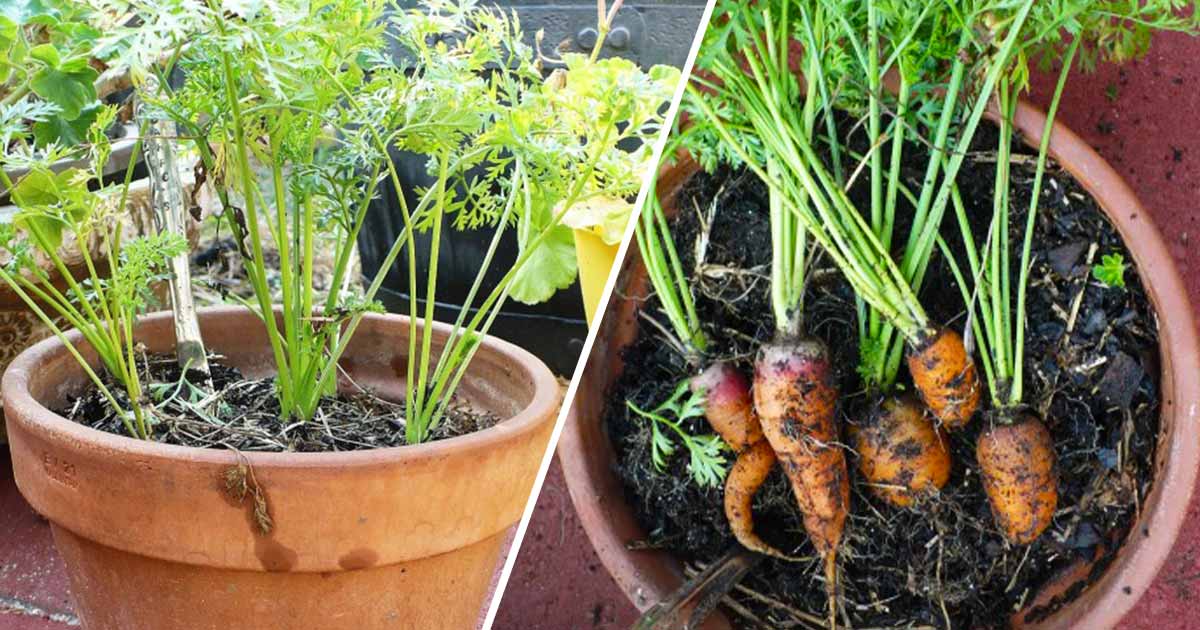
Carrots are an excellent indoor crop that grows well in deep containers or window boxes.
How to Grow Carrots Indoors
- Use a pot at least 8 inches deep.
- Sow seeds ½ inch apart and cover lightly with soil.
- Keep soil moist but not soggy.
- Place in a cool, bright spot.
- Harvest in 2-3 months, depending on the variety.
9. Green Beans: Climbing to Success
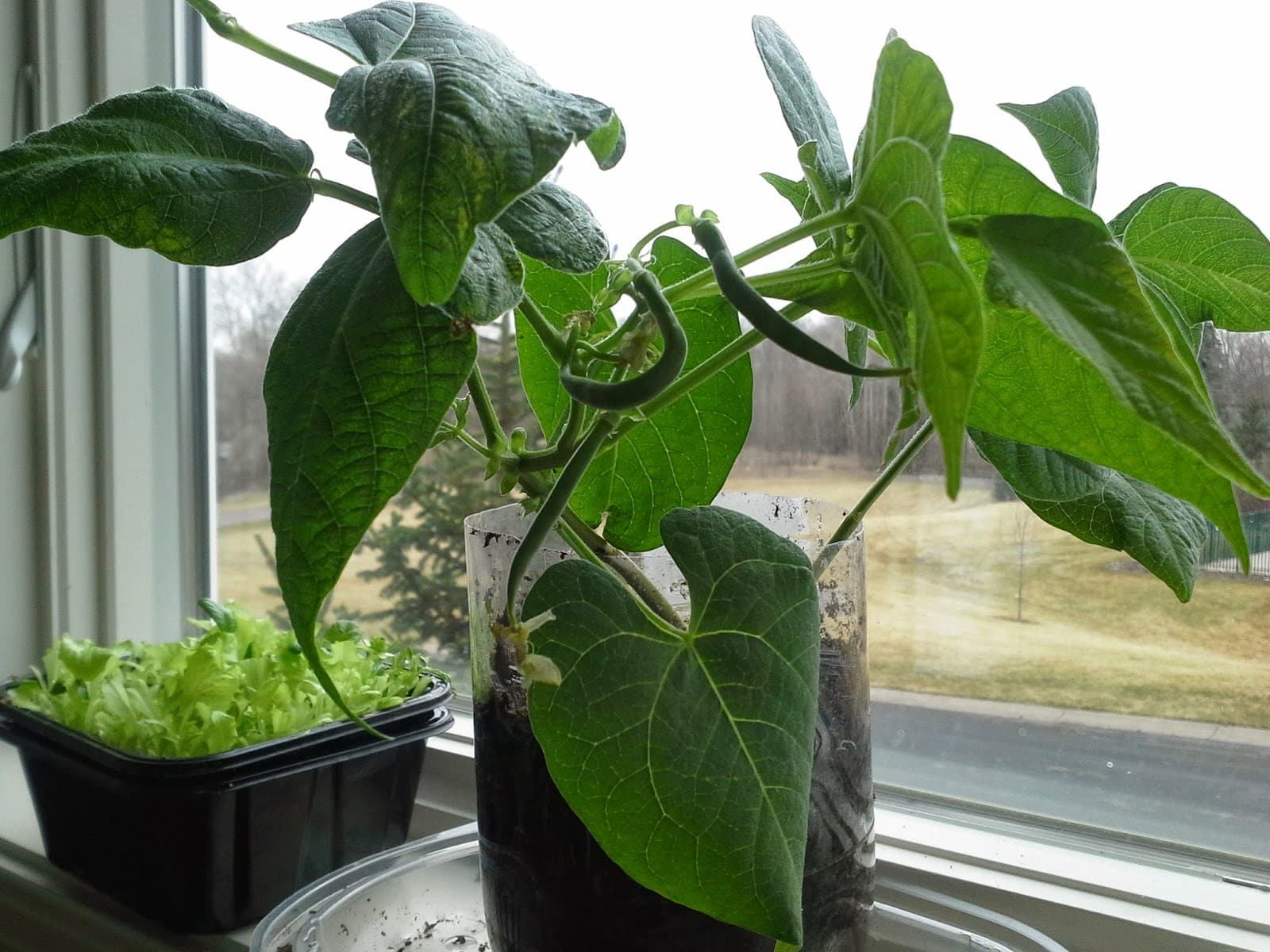
Green beans are vigorous growers that adapt well to indoor conditions. As long as they have a sunny window and proper support, they’ll produce delicious pods in no time.
How to Grow Green Beans Indoors
- Use a deep pot (10 inches or more) with a trellis or stake.
- Choose bush varieties for compact spaces.
- Place in a sunny window with 6-8 hours of light daily.
- Water regularly and fertilize every 2 weeks.
10. Scallions (Green Onions): A Regrowable Favorite
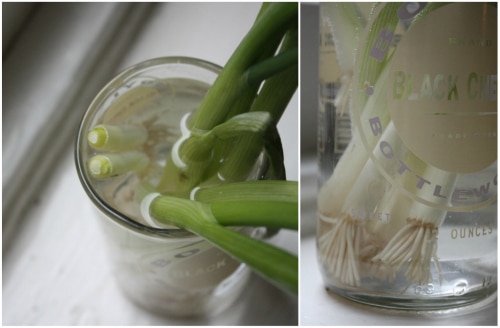
Scallions are one of the easiest vegetables to grow indoors because they regrow quickly from scraps!
How to Grow Scallions Indoors
- Take store-bought scallions and place the white root ends in a cup of water.
- Position in a sunny spot and change the water every few days.
- In just 5-7 days, you’ll have fresh green onion tops ready to snip and use!
Even without outdoor space, you can still enjoy fresh, homegrown food year-round. Whether you’re growing herbs for cooking, leafy greens for salads, or peppers and tomatoes for homegrown flavor, there’s an indoor gardening solution for every space.
Tips for Success:
- Provide bright light (consider grow lights for low-light spaces).
- Use well-draining pots to prevent root rot.
- Water consistently, but don’t overwater.
- Harvest frequently to encourage continuous growth.
With these 10 edible plants, you can transform your apartment into a mini indoor farm—no backyard required!