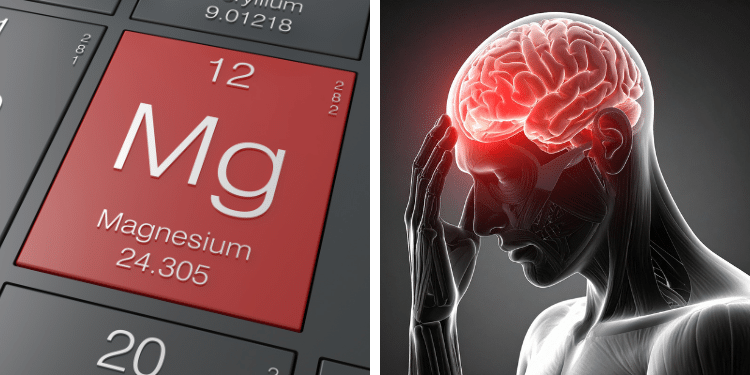
It is completely silent, yet it plays a role in over 300 biochemical reactions inside your body. It helps convert food into cellular energy, regulates your nervous system, directs the contraction and relaxation of your muscles, and forms the structural backbone of your DNA.
Despite its critical importance, magnesium deficiency (clinically known as hypomagnesemia) is one of the most underdiagnosed nutritional deficiencies in modern health.
Because your body keeps a strict reserve of magnesium stored away in your bones and soft tissues, your blood levels can look perfectly normal on a standard laboratory panel even while your cells are quietly starving for this vital mineral.
Instead of screaming for help, your body signals a deficiency through a whisper of subtle, everyday discomforts -symptoms that are frequently misattributed to stress, aging, or simply “having a bad day.”
If you have been feeling unexplainably exhausted, battling stubborn muscle cramps, or lying awake at 2:00 AM wondering why your mind won’t shut down, your body might be signaling a deficit.
This comprehensive guide breaks down the hidden epidemics behind mineral depletion, details the 8 most common symptoms of low magnesium, and provides actionable strategies to replenish your body’s stores safely.
The Hidden Epidemic: Why Are We So Deficient?
Before diving into the symptoms, it is crucial to understand why so many of us are running low on magnesium. It isn’t just a matter of choosing processed foods over whole foods, though that plays a significant role. The problem runs much deeper.
-
Agricultural Soil Depletion: Due to decades of aggressive, industrialized farming practices, our soils are drastically depleted of natural minerals. A vegetable grown today contains significantly less magnesium than the exact same vegetable grown fifty years ago.
-
Water Filtration Systems: Historically, humans absorbed a meaningful portion of their daily mineral intake from hard mineral-rich well water. Modern municipal water treatment and home reverse osmosis systems are highly effective at cleaning water, but they strip away these protective minerals in the process.
-
The Stress-Magnesium Loop: When you experience physical or emotional stress, your adrenal glands flood your body with cortisol and adrenaline. To process these stress hormones, your body rapidly burns through its magnesium reserves, excreting the excess through your urine. The more stressed you are, the less magnesium you retain – and the less magnesium you have, the more susceptible your nervous system becomes to stress.
8 Common Symptoms of Low Magnesium
Because magnesium is utilized by virtually every organ system, the symptoms of a deficiency can appear in seemingly unrelated areas of the body. Here are the eight most common warning signs to watch out for.
1. Persistent Muscle Twitches and Nighttime Cramps
Have you ever experienced an annoying, involuntary twitch in your eyelid that lasts for days? Or perhaps you are routinely jolted awake in the middle of the night by a sudden, agonizing spasm in your calf or foot?
Muscular hyper-excitability is a hallmark sign of a magnesium deficit. At a cellular level, magnesium acts as a physiological gatekeeper for calcium.
When your cells have optimal magnesium levels, it prevents calcium from rushing into nerve cells excessively.
Without enough magnesium to block it, calcium floods the nerve endings, overstimulating them and causing your muscle fibers to contract continuously. This leads to chronic tightness, fasciculations (twitches), and severe cramps.
2. Chronic Fatigue and Muscle Weakness
Feeling tired after a poor night’s sleep is normal. Feeling profoundly exhausted despite sleeping eight hours is not.
Magnesium is an indispensable ingredient in the production of Adenosine Triphosphate (ATP), which is the foundational energy currency created inside the mitochondria of your cells. ATP cannot become biologically active unless it binds directly to a magnesium ion to form Mg-ATP.
Without adequate magnesium, your cellular power plants simply cannot produce energy efficiently. This results in systemic physical fatigue and profound muscle weakness, leaving you feeling physically drained even when doing basic, everyday tasks.
3. Sleep Disturbances and Insomnia
If you struggle to fall asleep because your mind is racing, or if you wake up multiple times throughout the night feeling restless, low magnesium may be the culprit.
Magnesium plays a pivotal role in regulating your central nervous system by stimulating GABA (gamma-aminobutyric acid) receptors.
GABA is an inhibitory neurotransmitter that acts as the brain’s natural brake pedal, slowing down erratic nerve impulses and signaling your body that it is safe to rest.
When magnesium levels drop, your nervous system remains trapped in a hyper-vigilant, sympathetic “fight or flight” state, making deep, restorative slow-wave sleep nearly impossible to achieve.
4. High Blood Pressure and Cardiac Arrhythmias
Your heart is a highly specialized muscle that relies on a delicate balance of electrolytes to beat rhythmically. Magnesium is crucial for maintaining the steady pumping action of the heart.
When your body lacks this mineral, the delicate balance between sodium, potassium, and calcium inside the heart muscle is disrupted. This can manifest as an irregular heartbeat, heart palpitations, or a sensation that your heart is “skipping a beat” (arrhythmia).
Furthermore, magnesium helps relax the smooth muscle cells lining your arteries. When magnesium is scarce, your blood vessels constrict and stiffen, forcing your heart to pump harder and driving up your blood pressure numbers.
5. Increased Anxiety, Restlessness, and Brain Fog
Because magnesium heavily influences neurotransmitter pathways and brain function, a deficiency can profoundly alter your mental health.
When magnesium levels are suboptimal, the brain’s main excitatory pathway (the NMDA receptor) becomes unprotected. Calcium enters the brain cells freely, causing a state of neurological over-excitation.
This biochemical imbalance often manifests behaviorally as heightened daily anxiety, unexplained panic attacks, chronic restlessness, and a dense, frustrating “brain fog” that makes concentrating on complex tasks feel overwhelming.
6. Stubborn Headaches and Chronic Migraines
If you are someone who battles recurrent tension headaches or debilitating migraines, your brain tissues may be signaling a local magnesium deficit.
Studies consistently show that individuals who suffer from frequent migraines often have significantly lower levels of intracellular magnesium compared to those who do not.
Magnesium deficiency promotes the release of inflammatory chemicals and neurotransmitters (like substance P) that hyper-sensitize pain pathways in the brain.
It also leads to the constriction of cerebral blood vessels, a primary mechanism behind the intense, throbbing pain of a migraine aura.
7. Loss of Appetite, Nausea, and Digestive Stagnation
Early-stage or mild magnesium deficiency frequently targets the gastrointestinal tract. You might notice a subtle but persistent loss of appetite, an unexplainable wave of mild nausea after eating, or chronic digestive sluggishness.
Magnesium is essential for peristalsis – the wave-like muscular contractions of your intestines that push food through the digestive tract.
When magnesium is low, the intestinal muscles become tense or sluggish, slowing down digestion and frequently causing chronic, uncomfortable constipation.
8. Brittle Bones and Frequent Structural Injuries
Most people automatically think of calcium and Vitamin D when it comes to long-term bone density. However, magnesium is the unsung hero of skeletal health; roughly 60% of your body’s total magnesium stores reside directly inside your bone matrix.
Magnesium is required to stimulate the thyroid gland to produce calcitonin, a hormone that pulls calcium out of your blood and redirects it into your bones where it belongs.
Without enough magnesium, calcium can leach out of your skeleton or build up inappropriately in your soft tissues and arteries instead.
Over time, a chronic deficit impairs bone crystallization, rendering your bones brittle and increasing your risk for stress fractures or osteoporosis.
How to Test for a True Magnesium Deficiency
If you recognize several of these symptoms in your daily life, your next logical step is confirmation. However, getting an accurate picture of your body’s magnesium status requires choosing the correct test.
| Test Type | Accurate Snapshot? | Why / Why Not |
| Standard Serum Test | No | Measures blood liquid only. Less than 1% of your body’s magnesium floats freely in blood serum. The body will steal magnesium from bones to keep blood levels looking normal. |
| RBC Magnesium Test | Yes | Measures the magnesium locked inside your Red Blood Cells. This provides a far more accurate, long-term picture of your actual cellular tissue reserves. |
If you speak to a healthcare provider about checking your levels, explicitly request an RBC Magnesium Test rather than the standard serum test to avoid a false-negative result.
Step-by-Step Recovery Plan: How to Safely Raise Your Levels
If your body is signaling that its magnesium stores are running on empty, you can systematically rebuild your cellular levels using a balanced, three-pronged approach.
A magnesium deficiency rarely announces itself with a singular, dramatic medical event.
Instead, it alters your quality of life through persistent, everyday irritations – a fluttering eyelid, a midnight leg cramp, an unexplainable bout of anxiety, or a morning where you wake up feeling completely unrefreshed.