Living a long, healthy, and fulfilling life is something most of us aspire to.
While diet, exercise, and stress management play a significant role in longevity, a surprising factor that contributes to a longer lifespan is the presence of plants.
Recent studies suggest that women who surround themselves with plants—both indoors and outdoors—tend to live longer, healthier lives. But why is that the case?
From improving air quality to reducing stress and promoting mental well-being, plants have a profound impact on our health and longevity.
Let’s dive into the green secret to longevity!
1. The Science Behind Plants & Longevity
Several studies have linked green spaces with improved health and longevity, particularly for women.
A Harvard University and Brigham and Women’s Hospital study, published in the journal Environmental Health Perspectives, examined over 100,000 women across the U.S.
They found that women who lived in greener environments had a 12% lower mortality rate compared to those living in areas with little or no plant life.
Why? Here are the key scientific reasons:
- Improved air quality → Plants filter toxins from the air, reducing pollution-related illnesses.
- Reduced stress and anxiety → Greenery lowers cortisol levels, a hormone linked to stress and aging.
- Lower risk of chronic diseases → Exposure to nature has been linked to a lower risk of heart disease, diabetes, and respiratory issues.
- Increased physical activity → Women who garden or spend time outdoors are more active, which contributes to overall well-being.
- Stronger immune system → Phytoncides (compounds released by plants) boost immune function and help fight infections.
- Better mental health → Exposure to nature reduces depression, improves mood, and fosters a sense of purpose.
Clearly, plants do more than just decorate our spaces—they actually improve our health and increase our lifespan.
2. Plants Improve Air Quality & Respiratory Health
One of the most critical factors affecting longevity is air quality. Polluted air contributes to respiratory diseases, heart conditions, and cognitive decline.
How Do Plants Clean the Air?
Plants act as natural air purifiers, removing toxins like carbon dioxide, formaldehyde, benzene, and nitrogen oxides from indoor and outdoor environments.
NASA’s Clean Air Study found that certain houseplants can remove up to 87% of airborne toxins in just 24 hours.
Indoor plants increase oxygen levels while absorbing harmful volatile organic compounds (VOCs) released by furniture, paint, and household cleaners.
Best Air-Purifying Plants for Longevity
- Snake Plant (Sansevieria) – Absorbs carbon dioxide at night and releases oxygen, improving sleep quality.
- Aloe Vera – Removes benzene and formaldehyde while also offering medicinal benefits.
- Peace Lily – Filters toxins and increases humidity, benefiting respiratory health.
- Spider Plant – Removes carbon monoxide and VOCs, making indoor air cleaner.
- Boston Fern – A natural humidifier that helps prevent dry skin and respiratory issues.
If you live in urban areas or places with poor air quality, filling your home with these plants can significantly improve your lung health and reduce the risk of pollution-related illnesses.
3. Plants Reduce Stress, Anxiety & Promote Mental Well-Being
Stress is one of the leading contributors to chronic diseases and premature aging. Long-term stress increases cortisol levels, which can lead to:
- High blood pressure
- Weakened immune system
- Heart disease
- Cognitive decline
- Sleep disorders
Spending time around plants significantly lowers stress levels.
The Psychological Benefits of Plants
Green spaces boost serotonin and dopamine levels, reducing symptoms of depression and anxiety.
Caring for plants creates a sense of responsibility and purpose, improving mental clarity and emotional well-being.
Gardening has been proven to be as effective as meditation in reducing stress.
Study-backed Evidence:
A study published in the Journal of Physiological Anthropology found that interaction with indoor plants significantly reduces physiological and psychological stress.
Participants who worked with plants experienced lower blood pressure and a greater sense of relaxation compared to those who worked on a computer task.
Best Stress-Reducing Plants
- Lavender – Known for its calming scent, lavender reduces anxiety and promotes better sleep.
- Aloe Vera – Emits oxygen at night, helping to regulate breathing and relaxation.
- Jasmine – Improves mood and has natural sedative effects for reducing stress.
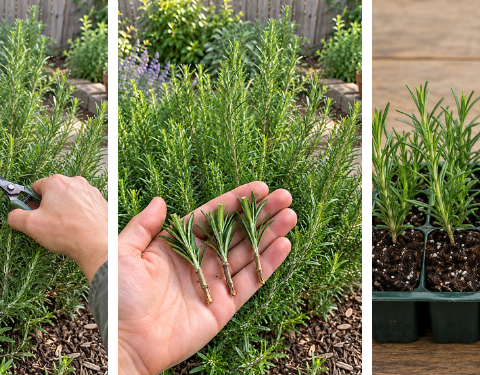
- Rosemary – Stimulates memory and mental clarity while reducing anxiety.
- Chamomile – Its flowers and scent promote relaxation and improve sleep quality.
4. Gardening Promotes Physical Activity & Longevity
Women who spend time gardening or caring for plants live longer and healthier lives because gardening is a low-impact physical activity that provides numerous benefits:
- Encourages movement & exercise → Digging, planting, and watering engage different muscle groups.
- Boosts bone health → Sun exposure while gardening increases vitamin D, preventing osteoporosis.
- Reduces risk of heart disease & obesity → Gardening lowers blood pressure and bad cholesterol levels.
- Enhances cognitive function → Gardening improves memory, focus, and problem-solving skills, reducing the risk of dementia and Alzheimer’s.
According to a study by the American Journal of Preventive Medicine, gardening for just 30 minutes a day can reduce the risk of early death by up to 18%!
5. Plants Improve Sleep Quality
Struggling with sleep? Certain plants promote relaxation and better sleep by:
- Releasing oxygen at night (helping regulate breathing).
- Emitting calming scents that promote restful sleep.
- Increasing humidity, reducing dry skin and congestion.
Best Plants for Sleep & Relaxation
- Lavender – Scientifically proven to slow heart rate and promote deeper sleep.
- Snake Plant – One of the few plants that convert CO2 to oxygen at night, improving air quality while you sleep.
- Gardenia – Emits a fragrance that reduces anxiety and insomnia.
- Valerian – The roots have been used for centuries to treat sleep disorders.
- Aloe Vera – Known as the “plant of immortality,” it enhances relaxation and respiratory health.
Adding these plants to your bedroom or relaxation space can improve sleep cycles, reduce insomnia, and boost energy levels.
Women who surround themselves with plants—whether through **gardening, houseplants, or spending time in nature—**enjoy longer lifespans, better health, and improved mental well-being.