Often found growing in meadows, roadsides, and abandoned lots, wild lettuce (Lactuca virosa) is a powerful medicinal plant that’s been used for centuries as a natural remedy for pain relief, anxiety, and skin – wart removal.
Known by herbalists as “opium lettuce” due to its sedative and analgesic properties, wild lettuce is an impressive wild herb with a long history in traditional and folk medicine.
In guide, you’ll learn how to identify wild lettuce, explore its natural benefits, and discover how to use it as a natural wart remedy – including a step-by-step method using its milky sap to eliminate warts safely and effectively.
What Is Wild Lettuce (Lactuca virosa)?
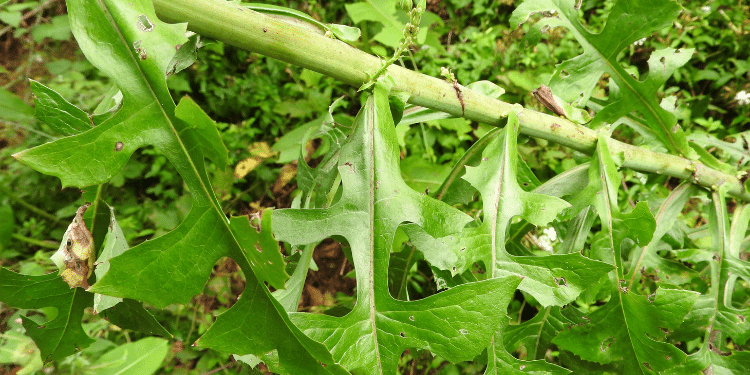
Wild lettuce is a tall, leafy biennial plant native to Europe and parts of Asia but now naturalized across North America.
It belongs to the daisy family (Asteraceae) and is closely related to common garden lettuce. However, wild lettuce is far more bitter, taller, and more potent in its medicinal qualities.
Key Identifying Features:
- Height: 3–7 feet tall
- Leaves: Oblong with prickly edges and a pale central vein
- Stems: Hollow and filled with milky white sap (latex)
- Flowers: Yellow, dandelion-like blooms in clusters
- Latex: Thick, white, and bitter-oozes from broken stems or leaves
This milky sap contains lactucarium, the plant’s active compound responsible for its sedative and skin-benefiting effects.
Medicinal Properties of Wild Lettuce
Wild lettuce has been used traditionally for:
- Pain relief;
- Relaxation and sleep support;
- Anxiety and mood regulation;
- Cough suppression;
- Migraine relief;
- Skin treatments, including wart removal and wound healing.
The latex sap in particular has been used both internally (by skilled herbalists) and topically for natural skin care, wart treatment, and soothing irritation.
Why Wild Lettuce Works for Warts
Warts are caused by the human papillomavirus (HPV) and result in thickened, rough patches of skin.
Natural remedies like wild lettuce sap are favored by herbalists for their plant-based antiviral, antimicrobial, and keratolytic (skin-softening) properties.
Wild lettuce contains:
- Lactucopicrin and lactucin: Bitter sesquiterpene compounds with mild analgesic, antiviral, and sedative effects;
- Latex sap: A thick, sticky, mildly caustic substance that dries out warts over time;
- Antioxidants and flavonoids: Support skin healing and immune function.
Step-by-Step Guide: How to Use Wild Lettuce to Remove Warts Naturally
Note: This method uses external application only. Do not ingest wild lettuce sap without expert guidance. Test on a small area of skin first.
What You’ll Need:
- Fresh wild lettuce (Lactuca virosa or related species);
- Small knife or clippers;
- Cotton swab or toothpick;
- Bandage or medical tape;
- Gloves (optional for sensitive skin).
Instructions:
1. Identify and Harvest Fresh Wild Lettuce
Find a mature wild lettuce plant in summer or early fall. Snap or slice a stem or leaf to access the milky white sap (latex). This is the active substance you’ll use for wart removal.
Tip: The more mature the plant, the thicker the sap will be.
2. Prepare the Wart Area
- Clean the skin with soap and warm water;
- Pat dry thoroughly;
- Use a pumice stone or emery board to gently exfoliate the wart’s surface (optional but helpful for absorption).
3. Apply the Sap
Using a cotton swab, toothpick, or even the tip of the cut plant, dab a small amount of the fresh sap directly onto the wart. Let it air dry for a few minutes.
4. Cover and Repeat
Cover the area with a bandage to prevent the sap from rubbing off. Reapply once or twice daily for 7–14 days or until the wart shrinks or falls off
5. Monitor the Skin
The wart will typically darken, dry out, and flake off gradually. If the skin becomes red, irritated, or blistered, stop using the sap and allow the area to heal.
Other Natural Uses of Wild Lettuce
While wart removal is one of its unique topical applications, wild lettuce is widely used in herbal wellness practices.
1. Natural Pain Relief
Historically called “opium lettuce,” wild lettuce was used as a natural alternative to morphine. Its lactucarium sap has mild analgesic and sedative effects.
Used for: Headaches, Joint pain, Menstrual cramps, Muscle aches.
Forms: Tinctures, capsules, teas, and topical salves
Always use under expert guidance for internal use – dosage and preparation matter.
2. Insomnia and Sleep Aid
Wild lettuce’s calming properties help reduce nervous tension and promote relaxation.
How to use:
- Wild lettuce tincture or tea 30–60 minutes before bed;
- Often combined with valerian, passionflower, or lemon balm.
3. Soothing Coughs and Asthma
As a mild antispasmodic, wild lettuce can help calm dry or spasmodic coughs and open airways.
4. Topical Pain and Skin Salve
You can make a wild lettuce-infused oil or salve for use on: Sore muscles, Bruises, Insect bites, Minor skin irritation.
DIY Wild Lettuce Salve:
- Chop fresh leaves and stems;
- Steep in carrier oil (like olive oil) for 2–3 weeks;
- Strain, mix with beeswax, and pour into jars.
Precautions and Safety Notes
Wild lettuce is a powerful plant. While it has many benefits, improper use can lead to side effects.
Avoid Internal Use If:
- Pregnant or breastfeeding;
- Using sedative medications;
- Have glaucoma or prostate issues;
- You’re unsure about correct dosage or identification.
External Use Tips:
- Always patch-test before full application;
- Keep sap away from eyes and mucous membranes;
- Discontinue use if irritation or burning occurs;
- Use only on intact skin (not broken or bleeding warts).
How to Identify and Forage Wild Lettuce
Where It Grows:
- Meadows
- Open woodlands
- Roadsides and fields
- Edges of forests and disturbed soils
Best Foraging Time:
Late spring to fall, when the plant is mature and producing thick sap.
Foraging Tips:
- Look for the tall, upright stem and prickly-edged leaves.
- Snap the stem to confirm the presence of milky sap.
- Harvest ethically: take only what you need, and leave some for wildlife and seed propagation.
- Avoid foraging from contaminated areas (roadsides, sprayed zones).
Common Look-Alikes to Watch For
- Prickly lettuce (Lactuca serriola): Similar appearance but thinner sap.
- Dandelion: Has milky sap too, but different flower and growth pattern.
- Sow thistle: Often confused with wild lettuce but has softer leaves.
Correct identification is critical before using any wild plant.
FAQs: Wild Lettuce for Wart Removal and Beyond
Q: How long does it take for wild lettuce sap to remove a wart?
A: Most users see results within 1–2 weeks, depending on wart size and consistency of application.
Q: Can I store wild lettuce sap for later use?
A: Fresh sap is best. You can dry leaves or make a tincture, but sap effectiveness decreases after harvesting.
Q: Can I use wild lettuce sap on plantar warts or facial warts?
A: Use only on thicker skin areas. Avoid sensitive areas like the face, genitals, or thin skin without medical supervision.
Wild lettuce is one of the most powerful yet underrated herbal remedies you can find in the wild.
From its natural sedative and pain-relieving properties to its potent wart-removing latex, it has a long-standing reputation in folk medicine that still holds value today.
If you’re seeking a natural, plant-based solution for stubborn warts, the latex sap from wild lettuce offers a gentle, effective, and chemical-free alternative.
Used responsibly, it can be a great addition to your herbal first aid kit and wellness lifestyle.