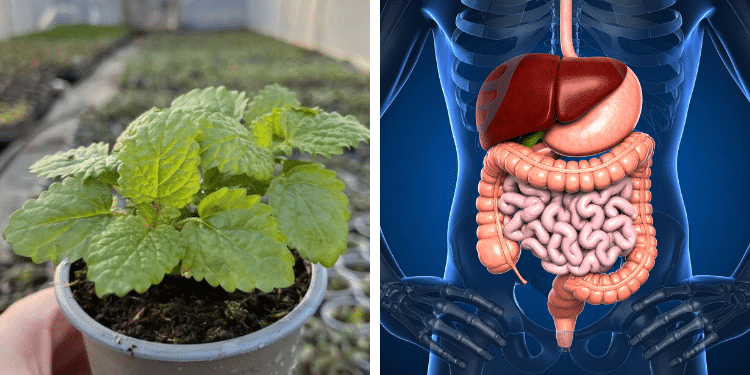
In the soft green corners of a summer garden, lemon balm often grows quietly, offering its bright citrus scent without asking for attention.
Yet this humble herb, with its heart-shaped leaves and gentle fragrance, has long been treasured by herbalists and home gardeners alike for the calm beauty it brings to both the garden and the teacup.
What Is Lemon Balm?
Lemon balm (Melissa officinalis) is a member of the mint family, though its personality feels a little more tender than its more aggressive relatives.
Native to the Mediterranean and western Asia, it has naturalized in many gardens around the world, where it sends up lush green growth and fills the air with a sweet lemony scent when the leaves are brushed or crushed.
The name Melissa comes from the Greek word for “honeybee,” a fitting tribute to a plant that has long been associated with bees, pollinators, and the nourishing rhythm of the garden.
In folk traditions, lemon balm was often planted near doorways, in kitchen gardens, and beside beehives, where it was believed to bring comfort, protection, and a sense of welcome.
A Herb Long Loved in Tradition
Lemon balm has a rich history in European herbal practice. Medieval herbalists praised it as a cheerful herb, and many old texts describe it as something that could lift the spirits and soothe the nerves.
It appeared in monastic gardens, country kitchens, and household remedy jars, where it was traditionally used for calming teas, fragrant washes, and restorative tonics.
One of the most famous historical preparations was “Carmelite water,” a lemon balm-based herbal spirit created by monks and used in various folk traditions for its refreshing, aromatic qualities.
While modern herbal practice is more modest in its claims, the plant still carries the memory of those centuries of care, when people turned to herbs not only for usefulness, but for comfort and ritual.
May Support Calm on Busy Days
Among herbalists, lemon balm is often cherished as a gentle herb for frazzled moments. Its soft lemon scent alone can feel like a small exhale.
Some studies suggest that lemon balm may support relaxation and a sense of ease, which is why it has become a beloved ingredient in bedtime teas and stress-soothing blends.
Traditionally, lemon balm has been used when the mind feels overworked or the day has been too loud. A warm cup of tea made from the fresh or dried leaves may offer a quiet pause, especially when sipped slowly in the evening.
Many people enjoy it on its own, while others blend it with chamomile, oat straw, lavender, or a touch of mint for a more layered herbal experience.
Simple tea preparation: Steep 1 to 2 teaspoons of dried lemon balm leaves, or a small handful of fresh leaves, in hot water for 10 to 15 minutes. Cover the cup while steeping to help preserve the herb’s aromatic oils. Strain and sip warm. If desired, add honey and a slice of lemon for a brighter finish.
May Soothe the Stomach and Support Digestive Ease
Lemon balm has also been traditionally used for digestive comfort. In folk herbalism, it was often turned to after heavy meals or during times when the stomach felt unsettled.
Its pleasant bitterness and bright aroma are thought to encourage a sense of digestive ease, and some studies suggest that lemon balm may support calm digestion when used as part of a balanced wellness routine.
Herbalists often pair lemon balm with caraway, fennel, ginger, or peppermint in digestive teas. The combination feels both old-fashioned and practical: a kitchen remedy born from simple observation and the wisdom of daily life.
For those who prefer a lighter formula, lemon balm alone can still be a gentle and lovely choice after eating.
Digestive tea blend: Combine equal parts lemon balm, fennel seed, and chamomile. Use 1 tablespoon of the blend per cup of hot water, steep for 10 minutes, and drink slowly after meals. This kind of blend is traditionally used to support a calm stomach and a settled, comfortable feeling.
A Gentle Herb for Mood and Everyday Brightness
Lemon balm is often associated with lightness of spirit. Its scent is uplifting without being sharp, and its presence in the garden seems to invite a slower, kinder pace.
In herbal traditions, it has been used to support emotional balance, especially during seasons of fatigue, worry, or low mood.
While it is not a substitute for professional care, some studies suggest that lemon balm may support a more balanced mood and a sense of well-being.
Many people find that the simple act of preparing lemon balm becomes part of the remedy: gathering the leaves, rinsing them gently, and inhaling their fragrance before steeping.
This small ritual can be a form of care in itself. Herbal medicine often reminds us that healing is not only about the herb, but also about the moment we make to receive it.
For an uplifting afternoon cup, try lemon balm with rose petals and a little orange peel. The result is delicate, fragrant, and quietly cheerful – like sunlight in a teacup.
Practical Ways to Use Lemon Balm at Home
Lemon balm is one of those generous herbs that works beautifully in both the kitchen and the home apothecary. It can be used fresh or dried, though fresh leaves tend to have the most vivid aroma.
Harvest it in the morning after the dew has dried, when the oils are at their best, and snip stems regularly to encourage lush growth.
Tea: The easiest and most common preparation. Use fresh leaves for a brighter flavor or dried leaves for convenience. Lemon balm tea is mild, soothing, and especially lovely in the evening.
Tincture: A lemon balm tincture is a concentrated herbal extract made by steeping the leaves in alcohol or glycerin. It is traditionally used in small amounts to support calm and digestive comfort. If making tinctures at home, use clean equipment, fully cover the herb with the chosen solvent, and allow several weeks for infusion before straining.
Salve or balm: While lemon balm is most famous as an internal herb, it can also be infused into oil for use in salves and balms. Its aromatic leaves may add a soothing botanical note to homemade skin preparations. A lemon balm-infused oil can be blended with beeswax and other herbs, such as calendula, for a gentle hand salve.
Kitchen use: Add fresh leaves to fruit salads, lemonades, herb butters, syrups, or simple vinaigrettes. A few torn leaves can brighten berries, peaches, cucumber water, or a cooling summer pitcher of iced tea.
Growing Lemon Balm in the Garden
For gardeners, lemon balm is a delightful companion plant, generous and easygoing. It grows well in sun or partial shade and prefers soil that drains well.
Once established, it can spread readily, so many gardeners like to plant it in a container or in a contained bed where it can be admired without taking over.
Regular harvesting keeps the plant compact and leafy. If you pinch back the tips often, lemon balm will reward you with tender new growth and a fuller shape.
It also attracts pollinators, bringing bees and beneficial insects into the garden’s soft choreography.
If you want to dry lemon balm for winter use, gather stems before flowering for the best flavor. Hang them in small bundles in a cool, airy place, or spread the leaves on a screen away from direct sun.
Once crisp, store them in a sealed jar out of heat and light.
A Few Gentle Notes of Care
As with any herb, it is wise to use lemon balm thoughtfully. If you are pregnant, nursing, taking medications, or managing a health condition, it is best to check with a qualified professional before using herbal preparations regularly.
Lemon balm is generally considered gentle, but herbs can still be powerful in subtle ways, especially when used as extracts or in concentrated forms.
Fresh or dried leaf tea is often the simplest place to begin. Start with small amounts and notice how your body responds. Herbalism, at its best, is a patient conversation with the plant world.
Lemon balm is the kind of herb that reveals its gifts slowly: first as fragrance, then as flavor, and finally as a quiet companion to daily life.
Whether you grow it in a kitchen pot, steep it into tea, or fold it into a homemade salve, this humble plant may bring a little sweetness, softness, and calm to your day.
If you have not yet welcomed lemon balm into your garden or herbal shelf, it may be a beautiful place to begin.