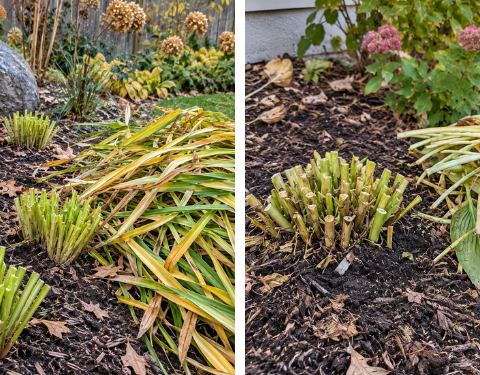
For gardeners and eco-conscious homeowners looking to keep their lawns and gardens tidy without relying on harsh chemicals, vinegar is often hailed as a natural, non-toxic weed killer.
It’s cheap, readily available, and has a reputation for being a safer alternative to commercial herbicides.
But before you grab that bottle of white vinegar from the pantry and start spraying weeds in your yard, there are a few important things to consider.
In this comprehensive guide, we’ll explore the pros and cons of using vinegar as a natural weed killer, how it works, which types of vinegar are most effective, safety tips, and what results you can realistically expect.
Here’s everything you need to know before using vinegar to kill weeds.
Why Use Vinegar for Weed Control?
Vinegar, or acetic acid, works by breaking down cell membranes in plant tissue, which causes the plant to dry out and die.
When sprayed directly on weeds, especially on sunny, dry days, vinegar can rapidly desiccate foliage, making it an appealing option for those avoiding synthetic chemicals like glyphosate.
Benefits of Using Vinegar as a Weed Killer:
- Natural and non-toxic (when used properly)
- Safe around pets and kids (compared to chemical herbicides)
- Quick visible results, often within hours
- Cost-effective and easy to find
- Suitable for organic gardening practices
But while vinegar has its advantages, it’s far from a miracle solution—and it’s important to know its limitations and potential risks before using it in your garden.
What Type of Vinegar Works Best?
The most common household vinegar contains 5% acetic acid, but this concentration is typically too weak to kill mature, deep-rooted weeds effectively.
For better results, many gardeners turn to horticultural vinegar, which contains 20% or more acetic acid.
Types of Vinegar for Weed Killing:
| Type | Acetic Acid Content | Effectiveness | Notes |
|---|---|---|---|
| Household White Vinegar | 5% | Mild | Works only on small, young weeds |
| Cleaning Vinegar | 6%–7% | Moderate | Slightly stronger; may cause skin irritation |
| Horticultural Vinegar | 20%+ | High | Effective but caustic and requires caution |
Important Warning: Horticultural vinegar is not safe for skin, eyes, or lungs and must be used with protective gear, including gloves and eye protection.
Which Weeds Can Vinegar Kill?
Vinegar works best on young, tender, annual weeds with shallow roots. It burns the foliage on contact but typically does not reach the root system, especially in larger or perennial weeds.
This means that regrowth is likely, particularly for tough weeds like dandelions, thistle, or bindweed.
Weeds That Vinegar Can Kill Effectively:
- Chickweed
- Crabgrass (when young)
- Lamb’s quarters
- Clover
- Annual bluegrass
- Small purslane
Weeds That Vinegar May Not Kill Completely:
- Dandelions (deep taproots)
- Plantain
- Thistles
- Bermuda grass
- Bindweed
- Ground ivy
For these tougher species, vinegar might damage the surface foliage but won’t kill the roots, leading to regrowth unless the plant is dug up or treated repeatedly.
How to Apply Vinegar as a Weed Killer
If you’re going to use vinegar to kill weeds, correct application is key.
Here’s how to get the best results:
Step-by-Step Instructions:
-
Choose the right day: Apply vinegar on a hot, dry, sunny day. The heat helps dry out the plant tissue faster.
-
Use a spray bottle or garden sprayer: Aim carefully to target only the weed leaves and stems.
-
Avoid overspray: Vinegar is non-selective, meaning it will damage any plant it touches—including grass, flowers, and vegetables.
-
Reapply if necessary: Some weeds may need more than one application. Wait 3–5 days to re-evaluate.
-
Add a surfactant: Mixing in a few drops of dish soap helps vinegar stick to the plant leaves for better absorption.
Safety Precautions When Using Vinegar on Weeds
While vinegar is a natural product, it is still an acid and can pose risks if misused—especially at higher concentrations.
Safety Tips:
-
Wear protective gloves and eyewear when using 10% or stronger vinegar.
-
Avoid inhaling fumes from horticultural vinegar—use outdoors and avoid wind.
-
Do not mix vinegar with bleach or ammonia—this creates toxic fumes.
-
Keep vinegar away from desirable plants, as it can damage or kill them.
-
Rinse your sprayer thoroughly after use to prevent corrosion or damage.
Can You Use Vinegar on Lawns or Near Edible Plants?
Vinegar is non-selective, meaning it doesn’t distinguish between weeds and plants you want to keep. It will burn any vegetation it contacts, so using it in lawns or near vegetables and herbs can be risky.
Where You Can Safely Use Vinegar:
- Driveways
- Sidewalk cracks
- Patio edges
- Fence lines
- Mulched or gravel paths
- Empty garden beds
Avoid spraying vinegar on or near:
- Lawns
- Raised vegetable beds
- Flower borders
- Fruit trees
- Any plant with exposed roots
How Long Does Vinegar Take to Kill Weeds?
One of the appealing features of vinegar is how quickly it works. In most cases, you’ll see visible wilting within 1 to 24 hours, especially on small, young weeds.
However, full die-off may take a few days, and root death is not guaranteed. That’s why follow-up applications are often necessary for larger or more established weeds.
Does Vinegar Change Soil pH or Damage the Soil?
While vinegar is acidic, it doesn’t significantly alter soil pH unless used excessively or repeatedly in the same area.
It does not remain in the soil, which means it’s generally safe for future planting once the vinegar has dried and dissipated.
However, avoid frequent or large-scale applications, which could disrupt beneficial soil microbes or harm nearby roots over time.
Pros and Cons of Using Vinegar for Weed Control
Pros:
- Natural and eco-friendly (especially household vinegar)
- Fast-acting
- Inexpensive and easy to find
- Safe around pets and kids (when used properly)
- Ideal for hardscape areas (driveways, patios)
Cons:
- Only kills what it touches – not systemic
- May require multiple applications
- Not effective against deep-rooted or perennial weeds
- High-strength vinegar can be dangerous if mishandled
- Non-selective – harms all plant life
Using vinegar as a natural weed killer can be an effective and eco-conscious solution for managing small, young weeds in non-planted areas.
It’s fast, inexpensive, and satisfying to use—but it also has limitations. It’s not a cure-all for every weed, and it requires care, precision, and occasional reapplication.
If you’re looking for a natural alternative to chemical herbicides and are targeting easy-to-control weeds on walkways, driveways, or other hardscape areas, vinegar can be a great option.
Just be sure to use the right concentration, apply responsibly, and protect nearby plants.