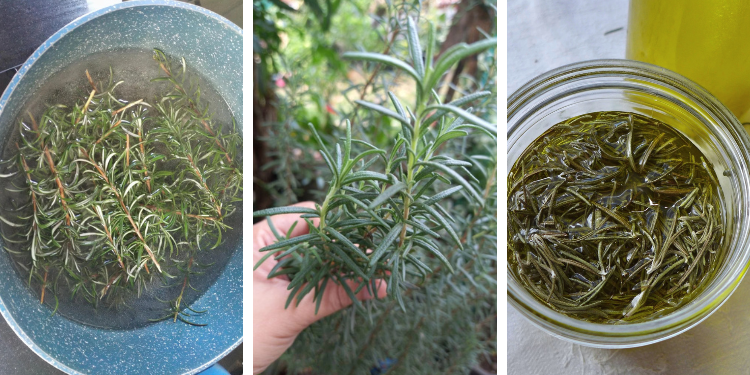
For thousands of years, rosemary (Salvia rosmarinus, formerly Rosmarinus officinalis) has occupied a revered position in human history.
Native to the rocky, sun-drenched coastlines of the Mediterranean, its Latin name translates to “dew of the sea” (ros marinus) – a nod to its ability to thrive on dry coastal cliffs cooled only by ocean mist.
While modern home cooks know rosemary as a fragrant culinary staple for roasted vegetables, bread, and savory meats, ancient civilizations viewed it with deep spiritual and medicinal reverence.
To the Ancient Greeks, Romans, and Egyptians, rosemary was far more than an aromatic herb: it was a sacred botanical symbol of remembrance, mental clarity, physical vitality, and protection.
The Ancient Greek Legacy: “The Herb of Remembrance”
In classical Greece, rosemary was dedicated to Mnemosyne, the goddess of memory and mother of the Muses. Greek scholars and university students famously wore woven garlands of rosemary in their hair when preparing for examinations or delivering public orations.
The Greeks observed that inhaling the sharp, pinene-rich aroma of crushed rosemary leaves invigorated the mind, sharpened focus, and prevented forgetfulness.
Rosemary sprigs were also burned as incense in sacred temples to purify the air and offered at weddings and funerals to symbolize fidelity, eternal love, and remembrance of the departed.
In his foundational pharmacological text De Materia Medica, the ancient Greek physician Dioscorides documented rosemary’s warming properties, noting its ability to soothe hepatic ailments, improve circulation, and comfort a tired nervous system.
5 Science-Backed Ways Rosemary Transforms Your Body
Modern biochemistry confirms what the ancients understood intuitively. The therapeutic potency of rosemary stems from its rich concentration of polyphenols, diterpenes, and volatile essential oils:
1. Enhances Memory, Focus, and Cognitive Speed
The ancient Greek practice of wearing rosemary wreaths for studying has direct support in modern neuroscience.
Rosemary contains high levels of 1,8-cineole, a terpene compound that crosses the blood-brain barrier when inhaled or ingested.
- Enzyme Inhibition: 1,8-cineole acts as a natural inhibitor of acetylcholinesterase – an enzyme responsible for breaking down acetylcholine, the brain’s primary neurotransmitter for learning, memory retention, and executive focus.
- Clinical Evidence: Studies published in Therapeutic Advances in Psychopharmacology demonstrated that higher blood plasma concentrations of 1,8-cineole from rosemary aroma directly correlated with improved cognitive performance, faster processing speed, and higher accuracy scores on memory tests.
2. Powerful Brain-Protective and Antioxidant Defense
The brain is highly susceptible to oxidative stress due to its high metabolic rate and fat content. Rosemary contains two exceptionally powerful lipid-soluble antioxidants: carnosic acid and rosmarinic acid.
-
Shielding Neurons: Carnosic acid undergoes a unique process called “pathway-targeted technology,” transforming into its active antioxidant state only in regions of the brain experiencing active inflammation or ischemia.
-
Combating Neurodegeneration: Research shows carnosic acid helps protect neural tissue against damage caused by beta-amyloid plaques, heavy metals, and free radicals—offering promising protective benefits against age-related cognitive decline and brain fog.
3. Improves Circulation and Microvascular Blood Flow
In traditional Mediterranean herbalism, rosemary is classified as a circulatory stimulant. When consumed or applied topically (in diluted oil form), compounds like rosmarinic acid and camphor help dilate peripheral blood vessels.
-
Nutrient and Oxygen Delivery: By expanding capillary networks, rosemary improves oxygen and nutrient transport to extremities, brain tissue, and hair follicles.
-
Hair & Scalp Health: A randomized trial published in SKINmed compared diluted rosemary essential oil to 2% minoxidil for treating androgenetic alopecia (pattern hair loss). After six months, the rosemary group experienced equivalent new hair growth while reporting far less scalp itching and irritation.
4. Soothes Digestion and Supports Liver Detoxification
Rosemary has long been used after heavy, fat-rich meals to reduce bloating and gas.
-
Bile Production: Bioactive polyphenols in rosemary stimulate the gallbladder to produce and secrete bile acids, which are essential for breaking down dietary fats and absorbing fat-soluble vitamins (A, D, E, and K).
-
Hepatic Protection: Rosmarinic acid enhances Phase II liver detoxification pathways, helping the organ neutralize metabolic waste and environmental toxins efficiently.
5. Reduces Carcinogenic Heterocyclic Amines (HCAs) in Cooked Meat
One of the most practical culinary benefits of rosemary is its ability to make cooked food safer.
When meats are grilled or pan-fried at high temperatures, amino acids and creatine react to form heterocyclic amines (HCAs) – potent carcinogenic compounds linked to colon cancer.
-
Carcinogen Reduction: Food science studies show that adding finely chopped fresh rosemary or rosemary extract to ground meat marinades prior to grilling reduces HCA formation by up to 70% to 90%. The plant’s antioxidants intercept free radical intermediates before carcinogenic bonds can form.
Bioactive Compound Matrix
| Primary Compound | Compound Class | Target Organ System | Primary Physiological Mechanism |
| 1,8-Cineole (Eucalyptol) | Monoterpene | Central Nervous System | Inhibits acetylcholinesterase; boosts acetylcholine |
| Carnosic Acid | Carnosane Diterpene | Brain & Liver | Scavenges ROS; suppresses neuro-inflammation |
| Rosmarinic Acid | Polyphenolic Ester | Immune & Digestive System | Inhibits pro-inflammatory NF-kB pathways; stimulates bile |
| Alpha-Pinene | Monoterpene | Respiratory System | Bronchodilator; antimicrobial & anti-anxiety action |
| Ursolic Acid | Pentacyclic Triterpene | Skin & Muscles | Inhibits collagen degradation; supports muscle tone |
How to Incorporate Rosemary into Your Daily Routine
To experience both the cognitive and physical benefits of rosemary, consider these simple daily practices:
Safety & Dosage Note: Fresh and dried culinary rosemary used in food and herbal teas is safe for virtually everyone. However, highly concentrated rosemary essential oil should never be ingested undiluted. Pregnant individuals should avoid large therapeutic doses of rosemary extracts, as high amounts can stimulate uterine contractions.
The Ancient Greeks were far ahead of their time. By honoring rosemary as a sacred herb of memory and vitality, they recognized a botanical superpower whose neuroprotective, anti-inflammatory, and circulatory benefits are now validated by modern science.