Ever bite into a juicy orange in the middle of winter and think, “Wow, this is amazing!” Now, compare that to an orange you might grab in the middle of summer—it’s just not the same.
That’s because when fruit and vegetables are in season, they’re not only cheaper, but also fresher, tastier, and packed with more nutrients.
Learning how to shop for seasonal produce is one of the easiest ways to eat healthier and save money. Here’s why knowing what’s in season makes such a difference for your wallet—and your taste buds.
Seasonal Produce = Major Money Savings
When fruits and vegetables are in season, there’s a larger supply available—which means lower prices. Farmers have an abundance of produce and are more likely to offer competitive prices, especially at local markets. That’s why in-season shopping is a smart financial move.
Take oranges, for example. Buying oranges in the summer can cost a premium because they’re out of season in most regions. But in winter—their peak time—you can get several pounds for under $5.
The same goes for produce like pomegranates, apples, and squash: when you buy them during their harvest window, you save significantly.
Farmers’ Markets and Peak Season Deals
When farmers’ markets kick off in late spring and throughout the summer, prices often drop even more.
Farmers are eager to sell off surplus produce, and that means more fresh food for less cash. It’s a win-win: you get better quality and support local growers at the same time.
More Variety, More Excitement
One of the joys of eating seasonally is the variety. Each season brings a new rotation of fruits and vegetables, so your meals stay interesting and flavorful.
Spring brings tender greens, strawberries, and asparagus. Summer is perfect for juicy tomatoes, stone fruits like peaches and nectarines, and sweet corn.
Fall is rich with squash, apples, and root vegetables, while winter highlights citrus fruits, leafy greens, and hearty staples like cabbage and potatoes.
Eating with the seasons not only connects you to nature’s rhythm but also keeps your diet diverse and nutrient-rich.
Better Taste, Better Nutrition
Many store-bought fruits and vegetables are harvested early so they can survive long-distance travel. But here’s the downside: when produce is picked before it’s ripe, it doesn’t develop its full flavor—or its full nutrient content.
Fruits and veggies are at their nutritional peak when picked ripe. That’s when they have the highest levels of vitamins, minerals, and enzymes.
Early harvesting results in food that may look good but is often bland, harder to digest, and nutritionally inferior.
When you buy seasonal produce grown locally, it’s often picked at its prime, meaning better taste and better health benefits.
Want the Freshest Food? Grow Your Own
If you want total control over when your produce is picked, nothing beats growing your own. Home gardening not only cuts grocery costs, but also ensures you’re getting the freshest, chemical-free food possible.
Even a small balcony garden can yield tomatoes, herbs, lettuce, or strawberries. And knowing your food was grown without pesticides or lengthy transport? That peace of mind is priceless.
A guide to saving money by knowing what fruit and veggies are in season, when they’re at their best – this is a must read!
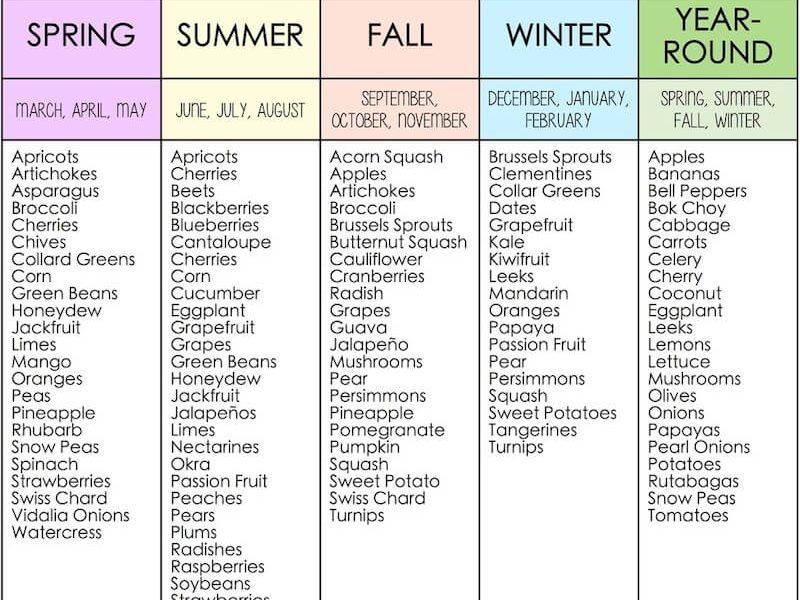
Buying seasonal produce is one of the easiest ways to enjoy better-tasting, more nutritious food without breaking the bank.
Not only does it support your health and your budget, but it’s also a smart step toward a more sustainable lifestyle.
So next time you’re at the grocery store or farmers’ market, think about what’s naturally in season. Your body, your wallet, and your taste buds will thank you.