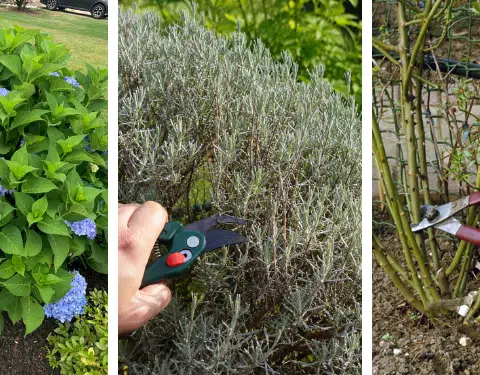
When winter sets in and the world outside turns cold, gray, and lifeless, there’s nothing more comforting than a home filled with greenery and vibrant blooms.
Indoor plants not only brighten up your living space during the harshest months of the year—they also purify the air, boost humidity, and lift your mood.
Whether you’re a seasoned plant parent or a beginner looking to add a little life to your home, indoor winter gardening is a great way to bring nature indoors and enjoy the beauty of plants all year long.
Here are 10 of the best plants to grow indoors during the winter, chosen for their cold tolerance, ease of care, and beautiful visual appeal.
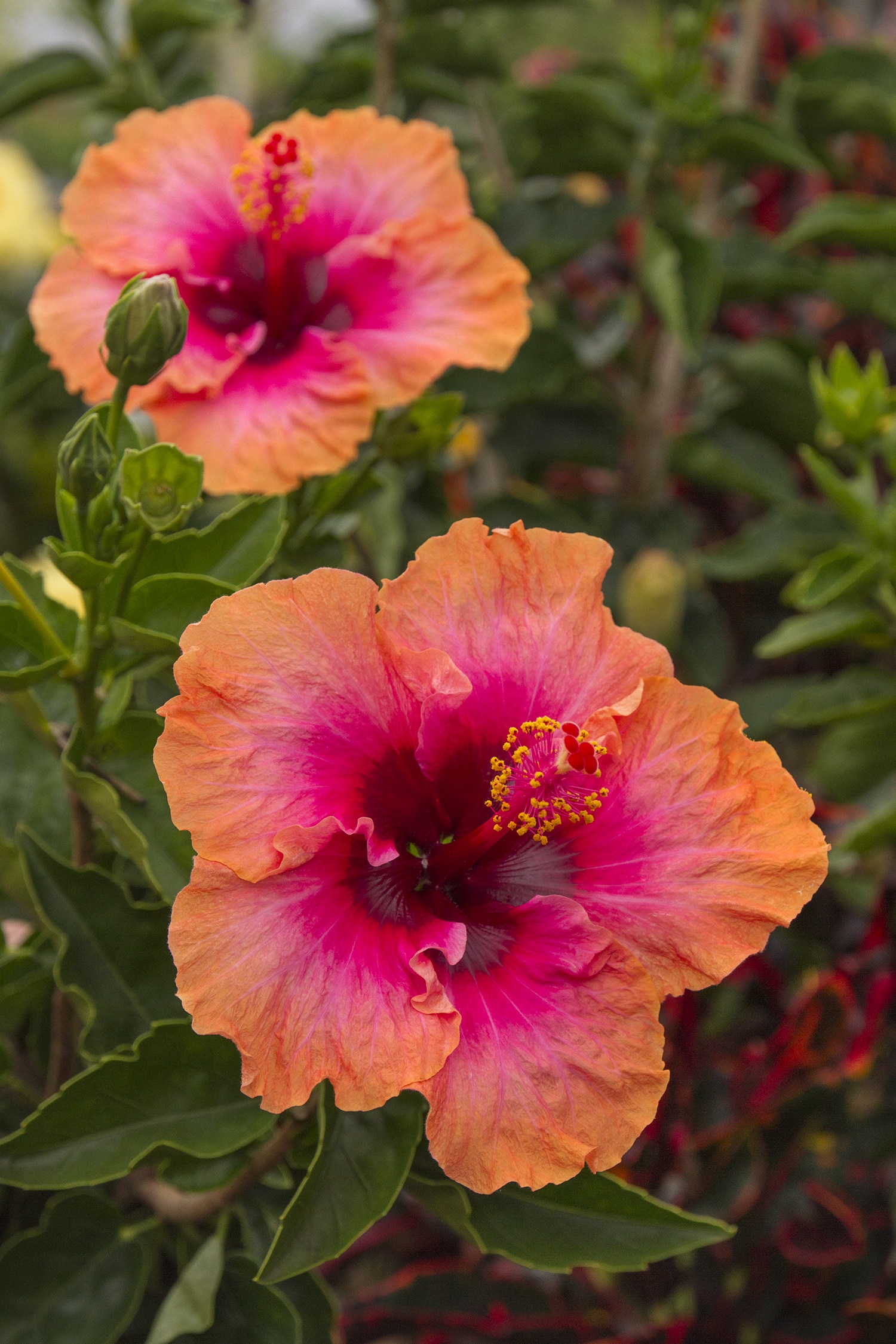
1. Hibiscus (Hibiscus rosa-sinensis)
Why it’s great in winter: Brings a tropical touch to cold-weather months
Hibiscus is a show-stopping indoor plant that can bloom even during the winter if given the right conditions.
With flowers that can reach up to 8 inches in diameter, this plant adds a bold splash of color to your home when outdoor gardens are dormant.
-
Care Tips: Needs bright, direct sunlight—a south- or west-facing window is ideal.
-
Watering: Keep the soil evenly moist but not soggy.
-
Humidity: Prefers higher humidity; mist occasionally in dry homes.
Note: It can grow up to 6 feet indoors, so give it plenty of space.
2. African Violets (Saintpaulia)
Why it’s great in winter: Blooms all year and thrives indoors
African Violets are compact flowering plants that are especially popular for continuous blooming, even in winter.
They come in a variety of colors including purple, pink, and white, making them a cheerful addition to your windowsill.
-
Light Needs: Bright, indirect light—best in east-facing windows.
-
Watering: Keep soil lightly moist; avoid water on leaves to prevent spots.
-
Humidity: Helps humidify dry winter air.
They respond well to regular feeding with a balanced houseplant fertilizer.

3. Peace Lily (Spathiphyllum)
Why it’s great in winter: Easy care + excellent air purification
Peace Lilies are among the best indoor plants for beginners. Their elegant white blooms and deep green foliage thrive even in low-light areas, making them ideal for winter’s shorter days.
They’re also among NASA’s top-rated air-purifying plants.
-
Light: Tolerates low to medium light
-
Watering: Water when the top inch of soil is dry
-
Air Purification: Removes mold spores, formaldehyde, and benzene
Caution: Toxic to pets if ingested.
4. Jasmine (Jasminum polyanthum)
Why it’s great in winter: Fragrant flowers and mood-lifting aroma
Jasmine plants are especially beneficial during the cold months thanks to their soothing floral scent. The fragrance helps reduce stress and promote relaxation, perfect for warding off winter blues.
-
Light: Needs bright, indirect sunlight
-
Watering: Keep soil consistently moist but well-drained
-
Bonus: Flowering in late winter to early spring brings a fragrant refresh to indoor air
Can be trained to climb or kept as a small, bushy indoor plant.
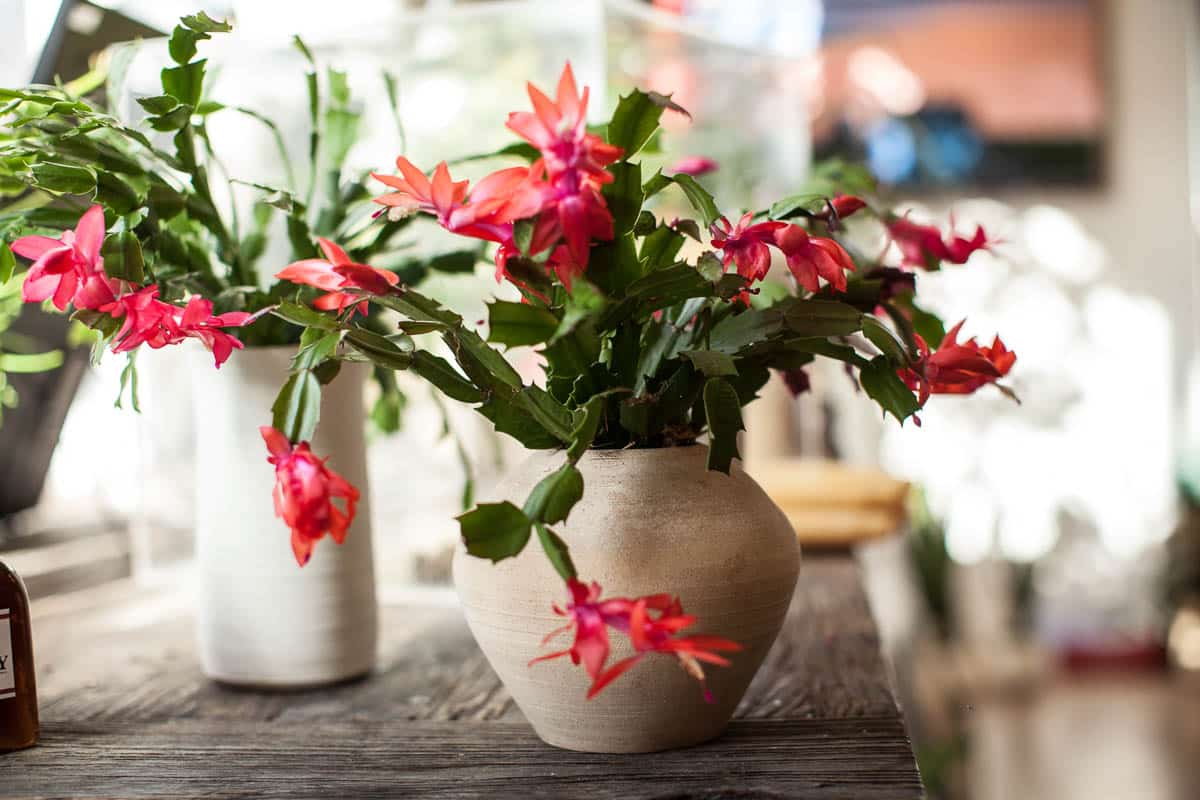
5. Christmas Cactus (Schlumbergera bridgesii)
Why it’s great in winter: Naturally blooms in December
Christmas Cactus is one of the few plants that actually thrives during short days and cool temperatures. With blooms in pink, red, white, and purple, this festive favorite adds seasonal cheer indoors.
-
Light: Bright, indirect light
-
Watering: Allow the top inch of soil to dry before watering again
-
Temperature: Prefers cooler indoor temps (60–70°F)
Tip: A few weeks of darkness before winter encourages blooming.
6. Goldfish Plant (Nematanthus spp.)
Why it’s great in winter: Bright, year-round blooms in orange and red
Named for its vibrant orange, goldfish-shaped flowers, this trailing plant is perfect for hanging baskets or high shelves. If provided with bright light, it can bloom indoors even in winter.
-
Light: Needs bright, filtered sunlight
-
Watering: Keep soil lightly moist, reduce watering in winter
-
Bonus: Long, arching stems create a dramatic indoor display
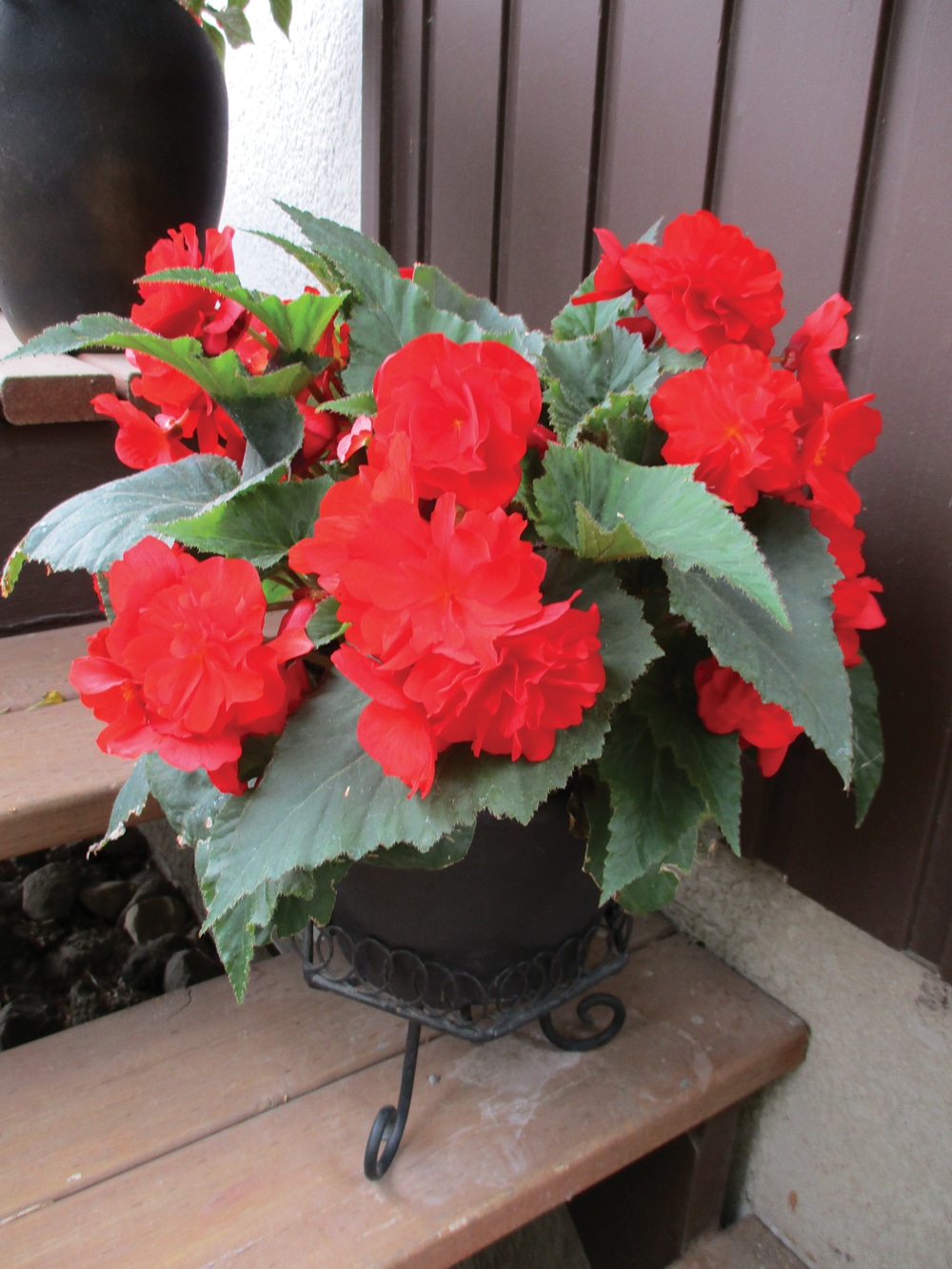
7. Begonias (Begonia x hiemalis)
Why it’s great in winter: Winter-flowering varieties bloom with less light
Not all Begonias are winter-friendly, but the Rieger Begonia is specially cultivated for winter blooming. These compact plants produce vibrant flowers in a variety of shades.
-
Light: Bright, indirect light
-
Watering: Keep the soil moist but not soggy
-
Humidity: Benefits from a pebble tray or occasional misting
Ideal for adding a burst of color to kitchen counters or windowsills.
8. Kalanchoe (Kalanchoe blossfeldiana)
Why it’s great in winter: Nearly indestructible and full of color
Kalanchoe is a flowering succulent that’s perfect for those who forget to water. It produces long-lasting, bright clusters of blooms even with minimal care and winter light.
-
Light: Moderate to bright light
-
Watering: Let soil dry between waterings—overwatering is the biggest risk
-
Care Level: Beginner-friendly and drought-tolerant
Tip: Keep it on a sunny windowsill and enjoy months of color.
9. Cape Primrose (Streptocarpus)
Why it’s great in winter: Vibrant flowers and easy care
Closely related to African Violets, Cape Primrose is a forgiving flowering plant that produces orchid-like blooms. It requires minimal maintenance and blooms in purple, white, pink, and more.
-
Light: Bright, indirect sunlight
-
Watering: Water when soil surface is dry
-
Fertilizer: Use the same blend as African Violets for best results
A beautiful choice for shelves, desktops, or window boxes.
10. Indoor Bulb Flowers (Tulips, Daffodils, Hyacinths, Iris)
Why it’s great in winter: A challenge for advanced gardeners—but worth the reward
For seasoned indoor gardeners, forcing bulbs indoors can result in stunning winter blooms. Popular bulb flowers include Tulips, Hyacinths, Daffodils, and Irises. These bulbs require a chilling period (usually 12–16 weeks) in a cool, dark space to simulate winter dormancy before blooming.
-
Light: Move to bright light once shoots appear
-
Chilling: Refrigerate in paper bags or cold basement/garage
-
Watering: Keep lightly moist once planted in soil
Requires patience, but the payoff is a burst of spring color in mid-winter.
Winter doesn’t have to mean a lifeless home or a dormant garden. With the right indoor plants, you can enjoy blooms, fragrance, lush greenery, and even cleaner air all season long.
From low-maintenance options like Kalanchoe and Snake Plant to the rewarding challenge of forcing bulbs indoors, these plants can transform your home into a cozy, green retreat—even on the coldest days.