Nature is full of delightful surprises, and few are as charming—or as heartwarming—as tired bumblebees falling asleep inside flowers, their fuzzy bodies dusted in golden pollen.
These tiny, hardworking pollinators can often be spotted nestled in the petals of blooms, sometimes lying on their backs or sides with pollen clinging adorably to their behinds. But what causes this behavior, and is it normal?
In this article, we’ll explore the fascinating world of bumblebee sleep behavior, why they sometimes doze off inside flowers, and how their essential role in the ecosystem makes them even more lovable.
Whether you’re a gardener, nature lover, or just a fan of bee bum fluff, this story of sleepy bumblebees will leave you smiling—and maybe even planting more bee-friendly flowers in your garden.
Why Do Bumblebees Sleep in Flowers?
While it may look like the bumblebee is just taking a nap after a long day of work (which isn’t far from the truth), there are a few scientific and behavioral reasons why bumblebees fall asleep in flowers.
1. They’re Exhausted from Foraging
Bumblebees are incredibly hardworking. A single bee may visit hundreds of flowers in a day, collecting nectar and pollen to bring back to the colony.
This constant buzzing and flying is energy-intensive, and if they don’t get enough nectar to refuel, they may simply run out of energy and rest where they are.
A cozy, nectar-rich flower provides both a pillow and a snack—a perfect place for a power nap.
2. It’s Getting Too Late to Fly Home
Bees are diurnal, meaning they are active during the day and rest at night. If a bee gets caught out too far from the nest as the sun sets, it may decide to hunker down inside a bloom for the night rather than risk flying in low light, which can be dangerous.
Flowers like sunflowers, coneflowers, cosmos, and zinnias offer shelter and warmth, making them ideal places for a bee to spend the night.
3. Male Bumblebees Sleep Outside
Most bumblebees you see foraging are female workers, but male bumblebees (drones) have a very different lifestyle. After leaving the nest to search for a mate, they don’t return to the colony. Instead, they sleep outside—often in flowers.
This is completely natural behavior for male bumblebees. Without a home base, they find the nearest comfortable spot—usually a flower—and sleep there, often overnight.
What’s With the Pollen on Their Butts?
One of the most endearing sights is a tired bumblebee nestled into a flower with pollen stuck all over its fuzzy body, especially its backside.
Why it happens:
- Bumblebees collect pollen on their hind legs, where specialized hairs (called pollen baskets or corbiculae) help them transport it back to the hive.
- When they sleep or rest in a flower, pollen can stick to their fur, particularly on their abdomens and backsides.
- Since bumblebees don’t groom themselves while asleep, the result is a fluffy bee butt covered in pollen—a visual treat for nature photographers and garden observers.
This accidental pollen transfer is also part of why bees are such efficient pollinators—even their naps help the ecosystem thrive.
Is It Normal for Bumblebees to Sleep Like This?
Yes, it’s completely normal. In fact, it’s one of the most natural and harmless behaviors bumblebees exhibit.
If you see a bumblebee lying motionless inside a flower—especially early in the morning or late in the evening—it’s likely just sleeping, not dead.
Most of the time, it will wake up when the air warms or the sun rises and resume its daily duties.
How to tell if a bee is asleep:
- It’s not moving but looks healthy
- It may twitch slightly or shift position
- Wings are relaxed and folded
- It’s nestled inside or on top of a flower
- Temperature is cool or the sun is going down
Should You Wake a Sleeping Bee?
While it’s tempting to poke a bumblebee to make sure it’s okay, it’s best to let them rest. They need energy to continue pollinating and returning to their nest or mating grounds.
If the weather is cold and the bee doesn’t stir by midday, you can offer a small amount of sugar water to help it regain strength.
Quick sugar water recipe:
- Mix 2 teaspoons of white sugar with 1 teaspoon of water
- Place a small drop near the bee’s head (not on it!)
- Let the bee drink and recover at its own pace
Avoid using honey (which can contain pathogens) or brown sugar (which is hard to digest for bees).
The Importance of Bumblebees in the Garden
Beyond being adorable sleepy heads, bumblebees are vital pollinators in gardens, farms, and wild ecosystems. They help fertilize flowers, fruits, vegetables, and native plants, supporting biodiversity and food production.
Unlike honeybees, bumblebees are capable of buzz pollination, a method where they vibrate their bodies to release pollen from certain plants (like tomatoes and blueberries) that other bees can’t access as efficiently.
By providing them with safe places to forage and rest, you’re playing a part in conserving pollinator populations—which are under threat from pesticides, habitat loss, and climate change.
How to Create a Bee-Friendly Garden
Want to see more sleepy bees napping in your backyard blooms?
Here are a few tips to encourage bumblebees and other pollinators to visit and stick around:
- Plant native flowers with staggered bloom times (spring to fall)
- Choose single-petal blooms (easier access to pollen and nectar)
- Grow bee favorites like lavender, echinacea, cosmos, calendula, borage, and sunflowers
- Provide shallow water dishes with pebbles for drinking
- Avoid pesticides, especially neonicotinoids
- Leave some areas of bare ground or low grasses for nesting
- Let your herbs flower—bees love thyme, basil, mint, and chives
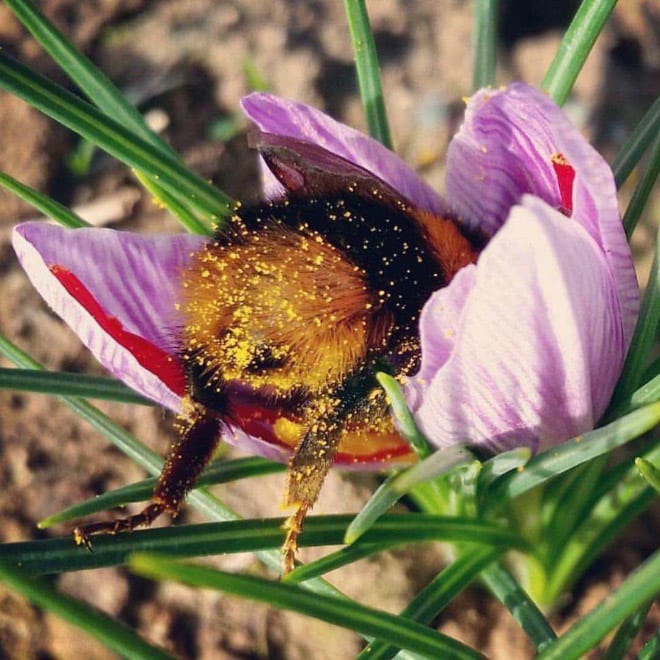
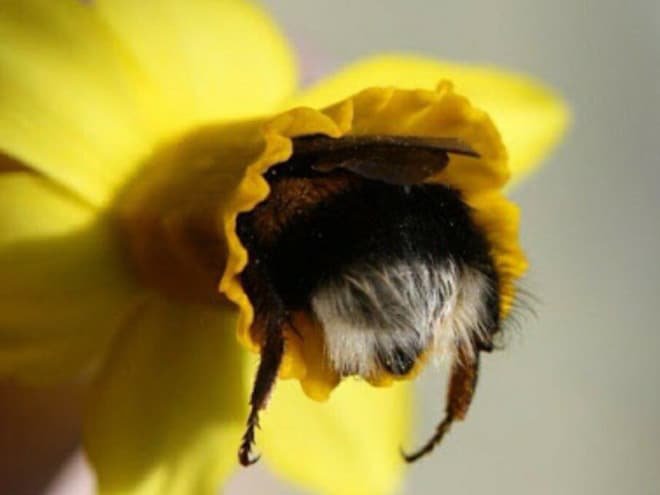
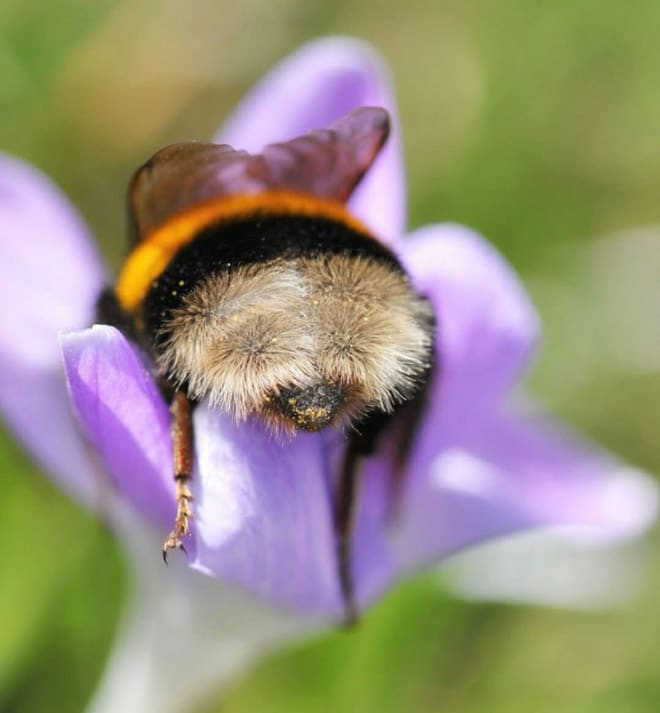
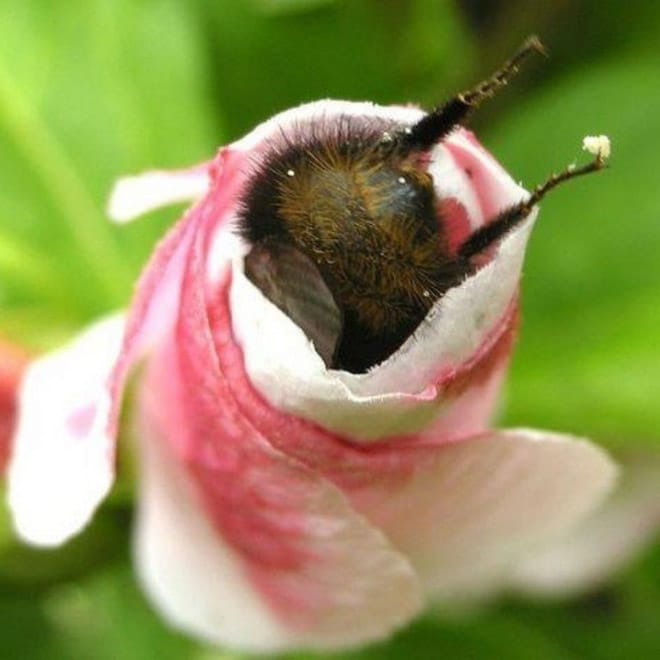
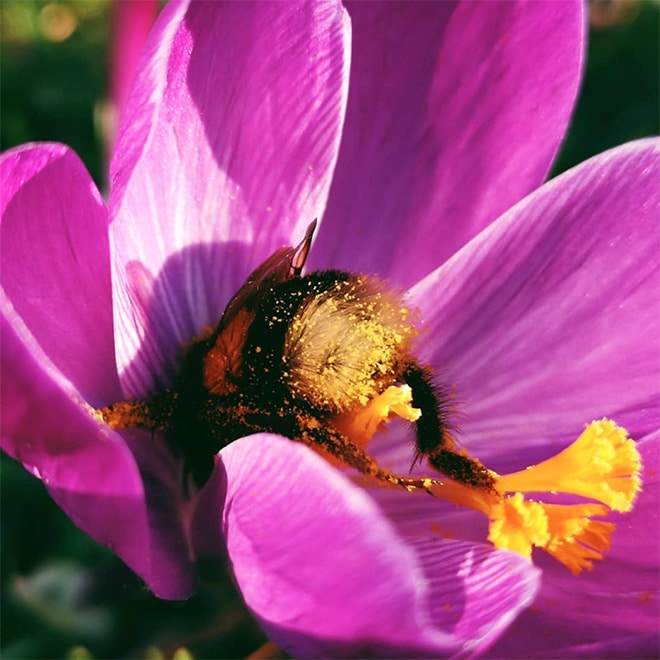
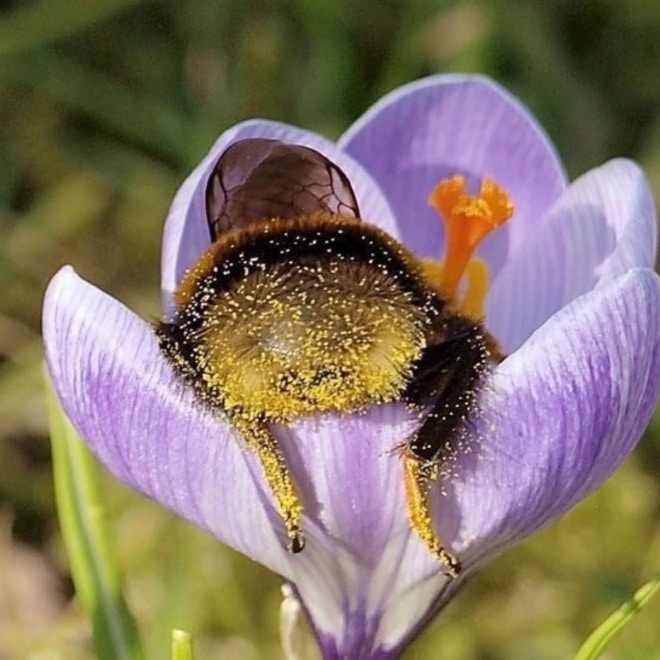
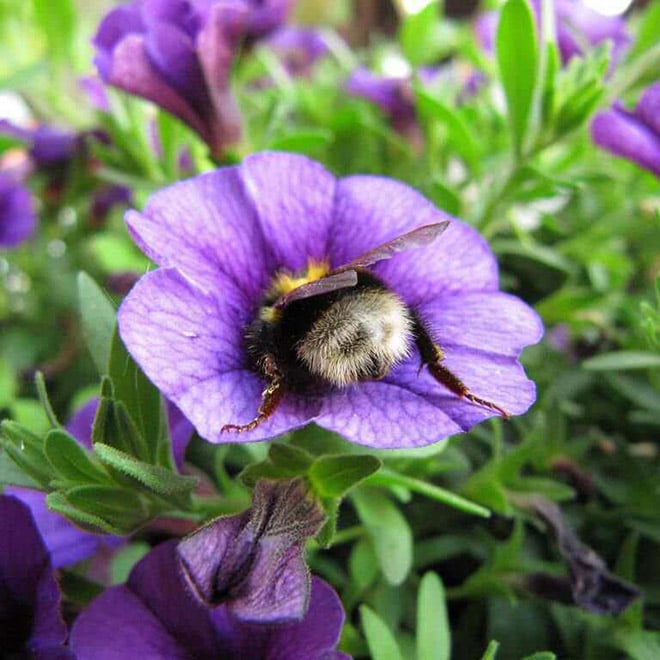
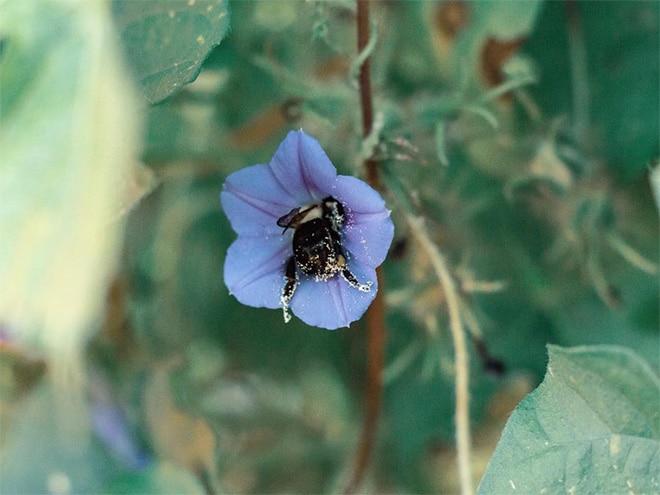
There’s something irresistibly sweet about seeing a little bumblebee, legs tucked and body dusted in pollen, snoozing inside a flower. It’s a gentle reminder that nature knows how to rest, even in the midst of hard work.
So next time you’re out in the garden and spot a sleepy bee bumbling in dreamland, snap a photo, smile, and remember—you’re witnessing one of nature’s most wholesome moments. And perhaps, a good excuse to slow down and take your own break in the sun.