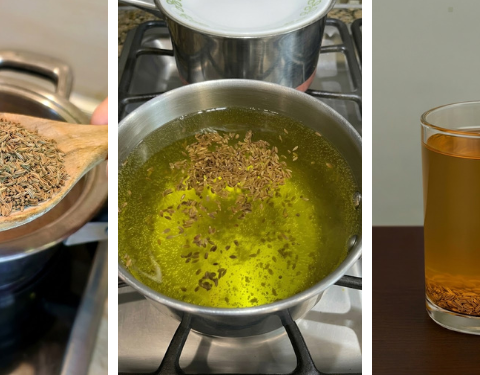
When it comes to natural remedies, few herbs are as underrated yet powerful as thyme. For most of us, thyme is a kitchen staple, tossed into soups, roasted vegetables, or sauces for its earthy, aromatic flavor.
But for centuries, this modest herb has also been a cornerstone of traditional medicine, especially for conditions affecting the respiratory system.
Today, modern herbalists and researchers alike are rediscovering what ancient civilizations already knew: thyme is more than a seasoning – it’s a potent medicinal plant that can fight infections, calm coughs, clear congestion, and strengthen the immune system.
One of the easiest and most effective ways to unlock these healing benefits is by brewing thyme tea.
The Healing Power of Thyme
Thyme (Thymus vulgaris) is a small perennial herb that belongs to the mint family, Lamiaceae.
Native to the Mediterranean, it thrives in sunny, rocky soils and has been cultivated for thousands of years not only as a flavoring herb but also as a medicinal plant and ritual symbol.
The healing reputation of thyme comes largely from its bioactive compounds:
- Thymol – a natural antiseptic, antifungal, and antibacterial agent
- Carvacrol – a potent antimicrobial that works against harmful bacteria and viruses
- Rosmarinic acid – a strong antioxidant and anti-inflammatory compound
- Flavonoids and polyphenols – plant-based antioxidants that support immunity and cellular health
These compounds give thyme a broad range of therapeutic qualities: antimicrobial, antiviral, anti-inflammatory, expectorant, immune-boosting, and even mild analgesic effects.
It’s no wonder thyme was used by the Egyptians in embalming, by the Greeks as incense in temples, and by medieval Europeans to ward off disease.
Modern science has confirmed many of these traditional uses, particularly for respiratory health.
Why Thyme Tea Works for Strep Throat, Flu, and Respiratory Infections
Respiratory infections – whether caused by bacteria like Streptococcus pyogenes (strep throat) or viruses such as influenza – often share common symptoms: sore throat, congestion, persistent coughing, fever, and fatigue.
Thyme tea targets these problems in several ways:
1. Natural Antibacterial and Antiviral Action
Thymol and carvacrol are proven to inhibit the growth of bacteria and viruses. Studies have shown that thyme extracts can fight strep bacteria, influenza virus, and other pathogens that attack the throat and lungs.
Drinking thyme tea floods your system with these protective compounds, helping your body fight the infection directly while also easing symptoms.
2. Anti-Inflammatory Relief for Sore Throats and Lungs
Inflammation is the body’s response to infection, but in the throat and airways, it causes swelling, pain, and irritation. Thyme tea helps calm this inflammation, reducing redness and soreness.
Many people report rapid soothing of a raw, painful throat after sipping thyme tea.
3. Expectorant to Loosen Congestion
One of thyme’s oldest medicinal uses is as an expectorant. It helps break down sticky mucus in the chest and sinuses, making it easier to cough up phlegm and clear blocked airways.
This is why thyme appears in many traditional cough syrups and lozenges.
4. Immune System Support
Thyme is rich in vitamins A and C, both essential for a strong immune response. It also contains antioxidants that protect immune cells from damage, helping the body recover faster.
5. Pain and Symptom Relief
Thyme tea not only targets microbes and inflammation but also eases the discomfort that comes with respiratory infections.
The warmth of the tea hydrates the throat, while thyme’s analgesic compounds reduce pain and coughing spasms.
How to Make Thyme Tea at Home
Making thyme tea is simple, but there are small details that help maximize its medicinal benefits.
Ingredients
- 1 cup of filtered water
- 1–2 teaspoons of dried thyme leaves (or 1 tablespoon of fresh thyme sprigs)
- Optional: 1 tablespoon of raw honey (for sweetness and added antimicrobial effect)
- Optional: 1 teaspoon of fresh lemon juice (for vitamin C and flavor)
Instructions
- Boil the Water: Heat 1 cup of water until it reaches a rolling boil.
- Add the Thyme: Place the thyme leaves (fresh or dried) in a heatproof cup or teapot.
- Steep: Pour the boiling water over the thyme. Cover the cup or pot to trap essential oils, and let it steep for 10–15 minutes.
- Strain: Remove the thyme leaves by straining.
- Enhance: Add honey and/or lemon if desired. Honey adds antimicrobial and throat-soothing properties, while lemon boosts vitamin C and cuts bitterness.
- Sip Slowly: Drink the tea while warm, allowing the steam to soothe nasal passages as well.
For best results, drink 2–3 cups a day when fighting symptoms. You can also let the tea cool slightly and use it as a gargle to directly target bacteria in the throat.
Additional Ways to Use Thyme for Respiratory Relief
Thyme tea is just one method.
Here are a few other traditional uses of thyme:
- Thyme Steam Inhalation: Add a handful of fresh thyme to a bowl of boiling water. Cover your head with a towel and inhale the steam for 5–10 minutes to clear congestion.
- Thyme-Infused Honey: Infuse sprigs of thyme in raw honey for 2 weeks. Take a spoonful to soothe coughs or stir into warm drinks.
- Thyme Gargle: Brew a stronger thyme tea and use it as a gargle for sore throats and oral infections.
Precautions and Considerations
While thyme tea is generally safe, there are a few things to keep in mind:
- Pregnancy and breastfeeding: Large medicinal doses of thyme should be avoided without medical advice.
- Allergies: People sensitive to plants in the mint family (like oregano or basil) may react to thyme.
- Medications: If you’re on blood thinners, blood pressure medications, or anticoagulants, check with your doctor before regular use.
- Dosage: Stick to moderate amounts. 2–3 cups daily is sufficient; excessive use could cause digestive upset.
Thyme may seem like a humble kitchen herb, but in the form of thyme tea, it becomes a powerful natural ally against respiratory problems like strep throat, flu, bronchitis, and coughs.
Its combination of antibacterial, antiviral, expectorant, and anti-inflammatory properties makes it uniquely effective at both easing symptoms and helping your body fight infection.