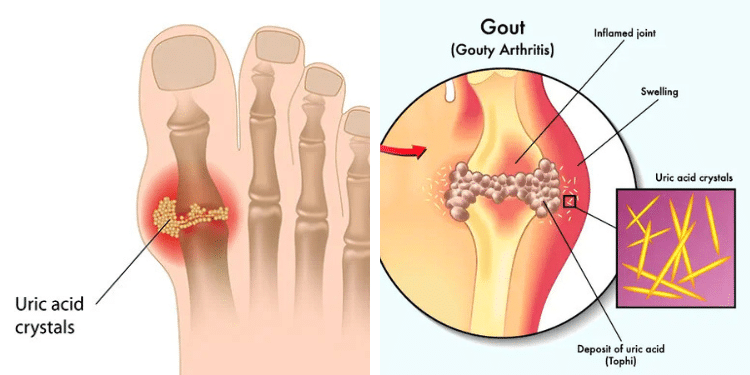
Gout is a specialized form of inflammatory arthritis characterized by the accumulation of monosodium urate crystals within the joint capsule.
This occurs when the body either produces too much uric acid—a byproduct of breaking down purines—or when the kidneys fail to excrete it efficiently.
These needle-like crystals trigger an intense immune response, leading to the “flare-ups” associated with extreme pain and swelling.
To address gout naturally, you must focus on two biological fronts: inhibiting the initial crystallization and flushing existing uric acid through the kidneys.
1. The Power of “Anthocyanins”: The Cherry Intervention
Among the most researched natural treatments for gout are tart cherries and their concentrated extracts.
-
The Mechanism: Cherries contain high levels of anthocyanins, which are potent antioxidants that inhibit the enzymes responsible for inflammatory signaling.
-
The Uric Acid Effect: Consistent consumption of tart cherry juice has been shown to lower serum uric acid levels by increasing the rate at which the kidneys filter and excrete it.
-
The Strategy: Incorporate a serving of tart cherries or 8 ounces of unsweetened cherry juice daily to maintain a lower “uric acid baseline.”
2. Citrate Synergy: Lemon and Lime Therapy
As we explored in the guide regarding Apple Cider Vinegar and Kidney Stones, the pH of your urine is a primary factor in mineral crystallization.
-
The Action: Fresh lemon juice is rich in citrate, which is a natural inhibitor of crystallization. Citrate helps dissolve existing uric acid crystals and prevents new ones from forming.
-
The Metabolic Shift: Lemons have an alkalizing effect on the body after digestion, which helps neutralize the acidity in the blood and urine.
-
The Result: Drinking the juice of half a lemon in warm water every morning can help keep uric acid in a “liquid state,” preventing it from settling into the joints.
3. Quercetin: The Natural Inflammatory Shield
Quercetin is a bioflavonoid found in high concentrations in red onions, capers, and apples.
-
The Mechanism: Quercetin acts as a natural xanthine oxidase inhibitor. This is the same biological pathway targeted by common gout medications; it essentially slows down the production of uric acid at the source.
-
The Benefit: By reducing the “output” of uric acid, quercetin helps prevent the system from becoming “over-saturated,” which is the precursor to a gout attack.
4. Hydration and the “Kidney Flush”
Since uric acid is water-soluble, your level of hydration is the single most important factor in preventing an acute flare-up.
-
The Science: When you are dehydrated, the concentration of uric acid in your blood rises, making it easier for crystals to “precipitate” out of the blood and into the cooler environment of the joints (like the big toe).
-
The Action: Aim for 3 liters of water a day. As we’ve discussed with Kidney Health, water is the transport medium that carries metabolic waste out of the body.
-
The Tip: Add a sprig of the rosemary we discussed earlier to your water; its anti-inflammatory compounds provide secondary support for joint comfort.
5. Celery Seed Extract: The Natural Diuretic
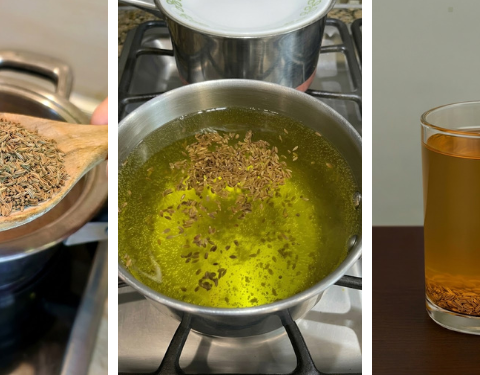
Celery seeds have been used for centuries to treat “rheumatic” conditions due to their ability to act as a gentle, natural diuretic.
-
The Action: Celery seeds contain a compound called 3-n-butylphthalide (3nB), which helps the kidneys eliminate uric acid and other metabolic acids.
-
The Benefit: Unlike some synthetic diuretics that can actually trigger gout by causing dehydration, celery seed encourages the excretion of waste while supporting overall fluid balance.
6. Magnesium and Mineral Balance
As established in our discussions on Epsom salt soaks, magnesium is essential for over 300 biochemical reactions, including those that regulate kidney function.
-
The Connection: Magnesium deficiency is often linked to higher levels of systemic inflammation and poor uric acid clearance.
-
The Use: Topical magnesium or Epsom salt foot soaks can help relax the tissues around a gout-prone joint, improving blood flow and facilitating the removal of crystalline buildup.
Summary: The Gout Prevention Checklist
| Strategy | Primary Benefit | Daily Habit |
| Tart Cherries | Lowers serum uric acid. | 1 cup of cherries or juice. |
| Lemon Water | Alkalizes and dissolves crystals. | Juice of 1/2 lemon in morning. |
| Hydration | Flushes kidneys. | 10–12 glasses of water. |
| Celery Seed | Acts as a natural diuretic. | Dietary intake or extract. |
| Quercetin | Reduces uric acid production. | Eat red onions and apples. |
Addressing gout naturally is a matter of bio-chemical management.
By utilizing the alkalizing power of lemons, the anti-inflammatory properties of cherries, and the filtration support of proper hydration, you create an internal environment where uric acid cannot crystallize.
It is a proactive approach that protects your joints from the inside out, ensuring long-term mobility and comfort.