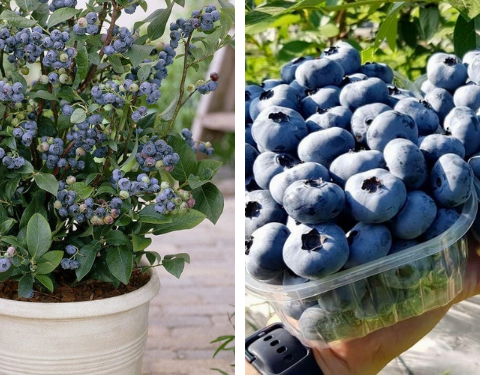
There’s nothing quite like the sweet, juicy taste of fresh blueberries straight from the bush.
Whether you sprinkle them on your morning oatmeal, bake them into muffins, or enjoy them by the handful, blueberries are a delicious and nutrient-packed superfood.
But what if you could grow your own endless supply of blueberries right in your backyard—without ever needing to buy another pint from the store?
Good news: You can! Blueberries are surprisingly easy to grow at home, and with the right care and planning, they can produce abundant harvests year after year.
In fact, once established, a single mature blueberry bush can yield 5 to 15 pounds of berries per season—and they’ll continue to produce for decades.
In this guide, we’ll walk you through everything you need to know to grow your own never-ending supply of blueberries at home—from choosing the right varieties and preparing the soil to planting, pruning, and maximizing your harvest.
Why You Should Grow Your Own Blueberries
Aside from the unbeatable freshness and flavor, growing blueberries at home offers several advantages:
-
Cost savings: A few bushes can yield dozens of pints of berries each year.
-
Nutritional value: Blueberries are rich in antioxidants, fiber, and vitamin C.
-
Low maintenance: Once established, blueberry bushes require minimal care.
-
Pesticide-free: Homegrown means you control what goes into your food.
-
Landscape value: Blueberry shrubs offer year-round beauty with spring blooms, summer berries, and fiery fall foliage.
Step 1: Choose the Right Blueberry Varieties
There are three main types of blueberries, each suited to different climates and conditions:
1. Highbush (Vaccinium corymbosum)
-
Most common for home gardeners
-
Grows 4–6 feet tall
-
Best for USDA Zones 4–7
-
Produces large, sweet berries
2. Rabbiteye (Vaccinium ashei)
-
Tolerates heat and drought
-
Grows 6–10 feet tall
-
Ideal for Zones 7–10
-
Needs multiple varieties for pollination
3. Lowbush (Vaccinium angustifolium)
-
Grows close to the ground (1–2 feet)
-
Very cold hardy (Zones 3–6)
-
Smaller berries, but intensely flavorful
Pro Tip: For best yields, plant at least two different varieties to encourage cross-pollination.
Step 2: Find the Perfect Spot
Blueberries love the sun and thrive in well-drained, acidic soil.
Site Requirements:
-
Full sun: 6–8 hours of direct sunlight daily
-
Acidic soil: pH between 4.5 and 5.5 (test with a soil pH kit)
-
Good drainage: Avoid areas where water pools
-
Protection from wind: Helps prevent damage to branches and flowers
If your soil is not naturally acidic, you can amend it using peat moss, elemental sulfur, pine needles, or composted oak leaves.
Step 3: Planting Blueberries
The best time to plant blueberries is in early spring or late fall, depending on your climate.
How to Plant:
-
Dig a hole twice as wide and deep as the root ball.
-
Mix in acidic organic matter (peat moss, compost).
-
Place the plant in the hole, keeping the crown at soil level.
-
Backfill with soil and water thoroughly.
-
Mulch around the base with pine bark, wood chips, or sawdust to retain moisture and suppress weeds.
Spacing:
-
Highbush: 4–6 feet apart
-
Rabbiteye: 6–8 feet apart
-
Lowbush: 2–3 feet apart
Step 4: Watering and Fertilizing
Water:
Blueberries have shallow roots and need consistent moisture, especially during the first 2 years.
-
1–2 inches of water per week (more during hot, dry weather)
-
Use a soaker hose or drip irrigation to keep soil moist but not soggy
Fertilizer:
Use an organic, acid-loving plant fertilizer or one specifically labeled for blueberries.
-
Avoid high-nitrogen fertilizers
-
Apply in early spring and again in late spring
-
Don’t fertilize after July (encourages late growth susceptible to frost)
Step 5: Pruning for Maximum Production
Pruning helps your bushes stay healthy and productive year after year.
When to Prune:
-
Late winter or early spring, while the plant is still dormant
How to Prune:
-
In the first 2 years: Remove flower buds to encourage root growth.
-
Year 3 and beyond:
-
Remove any dead or weak wood
-
Thin out the center to improve airflow
-
Leave 4–6 strong canes per plant for ideal fruiting
-
Pruning might feel counterproductive, but it actually boosts fruit size, quality, and yield in the long term.
Step 6: Protect Your Blueberries
Birds and critters love blueberries just as much as you do.
Protection Tips:
-
Netting: Cover bushes with bird netting during ripening season
-
Mulch barriers: Deter weeds and pests like grubs
-
Cage frames or row covers: Help prevent damage from deer or rabbits
Tip: Harvest berries as soon as they ripen to reduce losses from animals.
Step 7: Harvest and Enjoy!
Blueberries typically ripen mid-to-late summer, depending on variety and region.
Harvesting Tips:
-
Wait until berries are fully blue and slightly soft
-
Ripe berries should easily come off the stem with a gentle pull
-
Don’t wash berries until ready to eat to prevent spoilage
A healthy, established bush can produce for 20 years or more, and with staggered varieties, you can harvest berries over a 6-8 week window.
How to Keep a Continuous Supply of Blueberries
To enjoy fresh blueberries year after year (and extend your growing season), try these advanced tips:
1. Succession Planting
Plant multiple varieties with different harvest times (early, mid, late-season) for continuous summer harvests.
2. Propagation
Multiply your plants by taking softwood or hardwood cuttings in early spring or late fall.
3. Container Growing
Grow blueberries in containers using acidic potting mix. This allows you to control soil conditions and move the plants for optimal sunlight.
4. Annual Pruning and Soil Feeding
Feed the soil with compost and mulch every year, and keep pruning to encourage fresh growth and new fruiting canes.
Bonus: How to Store and Use Extra Blueberries
If you’re harvesting more than you can eat, here’s how to preserve them:
-
Freeze: Wash and dry, then freeze in a single layer on a tray before storing in bags.
-
Dry: Use a food dehydrator for healthy blueberry snacks.
-
Jam: Make homemade blueberry jam or syrup.
-
Smoothie Packs: Freeze berries in individual smoothie-ready portions.
Growing a never-ending supply of blueberries in your backyard is easier than you think.
With a bit of planning, proper soil prep, and routine care, you can enjoy fresh, juicy, and organic blueberries every year—right from your own garden.
Whether you have a large backyard or just a small space for containers, blueberry bushes are one of the most rewarding fruits to grow.
Once established, they’ll provide bountiful harvests for decades, helping you eat healthier, save money, and enjoy the sweet satisfaction of homegrown food.